Exhibition: Manchester (and online) “Our Lives, Our Privacy” c/o ICO
This a.m. I heard on BBC R4 Today 07.41.30... news (and interesting discussion) -
https://www.bbc.co.uk/sounds/play/m0029rg4
- of an exhibition in Manchester that may be of interest, if you're local, but it is also accessible online:
https://ico.org.uk/about-the-ico/media-centre/news-and-blogs/2025/04/come-and-visit-manchester-s-latest-exhibition-our-lives-our-privacy-to-celebrate-the-ico-s-40th-anniversary/
'A digital exhibition featuring 40 items that tells the tale of how privacy has been at the centre of some of the biggest events and milestones we remember over the past four decades was launched last Autumn, but now a physical exhibition has come to Manchester.
Our Lives, Our Privacy
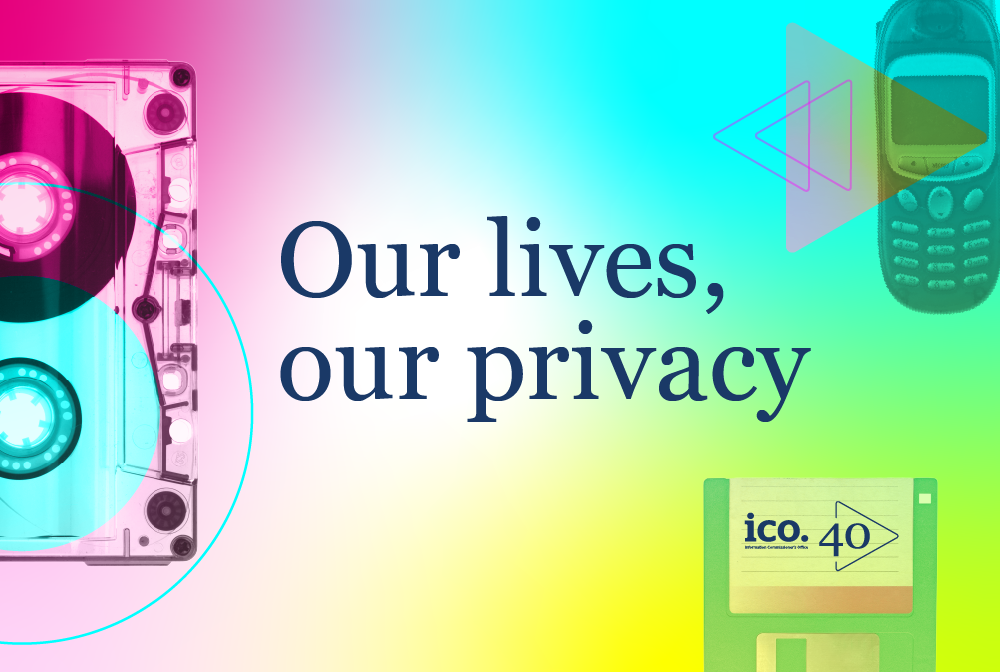
From 2 April to 30 June, we will be displaying the exhibition at Manchester Central Library in the first-floor exhibition space. Members of the public are welcome to pop in and see the items that have shaped our lives and our privacy.The ‘Our Lives, Our Privacy’ exhibition highlights poignant events in history including the launch of social media, the News of the World phone hacking scandal and the Covid 19 pandemic to name a few. It also looks at technological advancements like smart devices and raising questions about the future, including how accurate the episodes of ‘Black Mirror’ really are.'
==== Previously:
Jones, P. (1996) Humans, Information, and Science, Journal of Advanced Nursing, 24(3),591-598.
https://www.academia.edu/3555654/Humans_information_and_science
Jones, P. (1996) An overarching theory of health communication? Health Informatics Journal,2,1,28-34.
Jones, P. (2004) Viewpoint: Can informatics and holistic multidisciplinary care be harmonised? British Journal of Healthcare Computing & Information Management, 21, 6, 17-18.
Fryer, Jon. “Information Literacies – Learning, to Thrive in a Digital Age” IRMS Bulletin 230 (2022): 16-21.
As listed in the bibliography in this blog's sidebar.
Jones, P. (1996) Humans, Information, and Science, Journal of Advanced Nursing, 24(3),591-598.
https://www.academia.edu/3555654/Humans_information_and_science
Jones, P. (1996) An overarching theory of health communication? Health Informatics Journal,2,1,28-34.
Jones, P. (2004) Viewpoint: Can informatics and holistic multidisciplinary care be harmonised? British Journal of Healthcare Computing & Information Management, 21, 6, 17-18.
Fryer, Jon. “Information Literacies – Learning, to Thrive in a Digital Age” IRMS Bulletin 230 (2022): 16-21.
As listed in the bibliography in this blog's sidebar.
I visited Manchester Central Library about two weeks ago, it is quite a building and full of public, cultural, and local information resources. Must do likewise in Liverpool.


 orcid.org/0000-0002-0192-8965

