ii 'Thinking outside the box ...' by Amber Javis
Second reply to a blog post by Amber Jarvis on The Mental Elf:
Thinking outside the box: alternatives to standard inpatient mental health care
Amber's post considers a study by:
Griffiths, J. L., Baldwin, H., Vasikaran, J., Jarvis, R., Pillutla, R., Saunders, K. R., … & Johnson, S. (2025). Alternative approaches to standard inpatient mental health care: development of a typology of service models. International Journal of Mental Health Systems, 19(1), 1-13: https://pubmed.ncbi.nlm.nih.gov/40247283/
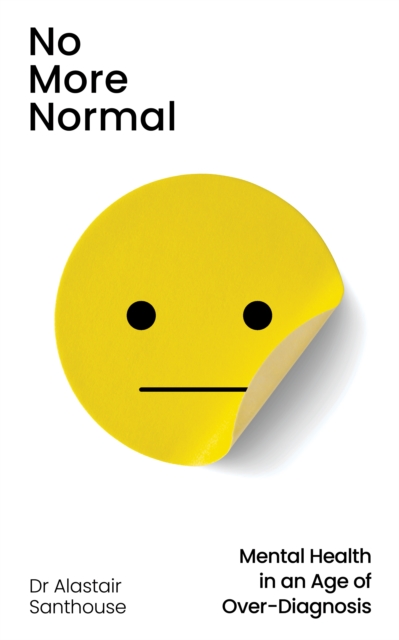 Hodges' model is ideal to help reflect and critique the relation-ship between 'a person' and 'the service'. I passed two gentlemen in London over the weekend. Clearly unkempt, standing but gesticulating, freely verbalising, incoherent on passing. Neither appeared intoxicated ( but I wasn't that close) or 'stoned'. That's the other question; passing-by what was I going to do? Does the 'community' care? On 'X' you encounter the extremes of debate. Anti-psychiatry, resort to and risks of dependence on medication - anti-depressants, anxiolytics; the damage from anti-psychotic drugs and atypical antipsychotics. The continuous debate about ECT. A dizzying stream of texts about mental health, over-diagnosis and wellbeing:
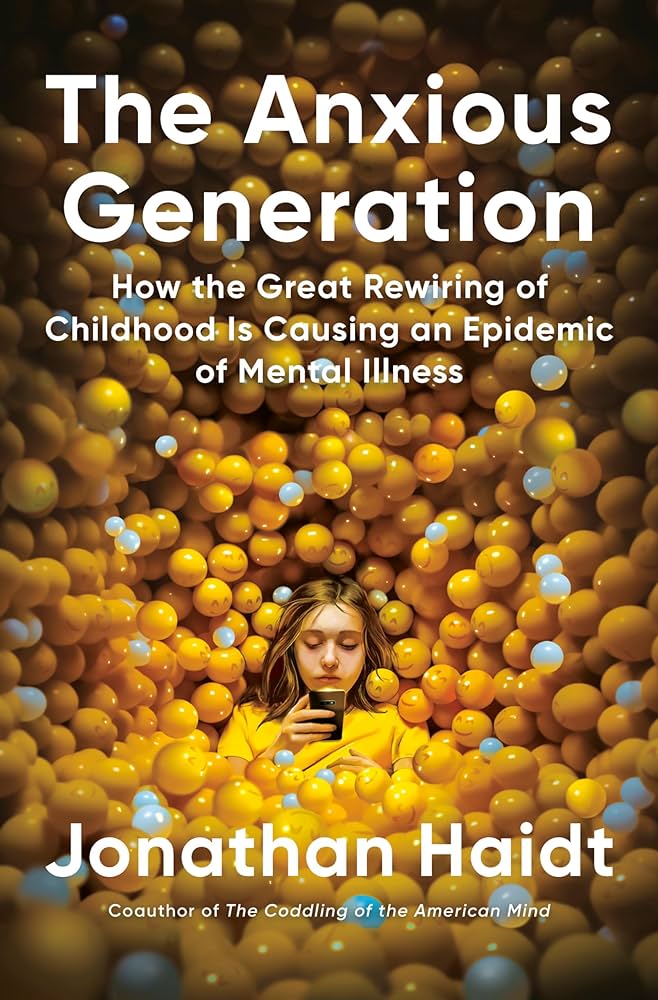 Medical prescribing has a partner. Social prescribing is well established, with organisations, events, publications and research emerging. People, have scoffed at the suggestion that gardening can help; or going for a run. Especially when you can't get out of bed. Chronic fatigue syndrome, long-COVID are seemingly monolithic in their resistance to change. A real challenge and so counter to the person's 'pre-morbid' personality and lifestyle.
Jarvis highlights concern within inpatient services of:
'use of coercive practices ... (Nyttingnes et al., 2018; Belayneh et al., 2024). These include physical restraint (physically holding a person), seclusion (holding a person in a locked room) and chemical restraint (the use of sedating medication to manage distress or behaviour, sometimes administered “as needed” rather than as part of any planned treatment). Poor relationships between staff and service users have also been noted, ...'
Reflecting since the previous post, I realise that I encountered efforts to prevent admission and treat in the community prior to going part-time. A short stay unit at a general hospital. Being a member of Intermediate Support for older adults; shifts ran 0800-2000 - early or late. Then working part-time, there were short-stay placements in the community that the recovery team would visit providing support.
Mental distress is distressing (a truism of course), both as lived experience (with or without self-awareness in-situ/crisis) and for others in the vicinity. Family, friends - who see a person they thought they knew, perhaps even thought they were a friend, a person who loved them; but now!? They present as distant, aggressive, subdued, agitated, unpredictable, inconsolable and possibly expressing thoughts of self-harm, threats to harm others, or totally bizarre, 'psychotic' ideas. This is not the person they thought they knew. For the person affected, familiars are strangers. A relational breakdown. We forget the severely mentally ill at our peril. A pervasive sense of helplessness is readily transferred: the reflex conclusion that help is needed - and fast.
To say we are creatures of habit, is to also acknowledge that change our environment results in a change in our behaviour. When relatives did arrive on the psychogeriatric ward I mentioned previously, they cried. Apologising for the environment, yes; efforts to reassure ensued and eventually family, friends were won over. They shouldn't have been. Unless we're in a game, play, or movie, who wants to find themselves in a Victorian era institution?
I've posted previously (or is it in draft?) on the importance of design in the design of care environments. It was a relative's visit to a care home, that resulted in a nursing home design business (Sunday Times).
A person who is severely mentally ill needs service-centred care, not purely person-centred care. Person-centredness is key, but safety of self, and the public soon makes itself known. We also forget this at our peril. The problem is that control, and law literally take over. Plus, it's our place not yours. Loss of power the person struggling, ill, in crisis then follows. Amber continues:
'The concerns described above chime uncomfortably with modern mental health agendas of prioritising autonomy, compassion, trauma-informed and person-centred care. In light of these tensions, and the growing number of crisis alternatives – ranging from crisis cafes to intensive home treatment services – researchers at the NIHR Policy Research Unit in Mental Health set out to map current alternatives to traditional inpatient care, both nationally and internationally. Griffiths and Baldwin’s findings raise important questions about how mental health services could evolve to better suit people’s needs, providing a valuable starting point for service planners considering developments in care.'
Hodges' model is ideal to help reflect and critique the relation-ship between 'a person' and 'the service'. I passed two gentlemen in London over the weekend. Clearly unkempt, standing but gesticulating, freely verbalising, incoherent on passing. Neither appeared intoxicated ( but I wasn't that close) or 'stoned'. That's the other question; passing-by what was I going to do? Does the 'community' care? On 'X' you encounter the extremes of debate. Anti-psychiatry, resort to and risks of dependence on medication - anti-depressants, anxiolytics; the damage from anti-psychotic drugs and atypical antipsychotics. The continuous debate about ECT. A dizzying stream of texts about mental health, over-diagnosis and wellbeing:For several years the state of mental health nursing as a specialty has been questioned. Is the mental health nursing curriculum being genericised? Enrollment of students nurses in learning disability has also dropped.
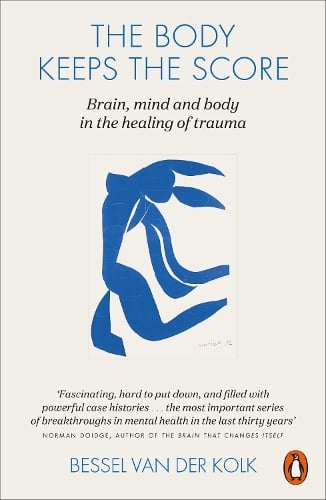
I noticed a little visual game, an animation of characters running, jumping, climbing over an obstacle course. You focus on one figure and follow them for a time. This makes a difference, called distraction. In psychosocial intervention and managment of psychosis and anxiety audio - music, poetry, repetition has also bee used. The essence here must be when the intervention begins. Recognising relapse triggers, requires preparatory work. The Griffith reference is provided, but Jarvis begins to describe the results:
'Researchers identified 65 alternative service models to standard inpatient care. These were organised broadly organised according to the setting (e.g., community-based, hospital-based, or cross-setting) and the target population (e.g., adults versus children). Across these categories, ‘community-based alternatives’ were the most common category of alternative service models, followed by hospital-based and cross-setting approaches. We’ll explore each of these in more detail below.'
In post (i) and here I suppose I am advocating for mental health nursing as a distinct programme of study, practice and proven competence. For several years the state of mental health nursing as a specialty has been questioned. Is the mental health nursing curriculum being genericised? Enrollment of students nurses in learning disability has also dropped.
RCN questions separation of mental health nurse training (28 March 2025)
There is a saying: 'You get what you pay for'. There is a sense that there are people who would like to ignore, deny, erase 'mental health'. After all, the truth really is that you can 'see' a broken leg. This isn't an issue if you can afford a private psychotherapist, or a psychoanalyst.
The elephant here (well, there always is one) is education and the literacies. For prevention: the ultimate change - this is where we must focus. But of course for the problem at hand - and mind it is too late.
(Post iii likely to follow.)
Individual
|
INTERPERSONAL : SCIENCES
HUMANISTIC -------------------------------------- MECHANISTIC
SOCIOLOGY : POLITICAL
|
Group
subjectivity mental state - crisis - mind quality | objectivity hand - physical state - crisisquantity |
Social prescribing Cafe | Housing - crisis Cost of living - crisis |
See also: 'literacy' : 'prevention' : 'service' : 'severe' : 'change'




 orcid.org/0000-0002-0192-8965

