Hodges' Model: Welcome to the QUAD: trauma

Hodges' model is a conceptual framework to support reflection and critical thinking. Situated, the model can help integrate all disciplines (academic and professional). Amid news items, are posts that illustrate the scope and application of the model. A bibliography and A4 template are provided in the sidebar. Welcome to the QUAD ...

Showing posts with label trauma. Show all posts

Wednesday, August 26, 2026

South Sudan Medical Journal - August 2026


Dear Reader,

The August 2026 issue is online here; we thank all the copyeditors and reviewers who helped prepare these papers. If you are submitting a manuscript, remember to read our Author’s Guidelines first.

We are looking for volunteers to join the Editorial team. Email us if you have time and editing skills.

Editorial

Can the Ebola Zaire vaccine stop Bundigunyo virus? Edward Kenyi


RESEARCH ARTICLES
Assessment of airborne fungi in the emergency and traumatology departments of University Hospital Centre, Sidi Bel-Abbes, Algeria Derouicha Matmour, Samia Merad, Yassine Merad, Achwak Bendouida, Zoubir Belmokhtar, Zakaria Merad, Mohamed Amine Boumelik, Benali Beghdadli, Othmane Ghomari 

Maternal and nutritional factors associated with early childhood development in rural Indonesia Hadi Ashar, Mohammad Zen Rahfiludin, Sri Achadi Nugraheni, Dwi Hapsari Tjandrarini

Observed outcomes and costs of laparoscopic versus open cholecystectomy in Juba, South Sudan Mayen Achiek, Jingo Faride, Mohamed Ibrahim, Abraham Mafair Kezekia, Chep C. Chep, Garang D. Nyuol, Ajak M. Dhel, George Lefteri

Stakeholders’ perspectives on determinants of health financing in South Sudan: a qualitative assessment Jonathan Majok, Gabriel Loi, Solomon Dut, Aluel Ayom, Thiey Kuethpiny, David Ngor, Sarah Nyannyot

Predictors of unsuccessful treatment outcomes among adults with pulmonary tuberculosis in a resource-limited setting Tri Agus Yuarsa, Malehah Mohd Noh, Richard Avoi, Meryl Grace Lansing, Putra Agina Widyaswara Suwaryo 

Assessment of the understanding of evidence-based medicine among undergraduate medical students in Gadarif University, Sudan Khalid Mohammed Ali, Ozaz Yagoub, Inshirah Mustafa, Tarig Fadelelmoula
 
Environmental health risks associated with open dumping practices in Central Kalimantan, Indonesia: an observational study Nawan, Septi Handayani 

Assessing the quality of health facilities providing antenatal care services in Bor, South Sudan John Thon Pandak Kuot, Shalini Ninan Cherian

Prostate cancer awareness and factors influencing screening among men at St. Francis Referral Hospital, Tanzania Theresia A. Karuhanga, Zeinabu Awardh Sharif, Antony Magoda, Philbert Madoshi 

CASE REPORTS 
Long-standing aspirated foreign body in a child complicated by pneumothorax and empyema Gawar Gel, Juma Deng, Justin Rubena

Clinical rabies in an HIV-positive pregnant mother with surviving newborn Ayol Mac Ayol

BACKCOVER: WHO: Guidelines for the management of pregnant and breastfeeding women in the context of Ebola virus disease

FRONT COVER IMAGE: The grown fungal colonies on SDA media collected from different types of samples. (Article on page 149)

Thanks to everyone who supports SSMJ. Tell your colleagues they can join our mailing list here.

The SSMJ team

Email: southsudanmedicaljournal AT gmail.com
Website: http://www.southsudanmedicaljournal.com
Follow us on X: @SSMedJournal and our Facebook Group.

Our mailing address is:

South Sudan Medical Journal
Health and Social Sciences Research Institute, Juba
South Sudan
Copyright (C) 2026 South Sudan Medical Journal All rights reserved.

Tuesday, June 02, 2026

Call for Participants: Survey on Trauma-Informed Archival Practice

Dear all,

My name is Emily Hill, I am a current master's student at the University of Glasgow completing my dissertation titled: 
 
To what extent is Trauma-Informed Archival Practice understood and used within the Archival Sector? How effective are the methods of support available to Archivists? 

The aim of this dissertation is to explore the breadth of knowledge within the Archival sector surrounding Trauma-Informed Archival Practice, where professionals have learned about Trauma theory and if the mental health and secondary trauma support available is accessible and effective. There is no prior knowledge of Trauma-Informed Practice needed to participate, as these concepts are explained within the Participant information forms. 

Participation in this survey will take approximately 15 minutes, including the Participant Information and Agreement forms which should be viewed and signed before participation in the survey questions. 

All survey responses are received anonymised, with the data being analysed in correlation with other respondent data on a question-by-question basis. 

I would be very grateful for your participation in this survey, and if you have any questions or concerns you wish to address prior to participating, please email me at 2650467H AT student.gla.ac.uk. 

You can access the survey here. 

Thank you in advance for your participation!

Best wishes, 
Emily Hill.

My source:
To view the list archives go to: https://www.jiscmail.ac.uk/cgi-bin/webadmin?A0=RECORDS-MANAGEMENT-UK

Thursday, April 02, 2026

Launch of National Knife Crime Centre

INDIVIDUAL
|
    INTERPERSONAL    :     SCIENCES               
HUMANISTIC --------------------------------------  MECHANISTIC      
SOCIOLOGY  :   POLITICAL 
|
GROUP
Is this a knife I see before me?
Or is it something else?
 
Am I being duped and taken for a fool?
But, nobody will bother me now!
I'm ready...!
 
I don't think this is right.
 
Either way, I'm asking for trouble?
 
Will anybody else listen? 


Should I risk trying to buy a knife?
How? Shop, or online?

Do I look 18?
I've seen the signs by the tills.

Can I pass as an 18 year old?
Should I pick it up and take it?

Or, do I leave it exactly where it is hidden?

Do I really need a knife, 
because he/she/they have one?

Can I ask a friend?
My cousin? No they'd grass on me.
Could I pay that 5th year?

Ben Kinsella Trust


NATIONAL CENTRE FOR KNIFE CRIME
 
Ronan's Law


My sources: BBC Radio 4 'Today' 2nd April 2026.

Previously: 'crime' : 'knives' : 'law'

Saturday, March 21, 2026

'Health - Illness': Status - presence - absence - Being

A pre-charity shop revisit: 

'So long as we are healthy, we do not notice that we are healthy. Health is one of those phenomena that we do not perceive as anything special because they are a part of everyday life. We discover them by their absence. Only illness enables us to see health as health. That I am healthy, and in what way I am healthy, is something I experience when, and to the extent that, I am or was not healthy, or when I perceive (but this it is difficult to do) that, and to what extent, someone else is or was not healthy. Being healthy is not the only 'being' that escapes our gaze precisely by being, and that appears to us by its absence. One could say the same of being as such.' p.257.

von Weizsäcker, Carl Friedrich (1971 [1980 trans.]). Einheit der Natur [The Unity of Nature] New York: Farrar Straus Giroux.

If we are to demonstrate ('prove') that Hodges' model can be applied, is relevant in:

  • illness, disease, trauma (physical and mental);
  • health and well-being; 
  • human development, ageing, pregnancy;
  • social care; 
  • preventive medicine, health promotion, health education;
  • life sciences, bioengineering; 
  • public (community and mental) health;
  • self care;
  • spiritual health;
  • and global - planetary (political) health ...

Then these observations by Friedrich, allied with definitions of health, as per the WHO's Constitution:

'Health is a state of complete physical, mental and social well-being and not merely the absence of disease or infirmity.'
https://www.who.int/about/governance/constitution

The oft cited (when I was a student nurse) definition of nursing by Virginia Henderson:

“Assisting the individual, sick or well, in the performance of those activities contributing to health or its recovery (or to peaceful death) that an individual would perform unaided if he had the necessary strength, will or knowledge”.
https://libguides.twu.edu/c.php?g=270174&p=1803121

We need to 'see' beyond these sources, to take in the global situation. But, being situated this is something Hodges' model is ideally equipped to achieve.

Monday, March 02, 2026

Thoughts re. 2026 Lancaster Philosophy of Psychiatry Work in Progress Workshop

After posting on the 19th February about the 2026 Lancaster Philosophy of Psychiatry Work in Progress Workshop last Thursday, 1100 through to 1530 on Friday - was well worth attending. I am also grateful for the opportunity to present Hodges' model, share current challenges and questions. Running through the programme what helped here:

While seemingly open in title the first presentation with Hane Maung, was (as with all) specific, but related to aspects of psychiatry and philosophy applicable here; classification, what is a 'disease'?, concepts, Millikan also appears in a reference: https://philpapers.org/go.pl?aid=MAUTDO-6.

As 2nd speaker, there were several questions after my presentation. Fourteen slides went to time: 20 minutes with 10 for Q&A. I'm not the best judge, but I believe I answered them. As my 'subject' is always the same in Hodges' model, I do make an effort to try (at least) to say something new. Listening, I soon realised this is an established Lancaster-grounded group, and welcoming too. If there is ever another opportunity, something new would definitely have to follow.

I can see scope for this in Matthew Williams's - The failure of the harm-minimisation argument for BID Surgery and the necessity of therapeutic justification. 'BIDS' is 'Body integrity dysphoria surgery' a challenging and ethics-bound situation, that while still rare, has made the news for (as ever) the wrong reasons. The relations to be considered cross all the domains and dimensions of health, care and more.

It is possible to become complacent regards our conceptual currency. Without taking care, we grow to take them for granted. I'm grateful to Clive Duddy for a refresh were autonomy is concerned.

'Difference' is a recurring trope in healthcare, informatics and other fields. George Turner's 'difference denied' and subsequent discussions was extra insightful therefore, addressing ongoing (legacy?) issues for service users, carers, patient and public involvement and engagement (PIE).

Presenting, 'Different ways of medical knowing in Walzer's different spheres of justice?', Dieneke Hubbeling drew my attention to Walzer's book: Spheres Of Justice: A Defense Of Pluralism And Equality. In addition capacity and capacities (to achieve an outcome), plus difference (again), especially when it comes to knowledge and knowing. I remember thinking about rather than putting the person at the centre of Hodges' model, place 'equality' and reflect upon that.

I note that we overlap with a journal too, and another topic - overtreatment - that was something of an elephant in the room (perhaps?): a further theme to follow - https://openaccess.sgul.ac.uk/id/eprint/113806/1/jep.13632.pdf

Ali Walker's Forget Fictionalism: Psychiatric Disorders are Quasi-Real,with a topological - cartographic themed slide perked me up later afternoon. The subject of Borderline Personality Disorder also reminded me of the extent of change in adult community mental health services, in practice through 1985-1995 and that encountered in 2019. Much to digest here. A 3 minute video of Ali's thesis BPD Disorder - Trauma is available from last year: https://www.youtube.com/watch?v=5tMSyt71hvs

I will review/add more details here, or a new post.

Thursday, July 10, 2025

ii 'Thinking outside the box ...' by Amber Javis

Second reply to a blog post by Amber Jarvis on The Mental Elf:

Thinking outside the box: alternatives to standard inpatient mental health care

Amber's post considers a study by:

Griffiths, J. L., Baldwin, H., Vasikaran, J., Jarvis, R., Pillutla, R., Saunders, K. R., … & Johnson, S. (2025). Alternative approaches to standard inpatient mental health care: development of a typology of service models. International Journal of Mental Health Systems, 19(1), 1-13: https://pubmed.ncbi.nlm.nih.gov/40247283/

Jarvis highlights concern within inpatient services of:
'use of coercive practices ... (Nyttingnes et al., 2018; Belayneh et al., 2024). These include physical restraint (physically holding a person), seclusion (holding a person in a locked room) and chemical restraint (the use of sedating medication to manage distress or behaviour, sometimes administered “as needed” rather than as part of any planned treatment). Poor relationships between staff and service users have also been noted, ...'
Reflecting since the previous post, I realise that I encountered efforts to prevent admission and treat in the community prior to going part-time. A short stay unit at a general hospital. Being a member of Intermediate Support for older adults; shifts ran 0800-2000 - early or late. Then working part-time, there were short-stay placements in the community that the recovery team would visit providing support.

Mental distress is distressing (a truism of course), both as lived experience (with or without self-awareness in-situ/crisis) and for others in the vicinity. Family, friends - who see a person they thought they knew, perhaps even thought they were a friend, a person who loved them; but now!? They present as distant, aggressive, subdued, agitated, unpredictable, inconsolable and possibly expressing thoughts of self-harm, threats to harm others, or totally bizarre, 'psychotic' ideas. This is not the person they thought they knew. For the person affected, familiars are strangers. A relational breakdown. We forget the severely mentally ill at our peril. A pervasive sense of helplessness is readily transferred: the reflex conclusion that help is needed - and fast.

To say we are creatures of habit, is to also acknowledge that change our environment results in a change in our behaviour. When relatives did arrive on the psychogeriatric ward I mentioned previously, they cried. Apologising for the environment, yes; efforts to reassure ensued and eventually family, friends were won over. They shouldn't have been. Unless we're in a game, play, or movie, who wants to find themselves in a Victorian era institution?

I've posted previously (or is it in draft?) on the importance of design in the design of care environments. It was a relative's visit to a care home, that resulted in a nursing home design business (Sunday Times). 
A person who is severely mentally ill needs service-centred care, not purely person-centred care. Person-centredness is key, but safety of self, and the public soon makes itself known. We also forget this at our peril. The problem is that control, and law literally take over. Plus, it's our place not yours. Loss of power the person struggling, ill, in crisis then follows. Amber continues:
'The concerns described above chime uncomfortably with modern mental health agendas of prioritising autonomy, compassion, trauma-informed and person-centred care. In light of these tensions, and the growing number of crisis alternatives – ranging from crisis cafes to intensive home treatment services – researchers  at the NIHR Policy Research Unit in Mental Health set out to map current alternatives to traditional inpatient care, both nationally and internationally. Griffiths and Baldwin’s findings raise important questions about how mental health services could evolve to better suit people’s needs, providing a valuable starting point for service planners considering developments in care.'
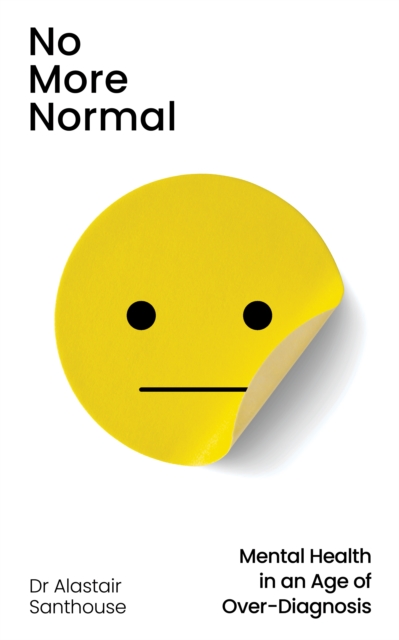
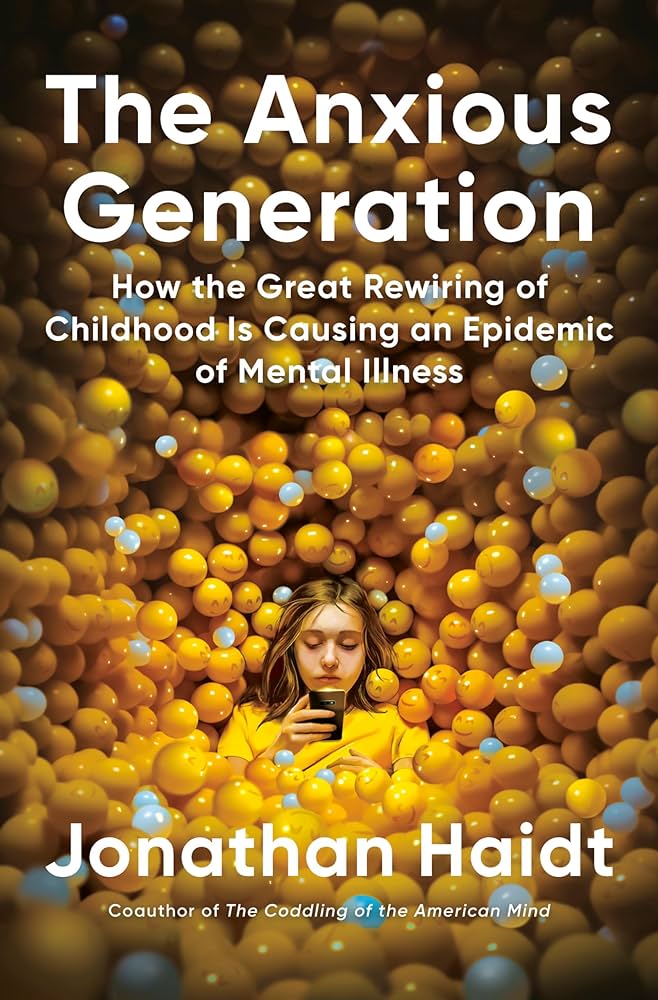
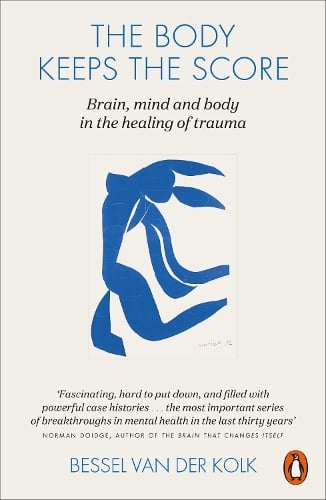
Hodges' model is ideal to help reflect and critique the relation-ship between 'a person' and 'the service'. I passed two gentlemen in London over the weekend. Clearly unkempt, standing but gesticulating, freely verbalising, incoherent on passing. Neither appeared intoxicated ( but I wasn't that close) or 'stoned'. That's the other question; passing-by what was I going to do? Does the 'community' care? On 'X' you encounter the extremes of debate. Anti-psychiatry, resort to and risks of dependence on medication - anti-depressants, anxiolytics; the damage from anti-psychotic drugs and atypical antipsychotics. The continuous debate about ECT. A dizzying stream of texts about mental health, over-diagnosis and wellbeing:


Medical prescribing has a partner. Social prescribing is well established, with organisations, events, publications and research emerging. People, have scoffed at the suggestion that gardening can help; or going for a run. Especially when you can't get out of bed. Chronic fatigue syndrome, long-COVID are seemingly monolithic in their resistance to change. A real challenge and so counter to the person's 'pre-morbid' personality and lifestyle.

For several years the state of mental health nursing as a specialty has been questioned. Is the mental health nursing curriculum being genericised? Enrollment of students nurses in learning disability has also dropped.

Medical prescribing has a partner. Social prescribing is well established, with organisations, events, publications and research emerging. People, have scoffed at the suggestion that gardening can help; or going for a run. Especially when they can't get out of bed. Chronic fatigue syndrome, long-COVID are seemingly monolithic in their resistance to change. A real challenge and so counter to the person's 'pre-morbid' personality and lifestyle. As a conceptual framework Hodges' model is ideal as a semantic net, to reflect and critique concepts that stretch and so disrupt (for a time) out norms. Concepts with a dual character. If social prescribing is one example, take crisis cafe mentioned by Jarvis above. If you think in physical - environmental terms where do you envisage a crisis occuring or playing out? What about a cafe? What is the ambience of these places?

I noticed a little visual game, an animation of characters running, jumping, climbing over an obstacle course. You focus on one figure and follow them for a time. This makes a difference, called distraction. In psychosocial intervention and managment of psychosis and anxiety audio - music, poetry, repetition has also bee used. The essence here must be when the intervention begins. Recognising relapse triggers, requires preparatory work. The Griffith reference is provided, but Jarvis begins to describe the results:
'Researchers identified 65 alternative service models to standard inpatient care. These were organised broadly organised according to the setting (e.g., community-based, hospital-based, or cross-setting) and the target population (e.g., adults versus children). Across these categories, ‘community-based alternatives’ were the most common category of alternative service models, followed by hospital-based and cross-setting approaches. We’ll explore each of these in more detail below.'
In post (i) and here I suppose I am advocating for mental health nursing as a distinct programme of study, practice and proven competence. For several years the state of mental health nursing as a specialty has been questioned. Is the mental health nursing curriculum being genericised? Enrollment of students nurses in learning disability has also dropped. 


There is a saying: 'You get what you pay for'. There is a sense that there are people who would like to ignore, deny, erase 'mental health'. After all, the truth really is that you can 'see' a broken leg. This isn't an issue if you can afford a private psychotherapist, or a psychoanalyst.

The elephant here (well, there always is one) is education and the literacies. For prevention: the ultimate change - this is where we must focus. But of course for the problem at hand - and mind it is too late.

(Post iii likely to follow.)

Individual
|
      INTERPERSONAL    :     SCIENCES               
HUMANISTIC  --------------------------------------  MECHANISTIC      
 SOCIOLOGY  :    POLITICAL 
|
Group
subjectivity         
mental state - crisis - mind
quality
objectivity
hand - physical state - crisis
quantity
Social prescribing
Cafe

Housing - crisis
Cost of living - crisis

See also: 'literacy' : 'prevention' : 'service' : 'severe' : 'change'


Wednesday, May 07, 2025

Conference: Safety and Quality in Mental Health: Improvement - Led Care c/o RSM

'This event will explore successful strategies for enhancing patient safety and driving quality improvement in mental health services.

This timely event addresses the critical issues highlighted by recent high-profile incidents in mental health care. Keynote speakers, including Adrian James, the National Clinical Director of Mental Health, and Shubulade Smith, President of the Royal College of Psychiatrists, will share their experiences of leading organisations through challenging situations. Jonathan Warren, co-author of the Edenfield report, will also provide unique insights.

Key Themes:

  • Supporting staff through traumatic incidents
  • Amplifying patient and family voices
  • Service redesign for safer care
  • Innovative use of data for improved outcomes
  • Learning from significant events to prevent recurrence
  • Balancing human rights with public protection ...'
at: Royal Society of Medicine, 
1 Wimpole St, 
Marylebone, 
London, 
W1G 0AE, United Kingdom

Tuesday, March 25, 2025

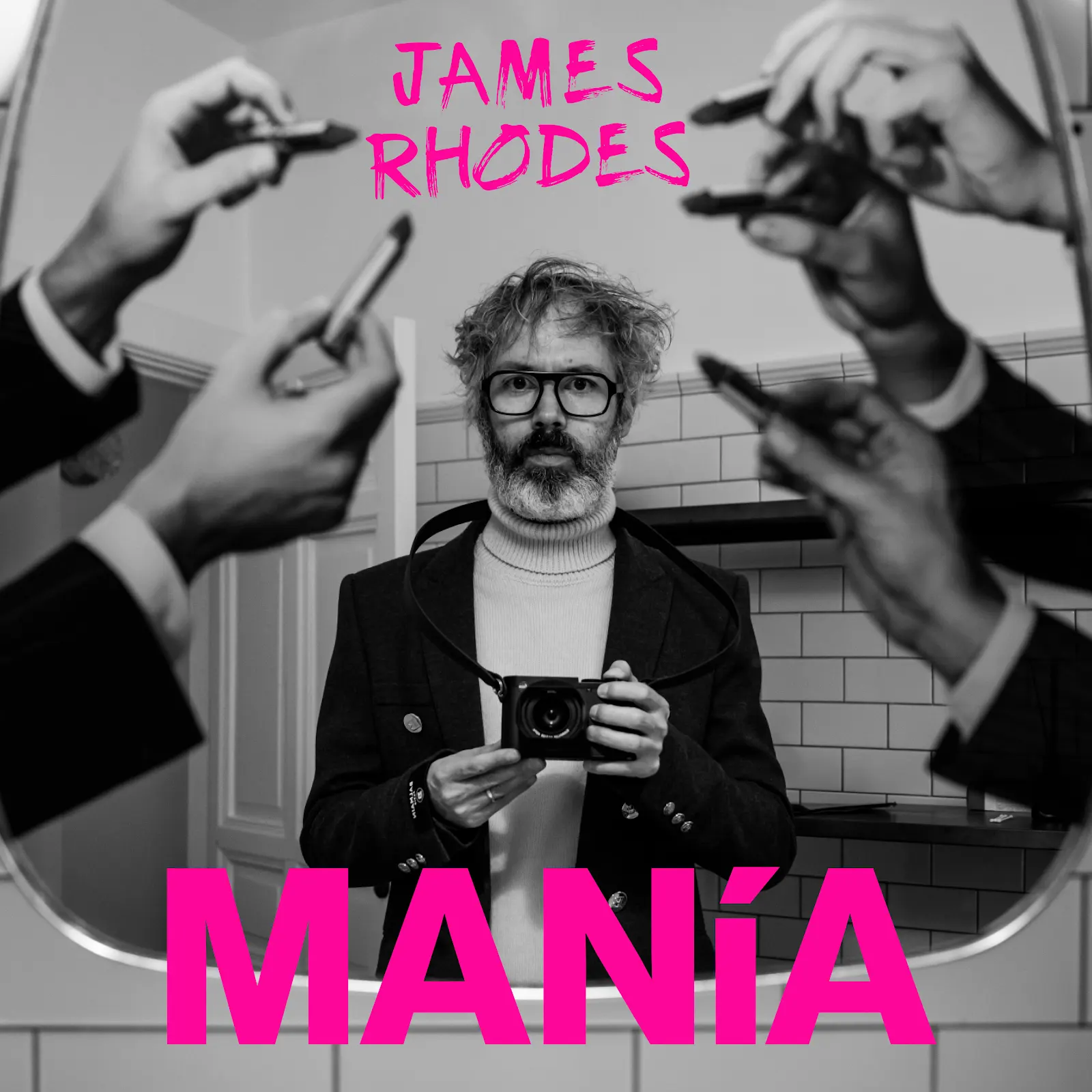
Trauma - MUSIC PRESCRIPTION - James Rhodes

 'By now we're all familiar with the idea of music as therapy. For James Rhodes, however, music can be equivalent - at times even preferable - to  medication in the management of mental health. "Obviously, I am in favour of medication when it is necessary to save lives," says the 49-year-old British-Spanish classical pianist, when I meet him at Peregrine's, an upmarket piano shop in Clerkenwell, central London. "I was on medication and it genuinely saved my life. What I'm not in favour of is medication as a kind of easy option instead of doing other things that will also have the same effect. And there's no question that music [can]." 
 Manía, Rhodes's new album, is driven by that philosophy. Traversing swaths of classical territory, from JS Bach to 20th-century Argentine composer Alberto Ginastera, it is an attempt to profile the therapeutic properties of music from all angles, "I've always loved this idea of prescribing pieces," says Rhodes. As someone who has struggled with his own mental health, he says he has selected works that "accompany me and my insomnia, my anxiety, my desperation and my fears in the middle of the night"'. p.13.


My source:
Nepilová, H. Music on prescription, Arts, Life&Arts, FTWeekend. 8-9 March 2025. p.13.


INDIVIDUAL
|
      INTERPERSONAL    :     SCIENCES               
HUMANISTIC  --------------------------------------  MECHANISTIC      
 SOCIOLOGY  :    POLITICAL 
|
GROUP
MANiA

DRUG
PRESCRIPTION

ARTS
PRESCRIPTION

...


SOCIAL
PRESCRIBING


Saturday, December 21, 2024

When a bomb goes off, ...^

INDIVIDUAL
|
INTERPERSONAL : SCIENCES              
humanistic ------------------------------- mechanistic
SOCIOLOGY : POLITICAL   
|
GROUP


.. whatever's     around ..

"WHEN A BOMB
GOES OFF,

.. gets      weaponised"


donate.redcross.org.uk
msf.org.uk
ideals.org.uk
map.org.uk
uk-med.org


Rosanna Dodds, Operation Gaza, HTSI, FTWeekend, December 9th, 2024. p.37-38.

Victoria Rose, Plastic Surgeon: https://www.youtube.com/watch?v=AzZjmG791Dk

^anywhere ...

Wednesday, December 11, 2024

Reith Lectures: Gwen Adshead - 4 Questions about Violence

Individual
   |
      INTERPERSONAL    :     SCIENCES               
HUMANISTIC  --------------------------------------  MECHANISTIC      
 SOCIOLOGY  :   POLITICAL 
|
Group
Is there such a thing as Evil?

What is the relationship between trauma and violence?

Is violence normal^?

Can we change violent minds?


^'normal' -isation.

Monday, October 07, 2024

“Violência, Memória, Redes” :: "Violence, Memory, Networks” - Monthly online seminar March 2025


Caros colegas,

A partir de Março de 2025 realizar-se-á, mensalmente, um seminário online sobre a tríade “Violência, Memória, Redes”.

Este é organizado pela nossa equipa de um dos grupos de investigação interdisciplinar do CEIS20, um centro ligado à Universidade de Coimbra (Portugal) dedicado a temas de memória, entre outros tópicos multidisciplinares. Esta nova série de seminários dará continuidade ao sucesso do anterior trabalho sobre “Memória, Trauma e Narrativas sobre Si” (2021-22).

Desta forma, pedimos que seja divulgada pelos vossos canais a Call for Papers com a data limite em Janeiro de 2025.

Toda a informação adicional pode ser encontrada na página do seminário (https://www.uc.pt/fluc/seminarvmn/) e no anexo. Os pedidos de esclarecimento devem ser endereçados para: vmn AT uc.pt.

Disponíveis para qualquer esclarecimento adicional.

Cumprimentos,

A Comissão científica:

Edmundo Balsemão Pires (CEIS20/UC)
Joana Ricarte (CEIS20/UC)
Cláudio Carvalho (UCP/FFCS / IF/UP)
Giovanni Zanotti (CEIS20/UC)

-------------------

Dear colleagues, 

From March 2025 onwards, an online seminar will be held monthly on the triad “Violence, Memory, Networks”. 

This is organized by our team from one of the interdisciplinary research groups at CEIS20, a center linked to the University of Coimbra (Portugal) dedicated to memory themes, among other multidisciplinary topics. This new series of seminars will continue the success of the previous work on “Memory, Trauma and Narratives about the Self” (2021-22). 

Therefore, we ask that the Call for Papers be published through your channels with a deadline of January 2025. 

All additional information can be found on the seminar page (https://www.uc.pt/fluc/seminarvmn/) and in the annex. Requests for clarification should be addressed to: vmn AT uc.pt. Available for any additional clarification. 

Compliments, ...

My source: IEF

Thursday, July 25, 2024

World Drowning Prevention Day 25th July 2024

Every year, an estimated 236,000 people drown, making drowning a major public health problem worldwide. Drowning is one of the leading causes of death globally for children and young people aged 1-24 years. Drowning is the 3rd leading cause of unintentional injury death, accounting for 7% of all injury-related deaths.

The global burden of death from drowning is felt in all economies and regions, however:
  • low- and middle-income countries account for over 90% of unintentional drowning deaths; 
  • over half of the world's drowning occurs in the WHO Western Pacific Region and WHO South-East Asia Region; 
  • drowning death rates are highest in the WHO Western Pacific Region, and are 27-32 times higher than those seen in the United Kingdom or Germany, respectively.

World Drowning Prevention Day

World Drowning Prevention Day, declared in April 2021 by General Assembly resolution A/RES/75/273 <https://undocs.org/en/A/RES/75/273>, is held annually on 25 July. This global advocacy event serves as an opportunity to highlight the tragic and profound impact of drowning on families and communities and to offer life-saving solutions to prevent it.


Find more information in the following link: 
https://www.un.org/en/observances/drowning-prevention-day 

In your country, are there any initiatives to prevent drowning?

Here are some of the measures shared at the United Nations web site.
  • installing barriers controlling access to water;
  • providing safe places away from water such as crèches for pre-school children with capable childcare;
  • teaching swimming, water safety and safe rescue skills;
  • training bystanders in safe rescue and resuscitation;
  • setting and enforcing safe boating, shipping and ferry regulations;
  • improving flood risk management.

My source (with video added above and Hodges' model below):

Jackeline. HIFA-Spanish Moderator

HIFA profile: Jackeline Alger, MD, PhD, is a parasitologist associated to the Department of Clinical Laboratory of the University Hospital; Executive Director of the Antonio Vidal Institute for Infectious Diseases and Parasitology; Tegucigalpa, Honduras. HIFA Country Representative of the Year for the years 2015 and 2018. Email jackelinealger AT gmail.com

The bullet points above mapped to Hodges' model, with additions (italics).

individual
|
INTERPERSONAL : SCIENCES
humanistic ------------------------------- mechanistic
SOCIOLOGY : POLITICAL
|
group

teaching swimming, water safety and safe rescue skills
training bystanders in safe rescue and resuscitation
awareness of risk situations
confidence to learn to swim

installing barriers controlling access to water
providing safe places away from water such as crèches for pre-school children with capable childcare
improving flood risk management


teaching swimming, water safety and safe rescue skills
training bystanders in safe rescue and resuscitation

family and community impacts

SOCIO-
funding - prioritisation
setting and enforcing safe boating, shipping and ferry regulations

improving flood risk management
facilities for safe & effective teaching

-ECONOMIC   LMICs

Previously 2022

Tuesday, April 16, 2024

Dramatherapy iii - A Specification for Care: Nye

Individual
|
      INTERPERSONAL    :     SCIENCES               
HUMANISTIC  --------------------------------------  MECHANISTIC      
 SOCIOLOGY  :    POLITICAL 
|
Group


"Classical psychodrama requires five instruments, the stage, the subject, the director, the auxiliary egos and the audience. Although Moreno frequently stated that psychodrama could take place in many natural settings, he advocated the use of a stage of his own design, circular, 12-15 feet in diameter, 1-2 feet high with two surrounding stepped lower levels, seating for the audience, a 'Juliet' gallery and equipment for varying the colour and brightness of the lighting. This format was was aimed at providing a space and generating an atmosphere in which the subject could rise up to move and act with increased freedom and imagination.

'The locus of a psychodrama, if necessary, may be designated everywhere, wherever the patients are, the field of battle, the class-room or the private home. But the ultimate resolution of deep mental conflicts requires an objective setting, the therapeutic theatre. ...'". p.107-108.

Nye - National Theatre


Davies, M.H. Dramatherapy and Psychodrama, Chap. 5. pp.104-123. In Jennings, S. (Ed.), (1987) Dramatherapy. Theory and Practice for Teachers and Clinicians. Routledge, London. p.106.

Thursday, February 29, 2024

'LA Gun Club' (2016) by Jane Hilton

intent - maximum damage - social/vicarious trauma - policy fatigue(s)

Individual

   |
      INTERPERSONAL    :     SCIENCES               
HUMANISTIC  --------------------------------------  MECHANISTIC      
 SOCIOLOGY  :   POLITICAL 
|
Group


With thanks to Jane Hilton

https://www.palogallery.com/exhibitions/35-la-gun-club-jane-hilton/overview/

Top left: intra- interpersonal
Target E. Age: 26. Occupation: Architecture student. Gun: Smith & Wesson .44 Magnum revolver.
"I wanted to use the same gun as Clint Eastwood used in the movie Dirty Harry."

Top right: sciences
Target G. Age: 37. Occupation: Range master for a gun club. Gun: Beretta 92 FS 9mm pistol.
"I have the perfect job. I own many guns, I just love looking at them. I'm not bothered about shooting them. My favourite is the Kimber Warrior because it shoots large bullets."

Bottom left: sociology
Target A. Age: 35. Occupation: Federal security. Gun: Glock 22 .40 caliber pistol.
"I cannot believe I shot that hostage's ear on my target. I learnt to shoot when I was in the military Marine Corps infantry."

Bottom right: political
Target H. Age: 32. Occupation: Stay at home Mom. Guns: Smith & Wesson .357 Magnum revolver, Beretta 9mm pistol and Colt 5.56mm rifle (shooter's own).
"I own all 3 guns I used to shoot my target. Me and my husband go to different gun clubs all the time."

My source:
Alexander James, SNAPSHOT: 'LA Gun Club' (2016) by Jane Hilton. FT Weekend, Life&Arts, 17-18 February 2024. p.19.

Wednesday, January 17, 2024

Book review iv. General Psychotherapy: Principles and Common Theoretical Aspects - Rediscovering Humanity

   General Psychotherapy

My late teens - early twenties coincided with the emergence of chaos, fractals and yes - emergent phenomena. Consequently, I had to refer back to Chapter 3, as Hartmann-Kottek writes:

"If we imagine a fractal that encompasses all categories similarly to a quantum in this regard, all cells, organs, particularly the human brain, the entire person, groups of people, races, nature and the earth would also be in field and structure at the same time. This does not appear to be an abnormal notion. Several experiences with field phenomena of the relationship level would consequently gain their natural allocation.

Indeed, we are familiar with notions that cross categories with regard to states of matter: Water as ice, snowflakes, liquid, vapour, mist and clouds are normal aspects of daily life."p.215.

This resonates at present with reading on categories, seeking theory and to what extent can mathematics and logic be applied to Hodges' model and more importantly, to the humanities? There is some toing-and-froing in the book, but for me having read the book - it works. If a student asked me what is a good subject to study at high school. It would be Social and Economic History, especially if you are thinking of pursuing mental health nursing, psychiatry, or psychology. General nursing too, I would add, acknowledging the need for holistic and integrated theory, practice and management. 

Chapter 7: is a regular rollercoaster in terms of history and cultures:

The Spirit of the Times and Cultural Epochs as Reference Systems Along with Their Transformation of the Ideal Level of Human Development – A Historical Journey Into the Past to Learn for the Future

In healthcare we need to constantly ask (it's called mandatory training) about the protected characteristics, the various literacies, including emotional, spiritual, cultural; and all the determinants of health. And we need to be cognizant of all of them: individual, environmental, commercial, educational, social, and educational (hence why 'categories' are salient).

The discussion of non-European cultures are particularly rewarding - Africa, Australia, Polynesia, Ancient far East, Native Americas, Egypt, Yoruba and others. Page 437 brings Martial arts, where synergy between mind, body and spirit is central. Reflecting culture and the association between health, well-being, the human condition and pastoral care chapter 7 covers the main religions and relationships between several. The influence of aesthetics in certain cultures is also introduced. The book is a springboard for further reading. Section 7.1.2 on an Integrative, Holistic Stance as a Countermovement provides the names and dates of  more than fifteen personalities: Alexius Meinong (1853-1920) ... Wilhelm Witte (1915-1985). Through the history described, it is interesting to reflect on the significance of the holding of knowledge and power imbued through its use. The end of chapter is an effort to take stock of social development - a non-trivial task given the dynamic world we try to exist within. 

 I found I was rolling together chapters 6,7 and 8 even as they hold-their-own in content and placement. As a community mental health nurse I still reflect upon:

  • There is no overarching theory of health communication.
  • Gatekeeping is alive and well.
  • The current often vociferous 'debate' between psychiatrists, psychologists, patients/clients, carers and nurses too.
Chapter 8 returns to the integration of psychotherapy with the politics of research, or how the exercise of power within psychotherapy research has resulted in crises. I wished I'd paid more attention, but I do recall at some events, conferences instances of animosity between different therapeutic camps. Hartmann-Kottek does not labour the final chapter. There are positive messages here too. A page and a half overview informs us that globally there is research attending to the knowledge and not the interests of particular therapeutic organisations and associations. Statistics, evidence, fake science are discussed, the history in psychotherapy and how this frames the future. When I started reading the book behavioural science was in the news for the wrong reasons. 

Chapter 8 reminds me of the proverb 'Reap what you sow'. Now across health and social care how many gates and gate-keepers are there? Outside of 'emergency' triage: how many are legitimate, needed? How as the original role - processes changed? In England there is ongoing debate about IAPT - Improving Access to Psychological Therapies. Fascinating and troubling the apparent increase in diagnosis of autism and attention deficit hyperactivity disorder (ADHD). Still many questions to be asked, especially on access to therapy within  the auspices of universal health coverage.

Here on the blog and in my application of Hodges' model, it may seem that the POLITICAL domain is the constant elephant. The thing to be climbed over, circumvented, accepted for all its ills (no pun intended). Politics, the political is a tool. It is, in Hodges' model, an essential domain in terms of care delivery and knowledge. The idea of that "Competitive constellations happen." (p.465) is of course a reality. In championing and studying Hodges' model this is well recognised. Chapter 8 is a mélange of socio-political concepts which briefly reveal what must be better resolved not just in psychotherapy, but health and social care: all the determinants.

Hodges' model = a natural home for contextual research?

 "At long last, 'contextual research' (Wampold et al.) has put an end to the belief solely in standardised and manualised treatment programmes." p.345.

While the above gives me great encouragement - a note in book: "Generalising partial perspectives only ever lead to impasse." (p.458) reminds me to take nothing for granted.

Chapter 8 places an emphasis on balance.

Hartmann-Kottek uses the term '(r)evolutionary' in chapter 8. This is fitting as the chapter begins with history - with or without the Dodo. Perhaps quantum descriptions can be found by (necessarily) and paradoxically increasing the theory-practice gap. Taking 'theory' even further away from the noise, complexity of practice. We often consider theory, as an opportunity to be idealist. How often (in the past?) have nurses found the nursing theory - model they are trying to apply ungainly as the day-to-night pressures of care delivery make themselves known? Perhaps ironically by venturing further into theory new vistas will appear, with timely and much needed perspectives given the demands of health in the 21st Century.

 'I' - 'Individual' 'SELF' 'Patient' 'Client'
  |
    INTERPERSONAL    :     SCIENCES               
HUMANISTIC --------------------------------------  MECHANISTIC      
SOCIOLOGY  :   POLITICAL 
|
dyad / couple  family  GROUP community population
PSYCHO -
PSYCHO -

... experience-related, 
mind and 

- TECHNICS^
- MECHANICS^

confrontational connections in the
physiological patterns ... (p.480).


foundational collective context i

dyad, triad, couples, families,
small and large groups

foundational collective context ii

gates, gate-keepers, gate-keeping
access, accessibility


Many thanks to Prof. Hartmann-Kottek and Springer for the review copy. I will add the related posts below soon.

An enjoyable, informative read and a great contribution to my CPD. There are many more points to highlight and I may do so in the future.

Hartmann-Kottek, L. (2022). General Psychotherapy, Principles and Common Theoretical Aspects - Rediscovering Humanity. Springer. https://doi.org/10.1007/978-3-030-87466-7.

^Used in the text.

Thursday, November 16, 2023

Book review iii. General Psychotherapy: Principles and Common Theoretical Aspects - Rediscovering Humanity

   General Psychotherapy

In chapter 3 neurophysiological development is explored and epigenetic influences (3.2). For a decade or so I've highlighted to students the need for them to be aware of 'omics' which will clearly impact their future careers and subsequent learning. This is detailed also outlining limbic development, through to cognitive-linguistic functioning; and not just learning but forgetting. It is easy to take the self for granted, but here is a description of a self in formation, the neocortex, imagination and role of the pineal gland. Biological radiation of living beings (there is a error in the heading I believe*) is fascinating for reasons already acknowledged. Then it is as if time begins and psychological development can begin (life chances permitting). From the author's practice two cycles are illustrated - growth and transformation drawing on Gestalt thought and all referenced. 

Ever since reading on Goethe's part-whole thought I've been aware of mereology. Chapter 3 also examines intrapsychic and social space in respect of part-whole relationships. I'm continuing this journey so it helpful to find the distinction here also.

"According to the resonance principle, identification with key partial aspects can very quickly lead to an unresolved, formative core conflict. In an individual setting, empty chairs or symbolic locations may serve as backdrops for projection. Distance, posture and line of vision are highly relevant in this regard. In a group setting, forms of constellation work with representatives may be more helpful." p.155.
The book's philosophical content is well realised, fused with history and the development of psychology and neurosciences. Plato's cave is explained and related to tabula rasa: the blank slate (3.6.3). I feel I'm in Plato's cave in trying to look at Hodges' model as a mathematical object. There is encouragement too in Hartmann-Kottek identifying the role of blank slate. Hodges' model is also about forgetting, unconditional positive regard hence a blank slate. Chapter 3 concentrates on approaches to explain our development and personality, quantum-theoretic, Far-Eastern traditions, and Western working towards how we achieve coherence as an integral individual, building and relying on inner and external social and interpersonal resources (Fig. 3.4: Tower of consciousness. p.212.). Energy a key in this part of the book, is summarised in a further figure on background dimensions - combining two-axes of Whole-Parts and Space-time - Spaces of possibilities (p.222).

Chapter 4 is a welcome discussion of systems, interspaces, self, communication again through a cultural lens. Chapter 5 would benefit all healthcare students - an understanding of health and illness. While not tackled here - how we integrate and simultaneously address both requirements in service delivery is the challenge of 21st Century health provision? This is higher level from the outset: Attempts at Classification (5.1). While a  traditional book, reading had an immersive feel for me (with many posts on W2tQ): Diagnostic tools, 2-sided understanding of health and illness, the diagnostic, therapeutic (always kept in sight) reversal of symptoms, fields of tension and resources at various stages of development.

For readers looking for actual therapies, chapter 6 is the practical center of the text. The current state of psychotherapy is likened to the blind people trying to find an elephant in the dark. 'Many paths' in a subtitle is welcome, almost suggesting there is scope for all approaches and perhaps they can meet 'somewhere'? Motivations and politicisation aside, the variety of psychotherapeutic are indeed a treasure. They are listed, comprehensively as far as I can see, including many new to me. They are further sub-divided and considered: clusters through time, behavioural, then considered as per depth and effect levels, verbal - non-verbal, emotions, breathing and meditation, variations in consciousness. 

I've considered blind-spots before and highlight Hodges' model as having a role in situational awareness - hence safety and care assurance. Hartmann-Kottek remains grounded in how blind-spots can affect therapists and patients - individually and in alliances. The therapeutic relationship, transference and countertransference are emphasised once again. Compassion too - as part of a credible relationship - with selective authenticity. Technical points are raised too, the use of counterpart in Gestalt therapy. Some 40 pages of chapter 6 are very practical, with exercises and examples of conversations between patient and therapist to illustrate specific approaches and situations. This is far from a specific therapy manual but there is this quality to the content.

 
 'I' - 'Individual' 'SELF' 'Patient' 'Client'
  |
    INTERPERSONAL    :     SCIENCES               
HUMANISTIC --------------------------------------  MECHANISTIC      
SOCIOLOGY  :   POLITICAL 
|
dyad / couple  family  GROUP community population
psycho-


symbolic
personal meaning
emotion
lived experience
emotional distance

-somatic


*Living near Manchester in NW England, the city's symbol is a bee (industry..). It appears in the text that 'Being' has become 'Beeing' in some instances - so an extra homely feel here.

Many thanks to Prof. Hartmann-Kottek and Springer for the review copy.

One more post to follow.

Hartmann-Kottek, L. (2022). General Psychotherapy, Principles and Common Theoretical Aspects - Rediscovering Humanity. Springer. https://doi.org/10.1007/978-3-030-87466-7

Empty chair image:
https://www.mentalhelp.net/blogs/gestalt-therapy-the-empty-chair-technique/