Hodges' Model: Welcome to the QUAD: models of care

Hodges' model is a conceptual framework to support reflection and critical thinking. Situated, the model can help integrate all disciplines (academic and professional). Amid news items, are posts that illustrate the scope and application of the model. A bibliography and A4 template are provided in the sidebar. Welcome to the QUAD ...

Showing posts with label models of care. Show all posts

Friday, July 10, 2026

Leapspace ii - References

Of the references listed by LEAPSPACE #6 stood out:

Merritt, M.K., Procter, N. (2010) Conceptualising the functional role of mental health consultation-liaison nurse in multi-morbidity, using Peplau's nursing theory. Contemporary Nurse. https://doi.org/10.5172/conu.2010.34.2.158 

Had I missed this? When I hear (read) of new citation for Hodges' model, it is added to the blog's bibliography. So, what about this one?

I could not access the full-paper initially, but did so at:

https://lmscontent.embanet.com/MVU/NURS600/Readings/W3_Peplau.pdf

I can see that Merrit and Proctor reference the following [#16 of 1-46]:

Jones, P. (1998). Hodges’ health career – Care domains – Model, nursing – Art or science? Retrieved October 4, 2009, from http://www.pjones.demon.co.uk/holsci.html

This additional cognitive and motivational nourishment is welcome. They are spot on with '1998', the year the former website (p-jones.demon.co.uk) went live. 

Pre-2015 and indicative of (what will increasingly follow) from AI, LLMs, agentic ai - LEAPSPACE found a page on the now archived website:

https://web.archive.org/web/20150409004111/http://www.p-jones.demon.co.uk/index.htm

While a positive, perhaps (again) we should worry about regurgitation? Although on another level perhaps the definition of 'grey literature' is also being (has been) redefined?

There is a positive in the author's acknowledgement of Hodges' model on several counts, being associated with:

  • Highlighting the need for inclusion of mental health/illness (parity of esteem);
  • Peplau's seminal work;
  • A search to link mental health with other specialities (emergency, liaison, burns);
  • Recognition of the inverse (psychological care within medicine); 
  • The fact of being listed with Phil Barker (Tidal Model). 

Negatively, on the archived homepage (above) many links to content may not work:

The (rather short but referenced) page Merrit and Proctor list is available here:

https://web.archive.org/web/20111018204743/http://www.p-jones.demon.co.uk/holsci.html

I will insert this paper in the bibliographical listing; and revisit this.

Thursday, October 09, 2025

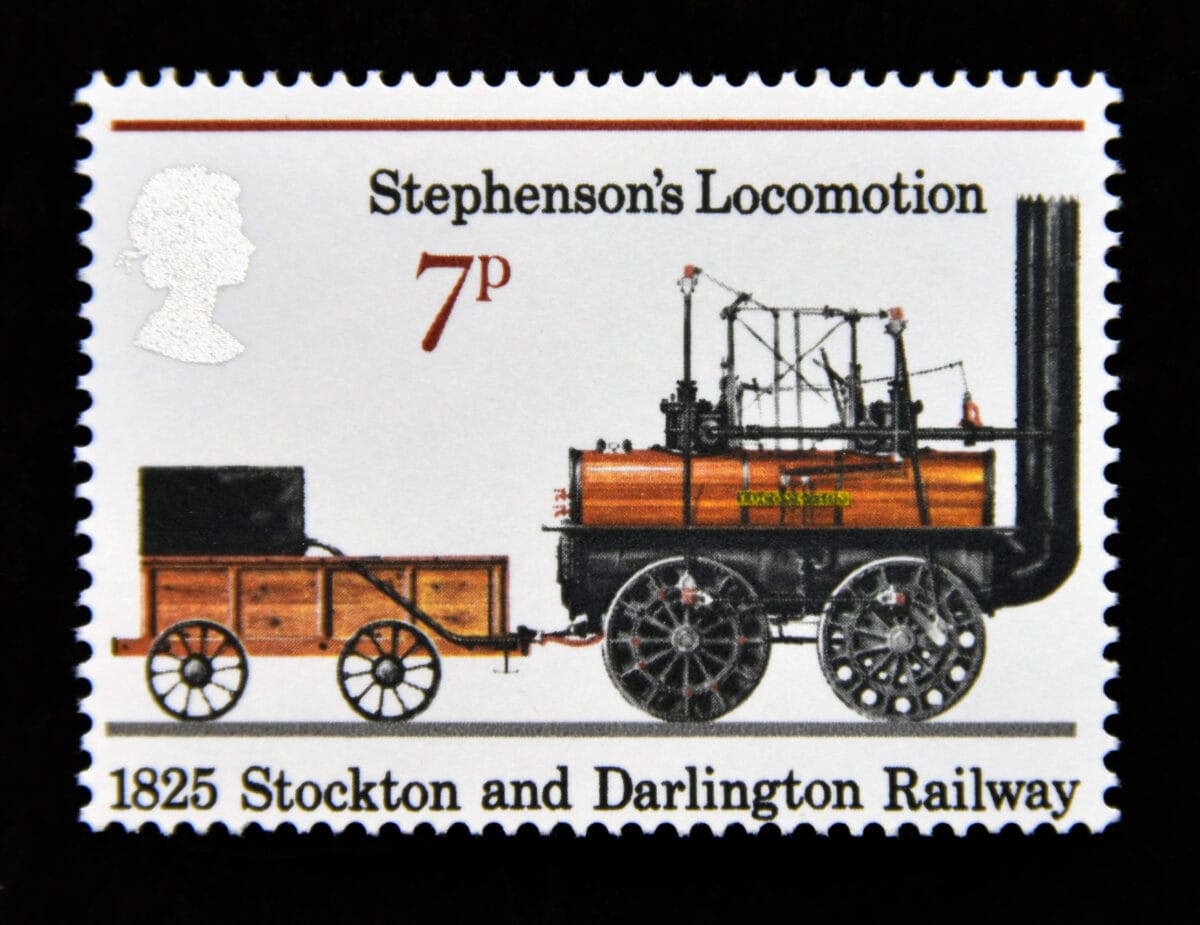
The creation of Hodges' model: "All aboard!" 200 years

28th May 1997
When I interviewed (Mr.) Brian Hodges in Manchester on 28th May 1997, I learned he had created the model in 1983, mainly while commuting to Manchester Polytechnical College by train from (Totley) Sheffield, and back. 

I wish I could have been sat by him, to strike up a conversation. Although (among other points) I'm not sure how much he relied upon, or was chasing down the visual side of the model, with some skethces and drawings. So would I have noticed him thinking, drawing, crossing-out, and labelling? This I would have noticed, not that I have a habit of 'spying' and being nosey. Although nowadays, with the repeated announcements on the trains: ‘See it. Say it. Sorted’; perhaps I should?

In 1983 I was a general student nurse (SRN), and still over a decade away from becoming a community psychiatric nurse in 1985, and being (well) taught by Brian and colleagues in 1987.

I also enjoy a (reliable!) train journey, and used to read a lot travelling from the NW England through the London underground (Euston-Waterloo) to Plymoth, and later to Portsmouth in the 1970s. Happy days, then and today; with the railways reasserting their relevance. A quality shared with a certain little-big model I know.

Individual
|
      INTERPERSONAL    :     SCIENCES               
HUMANISTIC =========================  MECHANISTIC      
 SOCIOLOGY  :    POLITICAL 
|
Group

Rail 200

Nationalised - Private
Private - Nationalised
Charity - CIC


Thursday, September 18, 2025

Nurses - Ask 5 complimentary questions

I received an email from RCNi subject heading - 'Q. What questions are nurses asking?'

An invitation to sign-up and ask five free questions: https://rcni.com/ask 

Question 1

Is there a model of care, or nursing that encompasses the sciences, mental health, sociology and political domains of care?

Several models of care and nursing frameworks integrate diverse domains beyond purely biological aspects, encompassing scientific, mental health, sociological, and even political dimensions. These models emphasise a holistic approach to patient well-being, recognising the complex interplay of various factors in health outcomes.

  • Social Model of Health: This model focuses on salutogenesis, examining what contributes to health rather than just illness, by considering broad social, economic, environmental, and cultural influences on an individual's well-being .
  • Person-Centred Nursing Framework: This framework extends beyond individual biological health to include the person's intricate cultural context, family, spirituality, and life experiences, defining health as encompassing intellectual, social, and spiritual dimensions .
  • Biopsychosocial Model of Care: This approach integrates biological, psychological, and social factors to address a patient's holistic needs, moving beyond the biomedical model's sole focus on physical illness .
  • Dual Registration Degrees: Educational programmes for nurses and social workers combine life sciences with social work principles, law, and policy, preparing professionals to understand factors influencing health, social justice, structural inequalities, and anti-discriminatory practises .
  • Multidisciplinary Team (MDT) Care Model: While not a nursing model itself, the MDT approach enhances patient care by integrating expertise from various professionals, including specialist doctors, nurses, psychology counsellors, dietitians, and pharmacists, to deliver individualised treatment plans and coordinate care .
Modern healthcare increasingly recognises the necessity of comprehensive care models that extend beyond traditional medical approaches. These integrated frameworks, including the social model of health, person-centred nursing, and the biopsychosocial model, provide a foundation for understanding and addressing the multifaceted nature of health, incorporating scientific, mental health, sociological, and policy-related aspects to improve patient outcomes. [Five references provided - hence poor formatting in transfer.]

Question 2

What model of care has the conceptual scope to critique parity of esteem in mental health nursing?

Critiquing the concept of parity of esteem in mental health nursing requires models that move beyond a purely biomedical focus to embrace holistic, person-centred, and culturally sensitive approaches. These models emphasise equality, social justice, and comprehensive care, addressing the historical imbalance between physical and mental health provision.

  • Biopsychosocial Model: This model offers a conceptual framework to critique parity of esteem by considering biological, psychological, and social factors in a patient's health, aiming for holistic needs rather than just biological ones . It contrasts with the biomedical model, which has historically led to paternalistic decision-making in healthcare .
  • Culturally Sensitive and Competent Care: Essential for critiquing parity of esteem, culturally sensitive care requires nurses to appreciate diverse cultures and adopt personalised, flexible approaches to mental health support . Culturally competent care, underpinned by equality and diversity principles, involves behaviours and attitudes that value patients' diverse backgrounds, improving satisfaction and outcomes .
  • Person Centred Care: This approach is crucial for addressing the historical paternalism in healthcare, ensuring patients participate in decisions about their care and re viewed as individuals with unique experiences rather than just labels or symptoms . Recent mental health reforms, such as the Mental Health Bill 2025, aim to embed person-centred and equitable care further .
  • Holistic Care: The Nursing and Midwifery Council (2024) emphasises assessing spiritual needs to provide effective holistic care, recognising that "seeing the whole person supports better care" . This aligns with the biopsychosocial model's aim to meet holistic needs and challenges the organisational and practice divisions between mental and physical healthcare .
Effective critique of parity of esteem in mental health nursing necessitates a shift towards models that integrate biopsychosocial, culturally sensitive, and person-centred approaches. These frameworks are vital for fostering equality, social justice, and comprehensive care, moving beyond traditional biomedical limitations to address the full spectrum of patient needs. [Eight references.]

I'll leave it there. I think. PJ
<>

My emphasis: In the spring I tried to engage and see if I could write a short article about Hodges' model for RCNi. After an online chat and following up by email, Hodges' model isn't for them apparently. It was kindly suggested that I try another journal.

I must improve my prompt writing.
Nurse, you must improve your prompt writing ...

Wednesday, August 27, 2025

Nursing models of care: "There is another"!

It seems Star Wars forums continue to debate the meaning of Yoda's response to Obi-Wan that "There is another". 

The lack of practice-based debate in nursing and health education about 'nursing theory' and 'models of care, confirms that these academia sagas did indeed take place in a galaxy far, far away.

There is, as ever, positive and negative news too. The bibliography in the sidebar keeps growing. I'm hoping for news of additions dropping into the inbox before the end of the year. Not just prospective papers I know about (yes, there is another prospect!), but other work. In a way the latter is even more special. As these sporadics reveal that there are research heroes out there, on their own path and journey of discovery. Finding Hodges' model, they have applied it to their respective field.

Yesterday, searching for 'Activities of Daily Living' (first published in 1980) while writing the DASH post, on BMJ Careers I came across:

'What models do nurses use to guide their care?'

Is that 'models' plural?

Perhaps the response to the question says something about:
  • nurse academia;
  • how our medical colleagues view nursing;
  • and more importantly - their understanding of nursing, the nursing profession, ongoing aspirations and relevance to self , health and social care in the 21st century?
In January, frustrated at the effort that is getting published (a shared experience then) and lack of attention to theory I posted:
The literature trail for Hodges' model is not voluminous, but it is there:
  • as a model of care, conceptual framework;
  • person-centredness;
  • integrated and holistic care;
  • holistic bandwidth
  • SDGs
  • life chances, health career, prevention, life-style and literacies
  • socio-technical approach
  • global health;
  • reflection and reflective practice;
  • critical thinking
  • mind-mapping;
  • concepts, conceptual spaces, threshold concepts
- with much more to do, even in the above.

Please, call this a gentle nudge. Thank you.

Image: http://www.quickmeme.com/

Sunday, December 01, 2024

ii Comparison and Contrasting the Meikirch Model and Hodges' model

Meikirch Model

Quite some time has passed since June 1st and part 1. I don't think this post can wait 18 years like that preceding! It is good to see '(Biologically given) potential' emphasized in the Meikirch Model; and the arrows which refer to:


'Whenever the five components and the ten complex interactions (double arrows) cooperate in a purposeful way, health may result. More specifically, a person is healthy, if by the two potentials she or he is in a position to respond satisfactorily to the demands of life.'


The interactions are explained in more detail. Mental health (illness) is there in 'personally acquired potential', but I wonder if it needs to be more explicit? Although, is this a welcome 'break' from the mind-BODY Cartesian divide and its legacy? A shift that enables a more constructive (less stigmatizing) formulation?

Given the climate crisis and experience of COVID, we can hopefully retain a sense of our individual proximity to the environment and green spaces. The importance of access to 'green spaces' seems to be sustained, even if action on air quality (and plastics in the environment) is still playing catch up with WHO air quality recommendations. The interdependence of nations and geography crystallizes more each month. The need for international cooperation apparent in cities, such as Lahore (1). Pollution and smog in Pakistan depends on what happens in India. Water flows, the how, when and whether is noted as a potential trigger for future conflicts.

Both models, the Meikirch, and Hodges' are of course idealizations. As such there are inevitable limitations, assumptions, pros and cons. Like many concepts, environment is a compound or expansive term. Simultaneously, from a primary meaning, we can proceed from the physical environment, to the social, political and the mental environment that these invoke or foster. 

In the SCIENCES domain of Hodges' model we are in 'a' - the environment. Physical reality presents itself in raw and fundamental terms. Across the world climate change is threatening many homes and places a stress the importance of 'shelter' and the homeless. Natural disasters, and acute local weather events which are now repetitive disrupt life and population. Conflicts continue to displace people, climate refugees will follow: (https://www.unhcr.org/refugee-statistics). Contrast this with the ideals of housing design that is sustainable and also enables occupants and communities to feel the environment. 

'Ecosystem' is being applied in ways beyond its original articulation. This past N. summer-autumn reading and reviewing -

Capra and Luisi's (2014) The Systems View of Life - A Unifying Vision.
(i) https://hodges-model.blogspot.com/2024/09/i-systems-view-life.html

- there was much emphasis on complexity, ecosystems, emergence, education, and obviously systems.

In their model, Bircher and Hahn incorporate Complex Adaptive Systems (CAS).
https://meikirch-modell.ch/wp-content/uploads/2017/12/Health-and-diease-as-CAS.pdf

This is helpful as the ecosystem is transformed, before our eyes. Clearly, there isn't one ecosystem, but several and they are all dynami: even if, outdoor clothing and car manufacturers want us to believe that we can create our own private ecosystem that is trans-portable. Systems are like the whirls in moving water, they come and go. Ironically there are now more opportunities to study them - if we so choose. Now weather events reveal the risks of people trying to sustain these mindsets when a local catastrophe strikes. The website for the Meikirch Model includes the table below. 

Theories Concerning
Health and Disease
Type of thinking Epistemology Means for comprehension
Prescientific Personal experience Intuition
Scientific: Meikirch-Model
Scientific argumentation Rational mind

This is constructive as models should encompass what can be presented as 'knowledge' and from there: data, information, facts, myth, wisdom and folk theory. Intuition is listed as a prescientific 'means for comprehension'. Intuition is highly subjective, in contrast to the (supposed) objectivity of the sciences. Intuition is nonetheless significant in mental health care - psychotherapy, and in truth more generally (interpersonal skills); even if it remains 'unscientific' and an enigmatic phenomena. 

On twi/X and here on W2tQ, I've suggested that the bio-medical, and the biopsychosocial models are inadequate as conceptualisations for healthcare and education. We need to fully encompass the subjective and humanistic dimensions of health care and lived experience, giving more attention, if not credence to 'personal experience'. In England and Wales these past months and to follow our parliament has been debating assisted dying for people with terminal illness. Both sides acknowledge the sorry state of palliative care. Policy and ethics - hence the politics of health needs to be explicit in a model of/for healthcare.

Working in mental health you quickly understand how critical it is being able to relate to others, and  develop therapeutic relationships. Get this wrong, and problems may follow. If interpersonal - communication are essential to a health professional's knowledge then awareness and competence in relational skills are also key. In the past two years or so, I've realised the importance of this for Hodges' model and trying to develop a theory to underpin Hodges' model. I believe that this is a strength of Hodges' model. So we need to extend the table above. 

Individual
   |
      INTERPERSONAL    :     SCIENCES               
HUMANISTIC  --------------------------------------  MECHANISTIC      
 SOCIOLOGY  :   POLITICAL 
|
Group

choice - life style

reasoning - rationality

my literacy - responsibility

mental illness - fear of stigma

intuition / subjectivity


geography - environment

air pollution - smog & plastics

traffic regulation - metrics

Planetary health

'truth' objectivity

community - relationships

culture

social systems

family

social (all) determinants

international cooperation

transparency / accountability

policies - funding

determinants of health

reporting - citizen science


As part 1 started, I will finish with the title of the paper that prompted these reflections:

Bircher J. und Hahn E. G., (2017). Will the Meikirch Model, a New Framework for Health, Induce a Paradigm Shift in Healthcare? Cureus 9(3): e1081. DOI 10.7759/cureus.1081 

The Meikrich model is not alone in seeking to facilitate and deliver a paradigm shift in healthcare; and, at individual, collective, planetary levels, across social care and education and the disciplines - old and new.
 
(1) https://www.independent.co.uk/climate-change/news/pakistan-lahore-air-pollution-schools-shut-aqi-b2640783.html

Wednesday, June 05, 2024

'New' citation of Hodges' model - Kennedy (2019)


This morning an alert from ResearchGate brought news of a further not so new citation of Hodges' model:

Kennedy, Harry G. (2019). National Forensic Mental Health Service (NFMHS) Model of Care. 10.13140/RG.2.2.30103.59041.

I've extending thanks to Prof. Kennedy, and have added the details to the blog's bibliography (in the sidebar). It is not as if Hodges' model played a key role in service design (care architecture?), but it is nonetheless marvellous to achieve this visibility.

This does make me wonder if there are others?

Any further news welcome.

Saturday, June 01, 2024

Comparison and contrasting the Meikirch Model and Hodges' model

Learning of another conceptual framework, which helpfully is also described as a model, there is a website, publications and illustrations (well executed PNGs). Enter, the Meikirch Model:

Bircher J. und Hahn E. G., Will the Meikirch Model, a New Framework for Health, Induce a Paradigm Shift in Healthcare? Cureus 9(3): e1081. DOI 10.7759/cureus.1081

The title of the paper is impressive, and on reflection worthy because we really do need a paradigm shift in healthcare. 

How to achieve universal health coverage and do so sustainably? In turn, how to realise the Sustainable Development Goals, while having regards the dependencies, determinants of health? For Hodges' model this is factored in by Brian (Hodges') recognising the political in situations including health. (SoI would argue that the required paradigm shift extends much further, but more on that to follow.)

Below I will review some of the main arguments, facets, and principles of the Meikirch Model, drawing from their website: https://meikirch-modell.ch


Meikirch Model: Overview

The Meikirch begins with 'demands of life':

"Each living creature has to fulfill the demands life puts on him or her. In man these demands include biological, psychosocial and environmental shares."

From the outset the INDIVIDUAL being - as a living creature (hence animals, flora too?) is highlighted - as per the individual - self, in Hodges' model. Maslow's hierarchy is presented too in stressing the need for shelter to counter the demands of the environment.

I like the way the individual draws upon 'biological given' and 'personally acquired' "potentials". In Hodges' model the individual's interpersonal development, their intellectual abilities, motivation, attitude, personality and more all contribute to a person's self-actualisation.

Demands of life provides the basis for the Individual in the Meikirch model, as per the figure. In the notes the responsibility of the individual in the extent to which they achieve their potential appears to be emphasized. Responsibility extends to:

  • how he or she cultivates the relationship to other human beings.
  • how she or he participates with the life of the society.
  • how he or she deals with the natural environment.
There is acknowledgement of how the biologically given potential can be reduced, and so:
"may compensate their defects to a large part by further developing their personally acquired potential. "
The Meikirch model is "A new concept of health based on science".

For the Individual, an example is given of type 1 diabetes were the person is able to become an proficient in management of their condition, possibly even an expert - and most likely the expert barring complications (infection ...).

I've blogged (I think!)* and Twi/Xed about the old joke (of course, it is not) of the N.H.S. being a misnomer. It really stands for the "National Ill-Health Service". Since drafting this in February, I'm sure I've heard this again on the radio, amid the ongoing UK election process. The website notes how generally:
"The health care system is 'sick'

This sickness results from a concept of health that is blind itself."

It is also not just just the need for change, as stressed by Meikirch; but how to make the transition to health education, promotion and prevention? Meikirch is a marvellous addition to the argument.

Moving further another common component with Hodges' model is the SOCIETY and social determinants in the Meikirch model, Sociology in Hodges' model. As Profs Bircher and Hahn note, relationships are key:
"The social context of a person encompasses the family, friends, acquaintances, schools, employers, including political institutions. Good lively personal relationships in family and social settings promote health. In contrast, burdensome relationships may compromise health. Whoever damages human relationships, exacerbates the development of the personally acquired potential of affected persons including his own."
The role of the law in the social framework is acknowledged, and how anxiety, greed and abuse can obviously impact on an individual's health. This extends from within the family, community, to the workplace; relationships between employees and managers for example.

Helpfully, society is also responsible for the health of (its) individuals. But this also relies upon mutuality with individuals:
"each individual must also contribute his or her part for a proper functioning of the society."
A reference that links the collaborative nature of society with public health:

Johannes Bircher, Shyama Kuruvilla, Defining health by addressing individual, social, and environmental determinants: New opportunities for health care and public health. Journal of Public Health Policy (2014) 35,363-368. (with link).

The ENVIRONMENT makes up the outer-most ring in the diagram. The Meikirch author's connection with Switzerland is evident in the protective examples of avalanche barriers and a natural deficiency of iodine and fluorine. 
"iodization of cooking and table salt and fluoridation of tooth pastes to prevent thyroid diseases and dental caries. Construction of avalanche barriers and of houses resistant to earthquakes also protects health."
Sadly we have seen backward steps in dental services provision in the UK; and recent earthquakes have demonstrated the tragic consequences of lapse building regulation when buildings 'pancake' in a progressive collapse. 

I contacted the authors https://meikirch-modell.ch/en/authors/ but no response has been received.

I will reflect further - adding a table with concepts related to Hodges' model and discuss the table at: https://meikirch-modell.ch/en/model/

Theories Concerning Health and Disease
Type of thinking

Epistemology

Means for comprehension

Prescientific
Personal experience
Intuition

Scientific: Meikirch-Model
Scientific argumentation
Rational mind

Friday, June 02, 2023

(ii) What sort of field is 'nursing'?

Mathematics without Apologies:
Portrait of a Problematic Vocation
Harris quickly differentiates between pure and applied - practical mathematics. Nursing can claim mathematical tenure in being a constant. A constantly problematic vocation for governments worldwide. Temporarily recognised for its criticality, in terms of the population's dependence on nursing by the COVID pandemic. The global nursing workforce while often a political football in its host country, is in intensive care amid demographic change and policy imperatives. 

Neither maths/mathematicsnumeracy, nor arithmetic are indexed in:

If present, such detail might suggest a concept-based curricula approach, but the dichotomies of qualitative-quantitative and subjective-objective work to good effect; performing as per the axes of Hodges' model. Perhaps, there are nonetheless, more similarities between mathematics and nursing than an axial first-glance might suggest?

I've noted (if not lamented) the fall in prominence of nursing theory, models of care in nurse education and practice. Within the corpus of books the phrases are still common in terms of usage:

It seems that 'models of care' are not the sole preserve of nursing and health disciplines. These models are also defined by management consultancies*, care commissioners, economists, philosophers and policy makers. Hodges' model itself can be used to argue this is a legitimate activity, desirable and to be expected. 

An admittedly small sample, but here in NW England student nurses I encounter struggle to recall 'a' model, or theory that has caught their attention. With discussion, they realise they have been to this abstract place before. The attention on models and theory does not appear to match the focus afforded in North America. The political background of national health systems provision, the state of development of health services and systems and education make a huge difference between nursing academia globally, even as we strive to be one-family. 

Harris writes of the quest narrative in mathematics. There are problems solvers and the theory builders in mathematics. Tenured mathematicians seek the 'golden goose'. Hodges' model is the quest here: a golden goose in cognitive form that all can possess with requisite basic literacy and explanation. While as noted in (i) mathematics is a relaxed field (Preface, p.xi), it seems nursing theory is a (largely) deserted field. Ironically, seeking person-centredness, this is where Hodges' model begins - a necessarily conceptually deserted field that offers only structure but with the prospect of unconditional positive regard.

Harris, M. (2015) Mathematics without Apologies: Portrait of a Problematic Vocation. Princeton University Press.

*Reimagining the nursing workload: Finding time to close the workforce gap. https://mck.co/43tMB7v
via @McKinsey [A post may follow.]

See also: 'commissioning'


Sunday, December 11, 2022

There is no need for models of nursing ... they are 'old hat'

'Old hat'

"In nursing, however, its neglect of theorising and its obsession with 'doing' without thought have meant there is no commonly accepted model. Furthermore, the huge differences in the settings and client groups associated with nurses make it impossible ever to arrive at such an all-embracing model." p.51. Alan Pearson.


Since, nurses do think. Psycho-socially they use an implicit model - as we all do.

The health and social care workforce would benefit from a shared model of care, as would the general population as per assessment of literacy and health literacy in particular.

"Most nurses live in communities like Tameside*, where local staff of varied academic, practical and intellectual abilities nurse local people. Thus I would like to emphasise two major points:

  1. Models must be built, described and used in language that is accessible to all levels of nursing staff.
  2. A nursing model which focuses solely on the patient, and neglects or under estimates the nurses themselves and the social backcloth of the hospital and community is of little value. ...

... Elsewhere in this volume McFarlane notes how each nurse carries with her a 'private image of nursing'. One of the steps to creating a working model of nursing is that those private worlds must be brought closer together, to work in common and as a whole." p.40. Steve Wright.


*Tameside is a metropolitan borough of Greater Manchester in England. Hodges' model was created by Brian E. Hodges (Ret. Senior Lecturer) at Manchester Polytechnic College, now Manchester Metropolitan University.

B. Kershaw and J. Salvage (Eds)  (1986) Models for Nursing, Chichester: John Wiley & Sons Limited.

Hat image: https://www.bbc.co.uk/news/uk-england-derbyshire-35243823

This nurse needs to 'think' less, and do, act.
 

Saturday, December 03, 2022

Because we are (still) living in a post-Project 2000 World ...

Hodges' model #h2cm is history ...

Ack. Walsh, M. (1991). Models in clinical nursing: The way forward. London: Bailliere Tindall.

"The emphasis of Project 2000 on community care also has implications for curriculum design, since the way nursing is taught must at least in part be applicable to the non-hospital situation. p.144.

"The power and autonomy of nursing have been under continual attack since 1985 with the Griffiths Report and the introduction of general management." p.148.

"Models act as broad organizing concepts, as philosophies or frameworks of care, and in that sense operate at the large-scale or macro-theory level." p.149.

"Models, therefore, are essential in defining nursing. Only by saying that 'This is nursing' and that only a trained qualified nurse can do whatever nursing consists of will be able to hang on to the domain of nursing. Once that is lost an army of low-paid health care assistants (HCAs) acting as 'basic carers' and 'physician's assistants' can be employed to take over."  p.150.

Figure 1 (p.155)
Sorry about the image quality (will try again)
but hopefully the meaning is conveyed.
" ... we can say that at the macro level of theory different models place differing emphases on areas of the patient for the nurse to explore. Each model also has its own unique philosophy of care. At the micro level, nursing theory remains an independent body of knowledge, applicable under any model of nursing, but which may be implemented in different ways, subject to the approach of that model."
p.150.

"British nursing has been talking for too long about models; it is time to see whether they can be made to work!" p.152.

See Figure 1 - "Perhaps nursing models may be best thought of as subjective views of nursing which by virtue of widespread discussion become generally accepted by nurses, leading to a series of coherent frameworks which have consistent value systems applicable to the delivery of care." p.154.

"The Sir Humphreys of the nursing world are quick to point out that nobody has shown that implementing a model of nursing has improved nursing care. This is true, although nobody has shown that a model makes care any worse either!" p.153.

... it is now and the future too ... [PJ]

Walsh, M. (1991). Models in clinical nursing: The way forward. London: Bailliere Tindall.

Context:

https://www.google.com/search?client=firefox-b-d&q=nursing+project+2000

https://en.wikipedia.org/wiki/Humphrey_Appleby

Monday, January 10, 2022

Reference [ii] "Practice in forensic psychiatry: A proposed interdisciplinary model"

Practice in forensic psychiatry:
A proposed interdisciplinary model

Expanding on the post about a further reference for Hodges' model:

Holmes, D. Perron, A. Jacob, J.D. Paradis-Gagné, É. & Gratton, S (2018). Pratique en milieu de psychiatrie légale: proposition d’un modèle interdisciplinaire. Recherche en soins infirmiers, (Practice in forensic psychiatry: A proposed interdisciplinary model). 134, 33-43. DOI: 10.3917/rsi.134.0033

Here, and on twitter I have sought to stress the limitations of the biopsychosocial model in healthcare, and I value Holmes et al. recognition of Hodges' model as politico-biopsychosocial

The authors also identify the structural nature of the model.


In comparing 'models of care' there is the question of whether Hodges' model is a model of care. As a generic conceptual framework Hodges' model can of course be used in the health care (as per its original design and creation) but it can be used to compare models of care.

Below, translated by Google are the models used in the paper.

I have altered the listing bringing the Tidal and Recovery model s together. Some I've 'mapped' in pairs, using formatting to indicate the differences.

Tidal Model

"The Tidal Model is a humanistic nursing model of recovery developed by Barker (12) with the premise that the person with mental disorder has strengths, abilities, personal priorities and a future ahead (13). This model of care, popular in forensic psychiatry circles, recognizes certain deficits of the hospitalized patient but it is especially interested in the meaning that the latter attributes to them. The sick person is the expert in his life and is therefore the one who contributes the most to his own recovery. This nursing perspective is therefore centered on the phenomenological experience (lived experience) of the patient and on the role of the staff, which is to allow healing and restore hope (12,14)."  

Recovery Model

"A popular model in mental health care, the recovery model is increasingly gaining ground in psychiatric care settings (28). The postulates of this humanistic model state that anyone, including those suffering from mental disorders, can aspire to a fulfilling future, participate in rewarding and inspiring activities, self-determination and finally, be able to live in an environment free of stigma and discrimination (29). The peculiarity of this model lies in the fact that recovery is part of a process where the person with mental illness can continue to show symptoms while being able to adapt to their condition (often chronic) and pursue their goals. life (30)."
Individual
|

INTERPERSONAL : SCIENCES
humanistic ------------------------------------------ mechanistic
SOCIOLOGY : POLITICAL
|
Group

recovery
strengths, abilities, personal priorities
deficits
healing and hope
phenomenological -
(lived experience)

personal responsibility
fulfillment - life goals
patient as expert
personal adaptation
living with x,y,z...
coping strategies

place as context
my future
deficits
signs - symptoms
chronicity
Institutional settings
clinical - hospital


humanistic - human qualities
social expectations
social contribution
participation - social inclusion
free from stigma
deficits

Institutional settings
politics of recovery
free from discrimination
forensic
deficits

<>

Integrated Practice Model

"This model was developed by Virginia Lynch, a pioneer in forensic psychiatry, and it guides the role of practicing staff in this care setting (15). There are three main theoretical foundations: 1) the fields of expertise involved (nursing, criminal justice and forensic science), 2) the health system (victim and offender, health care and forensic nursing ) and 3) the social impact (social sanction, human behavior, crime and violence) (16). According to this model, patients should be cared for using an interdisciplinary and holistic approach (15)."
Individual
|

INTERPERSONAL : SCIENCES
humanistic ------------------------------------------ mechanistic
SOCIOLOGY : POLITICAL
|
Group
nursing
forensic psychiatry
2. health system
interdisciplinary
holistic

OFFENDER

nursing
theoretical foundations
forensic science
1. fields of expertise
2. health system
interdisciplinary
holistic


VICTIM

role of practitioners
2. health system
3. social impact
(
social sanction,
human behavior,
crime and violence)


criminal justice
2. health system

<>
Model of Nursing Interaction

"This model of care includes six categories of forensic nursing interaction with the goal of establishing a relationship with the patient: establishing and maintaining a relationship (relationship based on honesty, respect and trust), encouraging and support interactions (help the patient to recognize his qualities and use his resources), the learning of social skills (encourage the patient to do social activities and talk to others), reality orientation (help the patient patient to be aware of his way of being and of acting), reflective interactions (the perception of the patient and his problems) and the learning of practical skills (encouraging the patient to develop good lifestyle habits) ( 17,18)."


Individual
|

INTERPERSONAL : SCIENCES
humanistic ------------------------------------------ mechanistic
SOCIOLOGY : POLITICAL
|
Group

patient qualities, resources

reflective interaction
self-perception of problems
reality orientation
awareness of way of being and of acting

practical skills
develop lifestyle skills


reality orientation

learn social skills
develop lifestyle skills encourage social activities
talk to others

encourage and support interactions
reality orientation
perception of patient and problems
<>
Healthy Living Program

"This model was developed in response to metabolic syndrome and physical illnesses that may develop in people with severe mental illness (19). It includes programs related to health promotion activities such as weight reduction, smoking cessation, physical exercise, etc. It is a voluntary approach that not only improves physical health, but also independence and recovery. For the program to work in the institution and to fit into its organizational culture, the approach must be flexible and systematically maintained by the entire interdisciplinary team."

[ PARITY OF ESTEEM ] 
mental health - metabolic syndrome physical illnesses
Individual
|

INTERPERSONAL : SCIENCES
humanistic ------------------------------------------ mechanistic
SOCIOLOGY : POLITICAL
|
Group
independence
recovery
voluntary approach

(physical) health promotion activities such as weight reduction, smoking cessation, physical exercise,


independence
recovery


voluntary approach

for program to work in the institution and to fit into its organizational culture, the approach must be flexible and systematically maintained by the entire interdisciplinary team

<>
Holistic Model

"This model is used in forensic care in the assessment, health care and psychotherapy of patients with personality disorder (22). Holistic care includes the physical (diet and exercise), cultural, spiritual, and psychosocial needs of the patient. This model is based on problem solving, anger management and decision making. Caring is a central concept in the holistic model and is actualized in an emotional, psychosocial, constant and authentic caring response (23). It is for caregivers to be present for the patient, to respect his situation, to understand his experience and to demonstrate a desire to help."

Individual
|

INTERPERSONAL : SCIENCES
humanistic ------------------------------------------ mechanistic
SOCIOLOGY : POLITICAL
|
Group
holistic care
personality disorder
[mental] health care
psychotherapy
assessment
emotion
problem solving, anger management
decision making
actualized

psycho-


holistic care
'caring'
assessment
diet, exercise
health care
'being present'


-social

culture
holistic care
'being present'
constant and authentic caring
understand person's experience
respect person's situation
desire to help


forensic care
holistic care

desire to help
(also exemplified in the organisation?)

<>
Good Lives Model

"This model focuses on the offense committed by the mentally disordered offender, his recovery, the promotion of personal goals, the reduction of the risk of reoffending, and the treatment of mental illness (24,25, 26). The model favors an approach based on the strengths of the patient. In addition, mechanisms of change are present, that is to say that behaviors judged to be poorly adapted are replaced by adapted behaviors when the patient is equipped with the skills, resources and support provided by the nursing staff. This model contextualizes the offense, focuses on the symptoms of mental illness while conceptualizing both as inappropriate behaviors.This model helps to better understand the relationship between mental illness and crime in order to create an individualized plan of care."
Risk-Need-Responsivity Model

"This model (27) imported from the correctional environment was adapted to the psycho-legal context by the addition of the “mental illness” dimension. It was developed primarily to reduce the risk of recurrence. Care interventions are geared towards the identification and treatment of criminogenic factors. This model is based on three major principles: the risk principle (granting the highest level of resources to the group most at risk of crime), the needs principle (identifying dynamic criminogenic risk factors and targeting them in treatment) and the principle of receptivity (adjusting programs according to the characteristics of the person: learning style, motivation, strengths, etc.) (24,25)."
Individual
|

INTERPERSONAL : SCIENCES
humanistic ------------------------------------------ mechanistic
SOCIOLOGY : POLITICAL
|
Group

mentally disordered (diagnosis)
recovery

characteristics of the person learning style (evidence?)
motivation, strengths
3.
principle of receptivity treatment: skills, resilience
personal goals
“mental illness” <-> crime

recurrence
individualized plan of care


1. risk principle ->
resource allocation

recurrence

treatment
2. dynamic criminogenic risk factors 
support of nursing staff


treatment
[social determinants?]
mechanisms of change
adapted behaviours
inappropriate behaviours
recurrence

offense
reoffending


correctional environment
contextualise the offence
treatment
principles [policy]

recurrence

<>

Hodges' Health Career Model

"This model has a politico-biopsychosocial structure which is consistent with contemporary interdisciplinary practice (20); that is, it relies on a multidimensional critical approach, incorporating writings in sociology and politics, in order to understand the person in context. It is based on four objectives: measuring learning, providing holistic care, supporting reflective practice and closing the gap between theory and practice (21). This model is applicable in various clinical situations in a psycho-legal context. When this model is used as a frame of reference, it emphasizes the role of caregivers who must meet the patient's needs and focus on their problems. It also serves as a guide to assess and provide assistance to the patient vis-à-vis their physical, psychological and social needs as well as with the justice system in order to promote their recovery. The theoretical foundations call on four sources of knowledge: interpersonal, scientific, sociological and political (21)."

The PERSON in Context 

(situated)

Individual
|

INTERPERSONAL : SCIENCES
humanistic ------------------------------------------ mechanistic
SOCIOLOGY : POLITICAL
|
Group

INTRAPERSONAL
INTERPERSONAL
reflective practice
conceptual structure

psychological needs

measure of learning

psycho-
SCIENTIFIC

physical needs

theory-practice gap


SOCIOLOGICAL

reflective practice
(develop self-awareness)

social needs

practice-theory gap

POLITICAL
justice system (needs)


-legal

[ all embedded within the SPIRITUAL ]

Not just 'problems' Hodges' model can incorporate any desired stance, perspective or philosophical approach - strengths, disease, skills, weaknesses or deficits, psychosocial for example.

I am not sure about explicitly 'measuring learning, but the model can be used by learners and teaching staff / mentors to demonstrate their understanding and justify their output - formulation.

There is an instrumental potential in Hodges' model as a whole. Hodges' model can illustrate the degree of holistic intent - whether this is realised could also be indicated using the model.

Once again I am grateful to the authors for their inclusion of Hodges' model. The reference is listed in the blog's bibliography (please see the sidebar for others) which includes:

Doyle, M., Jones, P. (2013). Hodges’ Health Career Model and its role and potential application in forensic mental health nursing. Journal of Psychiatric and Mental Health Nursing. 20, 7, 631-640.
http://onlinelibrary.wiley.com/doi/10.1111/j.1365-2850.2012.01961.x/abstract

Jones P. (2014) Using a conceptual framework to explore the dimensions of recovery and their relationship to service user choice and self-determination. International Journal of Person Centered Medicine. Vol 3, No 4, (2013) pp.305-311.

See also on W2tQ (with overlap):

https://hodges-model.blogspot.com/search?q=forensic

https://hodges-model.blogspot.com/search?q=justice

https://hodges-model.blogspot.com/search?q=interdisciplinary