Hodges' Model: Welcome to the QUAD: humanistic

Hodges' model is a conceptual framework to support reflection and critical thinking. Situated, the model can help integrate all disciplines (academic and professional). Amid news items, are posts that illustrate the scope and application of the model. A bibliography and A4 template are provided in the sidebar. Welcome to the QUAD ...

Showing posts with label humanistic. Show all posts

Wednesday, September 16, 2026

Philosophical Counselling Reading Group [and Hodges' model]

The discovery of a reading group on philosophical counselling (PC), through University of Liverpool, continues to prove helpful; to utilise professional experience, that included counselling, family therapy, cognitive therapy in psychoses, and practical experience as a mental health nurse (in-patient and community). There is overlap with Hodges' model, but it's fascinating and rewarding to listen and learn from practitioners of PC. As noted before, I was aware of PC through two popular philosophy magazines. This time around we read:

Ran Lahav, “Philosophical Counseling and Self-Transformation,” in Philosophy, Counseling, and Psychotherapy, eds. Elliot D. Cohen & S. Samuel Zinaich, Jr. (Newcastle upon Tyne: Cambridge Scholars Publishing, 2013), 82.

Abstract

This paper presents my approach to philosophical counseling, which is geared towards self-transformation, and is inspired by important thinkers throughout the history of Western philosophy whom I call transformational thinkers. I take from these thinkers the realization that our daily life is normally confined to rigid and superficial attitudes towards ourselves and our world. This is because individuals’ everyday attitudes are based on limited understandings of life, which form what I call the person’s perimeter, or perimetral worldview. The goal of philosophical counseling, as I see it, is to help counselees transcend their constricted perimetral worldview, or in the language of Plato – to realize that they are imprisoned in a “cave,” and then to step out of it towards a fuller reality. A case study is presented to illustrate the two main stages of the counseling process. 

I know there is the (biblical) phrase 'Seek and you will find'; but there is also the notion of seeing only what you seek, and missing other content - contexts. This is marked in beliefs and the development of delusional ideas. 

Of interest to me, Lahav discusses (as indicated above) a person’s perimeter, or perimetral worldview. 

We still hear how difficult it is for people to access help. I wondered (again) about referral pathways for PC? The nature of the person's problems that prompts them to seek help? Lahav acknowledges the complexity here. Speaking of 'prompt', of course now there is AI in the mix. Lahav points out how PC does not quite have the foundation and hence theoretical impetus (and rigour?) that Freud provided to psychoanalysis and psychotherapy. 

PC is, however, to some extent a broad field: '... philosophical practice has come to include several different formats in which it is practiced: one-time workshops for the general public, philosophical retreats, long-term self-reflection groups, the philosophical café, and of course philosophical counseling'. 

I wonder if philosophical counsellor's could have a role, post AI / agentic ai interventions. This could provide a step-down assurance, and be rolled into 'treatment / intervention programmes'. This could help retain the humanistic element of duty of care, underscore the person_al in care architectures/systems and provide a step-down - just in-case AI has missed, or upset something? The acknowledged strength of AI in not being subjective is balanced. Although evidence also points to misogynistic responses derived through what can be biased, and prejudiced learning sources: thus a reflection of 'society'.

In the introduction, more encouragement with reference to situated, a general map, and basic - fundamental aspects. There are (at least) two domains: 'the domain of philosophical discourse and the domain of everyday life and predicaments'. 

Hodges' model was created to facilitate the FIRST approach in PC, the Critical Thinking Approach, with an associated subtype of Problem-Solving Approach. 

It was also designed to help with the theory-practice gap. Lahav describes this in the how and what of philosophy and PC itself. I wondered to what extent if the approach of PC 'leave out the more important “what” of great philosophies.' then would a counselee be denied avenues to learning, as we may be drawn to specific philosophical schools of thought, and crucially reasoning?

The SECOND approach to PC is the Edification Approach. The author has adopted this second approach in practice.

Guess what? Yes, you've got it. Hodges' model can actually close a circle here. Or, more accurately help sustain the reflective, reflexive, recursive ... reasoning loop as needed. Another objective of Hodges' model is to produce reflective practitioners, critical thinkers and lifelong learners.

A take-away for me is the 'perimeter and the perimetral worldview'. A search for 'perimeter' here on W2tQ is null.^ I'm also wondering about transformation (in the title) and throughout the paper.

There may be an example here were a domain of Hodges' model can itself reflect the model, as in the Intra- Interpersonal domain below.

Lahav employs a case study to illustrate his thought and practice. The discussion really helped improve my reading and understanding of this.

individual
|
INTERPERSONAL
: SCIENCES             
humanistic ------------------------------- mechanistic
SOCIOLOGY : POLITICAL   
|
group

Psychology   | Philosophy(-isms)
________________________________
Psycho-Social|  Psychotherapies 

basic - fundamental

general map


case study

referral pathways

^'Peripheral' does feature in posts.

Monday, April 06, 2026

What! Nursing reduced to objects! Do you realise what you're saying?

Wittgenstein to the rescue?

Revisting a theme, and while it is not new - as in use of objected oriented approaches in health informatics; as a nurse, to suggest there's a need to view the elements of care systems as a series of objects surely runs counter to nursing's theory, practice, professional standing and values.

Or, does Wittgenstein come to the rescue in his 'Tractatus Logico-Philosophicus'?

'2.01231 In order to know an object, I must know not its external but all its internal qualities'.

[My emphasis - and as ever high degree of selectivity.] 

In reading 'internal qualities' I can equate internal with a person; and qualities with subjectivism, what is inherently seen as humanistic, a set of characteristics, and properties. Can it be argued that in the context of healthcare and person-centredness we can also take 'internal' as potentially referring to what happens in the mind, an individual's mental life, for example? This can be applied physically too. To bodily properties, which ultimately are internal genetically, and influenced by - expressed in-part - by the external environment.

While I sort books, creating space, there is the small matter that Wittgenstein walked away from philosophy after the Tractatus was published. Then, realising he had not answered the questions concerning human language and reality, he returned to Cambridge and his studies, with Philosophical Investigations published after his death.

Does this invalidate the thoughts above?

Another post to follow drawing from the Tractatus. 

Previous posts:

Reflection: programming and caring II

Abstract [working] Hodges’ model as a mathematical object, a lens for social care and inclusion: category theory or category mistake?

Person to object: Surely you're joking* ...!

Tuesday, March 17, 2026

Be careful - the laws you wish for ...

INDIVIDUAL
|
    INTERPERSONAL    :     SCIENCES               
HUMANISTIC --------------------------------------  MECHANISTIC      
SOCIOLOGY  :   POLITICAL 
|
GROUP


LETHAL AUTONOMOUS 
WEAPON SYSTEMS


laws


Reminder: The FT View, Iran and the rising perils of AI in warfare, FTWeekend, 14-15 March, 2026, p.10.

Friday, February 13, 2026

{ Humanise } ARChITECTURE

INDIVIDUAL
|
    INTERPERSONAL    :     SCIENCES               
HUMANISTIC --------------------------------------  MECHANISTIC      
SOCIOLOGY  :   POLITICAL 
|
GROUP


ARChITECTURE


Humanise.org


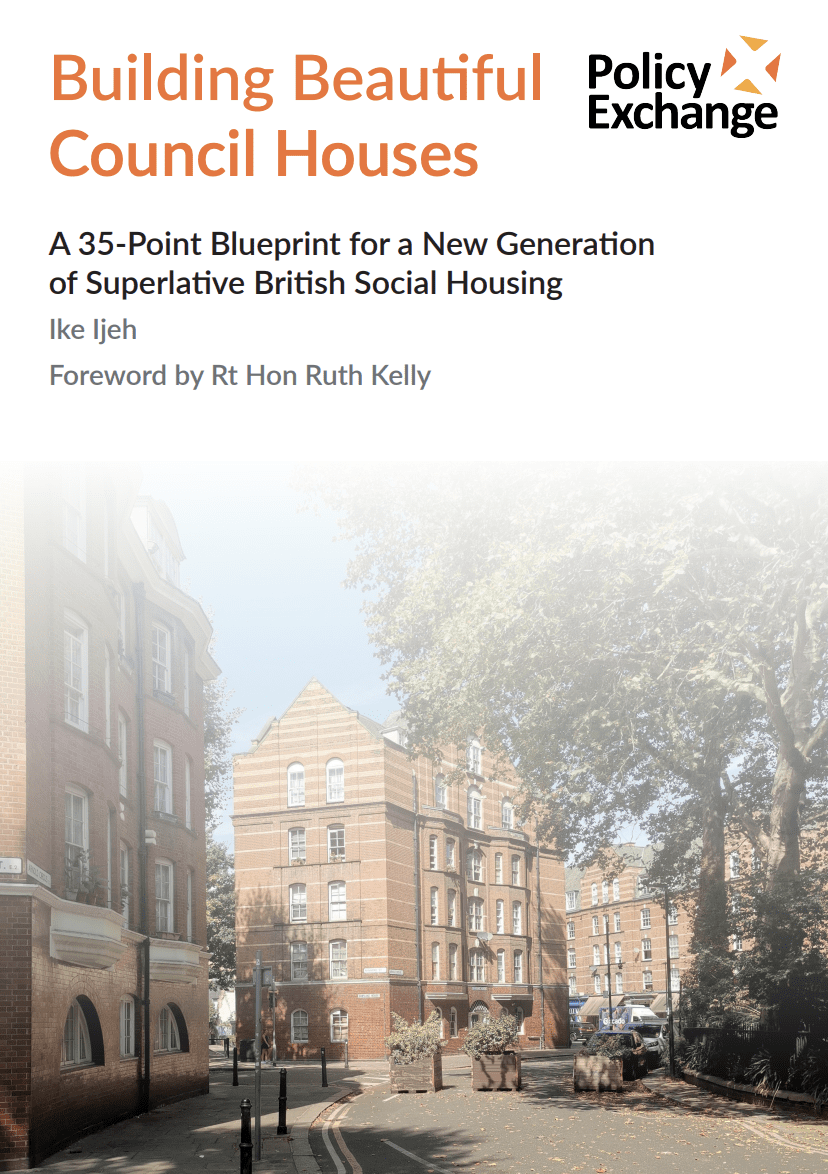
My source: Francesca Specter, Which is the fairest of them all? House&Home, FTWeekend, 11-12 October, 2025. pp.1-2.  

Spector refers to the Policy Exchange publication above, and other works:

McAdams P, Svobodova S, Newman T-J, Terry K, Mather G, Skelton AE, et al. (2025) The edge orientation entropy of natural scenes is associated with infant visual preferences and adult aesthetic judgements. PLoS ONE 20(2): e0316555. https://doi.org/10.1371/journal.pone.0316555

Valentine, C.; Wilkins, A.J.; Mitcheltree, H.; Penacchio, O.; Beckles, B.; Hosking, I. Visual Discomfort in the Built Environment: Leveraging Generative AI and Computational Analysis to Evaluate Predicted Visual Stress in Architectural Façades. Buildings 2025, 15, 2208.
https://doi.org/10.3390/buildings15132208

Calder, B. (2016). Raw Concrete: The Beauty of Brutalism. London: William Heinemann. 

Previously: 'housing' : 'homeless' : 'architecture'

Tuesday, January 27, 2026

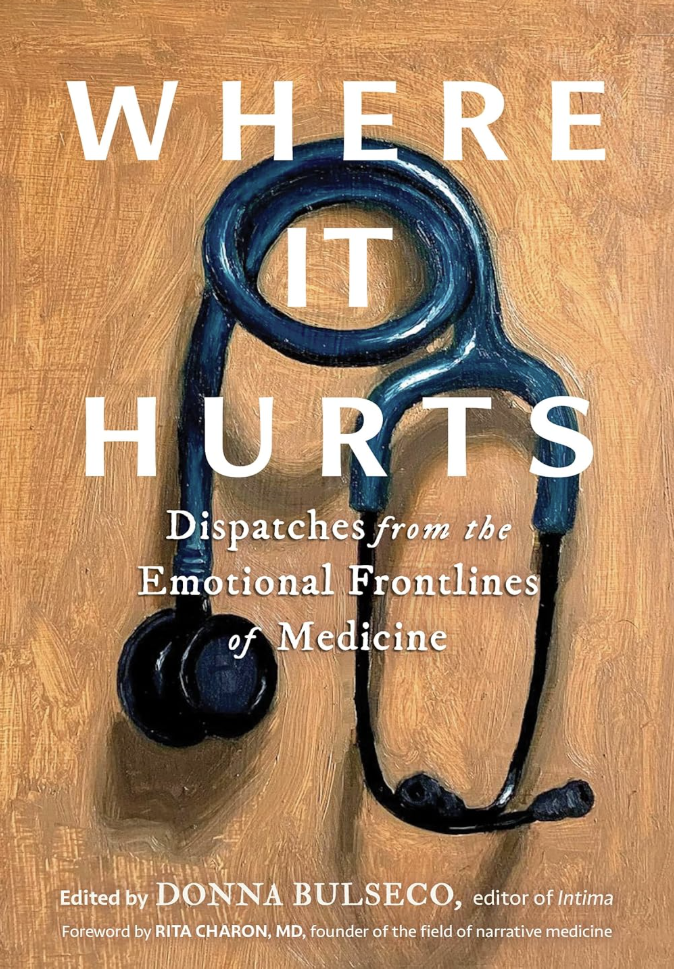
c/o Intima 'Reflect on the World' . . .

CARE/of Intima:

REFLECT ON THE WORLD WITH US EVERY FRIDAY AT NOON.

No pressure, but we want to remind you that every Friday, around noon EST, we post a Crossroads blog—a short reflection that contributors from our current issue do on something from our archives.

Think of “Friday at noon” as a blip in your busy life where you take time to yourself to reflect on our small part of the universe. Pause and spend 5 minutes reading one each Friday — it’s the equivalent of a deep-breathing exercise, a short yoga stretch, a tiny palate cleanser of lemon sorbet between the complex courses served up to us every day, or a moment stolen between patients or in a waiting room when you step out of your routine. Read the titles of recent ones below, then go and read a few. If you like what you read, set up a reminder alert.

◇

INDIVIDUAL
|
    INTERPERSONAL    :     SCIENCES               
HUMANISTIC --------------------------------------  MECHANISTIC      
SOCIOLOGY  :   POLITICAL 
|
GROUP


My source: Intima (and image) - mail list.

See also: 'reflect' : 'crossroads'

Saturday, November 29, 2025

If "mechanism-based approach to theorizing offers an encompassing way ...

... to think about social and ecological phenomena":

What if there was a model that could encompass 
mechanism-based and humanistic-based theorising?

'A core challenge of studying ecosystems and societies as one system is integrating social and ecological theorizing. Although the social and the ecological intertwine in multiple ways, much traditional theory focuses on one or the other (Schlüter et al. 2022). Despite good intentions, attempts for integration are often only partially successful. One reason for this is the apparent incommensurability of methodological and theoretical approaches. However, the mechanism-based approach to theorizing offers an encompassing way to think about social and ecological phenomena by framing them in terms of entities and their interactions. Mechanism-based theorizing has been gaining popularity in science philosophy (Machamer et al. 2000, Craver 2007, Glennan and Illari 2017), including social sciences philosophy (Elster 1989, Hedström and Swedberg 1998, Hedström and Ylikoski 2010) and philosophy of ecology (Pâslaru 2017, González del Solar et al. 2019). It has helped to resolve many traditional problems related to scientific explanation and it is consistent with the way in which social and natural scientists talk about theorizing, causation, and explanation.'


Fig. 1. The social-ecological expansion of Coleman’s diagram.


Martínez-Peña, R., & Ylikoski, P. (2024). Coupling social and ecological mechanisms with the Coleman boat. Ecology and Society, 29(4). https://doi.org/10.5751/ES-15209-290406

See also: 'micro' : 'macro' : 'Bunge'

Monday, November 24, 2025

Working title: 'Can Hodges’ model provide a foundation for a mathematically informed ...

... epistemology and relational ontology? Part 1'

Abstract

Aims: To begin a process of examining a ‘model of care’ and conceptual framework known as Hodges’ model as a mathematical object. This paper examines the structural elements of this model, its axes and domains through a formal, logical and mathematical lens. To establish the extent to which a combined relational understanding and mathematical approaches can provide avenues for further research.

Design: This study adopts the design of a two-part exploratory and descriptive paper, using an inquiry-based approach throughout.

Methods: The method is interdisciplinary, descriptive, and involves conceptual analysis. Rather than Hodges’ Model acting as a model of, and for care, here the model is used to investigate how health and social care can be better conceptualised. The question is: What is the result when Hodges’ Model is treated as a mathematical object? Here, Hodges’ model is used as an inquiry-based model with reflection and critique.

Results: Readers will see the development of ideas, driven by the structure of a model of care, existing taxonomy defined by nursing theory, associated with foundational mathematical concepts.

Conclusion: The questions introduced and deliberated here will identify avenues for further study. And highlight Hodges’ model to other researchers; less familiar with Hodges’ model, and yet more skilled – adept mathematically.

What does this paper contribute to the wider global clinical community?

Re-assert the importance of theory development in nursing and health disciplines.

Draw attention to the relational (and reflexive) potential of Hodges’ model and in healthcare to abstract the collective dimensions of healthcare, especially those that are political.

Given the problems faced in the century to follow, e
ncourage researchers within and without healthcare to further develop these ideas.

Impact:

Extend the relevance and scope of mathematical abstraction, in healthcare disciplines and the humanities, beyond statistical analysis.

This paper confirms: the conceptual utility of Hodges’ model; the challenge of requisite mathematical skills; the need for interdisciplinary cooperation.

Theorists in health and social care, policy makers and researchers seeking to apply mathematical techniques, especially category theory in the social science may find this work helpful and encouraging.

Reporting Method: N/A

Patient or Public Involvement: This study did not include patient or public involvement in its design, conduct, or reporting.

Keywords: nursing, theory, relational ontology, health, Hodges’ model, 
mathematics

Saturday, November 15, 2025

Subjective-Objective: Thinking of Holistic Cake and Eating it

'Our natural awareness of our own activities is holistic. We experience ourselves as embodied beings, complete organisms, directly perceiving physical objects, making choices, engaging in conversation with other people. The attempt to split the human being into a combination of immaterial self and physical body makes a coherent account of these processes impossible. As Heidegger says, “The ‘scandal of philosophy’ is not that this proof has yet to be given, but that such proofs are expected and attempted again and again.”35 Given the Cartesian conception of the “real world”, organisms are “really” mechanisms, while “choices” and “actions” have no place in a world where there are only events, subject to the laws of mechanistic cause and effect. The whole person becomes a metaphysical oddity, straddling two incompatible metaphysical realms.

A theoretical framework that renders the previously straightforward inherently problematic is by no means an unequivocal advance. Materialist authors have attempted to “solve” this problem by denying the reality of the subjective side of the Cartesian picture, replacing his dualism with radical metaphysical reductionism.36 Such authors insist that the “objective” world (still understood as something devoid of phenomenal properties, containing only causes and effects as understood in reductionist science) is all there really is. On this view, we do not have to bridge the gap generated by Descartes, between the subjective and the objective features of human life, because the objective features are the only ones that exist.' p.20.

individual
|
INTERPERSONAL : SCIENCES
humanistic -------------------------------------------  mechanistic
SOCIOLOGY : POLITICAL
|
group-population

My Mind
Subjective

My Body
Objective


Mitchell, D., Loughlin, M. (2023) The philosophy of person-centred healthcare, Cambridge: Cambridge Scholars Publishing. https://cambridgescholars.com/product/978-1-5275-9058-8/


Previously: 'Descartes' : 'mind' : 'body'

Sunday, June 01, 2025

RCN Congress 2025 iv - AI & quality improvement

Discussion: Artificial intelligence in nurse education &
Discussion: The role of nursing staff in quality improvement


We'll cover two agenda items in this post. First, resistance is futile in the apparent rise and ubiquity of artificial intelligence.

Discussion: Artificial intelligence in nurse education

Here is, another thing 'we need to get right'. Without checking, I'm sure I posted/tweeted about 'essay factories'. Now Generative AI has put the automated generation of academic essays on steroids. If a student is not motivated to learn, enthusiastic about their seemingly chosen course of study and the professional reward to be earned, then we are in trouble. Public and patient safety are at risk. AI, is however is here to stay - change and help us prosper(?). AI and GenAI are tools, just another step forward, an advance on finger tips, palms, stick, chalk, pencil, and pen. The brief for the discussion includes, with specific points emboldened:

'... Additionally, AI-driven simulations and virtual reality scenarios can provide hands-on experience in a controlled environment, enabling students to practice and refine their skills with greater confidence. 

Creating an engaging and supportive learning environment is key to helping nursing students embrace AI. HEIs can introduce AI concepts early in the curriculum and provide ongoing training and resources. Encouraging collaboration and open discussions about the benefits and challenges of AI can further enhance students' confidence in using these tools.

By taking these steps, nursing education can seamlessly integrate AI, ensuring future nurses are equipped to excel in an evolving health care landscape.

To effectively integrate AI into nursing education, RCN Wales, for example, advocates for higher education institutions (HEIs) to equip students with the skills to continually enhance their digital and biotechnological literacy, ensuring they meet their programme outcomes.

HEIs can incorporate regular assessments and feedback mechanisms to monitor a student’s progress and determine where AI tools add the most value.' . . .

Computer-aided learning has matured greatly since the 1980s and 1990s. AI and GenAI mark the seeming leap in progress over the past two years, with governments, professional bodies and society having to adjust and quickly. We need to watch how simulation, and virtual reality and other approaches to learning are applied, to assure the quality, safety and learning experience provided to students. There appears to be a risk in mental health nursing curricula being 'diminished'. Interpersonal skills are critical in psychiatric and psychological care. This might afford the advocates of technically-laden solutions to side-step the nuances of face-to-face human interaction. Amid the pursuit of what is mechanistic, let us value the humanistic also.

The biotechnical, is one a several literacies to keep sight of. AI, is of course bound up in bio-political concerns, that are still emerging. The 'health care landscape' is plural too: consider the patient's home, a ward, out-patient department, e-consultation, e-learning intervention, brief psychotherapy, occupational health, carceral care, and field hospital, veterans, migrant - refugee health and the homeless.

There's more, and references and a reading list are also provided on the above link.

'Quality improvement is about making a difference to patients by improving safety, effectiveness, and experience of care.

All nursing staff should have the abilities and support to become involved in addressing health care pressures, utilising their expertise in the profession as leaders, not only in care delivery, but also within the system. However, the work of nursing staff to deliver quality improvement is often limited to opportunities that are dependent on staffing, seniority and availability. 

Nurses’ willingness to attend training is often superseded by patient demand making attendance impossible. Other health care colleagues undertake work on research and service improvement alongside their role and as a requirement for their revalidation, this is not the case for nursing staff who don’t get these opportunities.

Consider the benefits of the nursing workforce undertaking quality improvement, conducting local research, reorganising working environments, translating or updating patient materials, trialling novel approaches to care or addressing health inequalities. These skills would not only improve the quality of care we provide but also prepare the nurse to influence and change systems throughout their career.

This is relevant UK-wide. Scotland's 2030 vision for nurses, states an intention to equip nurses with quality improvement tools and support, but only nurses in non-hands-on roles. NHS Wales offers quality improvement training through e-learning  via the ESR to health care professionals, in Wales. In Northern Ireland training is available, but only for Band 7 and above.'

What is the role of all nurses to get involved in quality improvement?'


There is a point with IT security that if it was 100% assured with all the prospective log-ins of an average user, would we ever get any 'real' work done? Does the same apply to research? I have heard this as an argument in practice; and a response to a drive for quality improvement too. Data takes time to collect, especially to answer new questions. Such arguments were also fielded when models of nursing were spoke of with eye-rolls and sighs of experience. Quality improvement is a fight, opportunities and resources can be found, especially if a culture of research is nurtured and sustained. What questions does a ward, unit, team have currently? What queries might new starters, newly qualified, students, and placement candidates provoke? If my reference to fighting seems strong; the fight is for time. The raw truth is in the NHS that quality improvement, research and supervision (in its various forms) are in competition, in the absence of coherent integration.

In bold above, the discussion includes:

'trialling novel approaches to care or addressing health inequalities'.

I wonder what that springs to mind? More seriously, we need be aware of what happens to 'quality'; in whatever educational form it is encountered and experienced. 

individual
|
INTERPERSONAL : SCIENCES
humanistic ------------------------------- mechanistic
SOCIOLOGY : POLITICAL
|
group

interpersonal skills

informal / formal education
QUALITY
lifelong learning

biotechnical

landscape

quality improvement - clinical supervision?
inequity

social preparedness for AI/GenAI


management supervision?


Monday, May 26, 2025

Variety really is the spice of Hodges' model

In the previous post - RCN Congress iii 2025 Accountability for patients in ambulances I wrote of how corridor care has become variegated, as it is bound to, in a system(?).

Variegation means difference, and yet in organisational accountability, there should be reliance upon a procedure, if not a standard operating procedure. The experience of individual patients should be nuanced, standardised and yet catering for individual differences.^ The resolution at congress was questioning the need for guidance amid legal ambiguities.

This is also helpful in two senses. 

  1. In exploring ways that Hodges' model might help encompass and explain the dual character category*, [or other, or not] as may apply to person-centredness and service-centredness?
  2. Plus, (and potentially confusing for me) in seeking a basic understanding of dual categories in a mathematical sense.

* Book review iii: 'Categories we live by'

from the above post:
Knobe J, Prasada S, Newman GE. Dual character concepts and the normative dimension of conceptual representation. Cognition. 2013 May;127(2):242-57. doi: 10.1016/j.cognition.2013.01.005. Epub 2013 Mar 1. PMID: 23454798.

^This highlights a quality of what it is to care/and caring. It relies upon relationship building, the nurse getting to know the patient, person and vice-versa (to a degree) as befits the emergence of empathy, rapport, generation of trust; and the nurse's ability to anticipate not only care needs (that arise from direct observation), but those that are unique to the patient as an individual. In the previous post which mentioned corridor care, the physical, emotional, social and political environment is not established. Noise, on several levels stymies care, disrupting communication and interpersonal skills - even presence and touch - amid the chaos of the corridor. 

Wednesday, April 02, 2025

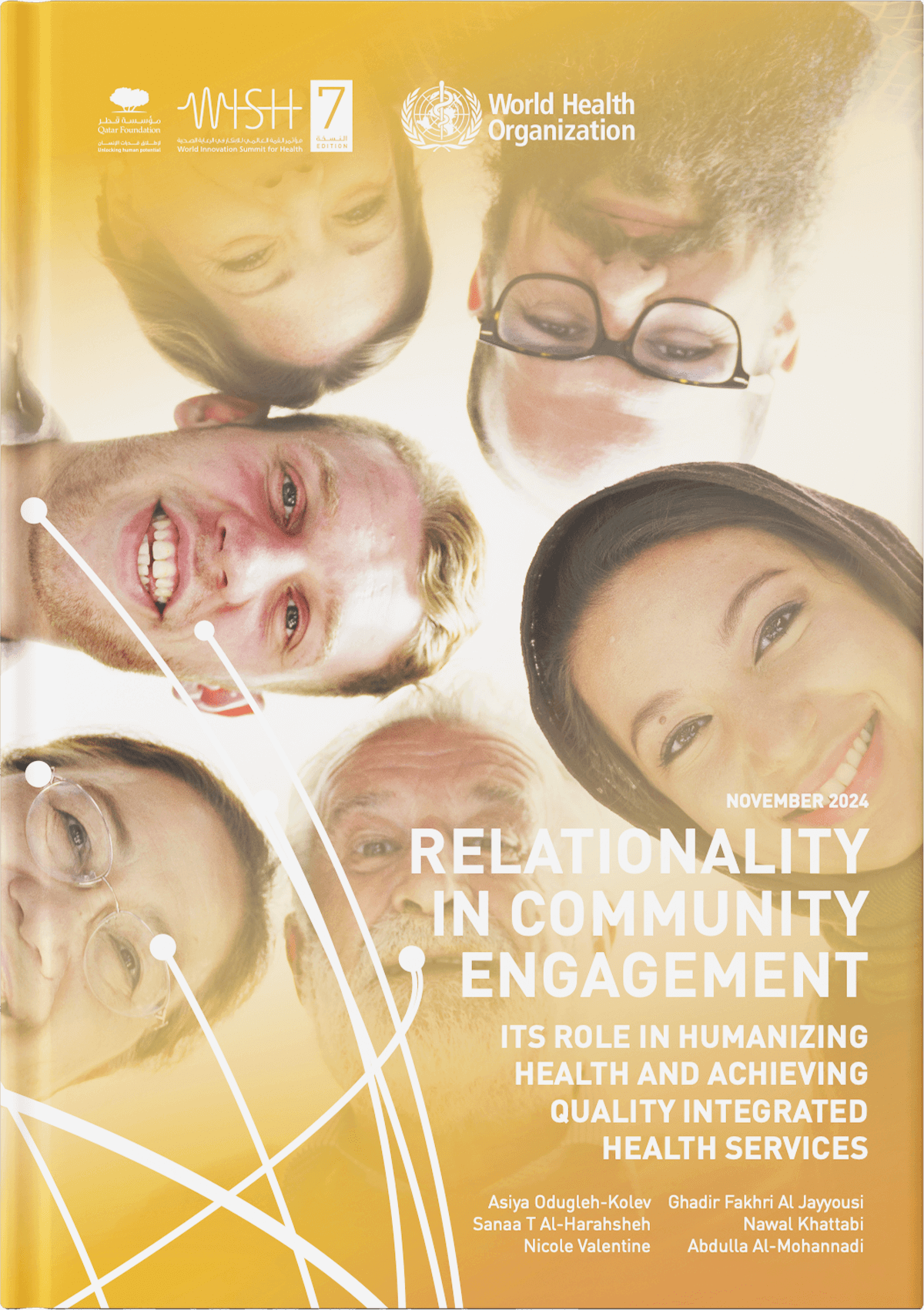
Webinar: 8 April Humanizing Health Care Through Relationality -

Exploring The Science And Practice Of Community Engagement


Join us for the first of four webinars co-hosted by the WHO Department of Integrated Health Services (IHS) and the Global Health Partnerships (GHP) (formerly THET). This webinar series is based on a new policy report launched at the World Innovation Summit for Health (WISH) -

https://wish.org.qa/wp-content/uploads/2024/09/Relationality-in-Community-Engagement.pdf 

The report revisits foundational concepts of community and examines how a deeper understanding of the relational nature of community engagement can contribute to improving quality of health care and transforming health systems. The webinar series hopes to inspire a shared understanding of community engagement’s transformative potential and how it can be leveraged for people-led change.

Continued ...


 Previously: relational :: community :: scale

Monday, March 31, 2025

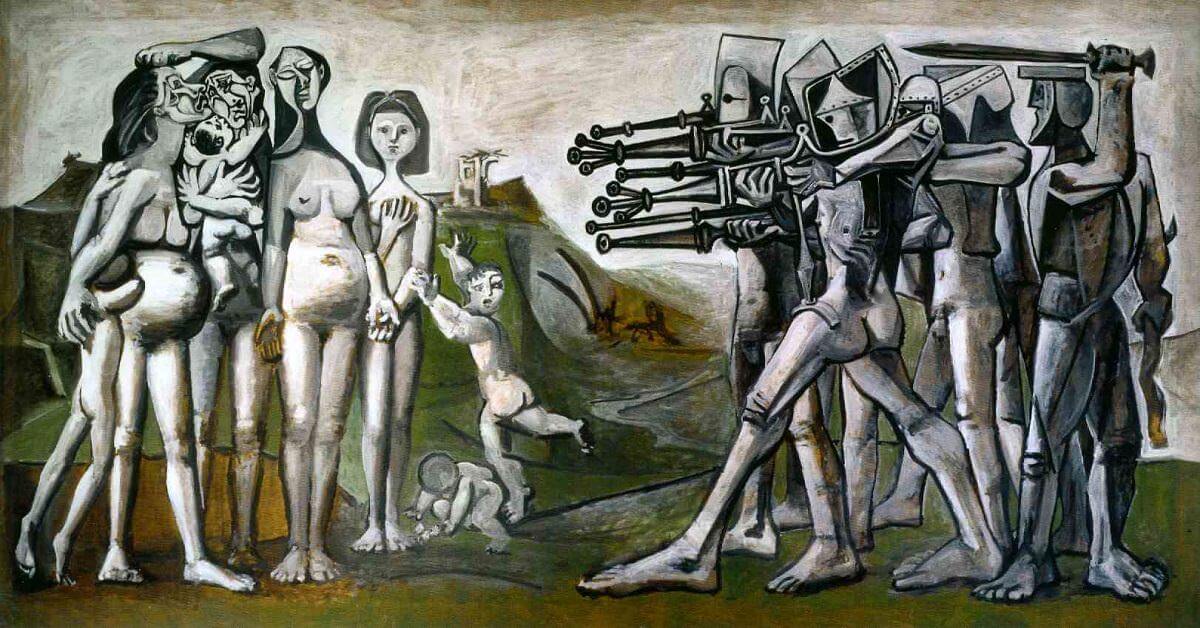
c/o Picasso - 'Massacre in Korea' (1951)

Art is a lie that makes us realize the truth.

                                 - Pablo Picasso

individual
|
INTERPERSONAL : SCIENCES
humanistic ------------------------------- mechanistic
SOCIOLOGY : POLITICAL
|
group


HUMANISTIC - mind


body - MECHANISTIC

"The 'beat' goes on"!?
'Massacre in Korea' (1951)

My source:
Vivienne Chow, How Picasso became a prize for Asia's new collectors, Collecting, FTWeekend. 22-23 March 2025, p.3.

See also: 
https://www.mplus.org.hk/en/exhibitions/ (15 March - 13 July 2025)

https://www.pablopicasso.org/massacre-in-korea.jsp

Monday, March 24, 2025

4Ps - human-MACHINE :: HUMAN-machine

HODGES' MODEL: Axes & Domains
As visited many times here on W2tQ, in Hodges' model I've associated one of 4P's with each of the model's care/knowledge domains. I immediately associated PROCESS with the sciences domain (physical, chemical, biological, geological..), driven by the seemingly process-bound approach of project management, logistics, automation and sequencing. 

This preoccupation can work to the detriment of the user(s) of systems (the public!), devices, interfaces and administrations - record management for example. Allied with POLICY in the political domain you can end up with a massive and technocratic bureaucracy. 


In nursing there was concern when the nursing process emerged that progress of individualised, person-centred care would be overwhelmed with a return to task-oriented care. Patients would literally be processed, in what is a problem-solving algorithm: assess, plan, intervene, evaluate.

Of course,  as in all idealised models, there is overlap between the 4Ps and the model's domains. We speak routinely of social, psychological, and political processes.

The rise of AI however prompts (demands) this debate be re-visited:


SELF / INDIVIDUAL  -  OBJECT / THING
|
      INTERPERSONAL    :     SCIENCES               
HUMANISTIC  --------------------------------------  MECHANISTIC      
 SOCIOLOGY  :    POLITICAL 
|
GROUP

the human -

PURPOSE(S)

the machine -


- can become machine

PROCESS

- can become human


PRACTICE

socio-


POLICY

-political


Previously: 'ethics' : 'nursing process' : '4Ps'

Friday, August 16, 2024

Health & Care results in mountains of data: c/o Burke & Cao 2024

"When medical schools train medical students, they teach them to treat patients as collections of various data points. They are laboratory tests and results, each measured to a standard number of significant figures. Notes students write hack down the richness of patients' identities and experiences: unemployment increases suicide risk while having a religion diminishes it. Each positive result that an interview or physical exam reveals adds another data point to the growing mountain, while a negative result erases a branch of possibilities in a treatment algorithm. It is a familiar process for every doctor, almost second nature, and yet it creates a chasm between patients and providers. Learning about a patient and their life becomes a process of deleting what's seen as irrelevant, and a patient's humanity gets lost in the chaos of data. ..."

"How would Nan Shepherd treat a mountain without her vision being mangled by medical training? She would probe it, palpate its surface, and listen to it rather than trying to comprehend it by reading reams of surveyor data. She would build a portrait of it in her mind beyond solely that which was intended to slot into the criteria of the IC-10. Perhaps she'd write a sensuous physical exam: ..."  

individual
|
INTERPERSONAL : SCIENCES
humanistic ------------------------------- mechanistic
SOCIOLOGY : POLITICAL
|
group


"CONSTITUTIONAL:
a granite mountain range, millions of years old, overall stable and solid, teeming with living, breathing organisms
CARDIOVASCULAR:
its rivers are patent, low and high turbulence at turns, its veins crisscross the surface
RESPIRATORY:
the wind carves through it in mighty exhales
MUSCULOSKELETAL:
its stone carries a range of lives, and the wind, the snow, the sun slowly bend the range of its form
GI/GU:
it slowly digests, grows, evacuates, and seethes as its wastes give rise to new life
NEUROLOGICAL:
the mountain is awake but dreaming with you"

The Living Mountain


Burke, R., Cao, E. To Care for a Mountain - What medical practitioners can learn from Nan Shepherd. Oxford Review of Books, Summer 2024, Volume 8, Issue 2. p.14. In association with Stanford. Ack. length of quotations in relation to length of author's article.

Nan Shepherd 1893 - 1981:  Scottish Poetry Library 2024.
https://www.scottishpoetrylibrary.org.uk/poet/nan-shepherd/

Cover image: Allen and Unwin

Wednesday, January 17, 2024

Book review iv. General Psychotherapy: Principles and Common Theoretical Aspects - Rediscovering Humanity

   General Psychotherapy

My late teens - early twenties coincided with the emergence of chaos, fractals and yes - emergent phenomena. Consequently, I had to refer back to Chapter 3, as Hartmann-Kottek writes:

"If we imagine a fractal that encompasses all categories similarly to a quantum in this regard, all cells, organs, particularly the human brain, the entire person, groups of people, races, nature and the earth would also be in field and structure at the same time. This does not appear to be an abnormal notion. Several experiences with field phenomena of the relationship level would consequently gain their natural allocation.

Indeed, we are familiar with notions that cross categories with regard to states of matter: Water as ice, snowflakes, liquid, vapour, mist and clouds are normal aspects of daily life."p.215.

This resonates at present with reading on categories, seeking theory and to what extent can mathematics and logic be applied to Hodges' model and more importantly, to the humanities? There is some toing-and-froing in the book, but for me having read the book - it works. If a student asked me what is a good subject to study at high school. It would be Social and Economic History, especially if you are thinking of pursuing mental health nursing, psychiatry, or psychology. General nursing too, I would add, acknowledging the need for holistic and integrated theory, practice and management. 

Chapter 7: is a regular rollercoaster in terms of history and cultures:

The Spirit of the Times and Cultural Epochs as Reference Systems Along with Their Transformation of the Ideal Level of Human Development – A Historical Journey Into the Past to Learn for the Future

In healthcare we need to constantly ask (it's called mandatory training) about the protected characteristics, the various literacies, including emotional, spiritual, cultural; and all the determinants of health. And we need to be cognizant of all of them: individual, environmental, commercial, educational, social, and educational (hence why 'categories' are salient).

The discussion of non-European cultures are particularly rewarding - Africa, Australia, Polynesia, Ancient far East, Native Americas, Egypt, Yoruba and others. Page 437 brings Martial arts, where synergy between mind, body and spirit is central. Reflecting culture and the association between health, well-being, the human condition and pastoral care chapter 7 covers the main religions and relationships between several. The influence of aesthetics in certain cultures is also introduced. The book is a springboard for further reading. Section 7.1.2 on an Integrative, Holistic Stance as a Countermovement provides the names and dates of  more than fifteen personalities: Alexius Meinong (1853-1920) ... Wilhelm Witte (1915-1985). Through the history described, it is interesting to reflect on the significance of the holding of knowledge and power imbued through its use. The end of chapter is an effort to take stock of social development - a non-trivial task given the dynamic world we try to exist within. 

 I found I was rolling together chapters 6,7 and 8 even as they hold-their-own in content and placement. As a community mental health nurse I still reflect upon:

  • There is no overarching theory of health communication.
  • Gatekeeping is alive and well.
  • The current often vociferous 'debate' between psychiatrists, psychologists, patients/clients, carers and nurses too.
Chapter 8 returns to the integration of psychotherapy with the politics of research, or how the exercise of power within psychotherapy research has resulted in crises. I wished I'd paid more attention, but I do recall at some events, conferences instances of animosity between different therapeutic camps. Hartmann-Kottek does not labour the final chapter. There are positive messages here too. A page and a half overview informs us that globally there is research attending to the knowledge and not the interests of particular therapeutic organisations and associations. Statistics, evidence, fake science are discussed, the history in psychotherapy and how this frames the future. When I started reading the book behavioural science was in the news for the wrong reasons. 

Chapter 8 reminds me of the proverb 'Reap what you sow'. Now across health and social care how many gates and gate-keepers are there? Outside of 'emergency' triage: how many are legitimate, needed? How as the original role - processes changed? In England there is ongoing debate about IAPT - Improving Access to Psychological Therapies. Fascinating and troubling the apparent increase in diagnosis of autism and attention deficit hyperactivity disorder (ADHD). Still many questions to be asked, especially on access to therapy within  the auspices of universal health coverage.

Here on the blog and in my application of Hodges' model, it may seem that the POLITICAL domain is the constant elephant. The thing to be climbed over, circumvented, accepted for all its ills (no pun intended). Politics, the political is a tool. It is, in Hodges' model, an essential domain in terms of care delivery and knowledge. The idea of that "Competitive constellations happen." (p.465) is of course a reality. In championing and studying Hodges' model this is well recognised. Chapter 8 is a mélange of socio-political concepts which briefly reveal what must be better resolved not just in psychotherapy, but health and social care: all the determinants.

Hodges' model = a natural home for contextual research?

 "At long last, 'contextual research' (Wampold et al.) has put an end to the belief solely in standardised and manualised treatment programmes." p.345.

While the above gives me great encouragement - a note in book: "Generalising partial perspectives only ever lead to impasse." (p.458) reminds me to take nothing for granted.

Chapter 8 places an emphasis on balance.

Hartmann-Kottek uses the term '(r)evolutionary' in chapter 8. This is fitting as the chapter begins with history - with or without the Dodo. Perhaps quantum descriptions can be found by (necessarily) and paradoxically increasing the theory-practice gap. Taking 'theory' even further away from the noise, complexity of practice. We often consider theory, as an opportunity to be idealist. How often (in the past?) have nurses found the nursing theory - model they are trying to apply ungainly as the day-to-night pressures of care delivery make themselves known? Perhaps ironically by venturing further into theory new vistas will appear, with timely and much needed perspectives given the demands of health in the 21st Century.

 'I' - 'Individual' 'SELF' 'Patient' 'Client'
  |
    INTERPERSONAL    :     SCIENCES               
HUMANISTIC --------------------------------------  MECHANISTIC      
SOCIOLOGY  :   POLITICAL 
|
dyad / couple  family  GROUP community population
PSYCHO -
PSYCHO -

... experience-related, 
mind and 

- TECHNICS^
- MECHANICS^

confrontational connections in the
physiological patterns ... (p.480).


foundational collective context i

dyad, triad, couples, families,
small and large groups

foundational collective context ii

gates, gate-keepers, gate-keeping
access, accessibility


Many thanks to Prof. Hartmann-Kottek and Springer for the review copy. I will add the related posts below soon.

An enjoyable, informative read and a great contribution to my CPD. There are many more points to highlight and I may do so in the future.

Hartmann-Kottek, L. (2022). General Psychotherapy, Principles and Common Theoretical Aspects - Rediscovering Humanity. Springer. https://doi.org/10.1007/978-3-030-87466-7.

^Used in the text.

Thursday, November 16, 2023

Book review iii. General Psychotherapy: Principles and Common Theoretical Aspects - Rediscovering Humanity

   General Psychotherapy

In chapter 3 neurophysiological development is explored and epigenetic influences (3.2). For a decade or so I've highlighted to students the need for them to be aware of 'omics' which will clearly impact their future careers and subsequent learning. This is detailed also outlining limbic development, through to cognitive-linguistic functioning; and not just learning but forgetting. It is easy to take the self for granted, but here is a description of a self in formation, the neocortex, imagination and role of the pineal gland. Biological radiation of living beings (there is a error in the heading I believe*) is fascinating for reasons already acknowledged. Then it is as if time begins and psychological development can begin (life chances permitting). From the author's practice two cycles are illustrated - growth and transformation drawing on Gestalt thought and all referenced. 

Ever since reading on Goethe's part-whole thought I've been aware of mereology. Chapter 3 also examines intrapsychic and social space in respect of part-whole relationships. I'm continuing this journey so it helpful to find the distinction here also.

"According to the resonance principle, identification with key partial aspects can very quickly lead to an unresolved, formative core conflict. In an individual setting, empty chairs or symbolic locations may serve as backdrops for projection. Distance, posture and line of vision are highly relevant in this regard. In a group setting, forms of constellation work with representatives may be more helpful." p.155.
The book's philosophical content is well realised, fused with history and the development of psychology and neurosciences. Plato's cave is explained and related to tabula rasa: the blank slate (3.6.3). I feel I'm in Plato's cave in trying to look at Hodges' model as a mathematical object. There is encouragement too in Hartmann-Kottek identifying the role of blank slate. Hodges' model is also about forgetting, unconditional positive regard hence a blank slate. Chapter 3 concentrates on approaches to explain our development and personality, quantum-theoretic, Far-Eastern traditions, and Western working towards how we achieve coherence as an integral individual, building and relying on inner and external social and interpersonal resources (Fig. 3.4: Tower of consciousness. p.212.). Energy a key in this part of the book, is summarised in a further figure on background dimensions - combining two-axes of Whole-Parts and Space-time - Spaces of possibilities (p.222).

Chapter 4 is a welcome discussion of systems, interspaces, self, communication again through a cultural lens. Chapter 5 would benefit all healthcare students - an understanding of health and illness. While not tackled here - how we integrate and simultaneously address both requirements in service delivery is the challenge of 21st Century health provision? This is higher level from the outset: Attempts at Classification (5.1). While a  traditional book, reading had an immersive feel for me (with many posts on W2tQ): Diagnostic tools, 2-sided understanding of health and illness, the diagnostic, therapeutic (always kept in sight) reversal of symptoms, fields of tension and resources at various stages of development.

For readers looking for actual therapies, chapter 6 is the practical center of the text. The current state of psychotherapy is likened to the blind people trying to find an elephant in the dark. 'Many paths' in a subtitle is welcome, almost suggesting there is scope for all approaches and perhaps they can meet 'somewhere'? Motivations and politicisation aside, the variety of psychotherapeutic are indeed a treasure. They are listed, comprehensively as far as I can see, including many new to me. They are further sub-divided and considered: clusters through time, behavioural, then considered as per depth and effect levels, verbal - non-verbal, emotions, breathing and meditation, variations in consciousness. 

I've considered blind-spots before and highlight Hodges' model as having a role in situational awareness - hence safety and care assurance. Hartmann-Kottek remains grounded in how blind-spots can affect therapists and patients - individually and in alliances. The therapeutic relationship, transference and countertransference are emphasised once again. Compassion too - as part of a credible relationship - with selective authenticity. Technical points are raised too, the use of counterpart in Gestalt therapy. Some 40 pages of chapter 6 are very practical, with exercises and examples of conversations between patient and therapist to illustrate specific approaches and situations. This is far from a specific therapy manual but there is this quality to the content.

 
 'I' - 'Individual' 'SELF' 'Patient' 'Client'
  |
    INTERPERSONAL    :     SCIENCES               
HUMANISTIC --------------------------------------  MECHANISTIC      
SOCIOLOGY  :   POLITICAL 
|
dyad / couple  family  GROUP community population
psycho-


symbolic
personal meaning
emotion
lived experience
emotional distance

-somatic


*Living near Manchester in NW England, the city's symbol is a bee (industry..). It appears in the text that 'Being' has become 'Beeing' in some instances - so an extra homely feel here.

Many thanks to Prof. Hartmann-Kottek and Springer for the review copy.

One more post to follow.

Hartmann-Kottek, L. (2022). General Psychotherapy, Principles and Common Theoretical Aspects - Rediscovering Humanity. Springer. https://doi.org/10.1007/978-3-030-87466-7

Empty chair image:
https://www.mentalhelp.net/blogs/gestalt-therapy-the-empty-chair-technique/

Thursday, November 02, 2023

Book review ii. General Psychotherapy: Principles and Common Theoretical Aspects - Rediscovering Humanity

General Psychotherapy

Chapter 1 confirmed many points for me regarding psychotherapy, especially given the general treatment here. Hartmann-Kottek asks questions of psychotherapy as a science. Hence, the demarcation of science is also raised. The history of psychotherapy spans the 19th century to current day, with references to prehistory. Wundt is a reminder of my introduction to psychology (aged 14-15). 

Physics also features, with quantum theory noted on p.5. and throughout the book. Significant for me, reference to energy, took me back to nursing theory and the work of Prof. Martha Rogers. I've struggled with this in the past. Not just personally, Unitary Beings, is this a 1960s - 1970s thing(?), but what it meant to other students and qualified nurses, in the UK at least? Another factor as I tried to find 'space' - validation for Hodges' model (despite an assumed BEST BEFORE date) there was the perception of those outside nurse academia who questioned the very notion of nursing theory (Raskin, 2001). Pardon the digression, but in the text the scales and potential significance at which the quantum is 'present' are surprising and helpfully amplify the need for an open-mind.

The author highlights recognition in recent decades of quantum phenomena - descriptions in neurophysiological at the molecular - cellular level, meditation, energy, resonance, states of consciousness and unconscious. You will find E=mc2 here too.

The question of the disparate disciplines, schools and their often warring, fractured state is not dodged. The reality of, and accounting for the the multiplicity of approaches to therapy is debated and celebrated. I like the thought of how as a student / learner the first psychotherapy we are exposed to as a clinician (usually?) is imprinted. This experience influences (understandably) how we respond to subsequent psychotherapeutic modalities. I've followed discussion on 'X' regards efforts in academia to work towards a way to integrate psychotherapy, at least improving co-habiting, but as cited by Wampold et al. (2018) p.336:
"In the thousands of (RCT) studies conducted, we are still yet to find a specific treatment for a particular disorder, which was, on average, clinically and systematically superior to any other psychotherapy." p.7.
The aim in this paper was to "find a suitable coordination system that incorporates variety." p.7.

From this and my focus on Hodges' model my motivation to read this book may be obvious:
  • A mapping exercise of core communication concepts to Hodges' model
       (the common framework?)
  • psychology 
  • psychotherapy
  • interprofessional?
Hartmann-Kottek writes:
"Even if the school of psychotherapy were to succeed in establishing a common framework, a certain amount of variation with regard to approach would nevertheless be required. I am referring to the entire field of play between body-therapeutic interventions, scenic realisations, artistic expressions and more restrained verbal interactions. This is the result of the diversity of our human state." p.33.
The politics of psychotherapy recur with exploration of interdisciplinary common factors. A book that takes a neutral stance is highlighted in one of several 'tips'. Interspersed within the text, readers will find other related asides 'important', 'note', and 'cave'. Each chapter (bar conclusion) has a bibliography. For me the references are comprehensive. There are figures too, not many (a listing would help) but they reflect the book's goals. As already suggested there is philosophical and ethical debate. How is science defined in this context and using current tools. Objectivity - Subjectivity are a constant too; while Buber et al. took me back to RN mental health (RMN) and lecture days (CPN Cert.). This is not just a reverie but vital at a time when several lecturers in mental health nursing, are concerned that the mental health nursing curriculum is being genericised.

I like reference to interspaces and constellations - again throughout. While not a psychotherapy, the brief section 1.8.3 Abandoned Aspects of Therapy, made me recall Token Economies, conceived as a therapy.

Chapter 2 discusses good and bad therapists (invariably, wherever people go the apple barrel follows), looking in depth at the therapeutic relationship, and as a common factor. Given the attention devoted to self-care at present^, it is fitting that given that people attracted to train as psychotherapists have experienced stress themselves (2.2.1); should be aware of their own self-care and mental hygiene (2.2.4). Behavioural and client-centered therapies provide focus, with gestalt therapy working towards sections on the 'special therapeutic relationship' and agape. To what extent do you need to be open to holistic orientation, in order to negotiate holistically embedded confrontation (2.4.5)?

More to follow.

Many thanks again to Prof. Hartmann-Kottek and Springer for the review copy.

Hartmann-Kottek, L. (2022). General Psychotherapy, Principles and Common Theoretical Aspects - Rediscovering Humanity. Springer. https://doi.org/10.1007/978-3-030-87466-7

Raskin, Jef. "Humbug: Nursing Theory". Archived from the original on July 10, 2001. Retrieved December 14, 2015. (Wikipedia).

^Not a complaint, welcome in terms of the vertical axis of Hodges' model.

Friday, October 20, 2023

Book review i. General Psychotherapy: Principles and Common Theoretical Aspects - Rediscovering Humanity

   General Psychotherapy

Predictably, the title of this book caught my attention.

I did do some homework before requesting a review copy, but it was still a surprise that this book by Prof. Dr. med., Dipl. Psych. Lotte Hartmann-Kottek is not edited. It is a comprehensive tome at 491 pages. As a mental health nurse with experience of cognitive, behavioural and family therapy, I am not an expert, but Prof. Hartmann-Kottek's experience in psychotherapy, the history, theoretical development, clinical application, theoretical underpinnings (including physics) and political machinations are well demonstrated.

A disappointment for me is the lack of an index. This seems a major omission, and yet a comprehensive index here, might itself be difficult to navigate. There are some errors in word-use, repetition but they do not detract from the book and reading experience overall. The book is apparently translated from German. The book is expensive, but students may have access through their institutions and special schemes(?).

The book's subtitle: Principles and Common Theoretical Aspects - Rediscovering Humanity is delivered. The title General Psychotherapy - attracted me for several reasons:

'General' - the (seeming) opposition of generalist-specialist is relevant to the theory and application of Hodges' model.

'Psychotherapy' - I was interested to see how Prof. Hartmann-Kottek dealt with the disparate schools of psychotherapy, given some awareness of the politics and efforts to integrate and reconcile therapeutic approaches, philosophies, and legacies. 

Consequently, the chapters address multiplicity, systems, efficacy, commonalities and interspaces. If a book should benefit its reader, rewarding time/cost then this text has contributed to my continuing professional development. Discussion of systems, individual, whole, humanistic, interdisciplinarity, integration, the therapeutic relationship, transcripts and therapy scenarios provides ongoing stimulus for my efforts with Hodges' model.
"The increasing joint adoption of methods and methodological aspects through the partitioned barriers of the otherwise politic(al)ly competing schools in recent decades has, of course, been met with mixed reception, especially when the adoption was coupled with contemporary political and social repression.

However, it may be precisely this difficult topic of the mutually uncoordinated, intellectual adoption and incorporation of vicinity aspects on a macro scale that may indicate that the time has come for an integrative reconciliation or fusion of the essence of psychotherapeutic approaches. As perhaps needs no mention, this path will require an extensive field of play." p.viii. Preface.


'I' - 'Individual' 'SELF' 'Patient' 'Client'
|
     INTERPERSONAL    :     SCIENCES               
HUMANISTIC --------------------------------------  MECHANISTIC      
SOCIOLOGY  :   POLITICAL 
|
dyad / couple  family  GROUP community population

psychological systems
MIND psycho-
identity
psycho-therapy / therapies
subjectivism
cognitive  access

physical systems
-somatic BODY
identity?
evidence
objectivism
physical access

social systems
culture
history
community of practice
social access

political systems
power
professionalism
health systems/services funding
political access

Many thanks to Prof. Hartmann-Kottek and Springer for the review copy.

More to follow.

Hartmann-Kottek, L. (2022). General Psychotherapy, Principles and Common Theoretical Aspects - Rediscovering Humanity. Springer. https://doi.org/10.1007/978-3-030-87466-7