Hodges' Model: Welcome to the QUAD: categories

Hodges' model is a conceptual framework to support reflection and critical thinking. Situated, the model can help integrate all disciplines (academic and professional). Amid news items, are posts that illustrate the scope and application of the model. A bibliography and A4 template are provided in the sidebar. Welcome to the QUAD ...

Showing posts with label categories. Show all posts

Tuesday, June 09, 2026

Typologies in nursing - Macduff (2007)

This paper was brought to my attention by the author Colin Macduff (now retired) who was Principal Investigator in a project [2018-2020] RIPEN. This included a series of workshops to which I was able to contribute. I knew this would be useful and must find the paper (in 14,1) also mentioned.

"What are typologies?

In relation to this initial question. Patton (2002) offers a useful definition and  distinction: 'Typologies are classification systems made up of categories that divide some aspect of the world into parts along a continuum. They differ from taxonomies, which completely classify a phenomenon through mutually exclusive and exhaustive categories, like the biological system for classifying species. Typologies, in contrast, are built on ideal types or illustrative  endpoints rather than a complete and discrete set of categories'." p.41.

'Most commonly, typology constructors such as Roberts-Davis et al  (1998) and Nolan et al (1995) present them as ways of clarifying thinking  rather than as rigid structures that are universally applicable. The difficulty  here is that within nursing discourse a number of other devices such as conceptual frameworks and models are also commonly used to this end.' p.42.

individual
|
INTERPERSONAL
: SCIENCES             
humanistic ------------------------------- mechanistic
SOCIOLOGY : POLITICAL   
|
group


Box 1: Typology of family care (Nolan et al 1995)
  1. Anticipatory care
  2. Preventive care  
  3. Supervisory care  
  4. Instrumental care  
  5. Protective care  
  6. Preservative care  
  7. (Re)constructive care  
  8. Reciprocal care p.44.


If you can obtain a copy^, do check out Box 2 and Figure 1, plus the discussion and conclusion.

Macduff, C. (2007). Typologies in nursing: A review of the literature. Nurse Researcher, 14(2), Article 2.  https://doi.org/10.7748/nr2007.01.14.2.40.c6020 (^Paywall)

Sunday, May 17, 2026

Wittgenstein's - Tractatus

Apparently, Wittgenstein walked away from philosophy after publication of the Tractatus. He thought he had solved the problems of philosophy, logic and reality.

In trying to ‘see’ Hodges’ model, in mathematical terms, there may be lessons in Wittegenstein’s approach, both in content and style. Of course, as a non-mathematician, I probably should leave well-alone; and stick to nursing. But that is the problem: from 1987-88 there is a need for a different perspective, even if this is a personal challenge. As with many ‘reviews’ here, we can look at Wittengenstein’s work, reflect upon it, and consider how it relates to the purposes, structures and content of Hodges’ model.

The Tractatus’s first line then, offers a warm welcome.

‘The world is everything that is the case.’ [I]

Making the decision to become a nurse and enrolling as a student makes you an educational and workforce demographic case.

Once a student in the university lecture theatre, you hopefully whether consciously, or not are exposed to the theory – practice gap; as you yearn to be on your first placement. Now it you who is seeking ‘cases’. As we live, and statistics roll and tally, the question of caseness (and categories) is key, one that is carried around even if not always active, recognised as such.

As noted in the previous post, we can for Hodges’ model (and other models, frameworks it must be said) think of ‘case’ as a, or the situation. 

A mathematical approach to Hodges’ model involves looking at things, concepts, people as objects. This includes patients and carers. In terms of a project worthy of pursuing in nursing and other disciplines involved in healthcare, this mathematization presents a non-trivial challenge. A fully-deserved response would be: 'What have you done to the aptitude for care and caring attitude? You've cancelled - subtracted it!' Humour aside:

'In order to know an object, I must know not its external but all its internal qualities.' [2.01231] 

Is this equivalent to us getting to know our patient / client and their socio-political context? 

‘The way in which objects hang together in the atomic fact is the structure of the atomic fact.’ [2.032] 

It is a help that Wittgenstein points to structure (crumbs of understanding are welcome here, as incremental steps). In formulating Hodges’ model we first identify the axes. It is the axes that then provide a space, four domains in total, to frame the objects that we decide; or, as the situation dictates, what concepts are placed in the domains of Hodges' model.

There is a successive series that follows, combining place, space and logic: ‘The proposition determines a place in logical space: the existence of this logical place is guaranteed by the existence of the constituent parts alone, by the existence of the significant proposition.’ [3.4]

‘The propositional sign and the logical coordinates : that is the logical place.’ [3.41]

‘The geometrical and the logical place agree in that each is the possibility of an existence.’ [3.411]

‘Although a proposition may only determine one place in logical space, the whole logical space must already be given by it.
(Otherwise denial, the logical sum, the logical product. etc., would always introduce new elements -in co-ordination.) 
(The logical scaffolding round the picture determines the logical space. The proposition reaches through the whole logical space.)' [3.42]

While Wittgenstein came to view ‘the picture theory of meaning’ as incorrect, as a conceptual framework and diagrammatic resource Hodges’ model is closely tied to this form of representation.

Of course, the logic at work here, is far from mathematical, but there is surely a logic.

'Formal concepts cannot, like proper concepts, be presented by a function.' [4.126]

'There is therefore really a sense in which in philosophy we can talk of a non-psychological I.
The I occurs in philosophy through the fact that the "world is my world'".
The philosophical I is not the man, not the human body or the human soul of which psychology treats, but the metaphysical subject, the limit - not a part of the world.' [5.641] 

'Although the spots in our picture are geometrical figures, geometry can obviously say nothing about their actual form and position. But the network is purely geometrical, and all its properties can be given a priori.

Laws, like the law of causation, etc., treat of the network and not of what the network describes.' [6.35]

There is much more in this work, and much that remains a challenge. Many commentators have written and said in interviews that the Tractatus rewards re-reading and some sentences stay with you for life (The Great Philosophers BBC TV). 

I'm still seeking mine.

https://www.gutenberg.org/files/5740/5740-pdf.pdf

Tuesday, November 04, 2025

Descartes - alive and well ...

... within the Incident Reporting System

'Policy guidance on recording patient safety events and levels of harm 
This guidance is for users of the new Learn from Patient Safety Events (LFPSE) service, to provide context and guidance on selection of appropriate categories when recording incidents. It focuses on which Event Type is appropriate for different circumstances, and how to select the most appropriate options for the Levels of Harm categorisation required within Patient Safety Incidents.'

Previous harm grades

No harm
Low harm
Moderate harm
Severe harm
Death


individual
|
INTERPERSONAL : SCIENCES
humanistic -------------------------------------------  mechanistic
SOCIOLOGY : POLITICAL
|
group-population
New psychological harm grades

No psychological harm
Low psychological harm
 Moderate psychological harm
Severe psychological harm
n/a

New physical harm grades

No physical harm
Low physical harm
Moderate physical harm
Severe physical harm
Fatal


Q. 'n/a'. Discuss.

CPD reading.                      

Saturday, November 01, 2025

On Sociology & Becoming a Patient

'The Subject matter of Sociology
& Becoming a Patient'

A primer for my picking up Hodges' model, or being pressed onboard, was early exposure to history and sociology. There was an understandable emphasis in the (then) school of nursing (registered mental nursing) on the role of society, social history, lunacy and the asylums, law, and attitude towards mental illnesses.

Continuing to sort books (inc. secondhand) and papers, there is:

Maclean, Una. (1974) Nursing in contemporary society. London: Routledge & Kegan Paul.
https://wellcomecollection.org/works/qhqc24fv

individual
|
INTERPERSONAL : SCIENCES
humanistic -------------------------------------------  mechanistic
SOCIOLOGY : POLITICAL
|
group-population


'The sociological viewpoint can be taken on many different subjects. Thus, political sociology has to do with people's voting behaviour and their reactions to the processes of government, while the sociology of education takes into account the influence of various social factors upon educational opportunities and achievements. In addition, social psychology, social psychiatry and social medicine are all related to medical sociology. These terms all imply the use of sociological methods and insights in different areas of human behaviour, and the divisions between them are a convenient way of dealing with what is a very wide territory. Such divisions may suggest that events and things in the real world are already separated in themselves, whereas the divisions are actually in the minds of the people who make them.
It is easier to regard sociology generally as being the study of people's behaviour in groups, groups of all kinds, large and small, casual or permanent, groups of which people are very conscious as well as those of which they may scarcely be aware. Thus, much of sociology is concerned with the human family, a group whose form and composition varies from one part of the world to another and from one set of people to another but which does have common features and functions wherever it is studied. The family will be referred to repeatedly in this book, since not only does it affect all our lives but it profoundly influences the way in which people react in relation to illness.' pp.8-9.


Maclean pointed to the 'innumerable other human groupings' (p.9) and how these - family, schools, clubs, professional training, friendships, audiences, tourist crowds, customers, villager, hostel dweller; such groupings, some historic, temporary or transient - also differentiate into populations, that inform epidemiological and demographic studies. 

It is remarkable how societies have changed globally, since Maclean's 1974 text.

As if to presage the one-to-one encounters to follow, chapter 2 'Becoming a patient' after a brief history 'sickness' arrives at the work of the American sociologist Talcott Parsons.

I don't have the date but I remember making a note the four combined conditions at work for an individual to adopt the sick role. What stood out was how something we think is individually determined is social and so often a question of permission.

Maclean's text (with my emphasis) on these factors follows;
 and is then mapped to the domains of Hodges' model:
'In the first place, the illness must be outside the patient's control, in no sense his own fault. Second, the sick role will allow him exemption from his other roles. with their associated obligations and duties. For example, a man can legitimately give up work and leave his usual family 'responsibilities to his wife. But, third, the sick role requires that the patient should positively desire to get well, he should not relish the relinquishment of responsibility and, fourth, he has the obligation to seek competent medical help.' p.25.
individual
|
INTERPERSONAL : SCIENCES
humanistic -------------------------------------------  mechanistic
SOCIOLOGY : POLITICAL
|
group-population
the sick role requires that the patient should positively desire to get well

the illness must be outside the patient's control,
in no sense his own fault.

the sick role will allow him exemption from his other roles. with their associated obligations and duties

he has the obligation to seek
competent medical help


Again as an exercise you might care to reflect on this and our experiences since the millennium?

What is most remarkable is the need to view this as a 'future lesson' in terms of how societies must, will change to meet the challenges of tomorrow, and the day after that ...

Tuesday, October 28, 2025

Careif report: The Health Needs of the Indo-Caribbean Community in the United Kingdom

'The Indo-Caribbean community has played a key part in the life of the United Kingdom, but this has not often been recognised. Little is known about this populations’ physical and mental health needs and its experience of health and social services in the UK.


This report, The Health Needs of the Indo-Caribbean Community in the United Kingdom, examines the history of the Indo-Caribbean community in the UK, the prevalence of mental health conditions among the community, barriers to accessing mental health services, and the existing services available.'


Includes:
"The absence of a unique category designating ‘Indo-Caribbean’ as a unique category in the UK Census was identified as a major barrier to obtaining vital epidemiological data on the UK’s Indo-Caribbean population."

Above text:
https://www.careif.org/news-and-events/2025-10-9-careif-report-the-health-needs-of-the-indo-caribbean-community-in-the-united-kingdom


n.b. 
In my community mental health nursing career in Chorley, Preston, and West Lancashire as services were established, the diversity of the local populations was evident, but there was an assumption that many communities were essentially 'closed': one explanation for lack of referrals from specific racialised communities - was that some communities 'looked-after their own'.

Of course this can be racism (acute or subtle), an excuse for inaction, delayed response, lack of action - outreach and translation services. There were marked examples of intervention. I have seen first-hnad interpreting and translation services in action since full-time retirement and the services offered are amazing for the insights and care delivery they can facilitate. Is this why we also need mental health nurses and the team? To translate in challenging circumstances, even by being there, seeking avenues, giving time - especially in instances of psychoses and doing so safely (for all)?

In addition to the main body of Careif's report and its recommendations, it may be helpful to consider the report's key terms relating them to the domains of Hodges' model? I also note reference to the bio-medical model as an explanatory framework. A conference abstract has been submitted today for April 2026, highlighting the need for bio-psycho-socio-political model / framework (Hodges' model - of course?).

See also:
RCN North West Multicultural Group

Thursday, July 17, 2025

Ryle's 'logical geography'

I like the way Ryle apparently analogised philosophy to cartography.*

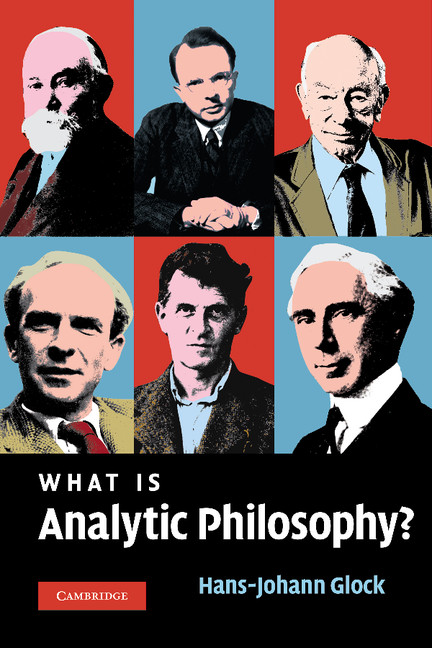
'Similarly, Ryle advocated that philosophy should chart the 'logical geography' of our concepts. In The Concept of Mind he argued that the Cartesian dualism of mind and body results from 'category-mistakes': it treats mental concepts which signify behavioural dispositions as if they referred to processes that are just like physical ones, only more ethereal. Ryle rejected Wittgenstein's therapeutic image according to which 'the philosopher treats a question like a disease' (1953: §255). Yet he accepted that philosophy is a meta-discipline which does not 'talk sense with concepts' but tries to 'talk sense about concepts' (1949: 9-10). The paradox of analysis disappears since the task is not to provide novel information about a realm extrinsic to us. According to Wittgenstein, philosophy reminds us of rules that we have mastered in practice but which mislead us in the course of philosophical reflections. According to Ryle, it takes us from the knowledge how to use words to an explicit knowledge that they are used according to certain rules. Either way, analysis is not a trivial pursuit, because the explanation of philosophically interesting concepts is complex and rich, especially when it places these concepts in their diverse contexts (everyday, scientific, philosophical).' p.43.
Hans-Johann Glock. 2008. What is analytic philosophy? Chapter 2. Historical survey. pp.21-60. CUP. Pb. 
https://www.cambridge.org/us/universitypress/subjects/philosophy/philosophy-general-interest/what-analytic-philosophy

* 'Ryle analogises philosophy to cartography. Competent speakers of a language, Ryle believes, are to a philosopher what ordinary villagers are to a mapmaker: the ordinary villager has a competent grasp of his village, and is familiar with its inhabitants and geography. But when asked to interpret a map of that knowledge, the villager will have difficulty until he is able to translate his practical knowledge into universal cartographic terms. The villager thinks of the village in personal and practical terms, while the mapmaker thinks of the village in neutral, public, cartographic terms.[20]: 440–2 '. https://en.wikipedia.org/wiki/Gilbert_Ryle

I've wondered about 'cogeography' - combining cognition and geography, even care cartography. There is also of course psycho-politics, geo-psychiatry and psycho-geography ...

Hopefully a more current text would be more diverse.^

Saturday, June 14, 2025

Call for Papers: Compassionate Futures for Collective Well-Being

Despite an academic affiliation, without any (part-time) tutoring hours this past year, it may be difficult to avoid article processing fees (APCs). A shame as I believe that Hodges' model can address this call (below) in a somewhat novel manner. 
If anyone is interested in exploring a writing project framed around Hodges' model and employing a relational - diagrammatic approach please let me know.
The exercise would be greatly enhanced by:
  1. Engaging with one of more academics, adept in formal methods (maths, logic..?) and keen to apply their talents within the social sciences - humanities.
  2. And, exploring the possibility of working with early career researchers, including from developing nations, independent and 'late career'(!) scholars would also be very welcome.

Previously:

Jones, P. (2004) Viewpoint: Can informatics and holistic multidisciplinary care be harmonised? British Journal of Healthcare Computing & Information Management, 21, 6, 17-18.

Jones, P. (2004) The Four Care Domains: Situations Worthy of Research. Conference: Building & Bridging Community Networks: Knowledge, Innovation & Diversity through Communication, Brighton, UK.

Jones, P. (2008) Exploring Serres’ Atlas, Hodges’ Knowledge Domains and the Fusion of Informatics and Cultural Horizons, IN Kidd, T., Chen, I. (Eds.) Social Information Technology Connecting Society and Cultural Issues, Idea Group Publishing, Inc. Chap. 7, pp. 96-109.

Jones, P. (2009) Socio-Technical Structures, the Scope of Informatics and Hodges’ model, IN, Staudinger, R., Ostermann, H., Bettina Staudinger, B. (Eds.), Handbook of Research in Nursing Informatics and Socio-Technical Structures, Idea Group Publishing, Inc. Chap. 11, pp. 160-174.

Compassionate Futures for Collective Well-Being

Academic Editors: Karin Hannes (KU Leuven) and Natalia Martini (KU Leuven)

Deadline for Abstracts: 15 September 2025
Deadline for Articles: 30 January 2026

Social Inclusion, peer-reviewed journal indexed in the Social Sciences Citation Index (Web of Science; Impact Factor: 1.4) and Scopus (CiteScore: 3.5), welcomes new and exciting research papers for its upcoming issue "Compassionate Futures for Collective Well-Being," edited by Karin Hannes (KU Leuven) and Natalia Martini (KU Leuven).

In an increasingly unequal world, the concept of “compassionate futures” offers a new paradigm to address the pressing challenges of social inclusion. Compassionate futures recognize vulnerability, interdependency, and mutual responsibility as fundamental features of social relations, and emphasize care and empathy as fundamental principles in designing socio-cultural, economic, and political systems where the collective well-being of diverse actors, human and other-than-human, can flourish.

We encourage contributions that engage in an interdisciplinary dialogue among scholars, practitioners, and policymakers about what it means to create a caring society in the face of persistent inequalities. In addition, we welcome papers that demonstrate where and how humans take up the responsibility to conceptualize compassionate futures from a multi-species perspective, as well as those that focus on what hinders or supports the idea and the project of compassionate futures. We accept theoretical papers presenting frameworks on compassionate futures, prospective policy analyses, cases featuring the use of futures studies and co-creative approaches that promote compassion and care as central principles in re-imagining the future, and reflection papers focusing on global cooperation for fostering compassionate futures. Authors should connect to the general idea of how humans could or should relate to other agents with whom they share the planet or illustrate how the new narratives they developed support collective well-being.

Authors interested in submitting a paper to this issue are encouraged to read the full call for papers here:

https://www.cogitatiopress.com/socialinclusion/pages/view/nextissues#CompassionateFutures

Abstracts welcome until 15 September 2025.

Kindest regards,

Mariana
Mariana Pires
Social Inclusion
Cogitatio Press
1070-129 Lisbon 
Portugal
New issues (open access):
Public Participation Amidst Hostility: When the Uninvited Shape Matters of Collective Concern
https://www.cogitatiopress.com/socialinclusion/issue/view/419

Violence, Hate Speech, and Gender Bias: Challenges to an Inclusive Digital Environment
https://www.cogitatiopress.com/socialinclusion/issue/view/415

My source: https://www.jiscmail.ac.uk/cgi-bin/webadmin?A0=COMPLEXITY-PRIMARY-CARE

Tuesday, June 10, 2025

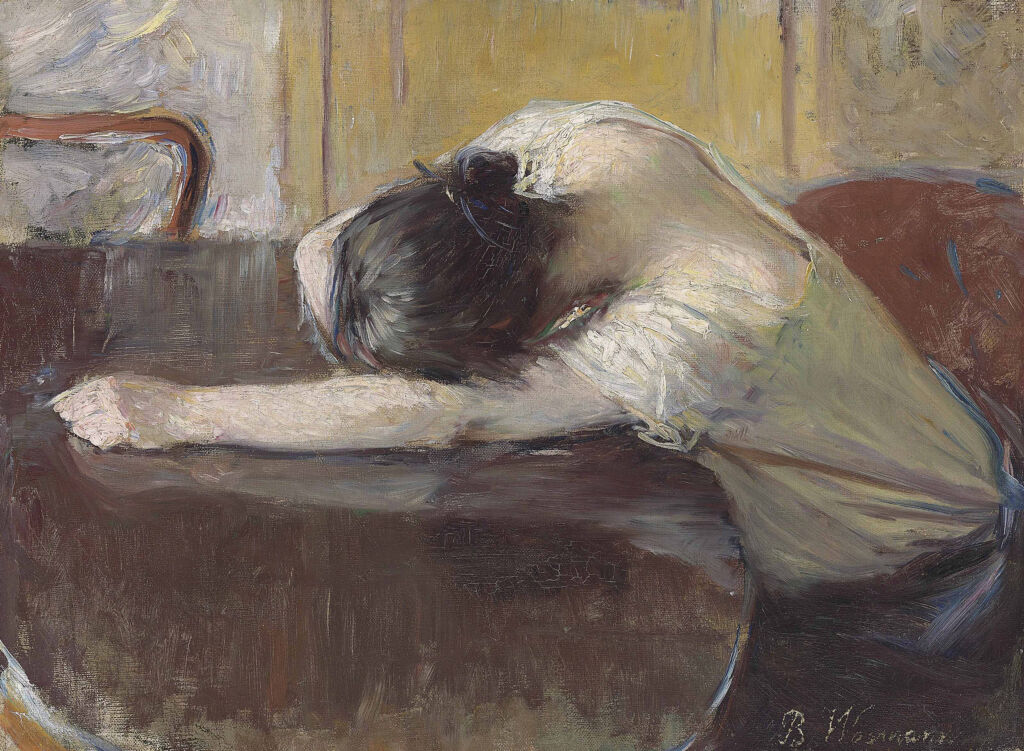
"Despair" by Bertha Wegmann

individual
|
INTERPERSONAL : SCIENCES
humanistic ------------------------------- mechanistic
SOCIOLOGY : POLITICAL
|
group
Despair by Bertha Wegmann (Danish, 1847 – 1926)


Okoro, E. A time to rest and recharge. The Art of Life: Life&Arts, FTWeekend. 17-18 May 2025. p.2.
https://www.ft.com/content/6c2d4362-a464-45e4-8288-a80d5e8a730f

See also: https://en.wikipedia.org/wiki/Bertha_Wegmann

How Bertha Wegmann communicated the 19th-century female experience. Christie's

Image: https://high.org/collection/despair/

Monday, May 26, 2025

Variety really is the spice of Hodges' model

In the previous post - RCN Congress iii 2025 Accountability for patients in ambulances I wrote of how corridor care has become variegated, as it is bound to, in a system(?).

Variegation means difference, and yet in organisational accountability, there should be reliance upon a procedure, if not a standard operating procedure. The experience of individual patients should be nuanced, standardised and yet catering for individual differences.^ The resolution at congress was questioning the need for guidance amid legal ambiguities.

This is also helpful in two senses. 

  1. In exploring ways that Hodges' model might help encompass and explain the dual character category*, [or other, or not] as may apply to person-centredness and service-centredness?
  2. Plus, (and potentially confusing for me) in seeking a basic understanding of dual categories in a mathematical sense.

* Book review iii: 'Categories we live by'

from the above post:
Knobe J, Prasada S, Newman GE. Dual character concepts and the normative dimension of conceptual representation. Cognition. 2013 May;127(2):242-57. doi: 10.1016/j.cognition.2013.01.005. Epub 2013 Mar 1. PMID: 23454798.

^This highlights a quality of what it is to care/and caring. It relies upon relationship building, the nurse getting to know the patient, person and vice-versa (to a degree) as befits the emergence of empathy, rapport, generation of trust; and the nurse's ability to anticipate not only care needs (that arise from direct observation), but those that are unique to the patient as an individual. In the previous post which mentioned corridor care, the physical, emotional, social and political environment is not established. Noise, on several levels stymies care, disrupting communication and interpersonal skills - even presence and touch - amid the chaos of the corridor. 

Saturday, May 10, 2025

v Book review: 'Categories we live by'

Our lives and careers (hopefully) are full of bridges, some recognised, but not taken, others passed-by on our way (and unseen). Before I completed my training as a student mental health nurse beginning in 1977, I saw a critical bridge between the knowledge and skills on mental health nursing and general nursing. Crossing this bridge was essential (for me) to being a registered 'nurse'.

Chapter 6 on Psychodiagnostic Categories is a gift therefore. It's a gift because another bridge emerged in 1980-1981 with the Sinclair microcomputers and advent of 'home computing'. With a ZX81 there was going to be a need to navigate this space between the what is human and what is machine. Two categories that remain key concerns today.

The DSM (Diagnostic and Statistical Manual of Mental Disorders - published by the American Psychiatric Association [APA] ) is on the chapter's first page, plus the patient, researchers, psychiatrists and the conditions learned during their medical education, contrasted with individual psychiatrist's clinical encounters with patients. 

Very quickly (the next page p.86) Murphy identifies the 'circumstantial factors' that cause mental illness. This is very positive as acknowledging the determinants across health is key, however framed, e.g. social determinants, economic, educational we must take into account all of them. Otherwise our assessment must be considered as incomplete, or at least lacking?

The utility of Prof. Murphy's short book is in how prior to the case studies we see the problem of definitions. And how what is determined is often a matter of convenience. This is a non-trivial matter - especially in health, economics, sciences, politics, future and peace studies: you get the idea...

Of immediate relevance in the USA is the need for categories for insurance purposes. It is an industry. Yes, indeed: 'The truth is that psychiatric patients vary in every possible way', p.86. Computers of course are well-equipped to help us in the creation, revision and publication - access to categories; with classification, taxonomy, nomenclature ... also in the mix. I was reminded of WHO's history of classification (see below) which I point students and colleagues to.

The way DSM is applied is explained and the politics duly noted (especially in Chap. 7). Resort to 'miscellaneous' is described as a sign that 'the categories are not necessarily picking out 'natural kinds'. I remember in the 90s, our PICK database on a community mental health project had Murphy's 'X' not otherwise specified. I don't think I read the word 'caseness', but there is a lot 'inside'!? References are ongoing. I wondered if there could be more recent examples, but perhaps this is in turn symptomatic of categorisation tending to be the rear car? Fuzziness is discussed. Plus, the observation that 'a few psychiatric categories may be true natural kinds, like gold or rainbow trout.' p.89. 

'Change' is a mantra for all disciplines in the NHS and global healthcare. So pragmatic to see how revision and change in the DSM can be used by - dare I mention - anti-psychiatry advocates and clinicians as to what change represents to these respective interest groups? At a time when research is experiencing funding changes, Murphy contrasts how DSM was developed for the use of clinicians to identify people with similar profiles, but they were not developed to identify (research - Nat. Inst. for Mental Health) underlying causes. Raising the determinants once again, p.91.

It is obvious but as personnel and Brits may look at private medicine with coding purposed for insurance purposes; there is within the NHS (public-funded healthcare) and psychiatry (a single domain too) within and the need by patients for diagnosis, and the welfare system. Here in the UK the rise of mental health in young adults, autism and waiting lists for assessment for ADHD are a moot point.  

Through Hodges' model we some possibly fascinating bridges, that are much less-travelled these days? In many cultures, even if we do not need permission to be sick, it needs to be recognised socially - and so politically. Society needs to deal with individuals who are ill, infirm, disabled. It's interesting then to reflect on this issue and phenomena through the lens of anthropology and medical sociology. Murphy warns to of the dangers 'of thinking of something as being the category'. In medicine a new approach is needed, as Murphy also notes. A nice bridge to chapter 7 Categories and Power.
'The case studies discussed in the previous chapters remind us that categories can be political and social tools. An old department chair of mine had the saying, "She who sets the agenda controls the meeting." We might coin a new one, "Those who make the categories control the outcomes." If your psychodiagnostic categories are made by working therapists and physicians, they might facilitate treatment- -and also benefit those practitioners. If they are made by researchers, they might not be very useful for treatment at all. And if they are made by insurance companies, all bets are off.' p.95.
Trying to take my attempts to find theoretical underpinning (category 'trying to clever') I've a diagram scribbled here. Nearby, p.100, I picked up on 'the cost of losing information or distorting reality to some degree.' Murphy picks up on the ICD Int. Classification of Diseases here. Twitter is still twitter here - thumbs up for that! There is a useful example of the impact of categories in age, pregnancy and medical attention provided.

From Chapter 8, I picked out: Naming Nature: The Clash Between Instinct and Science, by Carol Kaesuk Yoon. W. W. Norton: 2009. 352 pp. £19.99/$27.95 9780393061970 | ISBN: 978-0-3930-6197-0; and checking, I remember the book's cover. Murphy's book overall highlights the convenience of our categories, the ongoing challenges and everyday conundrums they present though the remaining chapters on Species (8); Peanut Butter, Potato Chips, Almond Milk... (9); Racial Categories (10). These all contribute, still building a coherent picture, chapter 10 vital among them with a url provided (which may have changed):

https://anthropology-tutorials-nggs7.kinsta.page/adapt/adapt_4.htm


The one-drop rule (David, 1991) on p.126, is deeply troubling. Especially so given some examples of human reasoning even today. Medicine, by way of blood tests, features again. I smiled wryly reading how people from different countries have different rates of disease, e.g. 'heart disease in Scotland'. Instantly, and crackling - a deep-fried Mars bar popped into my mind. 

The things people do. You - really could read this book! 

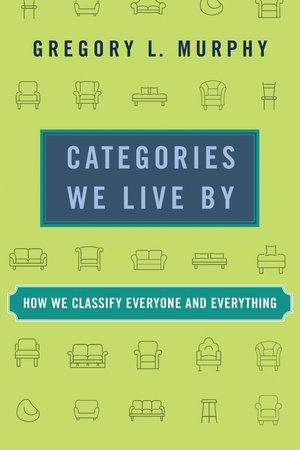
Murphy, Gregory L. Categories we live by: how we classify everyone and everything. Cambridge, MA: The MIT Press, 2024.

Many thanks again to MIT Press for the review copy and Prof Murphy for a great read.

Previously: DSM : fuzzy : categories

Tuesday, May 06, 2025

Book review iv: 'Categories we live by'

The introduction to part ii 'Case Studies' is quite prescient: 'Categories have consequences'. p.75.

Certainly timely in the UK as Prof. Murphy returns to gender and birth sex his first example at the book's start. 

Coincidental or not, categories do change. As we try to understand them it is vital we don't mess them up. Consequences follow for people who are subjected to the categorisation. People use them for stability, predictability, so change can be fraught for all. Personal and group identities can all be affected, and (recently) provisions in how 'spaces' are allocated and regulated - controlled.

At infant - junior school I remember the lack of awareness, understanding and empathy for peers affected by epilepsy, stigma was a thing then that wandered the classroom and playground. Through my career I've heard many clients recount experiences pointing to stigma and exclusion.

Of the case studies Murphy writes:
'Each chapter is a more-or-less self-contained case study (including other similar examples), except that chapter 7 is a more general meditation on how determining categories is used in the exercise of power. Some of the case studies get into the weeds, and if you find yourself not that interested in how species are defined, for example, you can skip ahead to the next chapter without losing much. Following part II will be a conclusion, which attempts to summarize some of the lessons learned from all these examples.' p.77.
Murphy's style is accessible, and the case studies are informative. The author is also accessible and responsive I must add. I prefer and need a physical copy of books to reduce screen time, but e-books have their uses. I'm sure I read a short sentence in the case studies that essentially contrasted the individual and collective in sociology. Can I find that word? No luck thus far. I may be mistaken but appreciate Prof. Murphy's reply and thoughts.

There's another 'news' coincidence on p.80 (Chapter 5 'Legal Categories'): are Santa Claus costumes 'clothing' and so subject to tariffs (also referenced)? Every person worldwide, has no doubt pondered on their marked grade in a test or exam - and 'where' this places them?
'In her review of a book about rules, Rivka Galchen (2022) admits to feeling a bit of despair in the end: "Rules that leave a ruler, Or a judge, in charge of interpreting them feel at once humanized and corruptible. Rules that allow no exception seem free of human frailty but alien, and unable to admit properly of complexity." It is very easy to point at what went wrong with an overly strict rule or with a judge who seems biased, but less easy to devise a system of categories that avoids every problem.' p.83.
I often frame the conjunction of the mechanistic axis and the group in Hodges' model in terms of what do need, or get when you have large groups of people? The political domain, including law and disorder is critical of course. Is 'utopia' the perfect system by definition? I like the way even prior to reference to Galchen, Murphy states how 'the precise borders between categories can be essentially arbitrary, and there is no way to avoid that arbitrariness if you insist on dividing things into categories.'. p.83. 

If this book was a BASIC computer program, the first command for Chapter 6 Psychodiagnostic Categories. might well be a 'GOTO' statement: Chapter 7 Categories and Power.

More to follow and nearly there - sadly.

Previously: identity : space : categories

Murphy, Gregory L. Categories we live by: how we classify everyone and everything. Cambridge, MA: The MIT Press, 2024.

Many thanks to MIT Press for the review copy - and the dose of serendipity:

Friday, May 02, 2025

Book review iii: 'Categories we live by'

In thinking about (with?) Hodges' model, I often feel there is a flip-flop nature to where exactly concepts sit; or more accurately the perspective (care/knowledge domain) from which they are viewed.

Murphy introduces dual-character concepts, 'which are things that have both a prototype (or rule) and an ideal.' p.30. and quotes from:

Knobe J, Prasada S, Newman GE. Dual character concepts and the normative dimension of conceptual representation. Cognition. 2013 May;127(2):242-57. doi: 10.1016/j.cognition.2013.01.005. Epub 2013 Mar 1. PMID: 23454798.
Do dual character concepts operate at varied levels, and in their association (semantic) proximity - relationship to other concepts? All this changing according to context.

Murphy explores the dual category nature of people who claim to be scientists, but are really following a hobbyhorse. That is not lost on me. Others, a baker is following scientific principles while not technically being a scientist p.31. The discussion on art - artists is also informative; turn the page, and that on RINOs - Republican In Name Only - is very timely! There are the problems that science itself can contribute. If you don't know your oxeye daisy from osedaxes you can find out here: fascinating. 

'Health' is dual category in a great many respects (and with a chapter to follow). Many have been and will continue to be discussed here:
  • person :: service-centredness
  • parity of esteem (mental - physical)
  • confusion - dementia :: delirium (infection, dehydration)
  • mental capacity :: best interests
  • community care :: 'in care'
  • clinical risk - positive risk taking
  • healthcare :: social care
There's a need for careful deliberation too as does this apply to any situation in which there is a smell of  dichotomy: good, or bad?

Chapter 3 'Categories in the World and in the Head' helps straight away - declaring a false dichotomy. For me, it's worth revisiting natural categories, natural kinds and essential categories and psychological essentialism. Get these right and surely that's a useful toolkit, or more accurately - first aid kit?

I'm grateful for the placeholder essence (p.46) from:
Medin, D. L., & Ortony, A. (1989). Psychological essentialism. In S. Vosniadou & A. Ortony (Eds.), Similarity and analogical reasoning (pp. 179–195). Cambridge University Press. https://doi.org/10.1017/CBO9780511529863.009
'Psychological essentialism should not be equated with the classical view that concepts are representations of classes of objects that have singly necessary and jointly sufficient conditions for membership. ... More generally, we propose that the knowledge representations people have for concepts may contain what might be called an essence placeholder. There are several possibilities for what is in such placeholder. In some cases, but by no means in all, it might be filled with beliefs about what properties are necessary and sufficient for the thing to be what it is. In other cases it might be filled with a more complex, and possibly more inchoate, "theory" of what makes the thing the thing that it is (see Murphy & Medin,1985). It might, additionally, contain the belief (or a representation of the belief) that there are people, experts, who really know what makes the thing the thing that it is, or scholars who are trying to figure out exactly what it is. Just as with theories, what the placeholder contains may change, but the placeholder remains.' pp.184-185.
Hodges' model provides four placeholders. In reading and watching videos on category theory, it appears there is a role for 'placeholders'. I realise the applications - contexts differ, but analogies are powerful too.

Regards, classification as an exercise in convenience, despite the emphasis upon evidence, how often even in clinical matters does it come down to convenience? More to follow on this.

I've never wanted Hodges' model to be a grab-bag for keywords, concepts - categories! So it helps ease that concern, in chapter 4 to see words and categories contrasted. I always wondered about the media's preoccupation with the Inuit and 'snow'. 'Salient' is here as expected in 'Language, Culture and Categories' and with the Sapir-Whorf hypothesis p.53. And, of course, nursing and everything else relies on language p.57. Prof. Murphy's mention of children figuring out when it comes to language, and adults just how crazy it - the rules - can seem. While impossible, by definition, I had this thought of toddlers instigating a class action to get things put right. I like the way Murphy reaches across cultures for answers, highlighting the field of ethnobiology p.61. The appeal of this is exaggerated as it stretches across Hodges' model diametrically [sociology - sciences]. I'm still on the look out for models possessed of an 'otherness', that retain legitimacy, validity where and for whom they are employed. (There is much to debate there still.) The objective and subjective dimensions also loom large. I remember a meeting concerned with nursing terminology 1990s, with reflection on the terms used for injection across the UK. That in itself demonstrated wide regional variations that also give pause for thought.

More to follow, with Part 2 'case studies'.

Murphy, Gregory L. Categories we live by: how we classify everyone and everything. Cambridge, MA: The MIT Press, 2024.

Many thanks to MIT Press for the review copy.

See also:

Categories are destiny' Freud p.6. of 'Categories we live by'


Monday, April 28, 2025

Book review: 'Categories we live by' ii

In that first post I felt a bit guilty getting bogged down in the introduction, and not really saying much about the book itself.

Well, Chapter 1 is the 'Introduction' so that is great, and as you may be I am swept up by what's between the covers. Speaking of which, this is an effective design, and green colour; especially for a northern reading in March - May.

The book is slim considering the topic, 164 pages, plus just over a page of notes, four and a half of references and an index. It is, I think a slightly larger format paperback but fits well in the hands for outdoors reading. The fonts and layout are clear.

Murphy's style is straightforward and readable. It is not technical, but includes terms such as classification, nomenclature, and domain [ ;-) ]. The division into two parts, lends itself to a wide readership, the second part providing case studies giving the book a pragmatic, practical emphasis. I'll post again about chapters 6 & 7 on Psychodiagnostic Categories; and Categories and Power respectively (brief, but a joy!).


Before moving on from the Intro, Murphy explains how the same category may be thought of in different ways at different times' and encourages us to be 'critical of our categories'. p.12. This stands out for me. Especially being suitably equipped to critique our categories as we use them.

Chapter 2 on The Classical Tradition, has a natural starting point; describing Aristotle (with his book Categories), essences, definitions with properties that are necessary and sufficient p.14-15.
'Necessity: If it's in the category, it has the features,
Sufficiency: If it has the features, it's in the category.' p.15.

I was prompted to reflect on relations and identities here. While I suggested the book is not technical, there is a important point about dictionaries and the definitions we seek there. We should remember that many members of the public would still rely on what is the classical way to create, confirm category membership: there must be a rule.

Wittgenstein follows pp.17-20, but I took note of:
'The problem is that necessity and sufficiency are in tension with each
other. As you make the list of properties longer and longer, it's more likely
to be sufficient but less likely to be necessary. Forming a list of features that
are both necessary and sufficient is usually impossible.' p.19.
I pencilled in (Eleanor) Rosch on p.13, and on page 21 her contribution to the destruction of the classical world is described; with other researchers. The book is well referenced, without being intrusive. Murphy provides specific pointers, suggesting further reading and skipping a chapter. Helpful, given how precious time is these days.

There is a critical invitation on page 13: 

'Want to start an argument with someone? Ask them whether a stove is a kitchen utensil or nursing is a science.'

I wonder if nursing theory colleagues in the United States and globally have already responded?

More to follow - surely!

Murphy, Gregory L. Categories we live by: how we classify everyone and everything. Cambridge, MA: The MIT Press, 2024.

Many thanks to MIT Press for the review copy.

Monday, March 17, 2025

1st Seminar Series: "Violence, Memory, Networks" - Interdisciplinary Connections

Dear colleagues,

The first session of the seminar "Violence, Memory, Networks" will take place on 19th March, 2025, at 2.30 pm (GMT), exclusively online.

In this session, Caroline Elkins (Harvard University, USA) will speak about "Legalized Lawlessness: Violence and the End of the British Empire" and Max Silverman (University of Leeds, UK) will bring us a communication on "Concentrationary violence and the everyday: the Zone of Interest (Jonathan Glazer, 2023)".

Registration is free but mandatory: https://forms.gle/brgNcR6hk6dxf7gu7

Event website: https://www.uc.pt/fluc/seminarvmn/

We would be very grateful if you could publicise the event through your channels.

Looking forward to see you soon,

The organising committee.

My source: https://www.uc.pt/fluc/ief/

Tuesday, March 11, 2025

Joint-carving - 'The First Cut is the Deepest' c/o Traldi

Last Friday I joined in another online session of the Argumentation network c/o Andrew Aberdein and Kat Stevens. 

The subject was “The Epistemology and Politics of Redefinition” by Oliver Traldi.

As ever, it was interesting, technical, relevant and a prompt to concepts new, briefly encountered previously. I can't remember if in the talk, or Q&A, but mention was made of 'joint-carving' but I checked some sources:
'Because properties are so abundant, they are undiscriminating. Any two things share infinitely many properties, and fail to share infinitely many others. That is so whether the two things are perfect duplicates or utterly dissimilar. Thus properties do nothing to capture facts of resemblance. That is work more suited to the sparse universals. Likewise, properties do nothing to capture the causal powers of things. Almost all properties are causally irrelevant, and there is nothing to make the relevant ones stand out from the crowd. Properties carve reality at the joints -- and everywhere else as well. If it's distinctions we want, too much structure is no better than none.' p.346.
Lewis, D. 1983. New Work for a Theory of Universals, Australasian Journal of Philosophy, 61(4): 343–377. doi:10.1080/00048408312341131

'Though the facts or truths that the realist judges mind-independent are most commonly put in terms of a kind’s ‘naturalness’ (or lack thereof), they may be formulated in alternative locutions, such as the ‘reality,’ ‘non-reality,’ or ‘artificiality’ of a kind or kinds. For example, that human races are not real, or that protons form a natural kind, both express such facts. Equivalently, Plato’s famous carving metaphor may be used to do so, as when it is asserted that the classifications of the DSM-5 do not carve nature at the joints. For the sake of expository simplicity I will exclusively use the language of ‘naturalness’ here, but translations into alternative terminology are straightforward.'
Franklin-Hall, L. 2015. Natural kinds as categorical bottlenecks. Philosophical Studies 172 (4):925-948.


Further, Sass writes:
'The goal is to have a consistent and informative test for what counts
as a realist versus an anti-realist view about natural kinds. Bird’s(2018) taxonomy,
building on Hawley and Bird(2011), focuses on the questions of whether natural
kinds exist, and if so, what sort of entity kinds are. Franklin-Hall’s (2015) taxonomy
focuses instead on whether kinds are individuated by a mind-independent principle,
or whether kinds “carve at the joints”.1 This paper focuses mainly on the issues raised
by Bird’s (2018) taxonomy.' p.11862.
Sass, R. 2021. An ontology of weak entity realism for HPC kinds. Synthese, 198(12), 11861–11880. https://www.jstor.org/stable/48692794 [ homeostatic property cluster (HPC) theories of kinds ].

In the past, I've written about the (nursing, IT, psychological...) models muddle. At the risk of adding to my muddle, Traldi's presentation is a timely prompt. Timely, because trying to looking at Hodges' model as a mathematical object, it needs to be stripped down to its bare components (and purposes?). Is redefinition the order of the day? I will leave defining the components to one-side at present (in drafted notes). But even from Hodges' model as a template, with its (two) axes and (four) domains we can (must) consider:

1. The two axes taken as a whole - do they intersect, or not?*

Relationally, the axis between:

INTERPERSONAL | SCIENCES
SOCIOLOGY | POLITICAL
INTERPERSONAL - SOCIOLOGY
SCIENCES - POLITICAL

2. Each axis (treated independently) to the centre of Hodges' model. (See 1.)

The conjoining of axes (do they?):

The INDIVIDUAL - HUMANISTIC and INDIVIDUAL - MECHANISTIC.

The HUMANISTIC - GROUP and GROUP - MECHANISTIC.
                                
Hodges' model
I won't continue now, but I have wondered if one axis is primary? Which one comes first? Faced with a blank piece of paper, or flipchart ... which axis gets drawn first?

In guided discovery workshops, teaching sessions I have been directed by the context and duty of care. Given that this is clinical then the I-G is where I start, or lead the discussion.

Perhaps, (as per the previous post) there is a safety dividend in having to consider this question more formally (forcibly)?


I remember Rod Stewart's rendition of  'The First Cut is the Deepest' - even as governments work to make this cut as shallow as possible.

The INDIVIDUAL - GROUP cut: has it every time.

Previously: 'argumentation'

Saturday, March 01, 2025

Paper: Human social genomics i

Abstract

'The exciting field of human social genomics provides an evolutionarily informed, multilevel framework for understanding how positive and negative social–environmental experiences affect the genome to impact lifelong health, well-being, behavior, and longevity. In this review, we first summarize common patterns of socially influenced changes in the expression of pro-inflammatory and antiviral immune response genes (e.g., the Conserved Transcriptional Response to Adversity), and the multilevel psychological, neural, and cell signaling pathways by which social factors regulate human gene expression. Second, we examine how these effects are moderated by genetic polymorphisms and the specific types of social–environmental experiences that most strongly affect gene expression and health. Third, we identify positive psychosocial experiences and interventions that have been found to impact gene expression. Finally, we discuss promising opportunities for future research on this topic and how health care providers can use this information to improve patient health and well-being.'

Slavich GM, Mengelkoch S, Cole SW. Human social genomics: Concepts, mechanisms, and implications for health. Lifestyle Med. 2023; 4:e75. https://doi.org/10.1002/lim2.75
 

Lifestyle Medicine
For ongoing study of Hodges' model this is an interesting paper, especially in seeking to bridge the humanistic and mechanistic axis, and the social (soft) sciences and (hard) sciences. In trying to view Hodges' model as a mathematical object (categories, objects, relations ..) and extend the bio-psycho-social model (as needed urgently) of medicine (health and social care) the focus of this paper can help us explore the determinants.

It may be possible using Hodges' model, to identity (isolate) some specific ways in which conceptual models are idealised. They can reveal the nature and extent of situations - compositions, formulations and relationships (scope of practice?), but in practice of course we cannot set a situation* in aspic.


This may be important (essential) when we consider the determinants of health globally (across all the domains of Hodges' model).


Individual
|
      INTERPERSONAL    :     SCIENCES               
HUMANISTIC  --------------------------------------  MECHANISTIC      
 SOCIOLOGY  :    POLITICAL 
|
Group


Genomics

Social Genomics


*Hodges' model is situated.

To revisit ..

Friday, February 21, 2025

Rediscovering nursing ...? [ concepts-maths i/iii ]

   Individuals


'In the Introduction to his landmark book, Individuals Peter Strawson talked of the “massive central core” of human thinking that has no history … categories and concepts which, in their most fundamental character, change not at all”.'

'Strawson’s central core revolved around the need for us to identify persistent objects in a unified framework of space and time. He was not troubled that with the arrival of special and general relativity our concepts of space and time had changed, nor that our concept of middle-sized dry goods had changed to accommodate what we suppose to be their constitution by quantum particles.'


Blackburn, S. Rediscovering the Past, The Philosopher's Magazine, 1st Quarter 2018. 80: 72-73. 
https://archive.philosophersmag.com/rediscovering-the-past/

Strawson, P.F. (1964). Individuals (1st ed.). Routledge. https://doi.org/10.4324/9780203221303

https://www.taylorfrancis.com/books/mono/10.4324/9780203221303/individuals-strawson

See also:

How 'divine' is the language of care?


Monday, November 25, 2024

The naïve approach

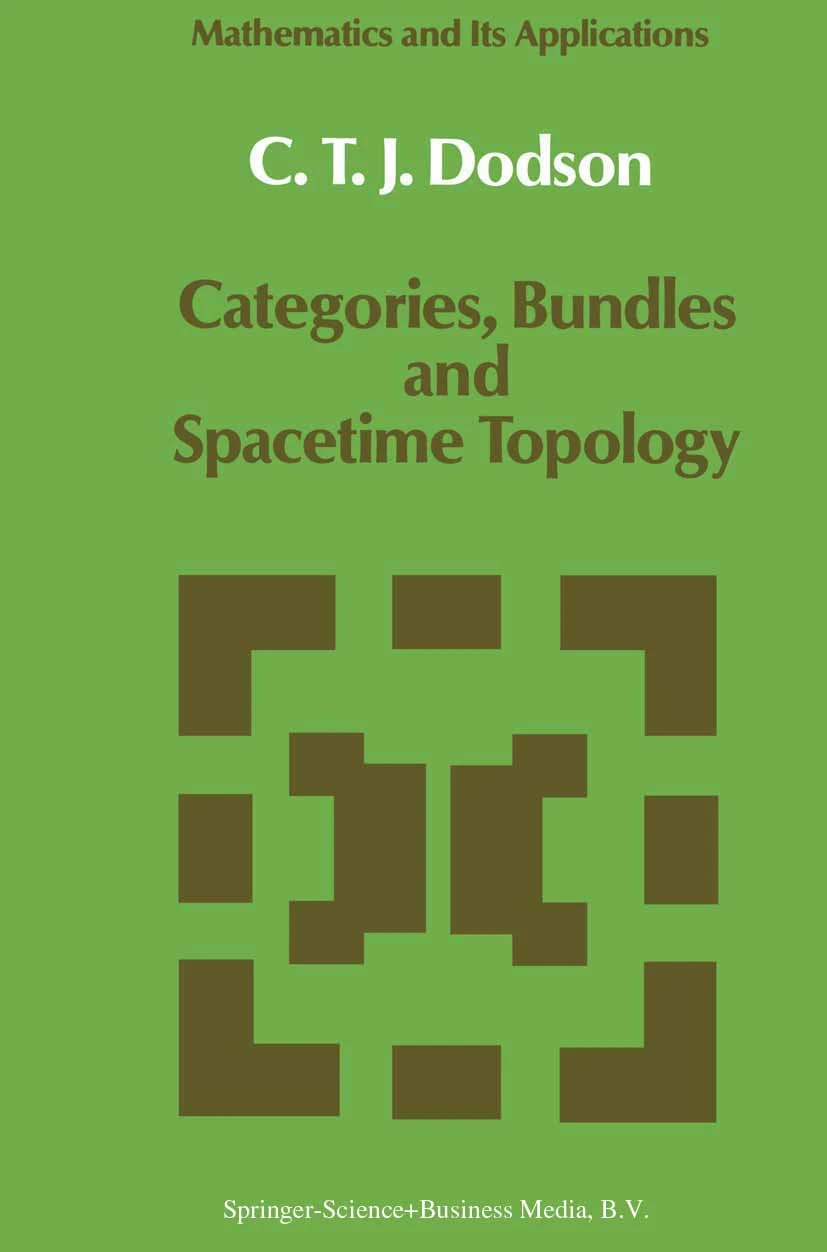
Categories, Bundles and
Spacetime Topology 
 

'First steps' are by their nature plagued by uncertainty of intent and direction, ungainliness, missteps, stumbles and ('finally') possibly falls.

Finding a starting point can be difficult.

Where to find a hand-hold, place one's foot, or other anchor?

At Lancaster University library I came across this book, first published in 1980. The cover displayed is from the 1988 edition.

In order of appeal I read:

applications, categories, spacetime and topology.

Section I starts with Preliminaries: Notation and Abbreviations; always useful (reminder).

The next, Section II Naïve Category Theory, had my immediate attention. We often speak of learners as being naïve. As lifelong learners we all meet this descriptor. I keep revisiting this word, concept - 'naïve'.

Naivety is a starting point for practitioners in health and social care too. Hence the need for supervision, mentors, the tokens of probationary (driver) and 'newly qualified'. 

Many posts on W2tQ stress the diagrammatic quality of Hodges' model. It is visibly a 2x2 matrix, (once again..) beloved of management consultants, psychologists and change agents. In Section II Dodson recognizes the London Underground map as a graph. A small example is developed, explained and illustrated on p.6. 

Graph example, drawing on the London Underground. p.6.

Section II may be a small part of the overall book but it is invaluable to me. As the photo above suggests, the book is old, especially as 1st edition. I will try to access the 2nd edition. If this work is a project with which you can (more ably!) assist, I would greatly appreciate your input. The aim is to signpost Hodges' model as a potential focus for all researchers. Especially researchers interested in trying to conjoin the sciences and humanities and develop visualization in the latter. 

C.T.J. Dodson. Categories, Bundles and Spacetime Topology. 1st Edition, Shiva, Kent. 1980.

Previously: 'math'

'Diagram' resources listed on former, now archived website.

Friday, May 10, 2024

Towards isomorphisms in Hodges' model

"The concept that best captures the process of homogenization is isomorphism. In Hawley's (1968) description, isomorphism is a constraining process that forces one unit in a population to resemble other units that face the same set of environmental conditions. At the population level, such an approach suggests that organizational characteristics are modified in the direction of increasing comparability with environmental characteristics; the number of organizations in a population is a function of environmental carrying capacity; and the diversity of organizational forms is isomorphic to environmental diversity." p.149.

"We identify three mechanisms through which institutional isomorphic change occurs, each with its own antecedents: 1) coercive isomorphism that stems from political influence and the problem of legitimacy; 2) mimetic isomorphism resulting from standard responses to uncertainty; and 3) normative isomorphism, associated with professionalization. This typology is an analytic one: the types are not always empirically distinct." p.150.

DiMaggio, P. J., & Powell, W. W. (1983). The Iron Cage Revisited: Institutional Isomorphism and Collective Rationality in Organizational Fields. American Sociological Review, 48(2), 147–160. https://doi.org/10.2307/2095101

"Some of them went further, using approaches based in political economy, world systems theory, and theories of neocolonialism and underdevelopment to show that economic imperatives on a global scale were a major force in shaping education worldwide. Others interpreted such change through an institutional lens, arguing that the convergence toward accepted models of modernity has resulted in a process of educational isomorphism within and across countries." p.1.

Carnoy, M., & Rhoten, D. (2002). What Does Globalization Mean for Educational Change? A Comparative Approach. Comparative Education Review, 46(1), 1–9. https://doi.org/10.1086/324053

"The movement is inspired by Rudolf Virchow (1821-1902), who coined the term zoonosis, arguing that there should be no dividing lines between animal and human medicine. This position has been gathering momentum in the last fifteen years. The One Health Initiative is a rather daring interdisciplinary alliance that unites physicians, osteopaths, veterinarians, dentists, nurses, and other scientific-health and environmentally related disciplines, on the basis of a simple hypothesis, which is the isomorphism of structures between humans and animals in immunology, bacteriology, and vaccine developments. This means that humans are both exposed and vulnerable to new diseases, like bird flu and other epidemics, which they share with animal species." p.16.

Rosi Braidotti. (2015). Yes, There Is No Crisis. Working Towards the Posthumanities. DiGeSt. Journal of Diversity and Gender Studies, 2(1–2), 9–20. https://doi.org/10.11116/jdivegendstud.2.1-2.0009

"The chapter begins by developing the logic of strategic voting in a single- member district system, thus won by whichever party or candidate gets the most votes (first past the post, or FPTP). This represents the simplest and easiest case for the logic of strategic voting, and similarities (and sometimes theoretical isomorphism) exist between strategic voting— sometimes called instrumental voting (or voting as an investment)— and expected- utility maximization." p.3.

Aldrich, J. H., Blais, A., & Stephenson, L. B. (2018). Strategic Voting and Political Institutions. In J. H. Aldrich, A. Blais, & L. B. Stephenson (Eds.), The Many Faces of Strategic Voting: Tactical Behavior in Electoral Systems Around the World (pp. 1–27). University of Michigan Press. http://www.jstor.org/stable/j.ctvh4zhzr.4 

"Let us take a closer look at this important topic: what might be termed the isomorphism between the realm of care and the realm of perception/oikeiôsis-allotriôsis." p.57.

Joaquim Braga & Mário Santiago de Carvalho (eds.) (2021). Philosophy of Care - New Approaches to Vulnerability, Otherness and Therapy. Cham: Springer Verlag.
https://link.springer.com/book/10.1007/978-3-030-75478-5

- will add here ... suggestions welcome h2cmng AT yahoo.co.uk

Wednesday, May 01, 2024

Hodges' model: A tool for Curation

CURATION
"Curation helps solve the problems of today and tomorrow. It's the mass sourcing of the expertise needed to navigate and comprehend the saturated, complex markets* of the twenty-first century." p.166.

Bhaskar also lists (and briefly introduces) the principles of curation:
  • Saving time
  • Freeing cognitive resources
  • Sparing us anxiety
  • Maximising utility
  • Cutting down complexity
  • Finding quality
  • Overcoming information overload
  • Creating contrast 
  • Redefining creativity
  • Channeling attention
  • Providing context
  • Beating overproduction (pp.167-168).

*To markets above, I would add disciplines and professions.

By definition an aide-mémoire should save us time. 

The structure of Hodges' model provides a conceptual scaffold, a substrate affording us cognitive economy.

Through selection (self guided discovery) we are assuring data, information gathering, properly supervised this should spare us anxiety.

We are trying to ensure the effective use of our time, and efficiently zero-in on the concepts that are salient.

By reducing complexity, we increase the relevance and value of what is noted, recorded, acted upon. Data, facts, observations that are not redundant can be dismissed.

Contrast is co-confirmed by using innate oppositions, polarities and dichotomies with attention on the other and the middle.

When needed, Hodges' model can explode subject headings, concepts assisting exploration and creativity, potentially assisting at a transdisciplinary level.

Context rationalisation by testing and filtering a situation, helps to focus attention.

Duplication and repetition do not foster sustainable services, but there should always be scope for verification and person-centredness.
"As the eighteenth-century English painter Joshua Reynolds put it, 'Simplicity is an exact medium between too little and too much.' Curation helps ensure that exact medium." p.159. 

Bhaskar. M. (2016) Curation: The power of selection in a world of excess. London: Piatkus.

Book image: Waterstones.

See also: Is Hodges' model a selection machine?