Hodges' Model: Welcome to the QUAD: Search results for classification

Hodges' model is a conceptual framework to support reflection and critical thinking. Situated, the model can help integrate all disciplines (academic and professional). Amid news items, are posts that illustrate the scope and application of the model. A bibliography and A4 template are provided in the sidebar. Welcome to the QUAD ...

Showing posts sorted by relevance for query classification. Sort by date Show all posts

Friday, January 21, 2022

Webinar: WHO Classification of Self-Care Interventions for Health - Feb 14th

Webinar to present the WHO Classification of self-care interventions 

 09:00 Washington / 15:00 Geneva

This classification aligns with a people-centred approach to health and well-being outlined in the WHO global Guideline on Self-Care Interventions for Health and Well-being. This classification has a health system focus and aims to promote an accessible and bridging language for researchers, policymakers, donors and health programme managers working on self-care. 

Please register here:

https://attendee.gotowebinar.com/register/7796921047088796688

WHO resources on self-care interventions: 

 https://www.who.int/health-topics/self-care#tab=tab_1

WHO Classification of self-care interventions: 

https://www.who.int/publications/i/item/9789240039469

We look forward to your participation! 

Ados V. May, MPA | WHO/IBP Network

Senior Technical Advisor

email: ados.may AT phi.org


  Self - Individual - Person
|

INTERPERSONAL : SCIENCES
humanistic ------------------------------------------ mechanistic
SOCIOLOGY : POLITICAL
|
Community - Group - Population
 Classification of Self-Care
Interventions for Health
Classification of Self-Care
Interventions for Health

Service planning and development
Public engagement
Informal carers
Social care
Care Givers
Accountability
Value for Money
Population Health
Users

Patient - Self - Citizen Research?


Health For All
Human Rights
Health Services
Reporting, Statistics and
Planning, Standards
Information Systems Infrastructure
Governance, Regulation

Population Health
Finance, Value for Money
Outcomes - Policy:
National - International
Sustainability


My source: IBP Network


Friday, August 27, 2010

Drupal musings 12: Semantic Web, ICNP, Case studies and Care domains

Drupalcon 2010 Copenhagen is over for me. It's been a really useful week: awesome indeed. My head is dizzy with all the options, sources and resources to consider. I will contact the London Drupalcon group for 2011 with some suggestions regards beginners, networking and outreach.

Ever since setting off on the Drupal road, the semantic web has been a constant item of street furniture. In Szeged '08, Paris last year and this past week in Copenhagen the semantic web, RDF and terminologies have had a pivotal presence. I did not attend all the rdf / SW sessions but Wednesday's Semantic Terminologies was sit on the floor popular (even though at that point the program hit a bottleneck from 6 to 3 streams). Whatever the cause - I was there, late and my pivot ached (no padding!).

As a Drupal 7 prelude I'm creating a Drupal 6 site, a basic homepage for someone. The content for the latter is fixed - sorted. Apart from the pages for the archive, the new h2cm content involves me figuring out how to combine:

  1. the health career model;
  2. nursing - in theory and practice;
  3. external sources and resources;
  4. and Drupal.
Johannes Wehner's terminology session above did not emphasize RDF, but highlighted Open Linked Data by means of Open Calais as a tool to extend existing content. I've downloaded the Drupal OC module and obtained a key.

As for the list: #1 The health career model is straight forward really. Four care domains - get on with it! From there though it is quite a reach to encompass #2 & #3. My options appear to be:
  • free tagging, auto tagging - let the users of the site decide;
  • pre-define a data set, a terminology (classification) for the health career model;
  • use an existing nursing classification / terminology scheme - perhaps a subset.
Before I decide I need to be aware of what is available. I e-mailed Derek Hoy in Scotland - contact for the International Classification for Nursing Practice® [ICNP]. This is another thing I pick up, put down. ... Now thanks to Derek I'm sorted now with ICNP downloaded (and I will need a module to import .csv files). There are videos on the ICNP website.

I have followed the development of nursing terminologies for quite some time. The most striking thing to me is how removed they are from the day-to-night life on wards and other care encounter situations. With mental health as a Cinderella in terms of the politics and recognition of nursing service provision I am in effect professionally twice removed. For the vast majority of nurses on the ground and from where I work in community mental health the ICNP, SNOMED CT, Omaha and other schemes are rather esoteric things. They are there in the background, part of management and reporting 'function'. This is not to say that the above initiatives have few followers, or lacks experts in this field. Make no mistake nursing has its own geeks, nursing classification its experts!

The scope of ICNP makes it a great candidate (from the website) -

Diagnosis/outcome

Interventions

Individual 7 axes

  1. focus
  2. action
  3. client
  4. judgement
  5. location
  6. means
  7. time
Plus:
  • it's International;
  • it's by nurses, for nurses;
  • it has momentum (political and financial support);
  • So it is credible, and research based.
Despite this, I must take a critical look at what is available for my needs and time available. All the above provide way too much for a first bash - prototype, proof of concept. I have the luxury of not worrying about safety. My project does not constitute an electronic health record or other variant. Yes, I want to prove the health career model and to this end I must also find or create several nursing case studies to interrogate within Drupal and h2cm.

Perhaps as things improve economically, nursing classification will be revived and will allowed the time to fully mature? I recall in 2006 plans to explore mental health within SNOMED which unfortunately did not materialise. So, when I say mature, I mean like cheese in the holistic senses of the ingredients: nursing care concepts across contexts that also incorporate self-care, recovery, demographic trends ...; and the process across communities of practice (integrated care) through to academic and management applications - research / reporting.

In March 2010 plans were announced of plans to harmonize the efforts of the ICNP and SNOMED CT nursing.

So, with a possible jumpstart - a sprint for my site this autumn in Manchester, UK and work afoot to make nursing classification matter on the 'ground' there is more to follow on several fronts. ... I remember a presentation Derek did in the 1990s about classification and making nursing visible - let's do it!

contact: h2cmng @ yahoo.co.uk

Sunday, September 05, 2010

compose, direct, conduct and 'dilute to taste' outcomes

In Drupal musings 12 I mentioned that the classification of nursing practice is not necessarily at the forefront of nursing's mind set against the turbulence and rush of clinical areas.* This is especially so at the moment as nurses on wards, clinics and community try to identify savings.

I am interested in classification in part as this is a raison d'être for the health career model; on a mental (cognitive) level, in practice and potentially in virtual representations of health care activities. For learners it is an extra to hold the bicycle saddle for those first turns of the pedals. Additionally, for those who have completed many rides and races (lifelong learners) they can reflect on how they got there, and plan for the next round.

As a conceptual framework then h2cm is, like classification, in the background. The model can help to compose, direct and conduct (c-d-c) nursing (health and social) care. Classification matters to ALL nurses because we need to know not only the c-d-c of nursing but the outcomes too.

If all the above is in the background, then together with classification the health career model can help differentiate nursing as a discipline and make nursing visible. We can only take heed of the adage "divide and conquer" by being able to differentiate nursing from other disciplinary contributions. Then perhaps we can truly identify and so define the facets of integrated, interprofessional and multidisciplinary care that must also be person-centred. As nurses and the team respond to the individual's trauma (assault, illness, chronic disease ...), they can also assure their combined values, which must be defined and articulated if there is to be a unified philosophy.

If the respective professions have not noticed (I am sure they have) 'professionalism' is itself under assault in terms of unique knowledge and skills, respect, power and status. To a degree this a good thing. It is also called 'progress': countering restrictive practices, improving service access and challenging institutionalised and state paternalism. Professionalism is accorded for reasons of accountability, education, responsibility, integrity and advocacy. Amid the public (mental) health disaster that we face - the professions - are needed more than ever and if the assault is taken too far ... ?

* Should you know of examples where classification IS at the forefront of nursing practice please let me know - h2cmng @ yahoo.co.uk.

Friday, March 26, 2010

MCQ (question) on clinical coding and classification

Q. The development of clinical coding and classification systems, such as International Classification of Diseases (ICD) is …

  1. a manifestation, since the 1960s, of health care specialisation and technology in medicine?
  2. a product of the National Programme for Information Technology and the International Health Terminology Standards Development Organisation (IHTSDO)?
  3. a product of Körner statistics and resource management in the 1990s?
  4. a product of the 18th century driven by death?
  5. an international initiative prompted by The Plague and launched by Dr Who?

Answer and further reading to follow next month.

Saturday, May 10, 2025

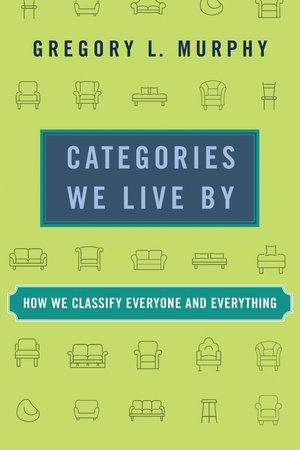
v Book review: 'Categories we live by'

Our lives and careers (hopefully) are full of bridges, some recognised, but not taken, others passed-by on our way (and unseen). Before I completed my training as a student mental health nurse beginning in 1977, I saw a critical bridge between the knowledge and skills on mental health nursing and general nursing. Crossing this bridge was essential (for me) to being a registered 'nurse'.

Chapter 6 on Psychodiagnostic Categories is a gift therefore. It's a gift because another bridge emerged in 1980-1981 with the Sinclair microcomputers and advent of 'home computing'. With a ZX81 there was going to be a need to navigate this space between the what is human and what is machine. Two categories that remain key concerns today.

The DSM (Diagnostic and Statistical Manual of Mental Disorders - published by the American Psychiatric Association [APA] ) is on the chapter's first page, plus the patient, researchers, psychiatrists and the conditions learned during their medical education, contrasted with individual psychiatrist's clinical encounters with patients. 

Very quickly (the next page p.86) Murphy identifies the 'circumstantial factors' that cause mental illness. This is very positive as acknowledging the determinants across health is key, however framed, e.g. social determinants, economic, educational we must take into account all of them. Otherwise our assessment must be considered as incomplete, or at least lacking?

The utility of Prof. Murphy's short book is in how prior to the case studies we see the problem of definitions. And how what is determined is often a matter of convenience. This is a non-trivial matter - especially in health, economics, sciences, politics, future and peace studies: you get the idea...

Of immediate relevance in the USA is the need for categories for insurance purposes. It is an industry. Yes, indeed: 'The truth is that psychiatric patients vary in every possible way', p.86. Computers of course are well-equipped to help us in the creation, revision and publication - access to categories; with classification, taxonomy, nomenclature ... also in the mix. I was reminded of WHO's history of classification (see below) which I point students and colleagues to.

The way DSM is applied is explained and the politics duly noted (especially in Chap. 7). Resort to 'miscellaneous' is described as a sign that 'the categories are not necessarily picking out 'natural kinds'. I remember in the 90s, our PICK database on a community mental health project had Murphy's 'X' not otherwise specified. I don't think I read the word 'caseness', but there is a lot 'inside'!? References are ongoing. I wondered if there could be more recent examples, but perhaps this is in turn symptomatic of categorisation tending to be the rear car? Fuzziness is discussed. Plus, the observation that 'a few psychiatric categories may be true natural kinds, like gold or rainbow trout.' p.89. 

'Change' is a mantra for all disciplines in the NHS and global healthcare. So pragmatic to see how revision and change in the DSM can be used by - dare I mention - anti-psychiatry advocates and clinicians as to what change represents to these respective interest groups? At a time when research is experiencing funding changes, Murphy contrasts how DSM was developed for the use of clinicians to identify people with similar profiles, but they were not developed to identify (research - Nat. Inst. for Mental Health) underlying causes. Raising the determinants once again, p.91.

It is obvious but as personnel and Brits may look at private medicine with coding purposed for insurance purposes; there is within the NHS (public-funded healthcare) and psychiatry (a single domain too) within and the need by patients for diagnosis, and the welfare system. Here in the UK the rise of mental health in young adults, autism and waiting lists for assessment for ADHD are a moot point.  

Through Hodges' model we some possibly fascinating bridges, that are much less-travelled these days? In many cultures, even if we do not need permission to be sick, it needs to be recognised socially - and so politically. Society needs to deal with individuals who are ill, infirm, disabled. It's interesting then to reflect on this issue and phenomena through the lens of anthropology and medical sociology. Murphy warns to of the dangers 'of thinking of something as being the category'. In medicine a new approach is needed, as Murphy also notes. A nice bridge to chapter 7 Categories and Power.
'The case studies discussed in the previous chapters remind us that categories can be political and social tools. An old department chair of mine had the saying, "She who sets the agenda controls the meeting." We might coin a new one, "Those who make the categories control the outcomes." If your psychodiagnostic categories are made by working therapists and physicians, they might facilitate treatment- -and also benefit those practitioners. If they are made by researchers, they might not be very useful for treatment at all. And if they are made by insurance companies, all bets are off.' p.95.
Trying to take my attempts to find theoretical underpinning (category 'trying to clever') I've a diagram scribbled here. Nearby, p.100, I picked up on 'the cost of losing information or distorting reality to some degree.' Murphy picks up on the ICD Int. Classification of Diseases here. Twitter is still twitter here - thumbs up for that! There is a useful example of the impact of categories in age, pregnancy and medical attention provided.

From Chapter 8, I picked out: Naming Nature: The Clash Between Instinct and Science, by Carol Kaesuk Yoon. W. W. Norton: 2009. 352 pp. £19.99/$27.95 9780393061970 | ISBN: 978-0-3930-6197-0; and checking, I remember the book's cover. Murphy's book overall highlights the convenience of our categories, the ongoing challenges and everyday conundrums they present though the remaining chapters on Species (8); Peanut Butter, Potato Chips, Almond Milk... (9); Racial Categories (10). These all contribute, still building a coherent picture, chapter 10 vital among them with a url provided (which may have changed):

https://anthropology-tutorials-nggs7.kinsta.page/adapt/adapt_4.htm


The one-drop rule (David, 1991) on p.126, is deeply troubling. Especially so given some examples of human reasoning even today. Medicine, by way of blood tests, features again. I smiled wryly reading how people from different countries have different rates of disease, e.g. 'heart disease in Scotland'. Instantly, and crackling - a deep-fried Mars bar popped into my mind. 

The things people do. You - really could read this book! 

Murphy, Gregory L. Categories we live by: how we classify everyone and everything. Cambridge, MA: The MIT Press, 2024.

Many thanks again to MIT Press for the review copy and Prof Murphy for a great read.

Previously: DSM : fuzzy : categories

Monday, January 05, 2015

Book review: Quinn's Principles and Practice of Nurse Education [ 6th Edition ]

I owned the 3rd edition of this book and approached the publisher for a copy of the most recent, which is gratefully received. This review is quite delayed in fact, I've a few other reviews to get on with too.

From the outset while a book on nurse education, the text serves general students and practitioners in education in parts one and two. I completed my PG Cert almost twenty years ago and this book would be an asset to current students (see the content listing for parts 1-2 below). There are many technical concepts within what is a comprehensive text; for example, there are 54 index entries related to 'assessment'.

Much of the book's value is accentuated for readers here in the UK. Here is an established and high quality textbook that provides a UK perspective. As a 7th edition the references for each chapter are expansive taking in key historical sources and more recent publications. There are many illustrations in the form of flowcharts and figures. Following each chapters references, suggested further reading is provided. Review exercises at the end of chapters serve the added purpose of sign-posting content. The information architecture and design of the book makes for a logical, clear and readable experience. Even if the content were lacking, which it is not, the book is fairly substantial at 550 pages. The book is well produced, the paper quality (lending to the weight) and the binding works! Yes, the binding serves to secure the pages and works well when the book is opened flat. This is an obvious requirement and yet so frequently it is a struggle.

As to specifics: Parts 1 and 2 are a welcome refresh. The discussion on thinking and critical thinking are sufficiently detailed and of special interest (pp.58-66) to me. Intuition receives a 'nod' with a dedicated paragraph on p.66, sufficient no doubt to give our students a troubling 'prod' in their future and ongoing careers? I wonder if pages 51-59 might benefit from review and more references, acknowledging what is a well-executed historical account within part 1? An educational challenge I am pondering at present is that of values within nursing. How can we teach these (including the 6Cs)? Amongst what is new to the book is that it meets NMC standards. It would be easy to produce a list of omissions, but I would expect to see abuse, safeguarding, whistleblowing, and vulnerability in this book. How students encounter these concepts and subsequently learn about such sensitive topics must be critical to their insight (life experience to date), self-awareness and skills development. Reflection is very well represented throughout the parts of the book which encourages my efforts with Hodges' model.

I mentioned the book's relevance to current PG Cert Education students and must add that I have referenced the text in a paper for my current studies in technology enhanced learning. On this front the publishers clearly recognise the extended potential of additional e-learning services through CourseMate. An Instant Access Card accompanies the book. Part 4 extends this relevance to continuing professional development and lifelong learning. Chapter 11 is very helpful for its practical dimension, describing placement learning, link lecturers, mentoring and the challenge of the failing student. Sometimes ESOL - English for Speakers of Other Languages is a factor and 'language' could be noted more specifically. This is not a matter for student selection but should be ongoing and would also be addressed within the public (equality and diversity pp.129-134). In mental health I am acutely aware of the importance of communication skills. This comprehensive treatment includes supervision, sign-off mentoring, practice educators plus triennial review.

If I have a bad habit it's looking through the index of a book and asking: What might I expect to see here? The bad aspect is it's tantamount to reviewing by exclusion. And I'm already guilty too. The book fulfills its purpose and does not need to reflect the whole nursing curriculum. But... I would have hoped to see 'open source', Massive Open Online Courses (MOOCS), the role of mobile e-learning, learning management systems - Blackboard is mentioned but not Moodle. Perhaps there are commercial considerations at work? 'Threshold levels' are mentioned but not 'threshold concepts'. This is understandable as we are only just on the cusp of a special interest group in health and social care (more on that to follow I hope). For those like myself who are on the service-practice side chapter 8 is insightful, on marking and providing student feedback beyond the student-mentor relationship. There is constructive support and encouragement for new lecturers and advice on quality and evaluation in higher education.

A year ago I reviewed an even larger textbook on Nursing Informatics, and in truth informatics still has a long way go to prove itself to most of the nurses I meet and work with. I keep doing the sales pitch and this includes acknowledging the student's awareness of coding and classification, or  pointing them (usually 1st and 2nd years) to this knowledge. Health Informatics is represented in the text and the glossary (pp.539-541). In terms of professional accountability it is vital that as nurses we are aware of what happens to the data we help to create. Students are also the researchers of tomorrow and as such they need to be aware of diagnostic schemas and ongoing issues in this area. It is true that this is the curriculum and yet the authors do right by including classification in the context of the library, and coding as in the types of fractures (figure 3.6, p.77); some mention of coding and classification within nursing and healthcare surely seems justified?

Nursing has struggled to make itself visible - for the right reasons for many years. As we look to our students to resolve this are they to rely upon some form of reverse-magic* alone? Despite this proverbial bee, I can highly recommend this book - it is a great resource.
1 Introduction: Nurse Education in the university and the clinical setting
PART ONE – THE PSYCHOLOGICAL BASIS OF TEACHING AND LEARNING
2 Adult learning theory
3 Perspectives on teaching and learning
PART TWO – LEARNING, TEACHING AND ASSESSMENT
4 Curriculum theory and practice
5 Planning for teaching
6 Teaching strategies
7 Assessment of learning
8 Student feedback / feed-forward
9 Teaching study skills
10 Evaluation
...

*It is of course customary to marvel at the visible becoming invisible.

HUGHES, S.J. & QUINN, F.M. (2013) Quinn's principles and practice of nurse education. 6th Edition. Andover, Hampshire: Cengage Learning.

I would like to extend my thanks to Mr Matthew Keown at Cengage for my copy of this book.
 

Wednesday, April 26, 2023

Life, Literacy, Oppositions, Complexity and Information

Literacy in Traditional Societies


"Durkheim's work on primitive classification is being applied to societies within the orbit of major civilizations. The polarities and oppositions of la pensée sauvage turn up in ancient Greece, and tools developed in the study of the narratives of American societies are applied to the Oedipus story, the Book of Genesis and even contemporary literature, with little sense of the basic incongruity involved.

Polarities of some sort are of course present in all societies; their significance, however, varies widely. Aristotle describes one Pythagorean theory in the following terms:


Others of this same school say that there are ten principles, which they arrange in ten columns, namely:

limit unlimited
odd even
one plurality
right left
male female
at rest moving
straight crooked
light darkness
good bad
square oblong

. . . How these principles maybe brought into line with the causes we have mentioned is not clearly explained to them [quoted Guthrie 1962: 1, 245]."


Goody, J. (1968) Literacy in Traditional Societies, Cambridge: CUP. pp.10-11.


Taking each of these in-turn as may relate to Hodges' model (I may update/edit these):

limit  unlimited

As a template the model invites both a limit (boundaries) and some-thing unlimited.

odd  even

There is a symmetry - evenness to the model, but the invitation noted above is also a prospect for odd-ness. This may extend to the frustration experienced when a phenomena, account (patient's narrative . . .) defies explanation and classification.

one  plurality

This polarity is key in Hodges' model. 'One' refers to the person, patient, carer, any - individual who the model is applied to. In respect of plurality this can include the dyad of patient - nurse, couple, family, team, community, national or global population (and Biosphere).
 
right  left
 
The horizontal axis is not the last word in Hodges' model, as intra-domain we also find right and left. Of course, the vertical axis (indeed, the whole model if required?) can also be repeated in a domain.
 
male  female
 
You quickly recognise the potential for disagreement* which is fundamental in dichotomous situations, a point further reinforced below.

at rest  moving
 
The model is 'at rest' as a snap-shot, but as a frame it can represent the change over time and so has its own dynamic potential.
 
straight  crooked
 
The axes as continua are 'straight' but this distinction (as noted above) has distinct psycho-socio-political connotations. In the model, line-of-sight is acknowledged, while 'crooked' might suggest what is uncertain, and unseen?
 
light  darkness & good  bad
 
Again, these two oppositions seem 'loaded': especially socially - politically.

Tread carefully. If you have light, that's good, but if lost: bad.
 
square  oblong
 
Viewed as containers, or sets the model's domains can be represented as several shapes, as long as the axes are retained as part of the structure. The adopted rectilinear form is an affordance of the (underlying) HTML, and the traditional (paper-based) tabular format. From the domains being of equal area, the point where the axes intersect could be shifted, such that a single domain is enlarged (prioritised?), at the expense of another.

*Incredible harmony too!

Then prior to an anticipated move, and sorting through books and papers:

Complexity:
Life on the edge of chaos
“The discovery that universal computation is poised between order and chaos in dynamical systems was important in itself, with its analogies to phase transitions in the physical world. It would be interesting enough if adaptive complex systems inescapably were located at the edge of chaos, the place of maximum capacity for information computation. The world could then be seen to be exploiting the creative dynamics of complex systems, but with no choice in the matter. But what if such systems actually got themselves to the edge of chaos, moved in parameter space to the place of maximum information processing?” p.54.


Lewin, R. (1993) Complexity: Life on the edge of chaos. London: Phoenix.

The conclusion? 

Perhaps, the ubiquity of polarity, opposition and dichotomy is that they anticipate and presage an increase in information processing (for good or ill: there we go again!). 

This is also a ( the ) function of Hodges' model.

Previously:

Opposition  . . . See also - Polarity , Dichotomy , Literacy . . .

Thursday, April 01, 2010

MCQ (answer) on clinical coding and classification

The answer to the multiple choice question is item 4:

- a product of the 18th century driven by death?

François Bossier de Lacroix (1706-1777*), better known as Sauvages, is credited with the first attempt to classify diseases systematically.

Sauvages' comprehensive treatise was published under the title Nosologia methodica.

A contemporary of Sauvages was the great methodologist Linnaeus (1707-1778), one of whose treatises was entitled Genera morborum.

Beginning of the 19th century, the classification of disease in most general use was one by William Cullen (1710-1790), of Edinburgh, published in 1785 under the title Synopsis nosologiae methodicae.

My source:
http://www.who.int/classifications/icd/en/HistoryOfICD.pdf


Now(?) https://www.who.int/publications/m/item/history-of-the-development-of-the-icd

* I note sources that record Sauvage's year of death as 1767.
http://www.persee.fr/web/revues/home/prescript/article/rhs_0048-7996_1969_num_22_4_2601

Monday, May 14, 2007

What is a 'domain'? II

Last week I referred to a definition of domain that included mention of:

1. A territory over which rule or control is exercised.
2. A sphere of activity, concern, or function; a field: the domain of history. See synonyms at field.
3. Physics. Any of numerous contiguous regions in a ferromagnetic material in which the direction of spontaneous magnetization is uniform and different from that in neighboring regions.
4. Law.
a) The land of one with paramount title and absolute ownership.
b) Public domain.
The remaining definitions -

5. Mathematics.
a) The set of all possible values of an independent variable of a function.
b) An open connected set that contains at least one point.
6. Biology. Any of three primary divisions of living systems, consisting of the eukaryotes, bacteria, and archaea, that rank above a kingdom in taxonomic systems that are based on similarities of DNA sequences.
7. Computer Science. A group of networked computers that share a common communications address.

[Source: Answers.com]


- I suggested were connected by language....

There are some very formal definitions of domain from the world of 5. maths. Pulling other words out of the hat isn't the answer, but the idea of mapping between 'domains' is (I think) very important in Hodges' model; even though any mapping is subjective and - in this instance - not evidence based. Is it possible to be presented by an insurmountable edifice - something that terrifies you and yet fascinates at the same time? Well that's maths for me. I'll return to this another time.

Maths, 6. biology and computer science (to follow) are as noted in the first post domains of study. In health care and especially within medicine 'formal languages' has been and remain a major preoccupation in the form of coding and classification schemes. If you follow the links above you'll see they are listed in the SCIENCES page - since they are formal and structured. In order to report on activity locally and epidemiology at a global level, classification and coding is essential.

The links also include examples of languages of nursing. Nurses spend quite some time writing and computers still choke when it come to analysing and reporting on reams of narrative text. Computers still love codes. Although they are becoming ever more versatile, they still crunch numbers or 'data'.

As for computer science 7: in the 1980s I remember seeing graphs depicting 'languages' from microcode and assembler language at the heart of the machine, through to the fuzzy world of written and spoken language. In between there's quite a spectrum covering logic and a huge range of computer programming languages.

Searching the web I suppose I was bound to come across domain specific languages (DSL). There's a couple of videos and Ruby's in the frame. Funny that, I had noticed in Starbucks how some people like to show off their DSL expertise.
One things for sure this really focuses the mind in terms of defining a domain.

Wednesday, August 05, 2020

Book: "Rethinking Causality, Complexity and Evidence for the Unique Patient"

Rethinking Causality, Complexity and Evidence for the Unique Patient


Questions arising:
Where would you place whole person care in the model below?
Similarly, what about evidence, complexity,
person-centred care, the unique patient?


individual
|
INTERPERSONAL : SCIENCES
humanistic ----------------------------------------------- mechanistic
SOCIOLOGY : POLITICAL
|
group - population
mind (soul - personhood)
subjective (inc. PAIN)
quality
subject

Psychotherapy & others
psycho-
philosophy
Diagnosis: classification DSM..
dispositions, cognition, bias, beliefs
mental health
PURPOSE(S)


2. -PSYCHO-
Intrapersonal
Interpersonal (skills)

Reflection - Reflexive

(individual) psychology
(em-)body (machine)
objective (inc. PAIN)
quantity
object

Physiotherapy & others
-somatic
scientific method
Bayesian formula, analgesia
biomedical model, treatment
Diagnosis: classification ICD SNOMED..
1. Yes. The BIO-
Thresholds, intensity, prediction
cause, causality, explanation, reductionism
dispositional causality,
relation - flow
PROCESS(ES)
TIME
events, clinical 'content',
[Sciences(Physics,Chemistry,Biology..)]
(group) psychology

relationships
, support

3. SOCIAL model


sociology (of PAIN, disease)
Medical Sociology

phenomenological - lived experience

PRACTICE


CLINICAL ENCOUNTER
political - power - autonomy

Where is the individual
|
within the collective?


4. ... is incomplete (p.83)

POLICY

CLINICAL ENCOUNTER

See also:


Wednesday, May 23, 2012

PJ's project [iii]: Hodges' model An aide mémoire, or candidate Gärdenforsian conceptual space?

If you have a 'project' then chances are at some point you're going to commit it to paper as a text or Gantt chart...

Last November I posted an outline and some reflections about a project that I suppose has been a career in the making. This blog is part of the 'output': a channel that is open.

I am writing this in Lund, Sweden. The people, weather, the lilac and other scents on the breeze are a real joy. I'm here to attend the Conceptual Spaces at Work conference which starts tomorrow.

Part of the rationale for attending is to see if I've found a tree worthy of stressing my vocal cords over. If you compare the copy below with November then some changes should be apparent. For example, I wasn't aware of CSML back then. This conference is not so much about trying to fill in gaps, but finding them. Here is the latest listing:

Abstract
    Preface
    Introduction
    1.1 Health and Social Care
    1.2 Recurring Issues in Health and Social Care
    2 Education
     Introduction
    2.1 Education in the 21st Century
    2.2 Recurring Issues in Education
    3 Nursing, Nursing Theory and Hodges' model
    Introduction
    3.1 Sciences, Medicine and Nursing Disciplines
    3.2 Scope of Nursing Practice
    3.3 The case for models of care: Simplification, speech, writing
    3.4 Nursing Process
    3.5 Data Initialisation In Nursing
    3.6 Nursing Theory : All In The Mind?
    3.7 Hodges' Health Career - Care Domains - Model
    3.8 Problems With Models - Critique
    3.9 Problems with Hodges' health career – care domains – model
    4 Information
    Introduction
    4.1 Information, energy, records
    4.2 Clinical Classification and Coding
    5 Cognitive Science, Learning and Literacy, Computation
    Introduction
    5.1 Cognitive and Learning styles
    5.2 Models, Contexts, Situations, the Project and (Darwinian) Justification
    5.3 Forms of Literacy, Requirements and Socio-Technical Perspectives
    5.4 Computation and Computer Graphics
    5.5 Visual Software
    5.6 Software Development, data, models, applications
    5.7 Data Abstraction and Databases
    5.8 Object Oriented Programming
    5.9 Coding and Classification, Ontologies, RDF, Semantic Web
    6 Gardenfors' Conceptual Spaces
    Introduction
    6.1 Representation, Explanation and Construction
    6.2 Background on key research methods
    6.3 Gärdenfors conceptual spaces - selected definitions
    7 Hodges' model as a Conceptual Space
    Introduction
    7.1 Indicative Literature Review
    7.2 H2CM, Data, Data, Data, (Data!) and research methods
    7.3 Hodges’ model as a Conceptual Space
    7.4 Quality dimensions – discrete vs continuous and confluent
    8 Sandbox: Drupal, Ruby, CSML and SVG
    Introduction
    8.1 Scalable Vector Graphics (SVG): Web Graphics
    8.2 Conceptual Space Markup Language (CSML)
    8.3 Drupal: Open source content management system
    8.4 Ruby
    8.5 Domains and Domain Specific Languages
    9 Closing Discussion: Values
    Introduction
    Figures
    Tables
    Acknowledgements

I would love to attend SVG Open - The Graphical Web in September, but I have to cut the cloth as a dad, boyfriend, and full-time nurse... This year, ten days unpaid leave will help me pursue this work. It's not that I can necessarily afford to sacrifice salary like this, but at present it suits the NHS and me.

As to the text there will be lots more changes to follow no doubt. Chapter 4 has latent emergent properties - I hope. One struggle is 'chapters' 1 & 2, which provide a background to healthcare and education; and the closing discussion. In C1 for example, the issues include person-centered care, multidisciplinary care, records, information. ... In a way they are also themes, it's finding the right descriptor. Actually, as I write perhaps this issues-themes thing is related to there being issues that are problems that have a solution if only we can find it?

It's a big ask, but C8 and reference to the sandbox says it all. Whether it is a case of issues, themes, or problems in nursing, health and social care it is values that count. I'm hoping there's a circle there that can be closed. Then the project really becomes a baton: and I can help pass it on ...

More to follow over the next few days.

Many thanks also to Rikard for the welcome at Hobykrok B&B and the loan of a power adapter!

Thursday, October 18, 2007

Global Patient Centricity - Global Frameworks for Health Q+A c/o Ryan Robertson

In my inbox today was a question from Ryan Robertson sent through LinkedIn. Many thanks Ryan for the question and the go-ahead for the post here:

Question Details:
--------------------
Global Patient Centricity

If we are one of the most dominant nations (UK) based on OUR ability to provide Total Patient Care, considering we run the Public Sector National Programme for IT/Connecting for Health, largest Public Sector programme in the world to be implemented, then why have we not come together as an International consortium to better enhance Global Patient Centricity?

Butterfly Fractal Source: http://www.szegedi.org/fractals/butterfly/index.htmlLast month I started a thread on global health, now Ryan's timely question has helped me think beyond butterflies:

Hi Ryan

My response would be that yes the horses are in the starting gate, but globally the gate is staggered and not just to allow for the curvature of the Earth.

Much of what follows you may have figured already of course....


The staggered gates is a reason to do this as much as a barrier. Initiatives-tools like GAPMINDER show the great variation in infrastructure, finance and supplier-customer proximity (to be socio-technical - you can't do this remotely), national politics and priorities (the government - SA Aids?), demographics - 'national' priorities (public involvement), information standards, intellectual property, legal frameworks, languages (one country-many languages), coding & classification (clearly there are some excellent resources already available - ICD, SNOMED...), ability to use intelligence (backend data), interface, safety[!] and so the list goes on.

There are signs of pubescent stirrings. The six billion+ humongous hum of hormones is working some real magic as in addition to WHO, UNESCO... there are various international consortia covering education, epidemiology, coding and classification - helping to bring global standards and scalability. The recent rise of funding from rich benefactors is another significant factor.

I'm working on a paper at present - socio-technical structures - and undoubtedly culture figures very large here. Relationships matter and do vary in how they are defined, so when we talk about the demographics component how do you manage the 'pick and mix' sensitively? The software would have to be Internationalised in new ways (that makes role based access look easy-peasy). Some countries comprise many distinct cultures that seek to retain their 'independence' and identity. Ethnic medicine is not just a fashion, it needs to be sustained like the environments native people inhabit.

Speaking of natives - selling the global ideal to the 'public' # is itself a fascinating question; especially given the (on-going) issue of clinical and public engagement in England.

The solutions suppliers of course (and bio-medtech industry) seek to 'add value' to their services through communications, consultancy, life-cycle management, training... They are after all corporate not social enterprises. Not all global users may be willing to 'underwrite' these extras? However, from a corporate and social responsibility perspective should the suppliers devote a (derived) percentage to support those nations at a certain (dynamic) threshold? That threshold could also be subject to 'rewards' if the government gets to grips with corruption, infrastructure, public health education, and EDUCATION... Definitions of 'government' are key here with some debate online this past week - is a benevolent dictator better than a corrupt-puppet democracy?

If time permitted I'd like to work on Hodges' model as a global framework to underpin global health. I've an embryonic global frameworks group c/o some 22nd C. thinkers and doers at Global Alliance for Nursing and Midwifery Communities of Practice (GANM), but the h2cm blog (and now Drupal) has rather taken me over. Please find below some web links to related groups. There are many others - medical, voluntary.... If you have any suggestions - I've added the h2cm POLITICAL domain links page below also.

Your question Ryan could also be related to the global citizenry movement.# Citizenry is a loaded term for (the) many, but governments need to be held to account. Economies need to be re-engineered. Would-be consumers need to be headed off at the pass (teach your children to sing NOT consume beyond their needs) to address climate change, quality of life and HEALTH FOR ALL.

For all my previous sounding on cognitive therapy and the primary-secondary care sectors, people need to leave school with a basic understanding of stress, thoughts and beliefs. Well-being needs to be the order of the day and night.

Well-being + Global Patient (Public-Citizen?) Centricity [Health Education]

= Global Personal Actors (with everyone playing their part whatever their ability)

As evidence for the staggered starting gates you could point to various nations and their need to focus on reproductive health, malaria, AIDS.... In terms of intervention and OUR notion of personal health record does the record start and end with the individual? Is there a need in some situations to focus more on the family, community? Once some equivalence is achieved then the Open Source movement may also have a look in, complementing the traditional suppliers. IMHO Hodges' model is a global framework with great potential - there are bound to be others out there across the oceans, across borders and across time.

Thanks again for asking the question Ryan, I'll do a blog post on this - do you mind if I mention you as initiating the above?

Hope this helps - there's a paper in your question!

Best regards

Peter

Image source: Attila Szegedi - Butterfly fractals

Tuesday, July 10, 2012

Reflections on: Designing for Self-Care - the home-clinic difference

As much as I might like to I will not be able to attend Copenhagen and the workshop details of which I posted yesterday. Reading the call for papers prompted the following reflections - many of which may not be relevant to the actual workshop content, but hopefully help illustrate Hodges' model:

INTERPERSONAL : SCIENCES
SOCIOLOGY : POLITICAL

literacy - health literacy, cognitive access, insight, memory, education,
communication, attitudes, motivation*, beliefs, BEFORE-AFTER holistic measures, mental health, mood, context, therapeutic modalities, self-recording, person-al purposes - process reconciliation, coding / classification,
self data capture, expectations,
general health perception, sleep, leisure,
independence level (self-efficacy),
individual 'clinic' need / attendance, rating of existing clinical relationships,
DOO - (presence of) differences of opinion*
physical interface modalities: touch, gesture, eye movement, video interviews; clinical diagnoses (primary), observations, assessment-measures, data capture, medications, lab tests, pain, 'distances' (several not just home-clinic); treatment/drugs - training, mobility (room count, vistas), info prescription, other media - learning materials, self-care tasks (granularity, number, complexity, ...), clinic-al purposes - process reconciliation, evidenced interventions, coding / classification, home adaptations?, experience of telecare?
mobile apps? home IT / comms,
chronological:pathological age
definitions: long term- / chronic
life story, narrative medicine, quality of life, care history - duration / exposure to care systems, domestic relationships, primary care / nursing (multidisciplinary care) relationships,
perceived integration of care,
social network, access to day care / respite care, definitions - shared vocabulary, self-care folksonomy? (virtual) community creation (outcomes)? affordances,
meaning of 'clinic' attendance,
'CKO-X' Carer's Knowledge of
autonomy, power in the home: My space?,
service interfaces, available specialist services, responsiveness, support, best interests,
privacy, budgets (self), protocol - referrals, political emphasis: physical-mental health? predefined benefits, economic impacts, savings, policy reach,
implications for commissioning


As the workshop concerns home - clinic difference and designing for self-care this prompted me to a more detailed consideration of the 'distances' involved. Not just in the physical geographical sense of home-clinic travel (car, walking, public transport, disabled transport) but when last the citizen (patient) visited various locations.

There are many other dimensions of course ... the final context reduces the above to something manageable.

Wednesday, April 15, 2020

Forgotten Rationales ... ?

individual
|
INTERPERSONAL : SCIENCES
humanistic ----------------------------------------------- mechanistic
SOCIOLOGY : POLITICAL
|
group - population


"One of the earliest attempts to systematically classify disease began with John Graunt’s mid-seventeenth-century examination of London’s Bills of Mortality (1939[1662]). London’s series of bubonic plague outbreaks in the first half of the seventeenth century served as the backdrop for Graunt’s statistical analysis. His primary objective was to develop a more comprehensive picture of London’s mortality in order to construct a disease-incident baseline from which to better understand the effects of plague, which tended to overshadow other causes of death. Essential to these objectives were the broader concerns for creating "population profiles through a study of causes of death" (Alter and Carmichael 1999, 121), which Graunt accomplished by estimating London’s population through a geographical analysis, allowing him to calculate crude mortality rates." p.96.


UK coronavirus: care providers allege
Covid-19 death toll underestimated

Care operators warn coronavirus may
 already be in more than
50% of nursing homes

(Robert Booth and Rowena Mason,
Wed 15 Apr 2020 07.09 BST.
The Guardian)


"Sydenham designed his nosology with the needs of the physician rather than those of the statistician in mind. Accordingly, Sydenham and Graunt produced different classification systems based on the distinct purposes for which they were intended. This distinction (clinical vs. demographic) played a more significant role in the nineteenth century, foreshadowing some of the tensions and cross-purposes that informed the development of modern classification systems. As Alter and Carmichael (1999, 121) note: 'The problematic relationship between causes of morbidity and causes of mortality thus presented an ideological barrier between the concerns of physicians and the interests of statisticians. ...one group were lumpers, the other splitters.'" p.97.


Beemer, Jeffrey Keith, "Social Meanings of Mortality: The Language of Death and Disease in 19th Century Massachusetts" (2011). Open Access Dissertations. 428.
https://scholarworks.umass.edu/open_access_dissertations/428


Q. Is the state of social care and the applicable policy and legislation under which it operates an example of an 'inverted ring-fence'? Discuss & debate, justifying key policy and legislation as you see it and the implications amid the COVID-19 crisis and future (health and social care) policy.
https://twitter.com/h2cm/status/1250405469929328647?s=20


Remember(?) also:
Forgotten Streams ...  

Thursday, June 07, 2012

Reflections [V] Conceptual Spaces At Work: Zwarts

As per previous CS@W posts Joost Zwarts' Constructing Conceptual Spaces for Lexical Semantics provided one of several examples at the conference of data analysis derived from large datasets. The abstract included:

The similarity structure of a conceptual space can be determined using lexical data or pile sorting, but it can also be based on some sort of analysis of the values involved. Using the work of Geeraerts et al. (1994) on Dutch clothing terminology, Zwarts (2010) demonstrates how a space of “shirts” can be constructed (either using graph or MDS techniques) along such lines, with fruitful results.  
This talk outlined the way features can be identified and decomposed. Key to this are classifiers which Zwarts listed as:
1 Psychological classifiers (piles)
 From similarity judgments or sorted piles
2 Lexical classifiers   (words)
 From common lexical descriptions
3 Analytical classifiers  (features)
The presentation provided a small example based on containers, which for me was very helpful as data is a real issue for my study of Hodges' model. There are datasets out there - nursing, classification systems - and secondary data sources to consider. As mentioned above Zwarts took a dataset comprised of 38,000 possible items from the clothing domain and used 244 from the sub-domain of shirts. [Geeraerts, Grondelaers, Bakema (1994). The Structure of Lexical Variation. Berlin: Mouton de Gruyter. ]

I am probably simplifying things but discussion of Hamming distance recalled for me old Byte articles on bit-classifiers. Whether a sign of progress (maturation) or my focus, but in the 1980s there were many articles on data structures and algorithms, for some reason quad trees proved quite an attraction. There was an approach to clinical classification by Johnson (1987) that adopted a ZIP code format. As Zwarts related his presentation I wondered where a primary care problem might reside in Hodges' model: (1000, 0100, 0010, 0001)? Alternately where is the emerging problem that is nudging this individual towards possible relapse?

Graphviz was used and multidimensional scaling. The talk became more technical, understanding aided by graphical examples as classical categories were introduced: A category C is classical iff it can be defined by a particular set of feature values. The conclusion brought together the technical aspects of the data examined: convexity is too strong, connectedness somewhat too weak, but that there is a clear notion of coherence. There was much here to learn from.

Johnson, B. (1987) Health Code, The Guardian, 23 July, 16 (see also (1990) Journal of Health Care Computing).

The following page is out of date but cites Johnson:
http://www.p-jones.demon.co.uk/infselct.htm [no longer available]

(I don't want to upset searches on Google for 'conceptual spaces', so I've two more further posts this month on the conference concerning CSML and OntoSpaces.)

Here is the view from my B&B I enjoyed some lovely walks into Lund, plus using the bus. With a map that stayed in my laptop bag, I enjoyed getting lost on two occasions.

The view from Hobykrok B&B

Wednesday, June 03, 2020

Diagnosis vs Formulation in Mental Health

"Should psychological formulation replace diagnosis?"

When Brian Hodges created the model the original purposes (c. 1983-84) were to facilitate:
  1. Reflection and reflective practice;
  2. Integrated - person-centred care;
  3. Holistic care (mental, physical, social, political and spiritual) and;
  4. Bridge the Theory - Practice gap.
After learning and applying the model in 1987-88 I quickly recognised the multi-fold purposes and functions to which Hodges' model can be applied. One of these is clinical assessment which are encapsulated in 1-4 above. Importantly this includes assessment across all fields of health and social care; and more specifically case formulation as applied within various psychological therapies and interventions.

Noting a tweet (see below) I knew straight away that here is a blog post, even before being pointed to an associated blog post,

In 1998-9 I started a course on the use of psychosocial intervention and cognitive behaviour therapy in psychoses. From the outset as a student mental health nurse, you are constantly made aware of the politics in psychiatry and mental health nursing:

Clare, A.W. (1976) Psychiatry in Dissent: Controversial Issues in Thought and Practice. London: Tavistock

Even on twitter (and I don't wish to denote surprise) there is often marked debate, critique, even sniping between psychology, psychiatrists and users of mental health services, patients, or survivors whichever nomenclature you prefer.

I have always tried to draw student's attention to coding and classification. Key to this is purpose: clinical diagnosis, epidemiology, research, demographics, national and international reporting and statistics (plus of course - pandemic management). Being a health care professional demands an awareness of diagnosis, the tools available, how they change and their limitations. Even if it is 'not your job' to 'diagnose', that understanding is important to your effectiveness and ability to empathise with patients, carers and families.

Implicit in Hodges' Health Career - Care Domains - Model is time and potential or otherwise for change in and throughout someone's life.

Students will and should become embroiled in the debate of mental illness as a social construct. Although world events at present heighten the view of things being polarised and now in its starkest form - people too and Yes - #BlackLivesMatter. The continuum model of mental health affords another viewpoint. It suggests the gradual way a person's beliefs can become more bizarre over time. Substance harmful use is not some necessary (essential) precipitating factor, but it can accelerate a negative transformation of a person's view of themselves, others, the world and future.

A diagnosis can be constructive, providing renewed certainty and direction. A diagnosis can also be destructive in terms of how a patient, their loved ones, friends and society receive it. There are nursing diagnoses also; and as such Hodges' model provides a means for a nursing, psychological and clinical case formulation.

In response to reference to the 'medical model', I have tweeted many times how the biopsychosocial model, of which the medical model is a part, is incomplete.

Beyond diagnosis and formulation, there is a need to see the model that really does the work,
for the real elephant in the room to reveal itself.

I am of course referring to the bio-psycho-socio-political model.

Appeal to the medical model, without reference to the political is ingenuous. It is the political after all that permits institutions to award degrees and the granting of licensing and registers to 'practice', prescribe drugs and other treatments. Ready incorporation of the political should be acknowledged by the extent of change through the past 40 years of mental health service provision (and more recent stasis?).

Or, perhaps legislation passed in that time does not yet speak volumes?

The role of community mental health nursing has changed profoundly in this time and the accent (as evinced three days a week Nov-Mar 2020) is upon assisting individuals to manage their substance harmful use, financial affairs, strained therapeutic relationships and emotional dysregulation. Very often it is statutory agencies who 'rely' on diagnoses. A psychological formulation would probably have little 'leverage' as part of a Personal Independence Payment (PIP) assessment or appeal. It is here that a medical diagnosis - has currency. Consultant Psychiatrists have little enough time so the CPN/CMHN acts as the go-between. Reaching across from the intra- interpersonal domain to the political.

The narrative written on the assessment/appeal form will include content that would no doubt contribute to a psychological formulation (and even psychodynamic) were this is relevant purely for the purpose of the assessment. As such it is the dialogues and narratives that are engendered that can increase self and mutual understanding and awareness. This can in turn provide the opportunity to progress more positively a person's situation within which diagnoses and formulations play a part. There is still a great 'gap' between the formulaic and diagnostic outputs and the therapies that are available.


individual
|
INTERPERSONAL : SCIENCES
humanistic ----------------------------------------------- mechanistic
SOCIOLOGY : POLITICAL
|
group - population
Diagnostic and Statistical Manual of Mental Disorders (DSM–5)

multiaxial?

Psychological formulation

Psychodynamic formulation

Psychiatric diagnosis

TI:ME

Health career - life chances

Medical diagnosis

multiaxial?

International Classification of Diseases

SNOMED CT

TI:ME

Health career - life chances


[Recruitment agencies seek mental health nurses as 'disability assessors'. I am a realist. I know some people are beyond the pale, but that doesn't mean we should not try. These assessments can be opportunities to engage anew, but of course that is not what is required?]

My prompt:
Samei Huda - Twitter

Wednesday, December 17, 2025

'Connected Knowledge' - 4MAT

'Very different is the 4MAT system, which classifies students along two axes according to their answers to a multiple-choice questionaire. One axis measures the student's preference for acquiring knowledge concretely versus abstractly, and the other measures his preference for applying knowledge concretely versus abstractly (McCarthy, 1980). His scores on these axes places the student into one of the four quadrants: 

1. Innovative Learners (acquire concretely, apply abstractly); 
2. Analvtic Learners (acquire abstractly, apply abstractly; 
3. Common Sense Learners (acquire abstractly, apply concretely);
4. Dynamic Learners (acquire concretely, apply concretely). 

Each of these quadrants is divided again, according to whether the student prefers processing information analytically (left-brain mode) or holistically (right-brain mode). The 4MAT System trains teachers to write lesson plans that cycle through all eight learning styles and brain modes.

Such more-or-less arbitrary classification schemes abound in the social sciences. They are easy to dream up, and virtually impossible to validate (Wilkerson and White, 1988). This doesn't mean that they're totally useless. ...' pp.63-64. 
(Edited 1-4 for readability.)

Individual
|
      INTERPERSONAL    :     SCIENCES               
HUMANISTIC  --------------------------------------  MECHANISTIC      
 SOCIOLOGY  :    POLITICAL 
|
Group
Abstract
 
Personhood

Concrete

Objecthood


The notion of 'learning styles' is sticky: especially when you look back several decades to the literature?

Cromer, A. (1997) Connected Knowledge: Science, Philosophy, and Education, Oxford: Oxford University Press.

McCarthy, B. (2000). About Teaching: 4MAT® in the Classroom. Wauconda, IL: About Learning, Inc.

McCarthy, B. (1980). The 4MAT® System: Teaching to Learning Styles with Right/Left Mode Techniques. Barrington, IL: EXCEL, Inc.

Wilkerson, R. and White, K. (1988). Effects of the 4MAT system of instruction on students' achievement, retention, and attitudes. Elementary School Journal 88, pp.257 - 368.

Saturday, April 05, 2008

"Great Scot!" Ruby & Rails - Scotland On Rails

Just back from Edinburgh this evening. Took it steady about 60mph, so used just half a tank of fuel - not bad for 400 miles (return). Had to take it easy as it was just above freezing in places and I ended up playing Star Trek. It was snowing for a time North of Penrith. When I was able I put the head lights on full-beam: warp drive!

Scotland On Rails was great - the organisation, speakers, content and company. The sessions I attended included testing, testing testing, migrating to Ruby 1.9, DSLs .... and the last session on JRuby with the announcement of version 1.1 that provoked a round of applause:

JRuby on Rails: Up And Running!

Charles Oliver Nutter and Thomas Enebo

JRuby 1.1 has been released, and is becoming the Rails platform of choice for many Rails shops. In this session, we’ll show how to start from scratch or migrate your existing Rails app to JRuby. We’ll demonstrate the various deployment options on JRuby. We’ll show how to integrate Java libraries into your app. We’ll walk through NetBeans’ Ruby and Rails support and talk about how JRuby has enabled better tools and better solutions for Ruby developers. And we’ll have a conversation with the audience about where JRuby on Rails should go from here. Be prepared to talk shop and see lots of code and demos.
I'd been really looking forward to Joe's presentation on DSLs and was not disappointed. My enthusiasm here is not because Hodges' domains makes a DSL a dead-cert, far from it; it's just that I miss playing with Plasticine:
Domain Specific Languages : Moulding Ruby

Joe O'Brien

Ever wondered what all the fuss is about when it comes to DSL’s and Ruby? It seems to be all we hear about. This talk will peel away the onion and look at what it is about Ruby that makes it the perfect candidate for creating your own languages. I will show you, through examples, how you can create your own languages without the need for compilers and parsers. We will also cover some real world examples in areas of Banking and Medicine where DSL’s have been applied.
Amid the clamour that is Rails, Joe also stressed that people should focus and explore Ruby itself. Something I need to get on with. Paul Dix's talk this afternoon was fascinating in terms of scale, processing, math libraries and mention of clustering:
Collective Intelligence: Leveraging User Data to Create Intelligent Rails Applications
Paul Dix

Take advantage of user data to create intelligent Rails applications! This talk will focus on data mining to create complex application behavior and gain insight into the patterns and habits of your users. Examples of these techniques can be seen with recommendation systems like those created by Amazon, Netflix, last.fm, and others. Additional examples include spam filtering systems for email or comment filtering provided by Akismet.
I will focus on techniques for gathering data, specific gems and plugins for performing various data mining and machine learning tasks, and performance issues like how to distribute the work to separate servers. Theory in this talk will be light and the specific algorithms will only get a mention by name. We’ll be looking at real world Ruby and Rails code examples for building recommendation, ranking, and classification systems.
I wasn't the only Ruby newbie and met a few of my peers, we noticed on the first day the number of sessions on the theme of testing. Last week I'd watched Matz' February talk on Ruby 1.9 and the future which helped me out through the past two days. Last night in The Crags one of the speakers Ritchie (whose session I missed) kindly explained about his conjoint talk and the significance of JRuby, NetBeans IDE and IntelliJ. Given Richie's knowledge, experience and that closing session, I'll definitely investigate these.

There's only one conclusion - totally overwhelming: but totally worth the brain ache.
So great job and many thanks to Alan and the team, plus the luminous speakers and sponsors.