Hodges' Model: Welcome to the QUAD: quality of care

Hodges' model is a conceptual framework to support reflection and critical thinking. Situated, the model can help integrate all disciplines (academic and professional). Amid news items, are posts that illustrate the scope and application of the model. A bibliography and A4 template are provided in the sidebar. Welcome to the QUAD ...

Showing posts with label quality of care. Show all posts

Saturday, October 10, 2026

Laws, Rules, Promises & Campaigns

They are not all represented on W2tQ, but many have been posted over the years. Campaigns launched in the aftermath of avoidable deaths within NHS delivered care. The initiatives seek to translate grief into positive affirmative action by making a difference to patient safety, the quality of professional care, policy and funding in some instances. At least drawing attention to the latter.

It is staggering that staff need to be 'reminded' of what should be professional, practice-based, and philosophical (personal - team, ethics and ethos, and values integral to nursing, and healthcare interaction that should be integral and ingrained. 

I thought "What's my motivation?" was a theatrical cliché?

Poppy's Promise is a commitment to making every healthcare experience more compassionate, respectful and person-centred. It supports staff to work in partnership with patients, families and carers, ensuring every voice is heard and every person feels valued.

Oliver's Campaign: The Oliver McGowan Mandatory Training on Learning Disability and Autism is named after Oliver McGowan, whose death shone a light on the need for health and social care staff to have better training. The Health and Care Act 2022 introduced a statutory requirement that CQC-registered providers must ensure their staff receive learning disability and autism training appropriate to their role.  

Jess’s Rule makes sure GPs take a ‘fresh eyes’ approach with patients, making them think again to diagnose and catch serious illnesses earlier. Jess’s Rule – Three Strikes and we Rethink - was launched in England on the 23rd September 2025 by Department of Health and NHS England and in The Isle of Man on the 31st March 2026 by Manx Care. It is endorsed by the Royal College of General Practitioners.

Martha’s Rule helps us notice early signs that someone may be deteriorating and gives you the right to request a rapid review if you’re worried that your or your loved one’s condition is getting worse. This may include a review by the Critical Care Team. Sometimes small changes happen before they show in tests. These can be early warning signs. Martha’s Rule makes sure we listen to concerns and act on them.

Nobody should be separated from the people they love and who care for them. John's Campaign works for the right of people with dementia (and other disabilities or individual needs) to be supported by their family carers — in hospitals, in care homes, and wherever care happens.

Dáithí's Law: Dáithí Mac Gabhann was born in October 2016 with a condition called Hypoplastic Left Heart Syndrome, which basically means that Dáithí was born with half a working heart with the left side not forming correctly in the womb. More information on HLHS can be found here. Dáithí has now been waiting for the gift of a new heart for over 7 years.

Activism is not restricted to patients, parents or guardians but key campaigns have followed through staff efforts:

A message from Kate about the campaign…
“Hello, my name is Dr Kate Granger MBE and I’m the wife of Chris and the co-founder of the #hellomynameis campaign”

⃟ 

The initial website for Hodges' model 1998-2015 and now archived, featured four pages of links to resources associated with the domain they represented. The SOCIOLOGY links included:

Patients, Carers & Self-Care

individual
|
INTERPERSONAL
: SCIENCES             
humanistic ------------------------------- mechanistic
SOCIOLOGY : POLITICAL   
|
group
Patient - Nurse ...


Patient - Nurse ...


Guardian - Parent

Family

Carer


Government

Funding

Policy makers


In Hodges' model, if neglect, accidents, untoward - serious - never incidents, what is complex, complicated, preventable signify anything; it is the collapse of a situation to the individual-group axis.

For the people involved they will simultaneously hear and feel a catastrophe.

Armed with Hodges' model, plus early insights into informatics, the oscillation between the person on your caseload, and not just beyond the spouse, partner and family but out to the political-zone of aggregation that is your caseload, the local and national population and statistical reports has always been fascinating.

Viewed theoretically, or practically the vertical axis of Hodges' model appears simple, and yet holds great power. A gift of abstraction and dramatic effect - for actor and audience alike. As an 'actor' we can see  our practice and its character humanistic - mechanistic played-out literally through the horizontal axis. Before we act, we can reflect upon the quality and humanity of our care. The audience, peers, families, managers, community, commissioners can also follow the 'narrative', (or lack of it!). Is there a paradox here in these virtual-digital times that the what is really material in care and caring is missing? We must hope the coroner does not need to attend [the play], being able to concentrate on other matters.

Previously: 'compassion' : 'communication' : 'safety' : 'listen' : 'motivation'

Thursday, September 17, 2026

World Patient Safety Day 2026

World Patient Safety Day calls for global solidarity and concerted action by all countries and international partners to improve patient safety.

The Day brings together patients, families, caregivers, communities, health workers, health care leaders and policy-makers to show their commitment to patient safety.

The resolution WHA 72.6 ‘Global action on patient safety’ recognizes patient safety as a global health priority and endorses the establishment of World Patient Safety Day to be observed annually on 17 September. ...

Source:  https://www.who.int/campaigns/world-patient-safety-day

Wednesday, June 24, 2026

Independent report - Ockenden review into maternity services at Nottingham University Hospitals NHS Trust

FINAL REPORT: 

'This independent review of maternity services at the Nottingham University Hospitals NHS Trust (NUH) considered the quality of care relating to newborn, infant and maternal harm at the trust.

This report covers the findings, conclusions and essential actions of this independent review of maternity services.

Based on a review of over 2,500 family cases that formed part of this investigation, the final report outlines:

  • local actions for learning that staff at the trust must do
  • system-wide learnings
  • immediate and essential actions to improve maternity and neonatal care

The Independent Maternity Review (known as the Ockenden review) was led by Donna Ockenden and involved a multi-professional team of more than 160 reviewers. The review team held individual meetings with over 500 families, and more than 830 current and former staff at NUH engaged with the review.'


https://assets.publishing.service.gov.uk/media/6a3bb59c4c7605ab567238ec/ockenden-report-review-of-maternity-services-nottingham-university-hospitals-nhs-trust-e-lay.pdf

https://www.ockendenmaternityreview.org.uk/

individual
|
INTERPERSONAL
: SCIENCES             
humanistic ------------------------------- mechanistic
SOCIOLOGY : POLITICAL   
|
group
 

listening

 
 Communication
Processes 
Health Systems
mothers
families
experience
LISTENING
staffing
funding

Previously: 'maternity' : 'risk' : 'safety' : 'compassion'

Wednesday, November 19, 2025

Diagnostic Overshadowing

Diagnostic overshadowing

People with mental health problems experience diagnostic overshadowing. This is reports of physical ill health being viewed as part of the mental health problem or learning disability and therefore not investigated or treated.  Undertaking a full physical health check for patients with SMI helps identify opportunities for evidence-based interventions which can reduce people’s risk of death, avoidable ill health and reduce health inequalities.

Source: https://primarycare.lancashireandsouthcumbria.nhs.uk/wp-content/uploads/2025/05/20250527-A-practical-guide-to-delivering-physical-health-checks-for-people-with-SMI.pdf?x23654

individual
|
INTERPERSONAL : SCIENCES
humanistic -------------------------------------------  mechanistic
SOCIOLOGY : POLITICAL
|
group-population

MIND
Surely, it's the mind -
 

not the body?


Saturday, September 13, 2025

On Care, Papers, Distance, Pressure, Academia and Falls

In my student nursing days late 1970s there was a big-stick of motivation. It wasn't management, and yet it was. There was a stigma attached to a patient developing a pressure sore - decubitus ulcers. The NHS then had many psychogeriatric wards, but that care is now with nursing homes. Despite the best efforts some patients did, especially on the mental health infirmary, which was staffed by 'general'  trained nurses too. Using aseptic technique wounds had to be packed (stage 3-4?). Some of the treatments, were not exactly 'evidence-based'. There is a historical account of previous treatments provided on 'Asylum Years'.

In the 1990s I was working on a 'book' about health, nursing and informatics (it was simpler then?). Submitting the project as a book proposal, a letter from one publisher reads: 'thanks but no thanks'. Although unsuccessful, that exercise accounts for the range of interests I still maintain today, and the scope of posts here on W2tQ. Continuing to clear and sort notes, one is for the 'book':

Abbott, P., & Payne, G. (Eds.). (1990). New Directions in the Sociology of Health (1st ed.). Routledge. https://doi.org/10.4324/9781351141727

From the above book, I've a page of notes headed "For chapter 2" drawing on a brilliant chapter 4:

Distance Decay and Information Deprivation: Health Implications for People in Rural Isolation

By George G. Giarchi

Abstract

Deprivation is frequently associated with the lives of inner city dwellers in old densely packed terraced housing, or with the residents in high-rise city slums and concrete council houses. In substantive socio-economic terms the deprivation of both the urban and the rural setting are the effects of the same structural dysfunctions, as aptly demonstrated by Townsend's 1968 classic study of poverty. On the basis of empirical studies rural deprivation affects the standards of health of many people in the countrysides of the UK particularly the most vulnerable dependent populations, such as younger children and older adults at the lower end of the social scale. The houses which are 'unfit' are damp, poorly lit, badly ventilated or lack healthy sanitation: clothes are rotten with mildew. Leschinsky's nationwide survey of rural health services indicates that centralization of health provision is a major reason for health disparities in rural areas.


I looked up the author, guessing that they were possibly still in academia, emeritus, or more likely (then, a decade or more in their career) retired by now. The search did not take long, but filled me with sadness and anger:

'A coroner has said there were "missed opportunities" to prevent the death of a hospital patient who died after developing a bedsore.

George Giacinto Giarchi, 86, died in November 2017 at Plymouth's Mount Gould Hospital after being treated for weeks at Derriford Hospital after a fall.

At Plymouth Crown Court coroner Ian Arrow said Mr Giarchi died of multi-organ failure from the pressure ulcer.

His family urged ministers to ensure hospitals had adequate staffing levels.

The former Plymouth University professor was admitted to Derriford Hospital after falling and fracturing his arm at home on 25 September 2017.

He was later transferred to Mount Gould where the lesion was first noticed.'

Pressure ulcers, known as bed sores, are injuries caused by pressure on the skin often seen in bedridden patients.'

https://www.bbc.co.uk/news/uk-england-devon-48798285

 Thank you and bless you Prof. George G. Giarchi RIP.

Jones, P. (2012). Exploring several dimensions of local, global and glocal using the generic conceptual framework Hodges's model. The Journal Of Community Informatics. 8(3). Retrieved from https://www.academia.edu/3794699/Reflecting_on_the_glocal_through_the_conceptual_framework_of_Hodges_s_model

Monday, April 21, 2025

Biblio - addition: Conceptual Mapping Exercise of DoLS in Residential & Community Care Using Hodges' Model and Threshold Concepts


After a great many years of on-off effort, radical revisions - from one to two papers - part 1 and part 2; and then finally two standalone papers, I received news this morning from ORCID and Wiley of online publication.

News of the second paper (part 1 - to me) is still to follow.

Many thanks to the individuals who read earlier drafts, the editor and team of JECP.

It is a real delight to add an item to the blog's bibliography in the sidebar.

Apologies in advance, the paper is not open access, I cannot personally cover the fees. Happy to assist with an earlier draft.


Once again, if you can add to the bibliography, or are interested in using Hodges' model please let me know. Or as several researchers have done: 'Just get on with it!'. Learning post-publication of a citation for Hodges' model, is a welcome surprise too.


Jones, P. (2025), A Conceptual Mapping Exercise of Deprivation of Liberty Safeguards in Residential & Community Care Using Hodges' Model and Threshold Concepts. Journal of Evaluation in Clinical Practice, 31: e70085. https://doi.org/10.1111/jep.70085

Friday, February 28, 2025

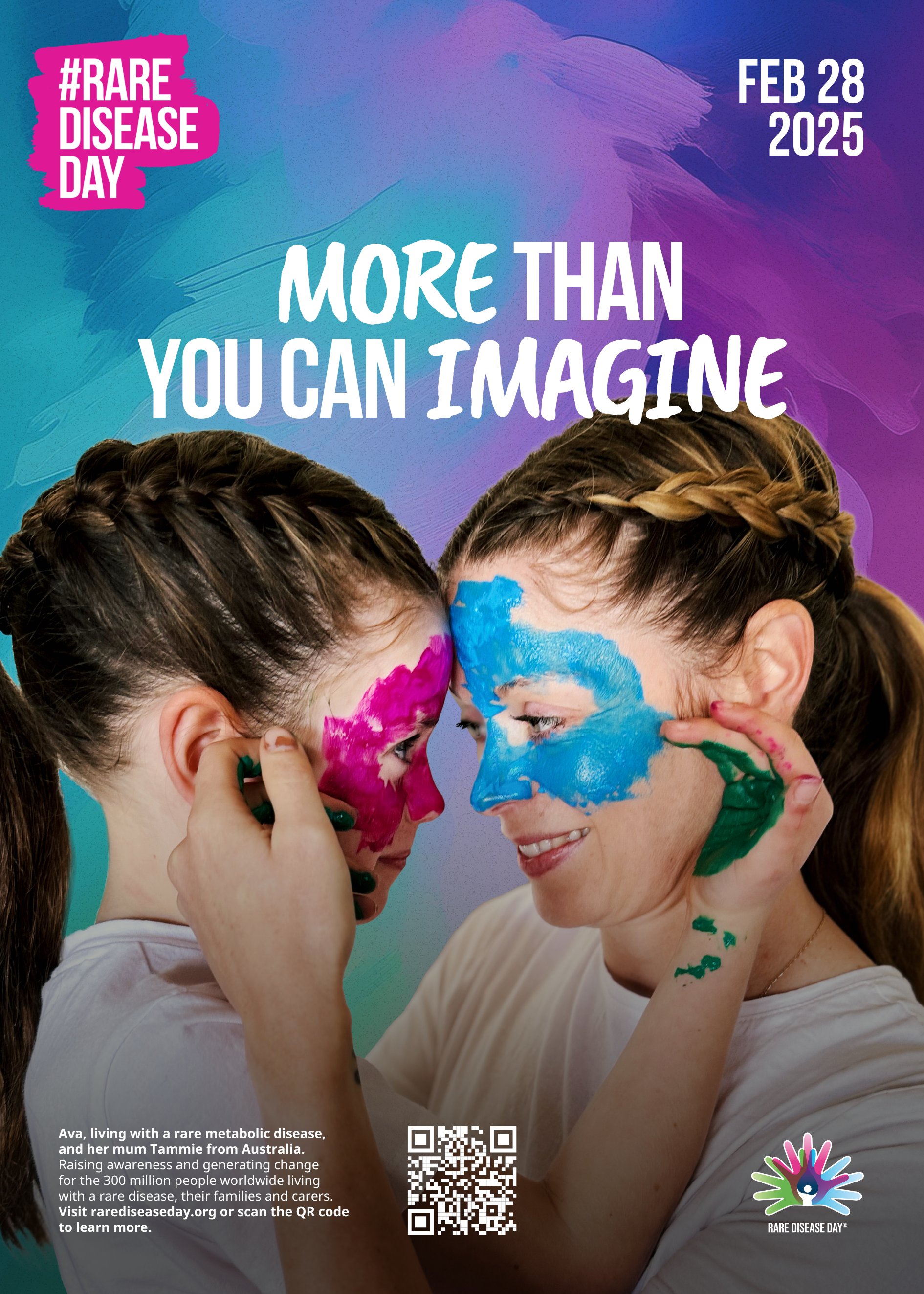
RARE DISEASE DAY FEB 28 2025

Ava and Tammie

Individual
|
      INTERPERSONAL    :     SCIENCES               
HUMANISTIC  --------------------------------------  MECHANISTIC      
 SOCIOLOGY  :    POLITICAL 
|
Group

IMAGINATION
IDENTITY
EXPERIENCE
EXPERTISE


ACTION
RESEARCH -
qualitative - quantitative
ACCESSIBILITY


SUPPORT
AWARENESS
COMPANIONSHIP
SOCIAL NETWORKS
FAMILIES


FUNDING
ACTIVISM
COOPERATION
COLLABORATION
COORDINATION


Previously: 'Rare'

Friday, February 23, 2024

Do we need to / can we 'cancel' Mental Health Nursing / Psychiatric Nursing?

Ever since August 15th 1977 (and prior to starting in the NHS), I've been acutely aware of the politics of my chosen career choice. Once again this explains my focus here since April 2006 and prior...

Make no mistake, starting as a Nursing Assistant at Winwick hospital, a Victorian asylum then two months later entering Warrington School of Nursing was a test. Quickly, you were preoccupied with trying to innovate and move beyond task oriented care, ritualised practice, trying to escape (the irony) from custodial care - despite the clink of keys (even on non-secure wards/clinical areas).

The quality of debate on Twi/X regards psychiatry is saddening.

The structure and domains of Hodges' model have been applied to the following editorial:

Wand, T. (2024), We have to cancel psychiatric nursing and forge a new way forward. Int J Mental Health Nurs. https://doi.org/10.1111/inm.13301


Individual
   |
      INTERPERSONAL    :     SCIENCES               
HUMANISTIC  --------------------------------------  MECHANISTIC      
 SOCIOLOGY  :   POLITICAL 
|
Group
MIND
Evidence-base?           neuro-

Person - identity

Yes, how do we conceptualise ...

"Mental health nurse" (Long-term)
"Psychiatric Nurse" (Crisis)

What's in a Title:
REGISTERED Nurse
Mental illness nurse

ENOUGH!
Let's Fully integrate MIND-BODY!

You/We must manage legacy

Recognition of emotional intelligence, rapport-empathy; people who want to 'help' others

Lived experience:
Care in Community

Contrast with 'pastoral care'? Counselling - pre-'therapist'?

RMN, RNMH ..
1. Subservient to Medicine?* Use of power, pharmacology, beds - 'controlled' environment, place of safety, restraint, loss of freedoms ..
2. Therapeutic agents - therapist? (Never truly realised: Psychology - scope of practice, Banding, Career pathways).
Conscientious objection. 

VALUE - VALUES
Diagnosis here?
 Respond to distress ? - OR 
BODY
-biogenic         Evidence-base?

Iatrogenesis

DEFINE^: 'sustainable' in terms of:
individual - population
NHS
Professions
Demographics (time-scales)
Environment
Economic
Ethics - Human Rights
Curricula
medical model
bio-psycho-social model
...
[ ^Research ]

Modalities of care - student experience/placement has changed

Nurse education - curricula

What would a properly funded NHS/Mental health services 'look' like?
 
Models  of care

DEBATE ongoing:
Anti-psychiatry

PSYCHIATRIC DIAGNOSIS
biomarkers, genetics, neurological explanations - pathologising,
safety of anti-psychotics,
long-term use ...

Demographics - workforce scope
Diagnosis here?
Where - psycho-SOCIALLY has policy been thus far?

Wither humanism?
Therapeutic relationship -
human connection

Social history:
Creation of asylums to standardise care for the insane

Anti-psychiatry:
Psychiatry as MECHANISTIC social control

Role of language, history, expections, social justice, law-public safety ...
 (can you 'cancel' here?)

Lived experience, family, carers, peer support workers

"Lifestyle Medicine"
(Map the 6 pillars to Hodges' model)

Social prescribing (research?)

Attitudes, Stigma, Social media

Sense-making, 'Faith' 1:Pop.

Social care, community resources

Integrated & Person-centred care

Other models of MH care/services

 - mechanistically assess risk? 

Formal distinction (break):
MH Nursing <-> Trad. Psychiatric family?

POLICY:
Community care set in aspic,
NHS also: funding £££££?
Innovation in POLICY?

No slack resource - HOW to shift to prevention/education

Sustainable health care

What crises are you (health professions) responding to?

Determinants of health: 
social, commercial, economic, social, political, education ...

Mental Health Law: inc. Consent, MH Capacity
(now also a 'football'?)

UNHCHR - Mental Health: ‘Mental health, human rights and legislation’ (World Health Organization and the United Nations, 2023)

Former: RCP Reports on CPNs*
National Reports:
Suicides, Homicides, Forensic, Prisons

Change [Progress!]: predicated upon research & evidence,
not 'rebellion' as befits
a profession - Duty of care?

Once you start to apply Hodges' model then additional content often presents itself. For example, (12th March) apart from people employed in tax and undertakers how many professions, would admit to a value system that aims for, seeks making the collective enterprise redundant? A utopic appeal no doubt, and this would for a population demand that the socio-political foundation (ills!) for our individual lives are finally addressed. What are referred to as the determinants of health. It is a sign of the times that trying to do a search on this, 'redundancy' / redundant is taken as related to the state of being employed, not an ideal.

If this sounds like pie-in-the-sky, consider the birth of social medicine - the NHS. Consider too the future of the NHS and we arrive at sustainable health care systems?

National Confidential Inquiry into Suicide and Safety in Mental Health
The University of Manchester - https://sites.manchester.ac.uk/ncish/

Homicide in England and Wales: year ending March 2023 -
https://www.ons.gov.uk/peoplepopulationandcommunity/crimeandjustice/articles/homicideinenglandandwales/yearendingmarch2023

Saturday, December 02, 2023

BGS Report "Smarter data, better care: Empowering care homes to use data to transform quality of care"

https://www.bgs.org.uk/policy-and-media/transforming-the-quality-of-care-in-care-homes-through-better-use-of-data


"The British Geriatrics Society (BGS) hosted an event in London in September 2023 on ideas and practice around a minimum dataset for care homes. This report, which is based on presentations at the event and the debate that followed, makes 12 recommendations for the effective implementation and delivery of a national minimum dataset that we believe policy-makers and regulators should consider."
Below, I have related the report's 12 recommendations to Hodges' model:

 Individual
  |
     INTERPERSONAL    :     SCIENCES               
HUMANISTIC --------------------------------------  MECHANISTIC      
SOCIOLOGY  :   POLITICAL 
|
GROUP
my quality of life
my quality of care

care home residents

research - how new Artificial Intelligence can be harnessed safely and ethically to extract optimum value^^ out of linked social care data

my quality of life
my quality of care

integration - a harmonised set of
quality of life and quality of care indicators

not just a process* (data gathering/entry) by care sector on behalf of others

high-level of interoperability

resident's families (advocate)

needs that cannot be met at home

^Government recognition of contribution of social care sector to society

linking of information sources, preserving privacy but improving public's understanding of how such data can be used (benefits)

combine learning from the DACHA study, evidence of the analytic power of data instruments like interRAI, and the lived experience of those working in our care sector


care home managers & frontline staff

shared decision-making - commissioners, regulators and providers

sector-wide conversation around the data that does and does not need to be known by different stakeholders

Investment in a data-informed system for health care and social care - greater equity between the two^

sustained - longer term approach - reduce the data burden

Government funding of dedicated in-home data coordinators - cost recognised from outset


4Ps in Hodges' model -

INTRA- INTERPERSONAL - purpose
SCIENCES - process
SOCIOLOGY - practice
POLITICAL - policy

^^Where does 'optimum value' lie in Hodges' model?
How are these reconciled?

Transforming the quality of care in care homes through better use of data.  https://www.bgs.org.uk/policy-and-media/transforming-the-quality-of-care-in-care-homes-through-better-use-of-data 

Sunday, November 27, 2022

"No safety without emotional safety" by Veale, et al. (2022)

 INDIVIDUAL
|

 INTERPERSONAL    :     SCIENCES               
HUMANISTIC --------------------------------------  MECHANISTIC      
SOCIOLOGY  :   POLITICAL 
|
GROUP
psychological needs (risk)
inc. threat processing - treatment of interpersonal violence
'therapeutic
emotional safety (re-traumatisation)
control behaviour
severe panic with flashbacks, dissociation, and visual hallucinations
physical needs (RISK)
'low intensity touch'

environment' ... tepee - in room my safe space
physical safety (safe room)
to increase physical safety
privacy, lighting, doors, window

lived experience
family - relationship experience (touch)
'atmosphere'?
change in culture, positive risk-taking
person-centredness, family orientation in 'team'
Leadership
'therapeutic community'
Open Dialogue
CONTROL:
'take away' - autonomy, responsibility
policies - abuse risk, 'protect' patients and staff
regulatory reform
in-patient care, pets - policy
parity of esteem
Access (still) to therapies, CBT
Institutional risk
Alternative protocols


David Veale, Eleanor Robins, Alex B Thomson, Paul Gilbert, No safety without emotional safety, The Lancet Psychiatry, 2022, ISSN 2215-0366, https://doi.org/10.1016/S2215-0366(22)00373-X. (https://www.sciencedirect.com/science/article/pii/S221503662200373X)

My source:
https://twitter.com/tadhg50/status/1596901626765529091?s=20&t=FJe9qpYUrxHN2yxWEWLUdQ
The purposes of Hodges' model is to identify the concepts that have salience clinically, to the person, be they - patient, carer, student ... and then to integrate care, to draw the care domains together into a 'whole'.

Four original purposes of Hodges' model: 

1. Reflection, reflective practice, critical thinking
2. Person-centred care
3. Holistic - integrated care
4. Bridge the Theory - Practice gap

Monday, July 18, 2022

The QUALCARE Scale - in Hodges' model

 Clearing yet another piece of notepaper from the 1990s, when I wrote (from the abstract):

"The QUALCARE Scale is an observational rating scale designed to quantify the quality of family caregiving to home-dwelling elders in six areas: physical, medical management, psychosocial, environmental, human rights and financial."

 (extra note - 53 item Likert scale format.)

INDIVIDUAL
|
 INTERPERSONAL    :     SCIENCES               
HUMANISTIC --------------------------------------  MECHANISTIC      
SOCIOLOGY  :   POLITICAL 
|
GROUP


PSYCHO-


PHYSICAL

ENVIRONMENT

MEDICAL MANAGEMENT
-SOCIAL

ENVIRONMENT


(MANAGEMENT)

HUMAN RIGHTS

FINANCIAL


Phillips LR, Morrison EF, Chae YM. The QUALCARE Scale: testing of a measurement instrument for clinical practice. Int J Nurs Stud. 1990;27(1):77-91. doi: 10.1016/0020-7489(90)90025-e. PMID: 2312237.

I had encountered Hodges' model in 1987-88 [ Manchester Polytechnic College, now Manchester Metropolitan University, CPN(Cert.) course ], but the initial (and thus far only) website appeared in 1998 (-2015):

https://web.archive.org/web/19990501185433/http://www.p-jones.demon.co.uk/index.htm

Thursday, June 24, 2021

Learning for quality health services: A new thematic discussion on HIFA

The WHO Global Learning Laboratory (GLL) for Quality UHC and Healthcare Information For All (HIFA.org) are delighted to announce a new thematic discussion on HIFA: Learning for quality health services. The discussion starts on 28 June and will continue through to 20 August.

Quality of health services is critical to achieving universal health coverage (UHC): Between 5.7 and 8.4 million deaths are attributed to poor quality care each year in low- and middle-income countries, accounting for up to 15% of overall deaths in these countries. Improving access to health services must go hand in hand with improving the quality of these services. There is an urgent need to place quality at the centre of national-, district- and facility-level actions in order to progress towards UHC.

The discussion will explore in depth the following questions:
- What does quality of care mean to you, in your particular context? Why is it important to make the case for quality of care?
- From your experience, what might work best to enhance national commitment to quality of care? Have you seen any practical solutions that should be shared wider?
- From your experience, what are the biggest challenges for district health managers in tackling quality of care issues? Have you seen any practical solutions that should be shared wider?
- From your experience, what are the biggest challenges for improving quality of care at the facility level? Have you seen any practical solutions that should be shared wider?

Please forward this message to your contacts and networks and invite everyone to join us!

www.hifa.org/joinhifa

We have more than 60 HIFA members volunteering for this project. Also, we are introducing for the first time the concept of HIFA Catalysts, whose role is to stimulate comment and debate. We look forward to a rich discussion!

HIFA profile: Neil Pakenham-Walsh, HIFA Coordinator, neil AT hifa.org www.hifa.org

 <>

Mapping some points to Hodges' model:

individual
|
INTERPERSONAL : SCIENCES
humanistic ----------------------------------------------- mechanistic
SOCIOLOGY : POLITICAL
|
group
SAFETY

cognitive access

QUALITY of CARE
quantity of CARE

health literacy

mental health
SAFETY
faculty - facilities
physical access

QUANTITY of CARE
quality of CARE

distance
rural : urban

Between 5.7 and 8.4 million deaths
are attributed to poor quality care each year ...
accounting for up to 15% of overall
deaths in these countries
PRACTICAL SOLUTIONS
low- and middle-income countries

national commitment to quality of care

Universal Health Coverage


Monday, October 26, 2020

Book: Labours of Love

individual
|
INTERPERSONAL : SCIENCES
humanistic ----------------------------------------------- mechanistic
SOCIOLOGY : POLITICAL
|
group - population
|
|
|

"Good care shown to us in our most vulnerable moments can serve 'as an epiphany, not necessarily leading to new knowledge, but to recognition of the importance of something already known.


"The Lancet projects that the number of over-85s requiring 24-hour care will double by 2035."

Bad care, in contrast, can dehumanise us ...
'our sense of dignity is precarious'."


Economic precarity

"the invisible heart"

"in contrast to Adam Smith's "'invisible hand'"


See also previously on  W2tQ:

https://hodges-model.blogspot.com/search/label/social%20care

My source:

Urwin, R. (2020) Crying out for change, The Sunday Times, Culture, 27 September, pp.28-29.

Wednesday, September 23, 2020

National Day of Arts in Care Homes


Not long to go now until the second National Day of Arts in Care Homes, which takes place on Thursday 24 September.

During lockdown, we have seen a wealth of amazing activities and projects take place in care homes across the UK, including corridor choirs, garden concerts, socially distanced art sessions, online ceramics tutorials, live streamed concerts and dance, pen pal projects and postal art initiatives. Care settings have used the arts to raise morale, keep residents and staff stimulated, keep in touch with friends and loved ones, express worries and fears and also to celebrate birthdays and other occasions. 

Please show your support for the provision of arts activities in care homes on 24 September by organising an event, sharing stories and spreading the word.


Continued...

Monday, January 27, 2020

What should be written in a HC Professional's DNA?

Before putting twitter down for a break, I was reminded about a form of DNA.

There are previous posts on the 6Cs in nursing here on W2tQ and taking these essential qualities as an obvious starting-point:

  1. care,
  2. compassion,
  3. courage,
  4. communication,
  5. commitment
  6. and competence
- and mapping them to the care (knowledge) domains of Hodges' model, you realise how they apply across the model. Care, Compassion and Communication are the essence of what it is to be human and humanistic. If however the time 'allowed', environment and accessibility are not attended to, then the mechanistic domains can disrupt the most caring of efforts.

What about courage? This is surely a very individual character trait? A personal quality in this context, with an emphasis on the humanistic domains.

Care is relational and we can consider courage in respect to scientific knowledge. As a member of the multidisciplinary team, or specialist practitioner a nurse may need courage to share scientific knowledge, evidence concerning genomics, for example. The public's knowledge and understanding of science is brought to the fore. There is the alternate scenario with the 'patient' as expert, for example in the case of rare diseases (especially next month).

Courage is a continua, that like strands of DNA runs through all the domains of Hodges' model and the 2020s ... will see the political realisation of courage in nursing and healthcare; locally, regionally, nationally and globally.

Reading (another) book for review, the authors draw attention to how Maslow's hierarchy says little, if anything, about altruism (but is implied?).

As these brief observations should demonstrate, Hodges' model facilitates relational, person-centredness, the cross-fertilization of ideas and high standards of care.

Who needs a double-helix when you can have a quadruple form?

individual
|
INTERPERSONAL : SCIENCES
humanistic ----------------------------------------------- mechanistic
SOCIOLOGY : POLITICAL
|
group - population


My source:
MindScience, Biochemistry, FT Magazine, FT Weekend. 26-27 January 2013, p.50.

Reminded via:

Thursday, January 16, 2020

Social Care: in the round and square c/o King's Fund

Simon Bottery's Long Read -

What’s your problem, social care? The eight key areas for reform

- and listed below, have been mapped to Hodges' model. The full article and comments are well worth reading and may help readers discern the relationships between the key areas identified.
  1. Means testing: it’s not like the NHS 
  2. Catastrophic costs: selling homes to pay for care 
  3. Unmet need: people going without the care and support they need 
  4. Quality of care: 15-minute care visits and neglect 
  5. Workforce pay and conditions: underpaid, overworked staff 
  6. Market fragility: care home companies going out of business 
  7. Disjointed care: delayed transfers of care and lack of integration with health 
  8. The postcode lottery: unwarranted variation in access and performance

I have associated each with the respective knowledge (care) domain in which they are placed:


individual
|
INTERPERSONAL : SCIENCES
humanistic ----------------------------------------------- mechanistic
SOCIOLOGY : POLITICAL
|
group - population
1. Parity of Esteem in Means Testing
2. (Catastrophic) Cost to me, anxiety, depression, stress
3. Unmet need (mental health, counselling ...)
4. Quality of Care (Mental Health, Well-Being..)
5. Workforce (values, person-centred, self-esteem, job-well-done, BE the Difference?)
6. Market fragility (attractiveness as career pathway, having a leader)
7. Disjointed care (number of carers, lived experience...)
8. Postcode (I thought this had been addressed?)
(postcode? - a remote 'thing' outside through the window and (summer) garden]


1. Parity of Esteem in Means Testing
2. (Catastrophic) Cost to NHS - innovation, change, prevention, transformation
3. Unmet need (physical, access ...)
4. Quality of Care (Time, Logistics)
5. Workforce (tasks, scheduling, physically reasonable?)
6. Market fragility (scale, bed occupancy, local demographics...)
7. Disjointed care (geography, transfers, A&E admissions...)
8. Postcode ('literally') North, West, East, South,
Regions, London, Urban, Rural ...

1. What is your
Parity across

2. (Catastrophic) Cost to my family.
3. Unmet need (socialising, access, carer ..)
4. Quality of Care (Relationships, Belonging, Communication, Family Groups..)
5. Workforce (job satisfaction, status, social worth ..)
6. Market fragility (Public perception, marketing, negativity bias - local news, time for outreach, intergenerational engagement...)
7. Disjointed care (input of family, local provisions, self-funding - budgets...)
8. Postcode (pre-social care, pre-lottery?)


Means (let's Test that.)
here too?

 2. (Catastrophic) Cost to the State?
3. Unmet need (my choices, informal carer ...)
 4. Quality of Care (Value for £, Measures, Inspection, safety..)
5. Workforce (pay and conditions, minimum wage?, Unions, contracts, training, BREXIT ..)
6. Market fragility (FUNDING settlements, estate, investment, staff turnover, Qualified staff, commercial history, profit, governance..)
7. Disjointed care (commissioning, ...)
8. Postcode (local policy, funding, protocols ..)


Sunday, December 29, 2019

What's in a Name?

  Or, The First Rule of First Aid* ... #SafeStaffing

Health care is often described as complex ...

there are tools to help simplify, conjoin 

and help care navigation and learning ...


Despite this and even if people are listening

politics, politicians and policy makers seem determined to turn health care into a maze ...


INDIVIDUAL
|
INTER-PERSONAL : SCIENCES
HUMANISTIC -------------------------------------------------- MECHANISTIC
SOCIOLOGY : POLITICAL
|
GROUP

*Protect
yourself
first.


"WAITING ROOM"

"WAIT HERE"


RCN Safe Staffing Campaign:
https://www.rcn.org.uk/employment-and-pay/safe-staffing

patient safety learning hub:
https://www.pslhub.org/

'Named Nurse' 25 years ago.
Mitchell G, Strain J. The role of the named nurse in long-term settings. Nurs Older People. 2015 Apr;27(3):26-9. doi: 10.7748/nop.27.3.26.e679. Review. PubMed PMID: 25809049.

My source (and image):
https://twitter.com/helenh49/status/1210956380636663813

Wednesday, July 03, 2019

RCN Congress 2019 ii "We are all Global Nurses"


The debate about public sector vs. private sector healthcare touches all healthcare professionals. There is no escape. Despite this, from my 40+ years in the NHS - the NHS can act as a cocoon. It's as if the walls are adorned with "Keep Calm and Carry On". For some of us there is a 'keep your head down' mentality. While as a nursing assistant and student nurse, the words "Make sure you join COHSE, NUPE or the RCN" rang out; it was the day job, learning and family that had my attention. I wish I'd got to Congress decades ago.


You can't do everything and this lack of involvement is a blessing in a way. For example, without ever taking anything for granted, I never imagined I would need the help of my union/professional body. When I did and 'we won' thanks to a brilliant RCN Rep. Being represented has this quality to it. Unless, you are an activist, it is a newsletter, journal, annual pay discussion, but this opened my eyes. As a consequence, I encourage students, even more so and others to ensure they are represented and get involved.

To Congress itself: I was surprised and disappointed to hear several years ago about the RCN's cessation of links to the International Council of Nurses [ICN]. Further surprise followed when a Congress debate revealed it was five-six years ago in fact:

Members vote to allow RCN to leave international nursing body

£600,000 is 'politics' in the raw for membership and the RCN Council. The cost of ICN membership  was debated at Congress. There are various arguments. This seemed a break on many levels; social, political, psychological and scientifically.

(Bizarrely, perhaps this state of affairs says something in support of reflection. When the latter is accused of fostering navel-gazing, finance and value for money ... speak volumes, but the RCN's global isolation is navel-gazing realised aggravated by the ongoing psychological experience of Brexit.)

In championing Hodges' model as a global resource for healthcare and education, my parochial perspective from Wigan Pier has felt acute. Online I've long nurtured links with global nursing and healthcare groups: HIFA, HIPNET, GANM, Nursing Now and others. In workshops with nursing students and other disciplines, the ICN and global nursing context is always stressed (the ICD too). [After all, as students and lifelong learners these people do have the World at their feet.]

The relevance of Hodges' model increases daily and - my bias aside - the model's significance is crystalised in this issue for the RCN and its members. As noted in the debate John Gilmore raises the matter of refugees. For those in crisis through natural disaster, conflict and crime amid chaos there is geopsychiatry and the mental health implications for children and future generations of this 'lived experience'. As we await further news on this, below I have mapped key elements of the debate in Hodges' model:

There is a digital archive for members to watch the debate.
individual - self
"My backyard"
|
INTERPERSONAL : SCIENCES
humanistic ----------------------------------------------- mechanistic
SOCIOLOGY : POLITICAL
|
group- population
"The WORLD of Nursing"

Philosophical: Values,
Philosophies of Care
Mental Health
Mental Health of Nurses
Parity of Esteem -
geoPSYCHIATRY

Ethel G. Fenwick and others

[ Health Education & Promotion,
Sustainability ]


The 'GEO-' in Nursing
Nursing logistics
Research; Collaboration, Multi-center, Evidence,
The 'UNIVERSAL' in UHC
Definitions of Nursing Roles
Skills & Knowledge
Coding & Classification initiatives
Global: 20,000,000 nurses
ICN predates RCN

'transparency'

The Nursing Community
"Voice"
1899 ICN formed
SOCIO-[Economic] status of nurses

The global:
Community of Practice

Collegiality
Cooperation
Collaboration
Fellowship

"We are all global nurses."

'political'

POLICY: Workforce, Migration,
Recruitment crisis
Safe Staffing (National, Global)
Medical Emergencies,
Climate change
Working groups: Standards, Issues
Funding, ICN, RCN and other bodies
Support for Developing Nations LMIC
The Scope of Nursing
Stewardship
ICN - Membership model
PAY restraint, austerity
As of 2013: £614,470 / £1.42 per member
Business case


How do you measure the impact of an organisation?

2020 - International Year of the Nurse

20:20 vision IS global

https://en.wikipedia.org/wiki/Keep_Calm_and_Carry_On

Thursday, June 20, 2019

RCN Congress 2019 i

Last month I finally attended a Congress of The Royal College of Nurses. The time was my own: from the Sunday evening to the Thursday. I'm really grateful to the NW Branch for some financial support as I did stay over, even though it was on my doorstep being in Liverpool. I live between what is the city of my birth (L9, Longmoor Lane) and Manchester.

I knew beforehand that it was unlikely that my proposed item for discussion was unlikely to be accepted. This was immediately obvious when I read the final agenda. Even then there were additions as I could see the mechanics of Congress. There were many more important, timely, critical issues to discuss and debate. What stands out though is not just the funding support but the fact of being encouraged to write something, which wasn't wasted as I posted my item in February (a living draft - that may have a long tail). The human side was inevitably in evidence too: accessibility issues, misunderstandings, things said, things apologised for and vulnerable and minority groups acknowledged and championed. This isn't nursing navel-gazing either. From local experiences, to national there was also an international and global view. Students, the future: were very much in evidence and Congress learned - or more likely were reminded - that they can be disruptive, unpredictable, energetic and they have a voice.

As I watched, listened and learned, the organisation (that's the event itself...) is equally and variously: tried and tested, slick, flexible, responsive, progressive, accepting, friendly, caring!, strident, testing, emotional (yes, moving), celebratory, tiring, educational, inspiring, social and potentially a bit overwhelming ... As you may of gathered - the adage; "you get out of things what you put in" applies. As is often the case I did not do as intended and 'network'. Congress acknowledged the overwhelming/isolating sense in extolling people to reach out to the people around them. If nurses cannot do that then we are in trouble. I kept meeting the same people and it was a great support to have that connection and company. That said, the lack of places to sit at an evening social did not lend itself to getting know fellow members. Standing at a narrow bar eating a hot meal was helped by having to share the ergonomic challenges; an unfortunate but helpful ice-breaker. This was raised as an issue at Congress itself.

There was a political undercurrent with several references and overheard comments pertaining to the RCN's role in negotiating the last pay deal and last year's Extraordinary General Meeting. There is unfinished business here. Not just for the RCN, but the government too. This debacle undermines trust on so many levels, especially after the past decade as experienced by nurses on the 'shop floor'. If that is not painful enough, this matters because it is corrosive generally. While choice matters and yes, health care is an 'industry', the vast majority of us do not want to work in a 'shop'.* We know where to find all the concepts associated with politics in Hodges' model. But, as the social and intra- interpersonal (mental health) domains have atrophied, we must ask where is the NHS on the political grid? A grid that also impacts the whole NHS workforce, social care (don't ask!) and vitally the shaping of career choices for would-be future nurses.

Post ii to follow ...

* How times change? I smile ruefully of how over several decades nurse colleagues have rhetorically suggested that they may look for a job at M&S or John Lewis. What price the retail sector now..? Another post ...?

Thursday, April 25, 2019

Compassion TO Governance: "Meet you in the middle?"


Governance:
"Yes, in theory and practice!"

SELF - individual
|
INTERPERSONAL : SCIENCES
humanistic ----------------------------------------------- mechanistic
SOCIOLOGY : POLITICAL
|
group - POPULATION

compassion


THEORY


PRACTICE


governance


While compassion must be demonstrated by the individual practitioner [as one of the 6Cs], it is also a positive phenomena that should be found, experienced and readily transferred - communicated within the team and community of practice.

Allied with governance, health systems should then ensure that there is time and space for compassionate care. While 'middle' might work as a metaphor in Hodges' model, the qualities of compassion and governance are not about the 'middle', as in, being average.

Hodges' model can also help us appreciate the role that self-governance plays in personal responsibility, accountability and professionalism.

The great amount of effort and work to place assure the person is at the center of care (and #h2cm) also becomes apparent.


My prompt: https://twitter.com/PippaJL01/status/1121399893225037824