Hodges' Model: Welcome to the QUAD: innovation

Hodges' model is a conceptual framework to support reflection and critical thinking. Situated, the model can help integrate all disciplines (academic and professional). Amid news items, are posts that illustrate the scope and application of the model. A bibliography and A4 template are provided in the sidebar. Welcome to the QUAD ...

Showing posts with label innovation. Show all posts

Thursday, July 23, 2026

Call for submissions for good practices c/o HIFA

Share your good practice and help strengthen the health system

The Health Systems Trust (HST) invites submissions of good practices for inclusion in the Good Practices Repository. Healthcare workers, programme managers, districts, facilities, academic institutions, non-governmental organisations (NGOs), private-sector partners, industry partners and community organisations are implementing effective solutions to address health system challenges and improve health outcomes. Many of these valuable experiences remain undocumented and are therefore not widely shared or adapted by others facing similar challenges. The Good Practices Repository has been established to identify, document, and share effective practices that can support learning, adaptation, and health system improvement across the country. Most importantly, the real value of sharing good practices lies in its potential to create an exponential effect across the health system. When successful approaches are documented and shared, they can be adapted and implemented in multiple settings thereby extending their impact far beyond the original site. In this way a single innovation or improvement can catalyse widespread change which can accelerate learning and drive improvements in the health space across the country.

What is a Good Practice?

A good practice describes an intervention, programme, service, innovation, policy or approach that has demonstrated effectiveness in addressing health challenges and improving outcomes. Good practices are typically evidence-informed, make use of available resources and has the potential to be adapted, scaled or replicated in other settings.

Submissions may relate to one or more of the following areas:

  • Health priorities
  • Maternal, newborn, child and adolescent health
  • HIV, TB and sexually transmitted infections
  • Non-communicable diseases
  • Mental health
  • Environmental health and climate change
  • One Health
  • Antimicrobial Resistance
  • Health system strengthening
  • Leadership and governance
  • Health financing
  • Digital health and health information systems
  • Human resources for health
  • Service delivery and quality improvement
  • Emergency and disaster preparedness
  • Environmental health and climate change
  • Antimicrobial resistance
  • Medicines, technologies and supply chain management
  • Community and implementation approaches
  • Community engagement and participation
  • Health promotion and disease prevention
  • Multisectoral collaboration and partnerships
  • Knowledge translation and evidence use
  • Equity-focused and people-centred approaches
  • Other Areas
  • Other initiatives that contribute to improved health system performance, health outcomes, or population wellbeing.

Who can submit?

Submissions are welcome from organisations, institutions, programmes, and partnerships involved in the planning, delivery, management, evaluation, or support of health services, including:

  • National, sub-national, regional, district, and local health authorities
  • Public sector programmes and units
  • Non-governmental, civil society and community-based organisations
  • Academic and research institutions
  • Professional bodies and associations
  • Private-sector organisations and industry partners contributing to health system strengthening, service delivery, innovation, or public health programmes
  • Multi-sectoral partnerships and collaborative initiatives
  • Development partners, multilateral agencies, and international organisations

Assessment criteria

  • Submissions will be assessed against an adapted World Health Organization (WHO) Good Practice criteria, including:Demonstrated effectiveness
  • Efficient use of resources
  • Relevance to a priority health system challenge
  • Sustainability
  • Ethical soundness
  • Potential for adaptation or replication
  • Innovation (optional but desirable)

Why submit?

  • Selected practices will:Be featured in the Good Practices Repository
  • Contribute to shared learning
  • Receive national visibility and recognition
  • Support evidence-informed policy and programme development
  • Provide opportunities for replication and scale-up
  • Showcase the achievements of health system implementers and partners
  • Contribute to sustained efforts at improving various tiers of the health system

Submission requirements

Complete submission template including the following information:

  • Executive summary
  • Background: Description of the challenge addressed
  • Intervention: Description of the intervention or practice
  • Approach: Implementation process
  • Key achievements: Results and outcomes achieved (describe outcome measures and metrics for success of the programme/intervention/tool)
  • Lessons learnt: Description of lessons learnt which can inform replication in other contexts
  • Sustainability considerations
  • Supporting materials, where available
  • Only complete submissions containing sufficient information for assessment will be reviewed.

Submissions are accepted on a rolling basis. Feel free to submit throughout the year.

How to submit: Submissions can be completed online through the Good Practices Repository submission portal:

https://www.goodpractices.hst.org.za/for-authors

[n.b. PJ - The link supplied does not appear to work, there is a submit option through the above page.]

For further information, please contact: GoodPractices AT hst.org.za

HIFA profile: Maryam Rumaney currently works as a freelance scientific and English language editor. In addition, she offers consulting services to the laboratory industry. mbrumaney AT gmail.com

HIFA - Healthcare Information For All

View this contribution on the web site

Monday, May 18, 2026

Call for Abstracts: Prototypes for Humanity - Submission Deadline 22 May 2026

Dear Colleagues, 

I am pleased to invite the submission of abstracts to the Prototypes for Humanity 2026 Short Papers Platform. 

Abstract Submission Deadline: 22nd May 2026
Invitations to Successful Authors: 8th July 2026
Conference Dates: 15th - 19th November, Dubai, UAE 

** Description **

The Short Papers Platform provides a forum for professors to share their research and engage in interdisciplinary dialogue, fostering global collaboration and knowledge exchange, with a focus on driving real-world impact through academic research.

For 2026, Prototypes for Humanity is delighted to announce the launch of a strategic partnership with the Investment Corporation of Dubai (ICD), for the Short Papers Platform. This joint effort reinforces the programme’s commitment to advancing impactful innovation through collaboration between academia and industry, focusing on the key sectors and themes that reflect international research priorities and that are relevant to the city and to the fund. 

Themes 
  • Wellbeing and Human Performance
  • Infrastructures and Cities
  • Autonomous Systems and Advanced Manufacturing
  • Environment, Sustainability and Energy
  • Mobility and Logistics
  • Socio-Economic Empowerment, Digital Economies and Future Markets
  • Open and Speculative
Awards

As part of the programme’s ongoing commitment to research translation, ICD will award a $50,000 prize to one of the short papers presented at the conference. The award recognises academic work with strong potential for practical application, identified through engagement with ICD industry experts, and will support the winning project’s next stage of development towards implementation.

Submissions

Full details can be found at: https://www.prototypesforhumanity.com/press-releases/stories/Call_For_Abstracts_2026

Apply here: https://form.jotform.com/260705028532451?source=https://www.jisc.ac.uk

Deadline for abstract submission: 22 May, 2026

We strongly encourage you to apply where your interests and research aligns with the programme’s thematic areas.

If you have any questions, please contact us at professors AT prototypesforhumanity.com

Sarah Ward
University Relations Manager
Prototypes for Humanity

E: sarah.ward AT prototypesforhumanity.com

My source: Email - https://www.bcs-sgai.org/

Tuesday, March 10, 2026

Did Mr Hodges ever say "Welcome to my World?" (i)

The source for the post:

'Move Over LLMS! AI Legends Yann LeCun and Alex LeBrun
Debut AMI Labs' Bold Ambitions for World Models in Healthcare

- reminds me that Hodges' model provides a potential 'World Model'. Not just one world, but (seriously and non-trivially) several, in the form of the  ...

  • Nurse's
  • Student's*
  • Patient's
  • Carer's
  • Team Leader's / Managers
  • and yes the team's too - the sum total of all that effort. ...

 Hodges' model is applicable in assessment, planning, interventions, evaluation and review. The key of course, is as was as computers first arrived on wards and clinics: the human users of Hodges' model.

Of course, each comes with their own, hard won (see what I did there!) model, that needs extending by several intensive years of study. 

Situated and person-centred, Hodges' model can assist all its users, to 'incorporate the learned dynamics of the environment', however it presents: medicine anyone? What about surgical, psychiatry, paediatrics, orthopaedics, or gynaecology? You get my drift?


Wenninghoff, N., Schwammberger, M. (2026). Interpretable World Model Imaginations as Deep Reinforcement Learning Explanation. In: Guidotti, R., Schmid, U., Longo, L. (eds) Explainable Artificial Intelligence. xAI 2025. Communications in Computer and Information Science, vol 2578. Springer, Cham. https://doi.org/10.1007/978-3-032-08327-2_7  

 *And not necessarily a student nurse, but possibly medical, social work, psychology, probation, ... ai!

Mr Brian E. Hodges (RIP)

Wednesday, January 14, 2026

Webinar “From Global to Local: Enhancing the UK Healthcare System with Lessons from CEI in LMICs” 10 February, 3–4PM (GMT)

The NIHR Patient and Public Involvement and Engagement (PPIE) team are pleased to invite you to our fourth webinar in the PPIE/CEI Bidirectional Learning Series “From Global to Local: Enhancing the UK Healthcare System with Lessons from CEI in LMICs”.

Date: 10th February 2026

Time: 3.00–4.00 PM GMT, London UK (Online via zoom)

Join us to explore how Community Engagement and Involvement (CEI) approaches developed in Low and Middle-Income Countries (LMICs) are actively shaping health research and service delivery in the UK. This session will demonstrate how global CEI principles —collaboration, equity, and shared learning - can be translated into local action to build trust and create more responsive healthcare systems.

What you will hear about:

- Global to local CEI strategies: Insights into how CEI strategies from LMICs can be used to strengthen community relationships and healthcare practice in the UK. 
- Driving Innovation through Reciprocity: Discover how a "virtuous circle of learning" between global and local systems enriches inclusion and equity. 
- Translate Insight into Action: Practical examples and expert perspectives on turning global health CEI approaches into practical, equitable healthcare solutions within the NHS.
Speakers include: - Farrah Lunat (Research Operations Manager at Lancashire & South Cumbria NHS Foundation Trust and Joint Lead Author of the NIHR ROSHNI-2 study) - Professor Nusrat Husain (Professor of Psychiatry and Director of Global Health at the University of Manchester and NIHR Senior Investigator) - Dr. Matthew Harris (Clinical Senior Lecturer in Public Health at Imperial College London and Honorary Consultant in Public Health Medicine)

Submit your questions & register via Eventbrite: 

https://www.eventbrite.com/e/from-global-to-local-cei-lessons-from-lmics-enhancing-the-uk-healthsystem-tickets-1976864265233?aff=oddtdtcreator

Sarah Betts

*Programme Manager (PPIE)* | NIHR Coordinating Centre

My source: HIFA

Wednesday, December 31, 2025

‘Life & health’: overview of global health, climate crises, SDGs and Africa Agenda 2030

26 December, 2025 

Afrihealth Optonet Association (AHOA) proudly announces its Maiden ‘Life & Health’ Symposium, a landmark convening designed to inspire dialogue, innovation, and collective action around one of the most pressing issues of our time: “Overview of Global Health, Climate Crises, SDGs and Africa Agenda 2030.” This inaugural symposium represents AHOA’s commitment to shaping forward-looking conversations that connect health, environment, and sustainable development across Africa and beyond.

The world is experiencing an unprecedented convergence of health challenges and climate-related crises. Rising temperatures, extreme weather events, environmental degradation, and biodiversity loss are reshaping disease patterns, food systems, water security, and livelihoods. These realities disproportionately affect low- and middle-income countries, particularly in Africa, where fragile health systems and socioeconomic inequalities amplify vulnerability. The ‘Life & Health’ Symposium seeks to interrogate these realities and offer integrated, actionable pathways aligned with the Sustainable Development Goals (SDGs) and Africa Agenda 2030.

At the heart of the symposium is a bold premise: health is both a driver and an outcome of sustainable development. Achieving good health and well-being (SDG 3) is inseparable from progress on climate action (SDG 13), clean water and sanitation (SDG 6), zero hunger (SDG 2), sustainable cities (SDG 11), and reduced inequalities (SDG 10). By convening experts across disciplines, the symposium will explore how these interconnected goals can be pursued through coordinated policies, resilient systems, and inclusive partnerships.

The Maiden ‘Life & Health’ Symposium is designed as a multi-stakeholder platform, bringing together policymakers, health professionals, climate experts, development practitioners, civil society leaders, academics, youth advocates, and the private sector. Participants will engage in high-level discussions, evidence-based presentations, and solution-oriented exchanges that bridge science, policy, and practice. The symposium will also provide a space for emerging voices and community perspectives, ensuring that local realities inform global ambitions.

A key focus of the symposium is Africa’s Agenda 2030, which contextualizes global commitments within the continent’s development aspirations. Africa stands at a pivotal moment: with a rapidly growing youth population, expanding urban centres, and increasing climate exposure, the choices made today will define health and development outcomes for decades. The symposium will highlight opportunities to harness Africa’s demographic dividend, promote climate-resilient health systems, and foster innovation that aligns with the continent’s priorities.

Participants can expect rich thematic sessions addressing:

I. Global health trends and emerging risks in a changing climate;

II. Climate-sensitive diseases and the future of prevention and preparedness;

III. Universal Health Coverage (UHC) in the context of climate resilience;

IV. Policy coherence and governance for integrated SDG implementation;

V. Financing and partnerships for sustainable health and climate action; and

VI. Youth leadership and community engagement as catalysts for Agenda 2030.

Beyond knowledge exchange, the symposium is action-oriented. It aims to catalyze policy-relevant recommendations, foster cross-sector partnerships, and inspire practical initiatives that can be scaled across regions. Afrihealth Optonet Association envisions the symposium as a springboard for sustained collaboration, research, advocacy, and capacity-building that advance health equity and climate justice.

The ‘Life & Health’ Symposium also reflects AHOA’s broader mission to promote evidence-informed decision-making and civil society leadership in health and development. By creating a recurring platform for dialogue and learning through the 52 Sessions in the 2026 ‘Life & Health’ Dialogue Series, AHOA seeks to strengthen the role of civil society in shaping inclusive policies, amplifying marginalized voices, and holding stakeholders accountable to shared commitments.

As the world accelerates toward 2030, time is of the essence. The interlinked crises of health and climate demand urgency, innovation, and solidarity. AHOA’s Maiden ‘Life & Health’ Symposium offers a timely opportunity to rethink silos, align strategies, and recommit to a future where people and planet thrive together, a future that will always seek to ‘Leave No One Behind’.

Afrihealth Optonet Association warmly invites policymakers, practitioners, scholars, development partners, youth leaders, and all stakeholders committed to sustainable development to be part of this historic inaugural symposium, as well as partner with AHOA through the 2026 Dialogue Series. Together, we can deepen understanding, strengthen partnerships, and chart a resilient pathway toward better health outcomes, climate resilience, and the realization of the SDGs and Africa Agenda 2030.

Continued - with links (and my source):

https://www.hifa.org/dgroups-rss/%E2%80%98life-health%E2%80%99-overview-global-health-climate-crises-sdgs-and-africa-agenda-2030

And - Happy New Year to All!

Wednesday, December 17, 2025

'Connected Knowledge' - 4MAT

'Very different is the 4MAT system, which classifies students along two axes according to their answers to a multiple-choice questionaire. One axis measures the student's preference for acquiring knowledge concretely versus abstractly, and the other measures his preference for applying knowledge concretely versus abstractly (McCarthy, 1980). His scores on these axes places the student into one of the four quadrants: 

1. Innovative Learners (acquire concretely, apply abstractly); 
2. Analvtic Learners (acquire abstractly, apply abstractly; 
3. Common Sense Learners (acquire abstractly, apply concretely);
4. Dynamic Learners (acquire concretely, apply concretely). 

Each of these quadrants is divided again, according to whether the student prefers processing information analytically (left-brain mode) or holistically (right-brain mode). The 4MAT System trains teachers to write lesson plans that cycle through all eight learning styles and brain modes.

Such more-or-less arbitrary classification schemes abound in the social sciences. They are easy to dream up, and virtually impossible to validate (Wilkerson and White, 1988). This doesn't mean that they're totally useless. ...' pp.63-64. 
(Edited 1-4 for readability.)

Individual
|
      INTERPERSONAL    :     SCIENCES               
HUMANISTIC  --------------------------------------  MECHANISTIC      
 SOCIOLOGY  :    POLITICAL 
|
Group
Abstract
 
Personhood

Concrete

Objecthood


The notion of 'learning styles' is sticky: especially when you look back several decades to the literature?

Cromer, A. (1997) Connected Knowledge: Science, Philosophy, and Education, Oxford: Oxford University Press.

McCarthy, B. (2000). About Teaching: 4MAT® in the Classroom. Wauconda, IL: About Learning, Inc.

McCarthy, B. (1980). The 4MAT® System: Teaching to Learning Styles with Right/Left Mode Techniques. Barrington, IL: EXCEL, Inc.

Wilkerson, R. and White, K. (1988). Effects of the 4MAT system of instruction on students' achievement, retention, and attitudes. Elementary School Journal 88, pp.257 - 368.

Monday, November 03, 2025

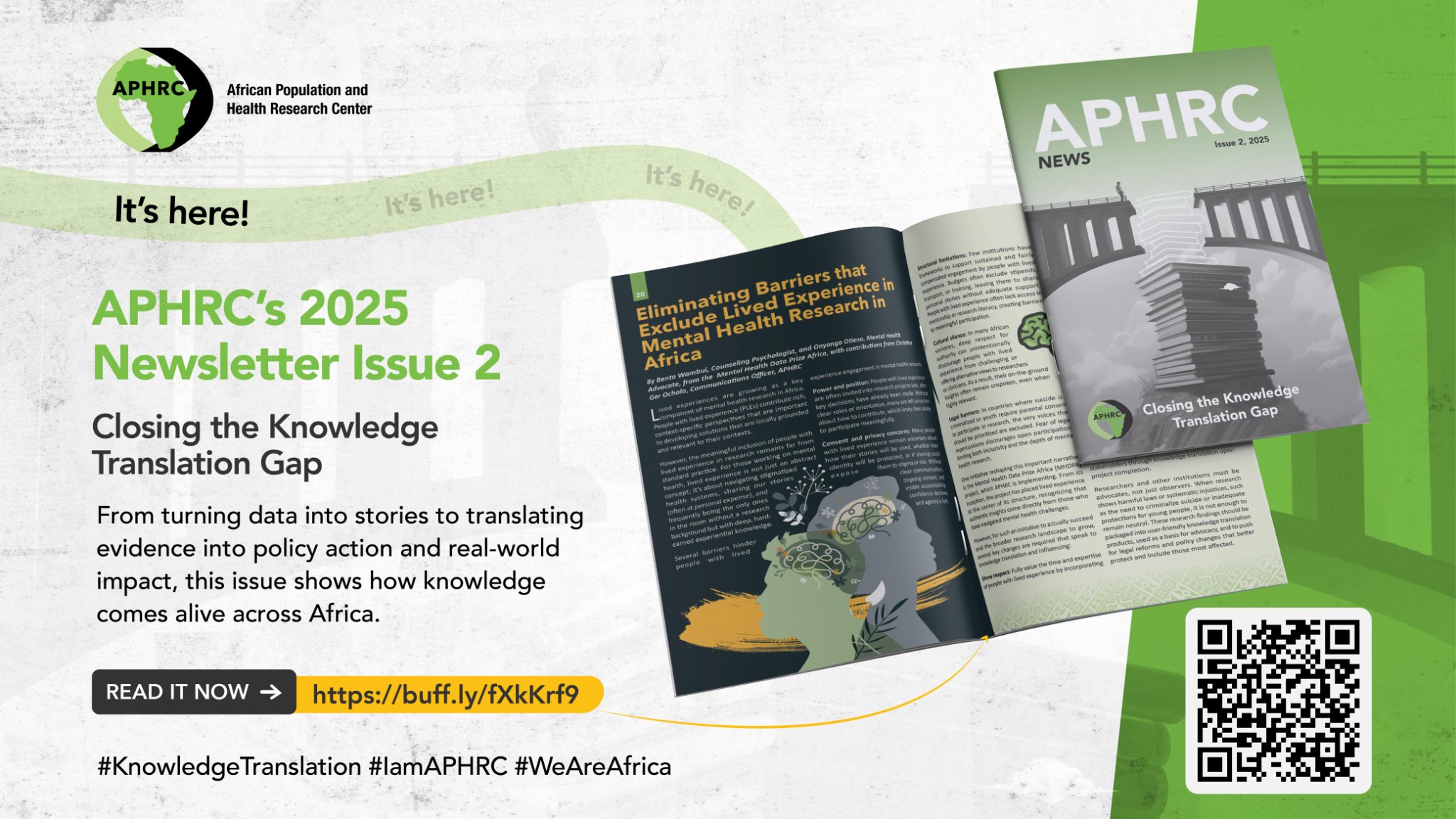
Newsletter: African Population and Health Research Center

APHRC News – Issue 2, 2025

  •  31/10/2025
Welcome to APHRC’s second 2025 newsletter issue! This edition explores how the Center is closing the Knowledge Translation Gap, making research accessible, relatable, and transformative. Dive in to discover stories of change, from climate and health innovations to inclusive education and mental health breakthroughs across Africa.


Tuesday, October 21, 2025

The Sveriges Riksbank Prize in Economic Sciences in Memory of Alfred Nobel 2025

individual
|
INTERPERSONAL : SCIENCES
humanistic -------------------------------------------  mechanistic
SOCIOLOGY : POLITICAL
|
group-population


'This year’s prize relates to the explanations for sustained growth based on technological innovation. Economic historian Joel Mokyr is rewarded with one half of the prize for his description of the mecha­nisms that enable scientific breakthroughs and practical applications to enhance each other and create a self-generating process, leading to sustained economic growth. Because this is a process that challenges prevailing interests, he also demonstrates the importance of a society that is open to new ideas and permits change.'

'The other half of the prize is awarded to the economists Philippe Aghion and Peter Howitt. In a joint publica­tion from 1992, they constructed a mathematical model of how companies invest in improved pro­duction processes and new, better-quality prod­ucts, while the companies that previously had the best products are outcompeted. Growth arises through creative destruction. This process is creative because it builds upon innovation, but it is also destructive because older products become obsolete and lose their commercial value.'


'It is apparent that, in the long run, sustained growth does not only have positive consequences for human wellbeing. First, sustained growth is not synonymous with sustainable growth. Innovations can have significant negative side effects. Mokyr argues that such negative effects sometimes initiate processes that uncover solutions to problems, making technological development a self-correcting pro­cess. Clearly, however, this often requires well-designed policies, such as in the areas of climate change, pollution, antibiotic resistance, increasing inequality and the unsustainable use of natural resources.'


Previously on W2tQ: 'Nobel prize' : 'socio-economics'

Tuesday, October 07, 2025

Short Placement Award for Research Collaboration (SPARC) (Cohort 12)

Dear CHAIN member,

We would like to draw your attention to the following funding opportunity offered by NIHR. Please pass on the information as appropriate. Thank you.

‘Short Placement Award for Research Collaboration (SPARC) (Cohort 12)

This award offers a unique opportunity to design and undertake a short, bespoke placement within a part of the NIHR. Tailored to your individual research training needs and background, the award aims to enhance your research career, skills, and professional network.

What are the priority themes for an NIHR SPARC?

  • Multiple Long Term Conditions - Morbidity (MLTC-M)
The NIHR SPARC welcomes applications centred around making connections important to your research and work, that may spark innovative new ways of working across MLTC research.
  • Links to industry and the commercial sectors
One of the aims of the NIHR is to increase the number of researchers equipped with the skills to work at the interfaces between:
  • academia
  • the NHS
  • wider health, public health and social care
  • industry
We work with a diverse range of industry sectors. The NIHR SPARC welcomes applications that undertake placements in other parts of the organisation that have developed partnerships and collaborations with industry partners. This opportunity should develop your skills and experience to have a successful working relationship with industry (including the life-sciences, med-tech, SMEs and the food industry) and encourage entrepreneurship.

Please note applicants wishing to plan and undertake placements that meet their own research training and career development needs will continue to be encouraged and welcomed; however for Cohort 12 of the NIHR SPARC we are particularly encouraging applicants to consider placements in the two areas outlined above.

Closing date: 20 November 2025 at 1:00 pm'

Find out more at: https://www.nihr.ac.uk/funding/short-placement-award-research-collaboration-sparc-cohort-12/2025334?source=chainmail

Kind regards,

Wendy Zhou
CHAIN Manager


If you wish to publicise information on the CHAIN Network please email your request to: enquiries AT chain-network.org.uk


CHAIN - Contact, Help, Advice and Information Network – is an online international network for people working in health and social care. For more information on CHAIN and joining the network please visit website: www.chain-network.org.uk


Follow CHAIN on X: @CHAIN_Network ; Connect with CHAIN on LinkedIn


See also: 'long term' : 'academia' : 'interfaces' : 'industry' : 'social care'

Tuesday, September 02, 2025

12TH ANNUAL TANZANIA HEALTH SUMMIT 2025 (reminder)

THEME: "Harnessing Data Utilization and Technologies to Accelerate Universal Health Coverage"

INTRODUCTION 

Healthcare systems are evolving worldwide through the integration of health data and technologies. This integration is crucial for advancing Universal Health Coverage (UHC), particularly in developing nations. Data forms the foundation, encompassing patient information, treatments, and outcomes. Technologies on the other hand serve as tools like cloud storage, IoT devices, and blockchain that enable efficient data collection and processing. AI, a subset of digital technologies, then transforms this data into actionable insights through machine learning and predictive analytics, improving healthcare delivery and decision-making. The healthcare AI market's projected growth of 36.8% CAGR from 2025 to 2030 (Matsukatov, 2024) reflects its potential to revolutionize healthcare delivery, from diagnosis to resource allocation. Tanzania exemplifies how this integration impacts developing healthcare systems - with its UHC service coverage index expected to exceed 48% by 2025, the country is working to bridge healthcare access and quality gaps (WHO, 2025). The upcoming 12th Tanzania Health Summit will address how these components work together in low-resource settings. The focus will be on practical applications: health technology platforms for data management, technology infrastructure for connectivity, and AI-driven analysis for disease prediction. This integrated approach shows how developing nations can leverage technologies to accelerate progress toward comprehensive healthcare coverage despite the current resource constraints. 

CONTEXT 

Tanzania's healthcare system exemplifies both the challenges and opportunities in leveraging digital technology to achieve Universal Health Coverage in sub-Saharan Africa. With a doctor-to-patient ratio of 1.3:10,000 (against WHO's recommended 1:1,000), the country has strategically embraced digital innovation to bridge critical healthcare gaps (WHO, 2025). The Tanzania Digital Health Strategy (2019-2024) serves as the blueprint for this digital transformation, focusing on three key areas: health information systems, electronic medical records (EMRs), and data-driven decision-making (Ministry of Health, Tanzania Digital Health Strategy; 2019-2024). This initiative has shown measurable progress, with EMR deployment reaching 66.57% of healthcare facilities nationwide (PORALG, 2025). The implementation of DHIS2 (District Health Information System 2) has enhanced national health data collection and analysis, notably improving disease outbreak response capabilities.

Conference details 
Text: Concept note

Friday, August 15, 2025

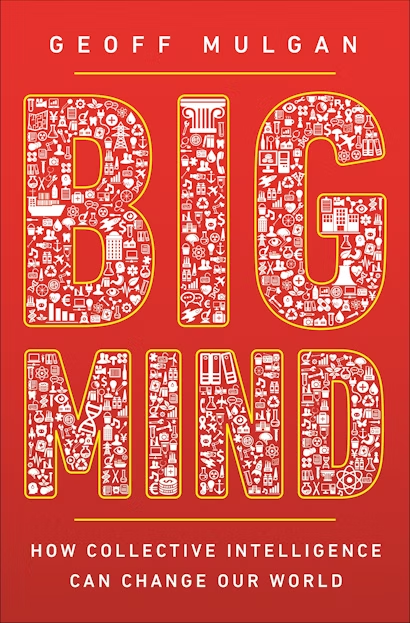
Big Mind: How Collective Intelligence Can Change Our World


It was COVID-19 that brought home to me the true significance of the 'collective' in the synonyms for group, population, polis, citizenry et al.. An integral part of Hodges' model, an individual, a person is clearly not an island.

Speech, gesture, behaviors, drawing, writing and other media all  provide a way of recording and representing information, and knowledge. Digital technologies are the latest tools to extend our memories, and ability to analyse, synthesise and abstract from and to our experiences.

How we see the individual and collective (society) is a subject of much debate across many disciplinary fields, spanning the sciences and humanities; economics, healthcare, sociology, ethics, and philosophy. Mulgan considers as infrastructure, the measures that have emerged to support collective intelligence:


'They have evolved from physical objects (such as steel production) through aggregate concepts (like GDP and GNP) to intangibles (such as innovation indexes or measures of the value of creative industries). They have evolved from single measures of things like population to indexes (like the UN Human Development Index), and from activities to outputs and then outcomes (such as QALYs - quality adjustied life years - and DALYs - disability adjusted life years in relation to health). In all these ways, both states and societies watch themselves and recognize well-calibrated observation as the precondition for thought.' (p.52)
Using Hodges' model the focus is primarily upon individuals and teams application. Mulgan's chapter 12 (pp.145-160) on 'Problem Solving' is subtitled 'How Cities and Governments Think'. An excellent question, that was asked of me in February. How can a national government be informed of Hodges' model and its potential utility? Cities have repeatedly had to solve problems created by changes in transport, work, housing, population density, the movement of people, goods, materials, and links to rural and agricultural centers. The logistics of access to routes, ports, airports, and where to place industries efficiently (and safely)? 'City planning' is a key example of our cities thinking?

Perhaps, we need to think of mobility in a cognitive sense, and not just AI-mediated. So as we walk, run, seek access - we should take care we don't get stuck!

Individual
|
      INTERPERSONAL    :     SCIENCES               
HUMANISTIC  --------------------------------------  MECHANISTIC      
 SOCIOLOGY  :    POLITICAL 
|
Group
subjectivity

models we use can be a trap (p.120)

emotional intelligence
quality
objectivity

SYSTEMS energy, food, transport..

physical media & 'memory'
quantity

'Society Thinking as a System?' Chap. 16.

Group - Collective

collective intelligence

Patient Reported Outcome Measures (PROMs)?

See also: 'literacy' : 'prevention' : 'service' : 'severe' : 'change'

Geoff Mulgan (2017) Big Mind: How Collective Intelligence Can Change Our World, Princeton University Press.

Image: Princeton University Press.

Thursday, July 31, 2025

'Nurse as Engineer' by Josefson

'Engineering' and 'architecture' have both been co-opted by cross-disciplinary explorers to help traverse what are usually cravasses between disparate fields. Or, if not a serious journey - more a day-trip than an expedition, it's an effort to create the impression of progress being (rapidly) made. Fields of knowledge being pulled - fused-together. These are transdisciplinary times:

'Individualization is best achieved in the engineering model, in which cach patient is seen as a unique case. The nurse collects and analyses the patients' data to arriye at a diagnosis, which includes, but is not limited to, issues that concern medical diagnosis and treatment. "The nurse sets obiectives based on knowledge and experience of what is desirable and achievable and designs an individualized care plan by selecting from a known repertoire of nursing interventions those most likely to lead to achievement of the objectives. After implementing the interventions, the nurse evaluates their effectiveness by comparing the client's subsequent condition with previous diagnoses and objectives."

In the last model - the non-routine model, which is a research model - the patient is still seen as unique. The problem is that the search procedures cannot be analysed because more judgement and intuition is required in making decisions.' p.25.

n.b. Two other models are described: the nurse acting as a craftsman; and the routine.

Josefson asks in a section (pp.28-29):

Who draws the boundary between Man and Machine?

Who - indeed!

Ingela Josefson. The nurse as engineer—the theory of knowledge in research in the care sector. In.  Knowledge, Skill and Artificial Intelligence. Bo Göranzon & Ingela Josefson (Eds). (1988), ISBN038719519X. pp.19–30. Berlin, Heidelberg: Springer-Verlag.

In the above paper/chapter Josefson draws upon the work of Katie Eriksson and Judy Ozbolt.

Previously: 'engineer' : 'architecture'

Monday, July 21, 2025

"Passport please!"

Press release

'Innovator passports’ set to accelerate cutting-edge NHS care

The move is a key part of the government’s Plan for Change and its 10 Year Health Plan, which will transfer power to patients and transform how healthcare is delivered, creating an NHS fit for the future.

For too long, cutting-edge businesses avoided working with the NHS and went elsewhere, weighed down by slow timelines and reams of processes. Now, organisations will be able to join up with the NHS quicker than ever before through the removal of needless bureaucracy. Not only is this better for patients but also for our NHS and economic growth.

A ‘one-stop shop’ thorough check from the NHS will now allow businesses to get to work as quickly as possible and deliver on what matters most to patients across the country. It means NHS patients will get more effective treatments and support quicker, and the NHS will make the most of its finite assessment resource, all while businesses are given a boost through the government’s industrial strategy.

Treatments including special wound dressings - already reducing surgical site infections by 38% at Barking, Havering and Redbridge University Hospitals - could be adopted more widely, benefiting patients across the country.

At Barts Health NHS Trust in London, use of antimicrobial protective coverings for cardiac devices has cut infections and saved over £103,000 per year. At University Hospitals Dorset, adopting rapid influenza testing reduced bed days and antibiotic use, freeing up vital resources.

The new passport will eliminate multiple compliance assessments, reducing duplication across the health service. It will be delivered through MedTech Compass, a digital platform developed by DHSC to make effective technologies more visible and widely available.

MedTech Compass will make these innovations and the evidence underpinning them clear to buyers within the NHS.

The initiative builds on the government’s drive to slash waiting lists and ensure people have access to health and care when and where they need it under the Plan for Change.

Wes Streeting, Secretary of State for Health and Social Care, said: 

For too long, Britain’s leading scientific minds have been held back by needless admin that means suppliers are repeatedly asked for the same data in different formats by different trusts - this is bad for the NHS, patients and bad for business. 

These innovator passports will save time and reduce duplication, meaning our life sciences sector - a central part of our 10 Year Health Plan - can work hand in hand with the health service and make Britain a powerhouse for medical technology.

Frustrated patients will no longer have to face a postcode lottery for lifesaving products to be introduced in their area, and companies will be able to get their technology used across the NHS more easily, creating a health service fit for future under the Plan for Change.

Dr Vin Diwakar, Clinical Transformation Director at NHS England, said:

We’re seeing the impact improvements to technology are having on our everyday lives on everything from smartwatches to fitness trackers - and we want to make sure NHS patients can benefit from the latest medical technology and innovations as well.

The new innovator passports will speed up the roll-out of new health technology in the NHS which has been proven to be effective, so that patients can benefit from new treatments much sooner.

It also forms an important element of the industrial strategy through the upcoming Life Sciences Sector Plan, which will turbocharge Britain’s life sciences sector and cement the UK’s position as a global innovation leader.

MedTech Compass helps speed up decision-making in trusts, allowing technology to scale faster - making it easier for trusts across the country to find, assess and adopt proven technologies that improve and speed up patient care.

The passports mean that once a healthcare tool has been assessed by one NHS organisation, further NHS organisations will not be able to insist on repeated assessments, reducing the need for local NHS systems to spend their limited resources on bureaucratic processes that have already been completed elsewhere.

The digital system will act as a dynamic best buyer’s guide, making it easier for trusts to compare products side-by-side in one place.


Read the full press release:
https://www.gov.uk/government/news/innovator-passports-set-to-accelerate-cutting-edge-nhs-care

In my source (below) Laura Hughes also notes:
'However, the Financial Times has reported on calls by frontline workers for basic NHS infrastructure to be brought up to a minimum standard before politicians extol the virtues of cutting-edge tech.

Matthew Taylor, head of The NHS Confederation, which represents health managers, said not all NHS organisations were at the same stage of digital maturity, which would "affect their ability to either innovate or implement preapproved innovation in this passport model."'


Individual
|
      INTERPERSONAL    :     SCIENCES               
HUMANISTIC  --------------------------------------  MECHANISTIC      
 SOCIOLOGY  :    POLITICAL 
|
Group
innovation

personal passport

awareness of existing state / processes

innovation

'innovation passport'

duplication

innovation

public safety

waiting lists / times

accountability - standards - assurance

innovation

bureaucracy - multiple Trusts

procurement
of infrastructure and innovation -
cutting-edge technology


Laura Hughes NHS use of medical innovations streamlined. FTWeekend, 2 July, 2025, p.3.
https://www.ft.com/content/1d025579-990a-4d58-9e0b-6d0d29d27dab

Previously:

Tuesday, May 13, 2025

Tanzania Health Summit (THS) Conference & Partnership

Warm greetings from the Tanzania Health Summit (THS) Conference:

1 - 3 October 2025
Julius Nyerere International Convention Center (JNICC)
Dar es Salaam

THEME:
"Harnessing Data Utilization and Technologies
to Accelerate Universal Health Coverage"

'Tanzania Health Summit is a non-profit health organization which was founded in May 2014. The aim was to promote healthcare to the underprivileged and vulnerable (70% of the population) who cannot easily access health services in the country. We focus on facilitating health information dissemination to the public taking into account that only 32.9% of the population has adequate literacy level in the country, mostly living in resource poor setting. In addition, we want to support youth (which comprise 32% of the population) to help build a more sustainable future and prevent them from high-risk behaviors and practices.'

THS is also seeking partnership: 
'I am writing to explore the possibility of partnering with your esteemed platform to feature the upcoming Tanzania Health Summit 2025, scheduled for October in Dar es Salaam. As one of the largest independent health conferences in the region, THS brings together government leaders, healthcare professionals, researchers, NGOs, and development partners to discuss key priorities in health systems strengthening and innovation.

With an active and growing portfolio of over ,2,500 participants, including decision-makers and thought leaders across Africa and globally, the Summit offers a unique platform for knowledge exchange, collaboration, and visibility.

We are seeking media partners to help us amplify our call for abstracts, participation, and partnership opportunities. In return, we are happy to offer media partners: • Logo recognition on our website and Summit program materials • Complimentary access to the conference (virtual and/or in-person) • Acknowledgment in select promotional content • Opportunities to feature your platform during media briefings or side sessions

We believe that a partnership with HIFA.ORG would be mutually beneficial in advancing shared goals of health equity, research dissemination, and stakeholder engagement.

Please let us know if this proposal would be of interest, and we would be happy to provide further details or set up a brief call to discuss how we can collaborate effectively.

Thank you for your time and continued commitment to global health.

Regards, Dr. Omary Chillo President - Tanzania Health Summit Lecturer - Muhimbili University of Health and Allied Sciences Fellow Bernard Lown Scholars in Cardiovascular Health - Havard T. Chan School of Public Health, USA Fellow Scientist Walter Brendel Center for Experimental Medicine - Ludwig Maximilian University, Munich, German Member Steering Committee - InterAcademy Partnership, Young Physician Leaders Email: chillo AT ths.or.tz '

My source: HIFA (Edited with conference & background).

Sunday, May 11, 2025

Geneva Health Forum 2025 (May 20-23) - Register Now!

Dear HIFA team

Can you share in your network this information. Thanks for your help

Sincerely

[HIFA profile: Eric Comte is Executive Director, Geneva Health Forum, External Affairs Directorate, Geneva University Hospitals. eric.comte AT unige.ch ]

--------------------------------------------------

Geneva Health Forum 2025 (#GHF2025) is approaching quickly!

Bringing together global health leaders, researchers, frontline practitioners, and policymakers, the annual Geneva Health Forum event serves as a unique platform to exchange knowledge, present innovations, and advance equitable and sustainable solutions to the world’s most pressing health challenges.

We are present every year during the week of the World Health Assembly, at the end of May, to enable academic and civil society players to make their voices heard during the World Health Assembly.

This 2025 edition will focus on four thematic priorities: • Malnutrition • Climate Change and Health • Migration, Health, and Equity • Digital Health

Each theme will be addressed through evidence-based dialogue, multi-sector collaboration, and a strong emphasis on real-world practices with the potential for broader application and impact.

Please note: registration is free but required individually for each session or event. To secure your participation, visit the dedicated page for the event(s) of interest and click on the “Register” button.

To see the program and to register click on this link : https://conference2025.genevahealthforum.com/

We invite you to secure your spot for this important event by registering today!

We look forward to welcoming you to Geneva very soon!

If you have a question, contact us : contact AT genevahealthforum.com

My source: HIFA

Wednesday, May 07, 2025

Conference: Safety and Quality in Mental Health: Improvement - Led Care c/o RSM

'This event will explore successful strategies for enhancing patient safety and driving quality improvement in mental health services.

This timely event addresses the critical issues highlighted by recent high-profile incidents in mental health care. Keynote speakers, including Adrian James, the National Clinical Director of Mental Health, and Shubulade Smith, President of the Royal College of Psychiatrists, will share their experiences of leading organisations through challenging situations. Jonathan Warren, co-author of the Edenfield report, will also provide unique insights.

Key Themes:

  • Supporting staff through traumatic incidents
  • Amplifying patient and family voices
  • Service redesign for safer care
  • Innovative use of data for improved outcomes
  • Learning from significant events to prevent recurrence
  • Balancing human rights with public protection ...'
at: Royal Society of Medicine, 
1 Wimpole St, 
Marylebone, 
London, 
W1G 0AE, United Kingdom

Wednesday, October 16, 2024

2025 6th edition of "Seed Projects for Interdisciplinary Research"

Para quem possa ter interesse. / To whom it may concern.

Caros/as Coordenadores/as das Unidades I&D da UC,  

Caros/as Gestores/as de Ciência, 


A pedido do Vice-reitor para a Investigação e Diretor do Instituto de Investigação Interdisciplinar (IIIUC), Professor João Ramalho-Santos, i
nformamos que estão abertas as candidaturas para a 6ª Edição de financiamento dos "Projetos Semente de Investigação Interdisciplinar", com o apoio da Fundação Santander, promovido pelo Núcleo das Áreas Estratégicas da UC (NAE), em colaboração com o Instituto de Investigação Interdisciplinar (IIIUC). 


Com este concurso, a UC pretende continuar a apoiar o desenvolvimento inicial de projetos de investigação originais e interdisciplinares com um financiamento semente que permita aos investigadores e às investigadoras da UC tornarem as suas propostas científicas mais robustas, de forma a assegurar financiamento competitivo no futuro e o desenvolvimento de novas linhas de investigação que cruzam áreas do saber na Universidade de Coimbra.


Irão ser financiados até cinco projetos de investigação interdisciplinar, uma em cada Área Estratégica da Universidade de Coimbra:  Saúde; Clima, Energia e Mobilidade; Recursos Naturais, Agroalimentar e Ambiente; Digital, Indústria e Espaço; Património, Cultura e Sociedade Inclusiva.


Poderão concorrer a este financiamento investigadores/as integrados/as nas Unidades I&D (ou noutras estruturas da Universidade de Coimbra) que desenvolvam investigação na UC e que obtiveram o doutoramento após 1 outubro de 2014. A equipa do projeto deve incluir de três a seis Investigadores/as da UC, de pelo menos duas Unidades I&D de
domínios científicos distintos. 


As candidaturas podem ser submetidas até 6 de dezembro de 2024, às 17h na página web do concurso:
 

https://www.uc.pt/iii/iiiuc-apoia/seedprojects-uc/edicao-2025/  


Estão disponíveis nesta página as normas do concurso, modelo para submissão de candidatura e a lista de júri nomeado para esta edição.


Atenciosamente,
 

O Núcleo das Áreas Estratégicas 


Isabel Neves 
 

Maria João Neves   

Natacha Leite   

Shiva Saadatian   


*******************

On behalf of the Vice-rector for Research and Director of the Institute for Interdisciplinary Research (IIIUC), Professor João Ramalho-Santos, we would like to inform you that applications are now open for the 6th edition of "Seed Projects for Interdisciplinary Research", with the support of Santander Foundation, promoted by the UC Strategic Areas Unit (NAE), in collaboration with the Institute for Interdisciplinary Research (IIIUC).  


Through this call, the UC intends to provide support for the initial development of original and interdisciplinary research projects with seed funding that will allow UC researchers to make their scientific proposals more robust, ensuring competitive funding in the future and the development of new research lines that cross areas of knowledge at the University of Coimbra. 


There will be funding for up to five interdisciplinary research projects, one in each of the UC Strategic Areas: Health; Climate, Energy and Mobility; Natural Resources, Agri-food and Environment; Digital, Industry and Space; Heritage, Culture and Inclusive Society. 


Researchers of the R&D Units (or other structures of the University of Coimbra), who carry out research at the UC and who obtained their doctorate after 1 October 2014 are eligible to apply for this funding. The project team must include three to six researchers from the UC, from at least two R&D Units in
different scientific fields 


The applications can be submitted until 6 December 2024 at 5pm on the call website: 
 

https://www.uc.pt/en/iii/iiiuc-supports/seedprojects-uc/2025-edition/  


The call guidelines, proposal template and the list of juries appointed for this edition are available on this page. 


Yours sincerely,  

Strategic Areas Unit 


Isabel Neves   

Maria João Neves    

Natacha Leite    

Shiva Saadatian 

Universidade de Coimbra • Reitoria • Administração | University of Coimbra • Rectory • Administration

Serviço de Promoção e Gestão da Investigação | Research Management Service

Núcleo das Áreas Estratégicas | Strategic Areas Unit

Polo I | Rua Larga • Edifício da FMUC (1º piso) • 3004-504 COIMBRA • PORTUGAL

Polo II | Casa Costa Alemão • Rua Dom Francisco de Lemos • 3030-789 COIMBRA • PORTUGAL

https://www.uc.pt/spgi/nae/