Hodges' Model: Welcome to the QUAD: Search results for language

Hodges' model is a conceptual framework to support reflection and critical thinking. Situated, the model can help integrate all disciplines (academic and professional). Amid news items, are posts that illustrate the scope and application of the model. A bibliography and A4 template are provided in the sidebar. Welcome to the QUAD ...

Showing posts sorted by relevance for query language. Sort by date Show all posts

Saturday, August 19, 2023

Evidence-based care: The original Gordian Knot

or - Choose your audience carefully.

Within health and social care (and other - safety-critical - academic and professional fields) evidence-based care is pivotal as proof of safety, reproducibility, effectiveness, efficacy, professionalism, and benefits for the subjects of care and public. How best then to prove the scope, scale, relevance and safety of Hodges' model? How to demonstrate in theory and practice the utility and increasing relevance of Hodges' model? There are times I have to temper my belief, passion and enthusiasm for h2cm; am I too ardent, and at risk of coming across as preaching? There is a further tension. The one that is constant: language.

As a nurse, attention to language and terminology is vital to effective communication, establishing and sustaining rapport and empathy. This concern applies across situations, contexts and encounters; with patients, patient and carer (family), and colleagues. We are encouraged to avoid jargon, abbreviations  and technical terms. I use Hodges' model implicitly (aide-mémoire, assess, plan, evaluation, prioritise) and explicitly - sharing the model on some occasions but not all.

In the role of researcher / author, the audience, especially - editors, reviewers, and readers have expectations in how concepts, ideas, theories are expressed and explained. To a degree, the very title of a publication, preempts the language to follow. As I present, or write, sources must be declared and  referenced. Again, resort to jargon is discouraged. Clarity and brevity are strengths. And yet how likely is it that at least 1/3 reviewers will demand more technical rigour and explanation? If terms are used from other disciplines, the expectation follows that their cross-disciplinary application is explained and argued for, and meanings differentiated.

With potential theoretical underpinnings for Hodges' model to be found in Gärdenfors's Conceptual Spaces, and Meyer & Lands's Threshold Concepts and others (nursing and healthcare no-less); John D. Cook provides additional pause for thought - as I look even further afield:

"When I was in college, I sat in on a communication workshop for Latin American preachers. ...

Another lesson from that workshop, the one I want to focus on here, is that you don’t always need to convey how you arrived at an idea. Specifically, the leader of the workshop said that if you discover something interesting from reading the New Testament in Greek, you can usually present your point persuasively using the text in your audience’s language without appealing to Greek. This isn’t always possible—you may need to explore the meaning of a Greek word or two—but you can use Greek for your personal study without necessarily sharing it publicly. The point isn’t to hide anything, only to consider your audience. In a room full of Greek scholars, bring out the Greek.

This story came up in a recent conversation with Brent Yorgey about category theory. You might discover something via category theory but then share it without discussing category theory. If your audience is well velrsed in category theory, then go ahead and bring out your categories. But otherwise your audience might be bored or intimidated, as many people would be listening to an argument based on the finer points of Koine Greek grammar. ...

Some things may sound profound when expressed in esoteric language, such as category theory or Koine Greek, that don’t seem so profound in more down-to-earth language. Expressing yourself in a different language helps filter out pedantry from useful ideas. (On the other hand, some things that looked like pure pedantry have turned out to be very useful. Some hairs are worth splitting.) 

Sometimes you have to introduce a new terms because there isn’t a colloquial counterpart." ...

 Category theory and Koine Greek: John D. Cook. 

Category theory and Koine Greek: John D. Cook. 
https://www.johndcook.com/blog/2016/06/27/category-theory-and-homiletics/

See also: Applied category theory: John D. Cook

https://www.johndcook.com/blog/applied-category-theory/

Friday, March 06, 2026

The land speaks through Bears & Peoples: Together

Figure 2

ABSTRACT

Landscape genetic analyses of wildlife populations can exclude variation in a broad suite of potential spatiotemporal correlates, including consideration of how such variation might have similarly influenced people over time. Grizzly bear (Ursus arctos) populations in what is now known as coastal British Columbia, Canada, provide an opportunity to examine the possible effects of a complex set of landscape and human influences on genetic structure. In this collaboration among the Nuxalk, Haíɫzaqv, Kitasoo/Xai’xais, Gitga’at, and Wuikinuxv First Nations and conservation scientists, we characterized patterns of genetic differentiation in the grizzly bear, a species of high cultural value, by genotyping 22 microsatellite loci from noninvasively collected hair samples over a 23,500 km² area. We identified three well-differentiated groups. Resistance surfaces, which incorporated past and present human use, settlement, and landscape resistant features, could not explain this pattern of genetic variation. Notably, however, we detected spatial alignment between Indigenous language families and grizzly bear genetic groups. Grizzly bears sampled within an area represented by a given language family were significantly similar to those sampled within that language family (P = 0.001) and significantly divergent to those sampled outside the language family (P = 0.001). This spatial co-occurrence suggests that grizzly bear and human groups have been shaped by the landscape in similar ways, creating a convergence of grizzly bear genetic and human linguistic diversity. Additionally, grizzly bear management units designated by the provincial government currently divide an otherwise continuous group and exclude recently colonized island populations that are genetically continuous with adjacent mainland groups. This work provides not only insight into how ecological and geographic conditions can similarly shape the distribution of people and wildlife but also new genetic evidence to support renewed, locally led management of grizzly bears into the future.

INDIVIDUAL
|
    INTERPERSONAL    :     SCIENCES               
HUMANISTIC --------------------------------------  MECHANISTIC      
SOCIOLOGY  :   POLITICAL 
|
GROUP
'This work is dedicated to the late Nuaqawa (Evelyn Windsor), who taught us that people learned their language and way of life from the bears.'

Geographic distance

Spatial overlap

Grizzly bear (Ursus arctos)

Population genetic structure

Landscape genetics


Biocultural diversity

Indigenous language families

Human linguistic diversity

Awareness - Respect


 [What price the future? pj]


Henson, L. H., N. Balkenhol, R. Gustas, M. Adams, J. Walkus, W. G. Housty, A. V. Stronen, J. Moody, C. Service, D. Reece, B. M. vonHoldt, I. McKechnie, B. F. Koop, and C. T. Darimont. 2021. Convergent geographic patterns between grizzly bear population genetic structure and Indigenous language groups in coastal British Columbia, Canada. Ecology and Society 26(3):7.
https://doi.org/10.5751/ES-12443-260307

My source:
Roman Goergen. Grizzly spoken here! Resurgence & Ecologist, July/August2023: 339: pp.10-11.

See also: https://iaac-aeic.gc.ca/050/documents/p21799/85674E.pdf

Previously: 'landscape' : 'ecology'

Wednesday, July 01, 2015

Online Metaphor Map launched

Hi

Here at the University of Glasgow we have just completed a three-year-long project which traces metaphor over the entire history of the English language, creating the first ever Metaphor Map resource. It contains thousands of metaphorical connections which can be accessed through a visual or text-based interface.

If you're interested you can visit the site here:
http://www.glasgow.ac.uk/metaphor

Or you can read more below:
--------------------------------------

English language metaphors are “as old as the hills” – or 13 centuries old at the very least – researchers at the School of Critical Studies at the University of Glasgow have found.

They have just completed a three-year-long project which traces metaphor over the entire history of the English language, creating the first ever Metaphor Map resource which contains the thousands of metaphorical connections that the researchers have identified.

“This project is unique in its scope. While a considerable amount of work on metaphor has been done over the past 40 years, it has never been possible to achieve this level of comprehensiveness until now,” said Dr Wendy Anderson, Principal Investigator on the “Mapping Metaphor with the Historical Thesaurus” project.‌‌

The Metaphor Map is based on the data contained in the Historical Thesaurus of English, which took from 1966-2009 to compile, and its own parent resource, the Oxford English Dictionary. The researchers, who have been funded by the Arts and Humanities Research Council (AHRC), have been able to identify well over 10,000 metaphorical connections between different categories and track how language use has changed over the centuries.

“These findings support the view that metaphor is pervasive in language and a major mechanism of meaning-change,” said Dr Anderson.

“This helps us to see how our language shapes our understanding – the connections we make between different areas of meaning in English show, to some extent, how we mentally structure our world,” she added.

“Over the past 30 years, it has become clear that metaphor is not simply a literary phenomenon; metaphorical thinking underlies the way we make sense of the world conceptually. When we talk about ‘a healthy economy’ or ‘a clear argument’ we are using expressions that imply the mapping of one domain of experience (e.g. medicine, sight) onto another (e.g. finance, perception).

“When we describe an argument in terms of warfare or destruction (‘he demolished my case’), we may be saying something about the society we live in. The study of metaphor is therefore of vital interest to scholars in many fields, including linguists and psychologists, as well as to scholars of literature.”

The Metaphor Map is still a work in progress, but once complete it will also include tens of thousands of examples of words with metaphorical senses; to date, around a quarter of these have been put online.

The researchers plan to launch a parallel Metaphor Map for data from Old English (prior to 1150AD) in August, at the International Society of Anglo Saxonists conference in Glasgow. The team, led by Dr Anderson and Research Associate Dr Ellen Bramwell, is also working on another project, “Metaphor in the Curriculum”, to create materials on metaphor for schools. This is funded by the AHRC’s Follow-on Funding for Impact and Engagement strand.
----
Kind regards
Brian
-----
Brian Aitken MA(Hons) MSc
Digital Humanities Research Officer
School of Critical Studies
Room 506
13 University Gardens
University of Glasgow
G12 8QJ

Email: brian.aitken AT glasgow.ac.uk
Web: http://blogs.arts.gla.ac.uk/digital-humanities/
My source:
Humanist Discussion Group, Vol. 29, No. 133.
Department of Digital Humanities, King's College London
www.digitalhumanities.org/humanist

Monday, March 09, 2026

Human-Technology Lecture Series – 25 March

Dear Colleagues,

The BCS Sociotechnical Specialist Group and the STEIN-UX Research Group at UWL are launching the online Human-Technology Lecture Series, connecting critical perspectives on digital technologies and design with insights about people, organisations and society.

Our first lecture is:

Thinking Language, Fast and Slow: Speed, Data, and Decolonial Inquiry

📅 25 March 2026
🕛 12:00–13:00 (UK time)
💻 Online
🎟 Free to attend

Speaker: Dr. Lindsey DeWitt Prat, whose work explores how language, culture and technology intersect in the development of AI systems.

Talk Synopsis:

As language increasingly becomes training data for AI, timing begins to shape power. Decisions about datasets are made quickly, while their consequences unfold over much longer horizons. What does it mean to design responsibly with — rather than after — underserved language communities?

Drawing on industry work with African languages and large language models, alongside research examining how AI data is produced globally, the talk reflects on why anthropological, participatory and human-centred approaches need to be integrated early in technological development.

Register here:
https://www.eventbrite.co.uk/e/thinking-language-fast-and-slow-speed-data-and-decolonial-inquiry-tickets-1983958108108?aff=oddtdtcreator

Best wishes,
José

Professor José Abdelnour Nocera
School of Computing and Engineering
Head of Sociotechnical Innovation and User Experience Research Group
University of West London
St Mary’s Road, Ealing – London W5 5RF
... and my source via the SOCIOTECH list.

Tuesday, May 01, 2012

Conceptual Space Markup Language (CSML): Towards the Cognitive Semantic Web

I'll start May hopefully in tune with plans towards the month's end and attending Conceptual Spaces at Work.

The SCIENCES domain page has included Markup Languages (ML) for a great many years.

In the early versions of the h2cm website there were just two 'resource' pages. When the ongoing four page format arrived then markup languages had a place.


Looking at the programme for next month's Conceptual Spaces at Work the first session listed includes this reference:
Adams, B., Raubal, M. (2009). Conceptual Space Markup Language (CSML): Towards the Cognitive Semantic Web. ICSC '09 Proceedings of the 2009 IEEE International Conference on Semantic Computing IEEE Computer Society Washington, DC, USA.
Abstract—CSML is a semantic markup language created for the publishing and sharing of conceptual spaces, which are geometric structures that represent semantics at the conceptual level. CSML can be used to describe semantics that are not captured well by the ontology languages commonly used in the Semantic Web. Measurement of the semantic similarity of concepts as well as the combination of concepts without shared properties are common human cognitive tasks. However, these operations present sources of difficulty for tools reliant upon set-theoretic and syllogistic reasoning on symbolic ontologies. In contrast, these operations can be modeled naturally using conceptual spaces. This paper describes the design decisions behind CSML, introduces the key component elements of a CSML document, and presents examples of its usage.
This is an excellent source. CSML is a really significant development for me as Adams and Raubal highlight on the first page:
The computational foundation of the Semantic Web is the formal representation of concepts and their relationships using the Resource Description Framework (RDF) and the Web Ontology Language (OWL) variants [5], [6]. These families of languages allow one to describe semantic relationships between concepts and ontologies, which can be queried using a first-order logic reasoner. An underlying assumption to these methods is the realist approach to semantics, which states that the meanings of concepts are in the real world. That is, there is a direct mapping between language terms and the world but there is no consideration of how individuals understand concepts differently. In contrast, cognitive semantics states that the meanings of terms are cognitive structures in people’s minds. This approach is of central importance for the Semantic Web, because web services interface with human users.

This isn't excellent or significant in the sense that the emergence of CSML demonstrates h2cm as a conceptual space.

Far from it.

Here and for h2cm CSML is obviously an essential tool to examine, understand and possibly extend. Anyone for PHP and XML (Drupal)? Reading the paper, it's clear that even thinking of applying CSML to Hodges' model demands answers to difficult and yet fascinating questions that involve nursing (theory, practice and values), informatics, philosophy and some maths too.

Image source:
http://www.lucs.lu.se/wp-content/uploads/2012/01/conceptual_spaces_wordl.png

Saturday, January 10, 2015

The Difference That Makes a Difference 2015 (DTMD 2015) Information and values: ethics, spirituality and religion

Dear colleague,

The Difference That Makes a Difference 2015 (DTMD 2015) is the third in a series of biennial workshop on the nature of information. The theme of this event is Information and values: ethics, spirituality and religion. It forms part of a larger summit on information organised by the International Society for Information Studies, held on the 3rd-7th June at the Vienna University of Technology, Austria. DTMD 2015 is organised by The Open University, UK.

This workshop starts from the premise that information and values coexist in a relationship of tension, and that they engage in a dialectical process in certain key areas of human society. Within these areas, information and values co-construct a synthesis which includes but transcends both aspects. This synthesis is particularly expressed in the fields of ethics, spirituality and religion.

Particular inspirations for this workshop include the work by West Churchman on The Systems Approach and its Enemies, which argued for a dialectical relationship between the rationalist ‘hard’ systems approach and perspectives such as morality, politics, religion and aesthetics which are apparently opposed to it. Ethics and religion have also been long-standing interests in various areas of cybernetics, which is the starting point for this exploration of information, and were central concerns in the later work of Norbert Wiener, Heinz von Foerster and Gregory Bateson. In this sense the workshop is continuing an ongoing stream of work.

As well as leading to new insights into ethics, spirituality and religion, this work also acts as a further lens through which to explore the nature of information. The language of information is increasingly used in many different disciplines, and comparing the usage in different fields contributes to a better understanding of information in its own right. The areas of spirituality, ethics and religion are somewhat less examined in the context of information than many other disciplines, and so this workshop will continue the ongoing process of exploring multi-disciplinary aspects of information.

This workshop follows two international workshops held in Milton Keynes, UK, in 2011 and 2013, both entitled The Difference that Makes a Difference. These workshops explored the nature of information in a range of disciplines (including physics, biology, sociology, computing, systems thinking, philosophy, geography and art, among others). Proceedings of both workshops can be found at http://www.dtmd.org.uk/.

Key questions which the workshop will address include:

  • Can newly-emerging insights into the nature of information inform ethics, spirituality and religion? And does our understanding of ethics, information and religion contribute to a new understanding of the nature of information?
  • If information is the new language of science as Von Baeyer suggests, can it also be a new language of ethics, spirituality and religion?
  • If we are re-ontologising the world as an infosphere, does that make information ethics the new universal macroethic, as Luciano Floridi suggests?
  • Is the language of information effective in talking about spirituality?
  • Can we interpret the theologies, mythologies and praxis of religion using the language of information? How do religions use information and informational concepts? Conversely, what might it mean to think about information as theological or mythological?
  • Can a theory of information provide a weltanschauung to replace or supplement religion as the motivation for ethics, spirituality and community, and if so, is such a replacement necessary and / or desirable?
The workshop organisers welcome submissions which address themselves to the above and related questions through the medium of art as well as traditional academic formats – DTMD 2013 had a major focus around the interplay between art and information, and we hope to continue this in the current workshop.

Submission deadline (extended abstracts of 750-2000 words): 27 February 2015
Notification of acceptance: 20 March 2015

Workshop organisers (all at The Open University, Milton Keynes, UK):

David Chapman, Magnus Ramage, Chris Bissell and Mustafa Ali (Department of Computing and Communications)
Derek Jones (Department of Engineering and Innovation)
Graham Harvey and Paul-Francois Tremlett (Department of Religious Studies)

Online version of call for papers: http://summit.is4is.org/calls/call-for-papers/the-difference-that-makes-a-difference-2015
...

Hope to see you in Vienna in June!

David

Monday, July 19, 2021

"The day a language died"

individual
|
INTERPERSONAL : SCIENCES
humanistic ----------------------------------------------- mechanistic
SOCIOLOGY : POLITICAL
|
group


Catawba


"This week another language died: Carlos Westez, more widely known as Red Thunder Cloud, the last speaker of the Native American language Catawba, died of a stroke at the age of 76. With him passed away the Catawba language. 
Anyone who wants to hear the war songs, the hunting songs and the religious chants of the Catawba can apply to the Smithsonian Museum, where, back in the Forties, Red Thunder Cloud recorded a series of them for posterity. Some earnest folk might even take the trouble to learn some of them by heart. But Catawba as something that lived and breathed and developed organically is gone for good. Of the creatures alive on the planet, only Red Thunder Cloud's dog, which survived him and understood commands in no other tongue, still presumably has snatches of Catawba rolling around his brain."


Popham, P. The day a language died, The Independent, 20th January, 1996, p.15.

https://en.wikipedia.org/wiki/Red_Thunder_Cloud


Tuesday, February 06, 2024

'Other exhausted words' ... ?

"A writer I admire expresses in a few words his disdain for plausible but empty political language, beginning with one good example. "The word, Fascism," he writes, "has now no meaning insofar as it signifies 'something not desirable.'" He adds other exhausted words, including democracy, freedom and patriotic - convenient terms for establishing righteousness, easily melting into self-righteousness.

The writer is George Orwell, in his celebrated 1946 essay "Politics and the English Language." Orwell contended that language had become corrupt and debased in his time, but the survival of his examples into the present contradicts him, suggesting that not only the problem but the very examples may be timeless."

Plain, direct language remains rare, desirable - and risky in ways that authority, even more than the rest of us, tries to avoid." ...

... "Dilution of meaning is familiar in a way that can make us feel comfortable, or even worse, comfortably righteous."

Individual
   |
      INTERPERSONAL    :     SCIENCES               
HUMANISTIC  --------------------------------------  MECHANISTIC      
 SOCIOLOGY  :   POLITICAL 
|
Group
concept

critical thinking

parity


framework

evidence-based

transformation


holistic care

integrated care

person-centred


outcomes

prevention

sustainable health care


n.b. With some words more exhausted than others; while some have not, as yet, been fully exercised.

Pinsky, R. When language fails us and the moment. The New York Times International Edition. January 30, 2024, p.12.

Previously: 

Monday, February 26, 2024

HIFA Discussion: Alcohol Use Disorders - Language 'being drunk'

----- Forwarded message -----
From: Peter Jones, UK <hifa AT hifaforums.org>
To: HIFA - Healthcare Information For All <hifa AT hifaforums.org>
Sent: Sunday, 25 February 2024 at 06:35:47 GMT
Subject: [hifa] Alcohol Use Disorders (86)

This morning on Times Radio UK, Hugo Rifkind 1000-1300 from 10.58:30 UTC:

 https://www.thetimes.co.uk/radio/show/20240224-26978/2024-02-24 

- there was mention of research in Germany on language, finding that there are over 540 words for 'drunkenness' being drunk. Apparently, the key is adding -ed to many words.

https://www.research-in-germany.org/idw-news/en_US/2024/2/2024-02-19__I_m_gonna_get_totally_and_utterly_X-ed.__OR__Can_you_really_use_any_English_word_to_mean__drunk__

This stood out for me as Hodges' model can potentially encompass the full corpus of a language, with the various contexts in which language is applied/used.

Significant of course informationally, in evidence-based practice, and research, were 'definition of terms' are (usually?) essential.

Also reminded of national variation in clinical/medical terminology. Scottish slang for injection includes 'jag'.

For health communication and HIFA, clearly language is fundamental and presents a real 'can of worms' (sorry!) in sense-making, creating 'noise' in the communication channels.

Should health services/systems effect a (gradual) change (shift) of emphasis to education and prevention - with the requisite policy support (utopic?) then this will need to be addressed.

In checking this news, it appears Germany has a more acute problem with alcohol. Can anyone 'local' - please shed any light on this?

I will post again about the HIFA discussion with a week ... left and highlight the above.

Many thanks

Peter Jones
Community Mental Health Nurse and Researcher
CMHT, Prescott House, Salford NW England, UK (Mon-Tues)
Blogging at "Welcome to the QUAD"
http://hodges-model.blogspot.com/
http://twitter.com/h2cm

h2cmuk AT yahoo.co.uk

Wednesday, June 25, 2014

"For portals, speak patients' language" c/o Healthcare IT News

Mike Miliard's 

in Healthcare IT News is a reminder of accessibility and engagement at the level of a communities languages.

This is one of the reasons why I am committed to using Drupal, to try to make use of its Internationalization capabilities amongst others. 

Thanks to Mike's post I'm now familiar with a 'full court press' as a hospital - enterprise wide no less - seeks to achieve defined patient engagement levels by accessing their electronic health record.

This begs the question of what constitutes the patients' language? I don't just mean the purely linguistic forms of Chinese, Korean, Russian and Greek mentioned in the article. The effort is driven by the statutory demands of meaningful use, but what of the patient's general literacy, IT and health literacies? How do patients make sense of their own health (or another in the role of a carer) not just in a given language, but culturally from a medical sociological and public health perspective? What is the community's vocabulary when it comes to health?

How can we assure that meaningfulness? How can we affirm that use and critically translate use into patient benefits and self-efficacy?

You could also entitle Mike's article as

4 portals speak patients' language

individual
INTERPERSONAL : SCIENCES
humanistic ------------------------------------------- mechanistic
SOCIOLOGY : POLITICAL
group
Health Literacy, Accessibility
Measures (health literacy, patient engagement, health and well-being, clinical outcomes)


Cultural Diversity, Languages, Carer

Internationalization
'Meaningful Use', Standards, Legislation, Policy


When we focus on languages we must remember that listening is a great gift. Whether as health and IT professionals, educators, patients and carers, listening to the care domains can help us integrate diverse social, clinical, policy and technical objectives.

What do these portals say to you?
https://twitter.com/MikeMiliardHITN
https://www.healthcareitnews.com/author/mike-miliard

Saturday, July 11, 2020

A Universal Language needs a Universal Framework ...


and so does ...

Integrated Care

Psychotherapy 

Universal Health Coverage

Global Health

Planetary Health ...


individual
|
INTERPERSONAL : SCIENCES
humanistic ----------------------------------------------- mechanistic
SOCIOLOGY : POLITICAL
|
group - population
Journal of Universal Language

Journal of Universal Language

Wednesday, March 04, 2026

The invention of language

7 After the Fall
'Adam's one task in the Garden had been to invent language, to give each creature and thing its name. In that state of innocence, his tongue had gone straight to the quick of the world. His words had not been merely appended to the things he saw, they had revealed their essences, had literally brought them to life. A thing and its name were interchangeable. After the fall, this was no longer true. Names became detached from things, words devolved into a collection of arbitrary signs; language had been severed fom God. The story of the Garden, therefore, records not only the fall of man, but the fall of language.' 

    Paul Auster

In, Robert C. Stalnaker (2008) Our Knowledge of the Internal World. Oxford, GB: Oxford University Press. hb. p.132.

Auster, P. (1985) The New York Trilogy (New York: Penguin Books). p.52.

Saturday, May 23, 2026

The alchemy of terminology, symbols, and signs ...

Or, 'What is a nurse doing … in a chemistry class?' [Ack. See Estrada]

In reading, I was reminded that chemistry adopted mathematical symbols for its own use. Not only that, but as a core science (with physics and biology, emerging from natural philosophy) there is a historical development from the time of alchemy:

Please see (with a graphical abstract):

C.Wentrup, The Transition from Alchemical to Modern Chemical Symbolism: from Bergman and Guiton de Morveau to Hassenfratz and Adet, Higgins, Richter, Dalton, and Berzelius. ChemPlusChem. 2024, 89, e202400033. https://doi.org/10.1002/cplu.202400033

This journey matters today as the use of symbols, in mathematics or other fields can be a barrier to learning and hence personal and disciplinary progress:

Ollie Hunter. Lost in translation: Demystify scientific symbolic language to help your chemistry students overcome any potential learning barriers. Royal Society of Chemistry, 23 May 2022.

As acknowledged many times, it is easy to take a word, or concept from one discipline and 'fit' it to - or in another. Or is it? Estrada concludes:

The complexities of modern science and modern society have created a need for scientific generalists, for men trained in many fields of science.” This is a paradigm of science in the XXI century, where the advent of such fields like the study of complex systems requires multidisciplinary approaches. But the previous phrase was not written in the XXI century. It is the starting sentence in The education of a scientific generalist” published in Science in 1949 (Bode et al. 1949).' p.161. 

'Mathematics has been defined as the science of patterns. Thus, mathematicians search for “numerical patterns, patterns of shape, patterns of motion, patterns of behavior, voting patterns in a population, patterns of repeating chance events, and so on” (Byers 2010). Once a pattern is identified either in chemistry or in mathematics, the researcher can proceed to the clarification of the systematic rule which is behind that pattern. This is evident in the analogy used here between code-breaking and structure elucidation. This attachment to patterns makes both chemists and mathematicians very prone to the use of pictures. An organic chemist hardly can say anything about the chemical reactivity (or any physical or chemical property) of a molecule from its exact quantum-mechanical Hamiltonian. However, she will construct a complete narrative about the physical and chemical properties of a molecular structure drawn in a piece of paper, even if such a molecule is completely imagined. The power of pictures in mathematics is discussed in the book Mathematics and the Unexpected by Ivar Ekeland (1990) where its value is recognized as fundamental in the early stages of the development of mathematical ideas. This also introduces a very important analogy among chemists and mathematicians. Namely, that they use a proper language in their respective fields. While physicists use the mathematical language in their investigations, chemists use the sophisticated language of chemical formulas and specific symbols to represent charges, rearrangements, partial equilibria, etc. These “invented” languages mainly appear only in Chemistry and in Mathematics, making them unique intellectual activities.' p.162.

With thanks to the author, Ernesto Estrada IFISC for additional thoughts and insights:

Estrada, E. What is a mathematician doing…in a chemistry class?. Found Chem 26, 141–166 (2024). https://doi.org/10.1007/s10698-023-09497-4

Monday, May 18, 2026

CfP: Nonsense in Language and Thought

CFP: Nonsense in Language and Thought

Guest editor: 
Krystian Bogucki (Polish Academy of Sciences)

Deadline for submissions: 
the 31st of July 2026 

Description:

Studia Semiotyczne (Semiotic Studies) invites submissions for a special issue of the journal. Papers should be written in English and prepared for blind review. 

An interest in nonsense was a hallmark of the early analytic philosophy. Bertrand Russell (1908) thought that a theory of nonsense could help us avoid some daunting paradoxes in logic. Ludwig Wittgenstein (1922, 1953) and Rudolf Carnap (1931) recognised nonsense as a fundamental concept for philosophical criticism. They claimed that much of philosophical discourse is defective in the most fundamental way: it is neither true nor false, it does not consist of thoughts and propositions ? it is nonsense. According to the early Wittgenstein, philosophers want to describe the nature of the world, thought, language and ethics, but they unwittingly fall into nonsense. The Tractatus was supposed to free us from this troublesome position by presenting a perspicuous notation. On the other hand, the later Wittgenstein claimed that we should compare deceptive philosophical images with our ordinary ways of thinking and speaking in order to avoid nonsense. Philosophical problems arise when language goes on holiday, so we must always remember the everyday use of concepts. For Carnap, propositions should be reducible to sense data and constructed according to the rules of logical syntax in order to be meaningful. 

Later, the topic of nonsense was discussed by Alfred Ayer, Gilbert Ryle, Willard V. O. Quine, Arthur Prior, Richard Routley and Georg H. von Wright, among others. Since the late 1970s, however, the interest in nonsense has faded. Only recently, some important works have been published. The first important stimulus came from foundational works on theories of nonsense (Cappelen 2012, 2013; Camp 2004; Glock 2015; Magidor 2009, 2013). The second source of the revival of interest in nonsense was Wittgenstein scholarship on the austere and substantial conceptions of nonsense (Conant 2001; Diamond 1995, 2005; Glock 2004; Hacker 2003; Moore 2003; Sullivan 2003). Some works also examined the relation of nonsense to other phenomena (Gotham 2017, Keller and Keller 2021, Shaw 2015, Sorensen 2003). 

The important questions to be addressed in the forthcoming volume are (to name but a few):

  • What are the sources of nonsense? 
  • Are some parts of philosophical and non-philosophical discourse nonsense?
  • What is the relation between nonsense and figurative speech?
  • Is it at all possible to be wrong whether our own thoughts are meaningful? 

We hope that the special issue of Studia Semiotyczne will further strengthen and deepen the scholarly interest in nonsense. 

Possible topics include, but are not limited to:

Theories of nonsense
Nonsense and logical syntax
Nonsense and category mistakes
Nonsense and figurative speech (e.g. metaphor, metonymy)

Nonsense and fiction
History of the concept of nonsense (in particular Wittgenstein's and the Vienna Circle's views on nonsense)
Nonsense and understanding
Nonsense and illusions of sense
Nonsense and quantification
Nonsense and linguistics
Nonsense and ineffability
Nonsense, knowledge-how and knowledge-that
Logics of nonsense

Nonsense and semantic paradoxes
How to diagnose philosophical nonsense?
Metaphilosophical and methodological issues concerning nonsense
In order to submit the paper one is kindly asked to submit the manuscript by sending it to:
krystian.bogucki AT ifispan.edu.pl and studiasemiotyczne AT pts.edu.pl 

All submitted papers will be double-blind peer-reviewed.

My source (and emphasis):
Philos-L "The Liverpool List" is run by the Department of Philosophy, University of Liverpool 
https://www.liverpool.ac.uk/philosophy/philos-l/

Monday, August 03, 2020

Call for papers - Rivista Italiana di Filosofia del Linguaggio - Rhetoric and Health

Call for papers - Rivista Italiana di Filosofia del Linguaggio www.rifl.unical.it

Vol. 15, N. 1/2021 Rhetoric and health

Edited by Maria Grazia Rossi

Deadline: 20.01.2021

Words can act as a pharmakon, becoming a remedy or a poison. Considering both theoretical tenets and empirical findings, we have convincing evidence on the power of language and words in changing minds and fostering behavioural change.

In the context of health, it has been underlined how the quality of communication affect (clinical) outcomes, at the individual level (on patients) and the collective or societal level (on citizens). During the current COVID-19 pandemic, it has become even more clear that such communication effect is indirect and mediated by factors such as understanding, motivation, social assistance, trust in the system, etc. Words that are well-spoken but also, obviously, well understood can have a strong impact on the quality of our lives, concerning the clinical, emotional and social spheres. This is why the proper and effective use of words should be considered as a common ethical responsibility: it is an ethical responsibility for healthcare providers that directly take care of patients, but it is also a responsibility of public and private institutions working to promote behaviours favouring the adoption of a healthier life and the building of healthier societies, respectful of other people and more environmentally friendly. What happened from a communicative point of view to justify the need to activate a state of emergency and maintain lockdown restrictions is exemplary in this respect, also to discuss the conflict between values that is pervasive in our complex and interconnected societies. Even beyond the pandemic, many examples can be mentioned to discuss the importance of both the effectiveness and quality of communication. Take as examples social campaigns and/or advertisements on health issues related to cases such as the public debate on vaccination or antibiotic resistance, the social campaigns to combat pollution or against smoking in public spaces.

However, it is not obvious to find a consensual framework to define what counts as communication of quality, even if rhetoricians investigated heavily on this issue. Not necessarily a successful communication is also desirable from an ethical perspective. Obtaining persuasion – to be able to change attitudes and/or behaviours, it is not necessarily equivalent to do it in an ethically way. For example, implicit persuasion strategies often (but not always) can be described in terms of manipulation tools attempting to manipulate people and to change their habits. Again, this applies at the individual level within the interactions between patients and healthcare providers, with therapeutic recommendations described as genuine persuasive acts. At the collective level, it also applies to public communication, including the communication made on social networks, where fake news and misinformation spread even more quickly.

The links between rhetoric and health can be therefore analysed from two different points of view. From a linguistic point of view, the main problem is to figure out which communicative strategies are effective to persuade patients (and citizens) in changing a given behaviour and/or accepting the treatment more appropriate to a specific medical condition. From an ethical point of view, the main problem is to figure out which effective communicative strategies are legitimate, meaning they respect values defining both the patient (citizen) agenda and the doctor (political/health system) agenda. The discussions concerning the frameworks of value-based medicine and patient-centered medicine fit in this context, as well as fall in this debate the current attention given to the frameworks of narrative medicine and persuasive technology (applied to telemedicine, mobile apps, social networks, etc.).

Vol. 15, N. 1/2021 of RIFL expects to explore the links between rhetoric and health, accepting papers aim at considering the role of communication in the context of health, and papers considering persuasion from an ethical point of view – at the individual level (between patients and providers) and the collective/societal one (between institutions and citizens, between media and citizens).

Papers should be theoretical or empirical. All fields will be considered (Philosophy of Language, Classic studies, Literary studies, Linguistics, Psychology, etc.) if they are relevant to discuss the persuasive and/or the ethical dimension of communication in the context of health. Papers exploring the following areas are very welcome:

  • Words and language as pharmakon
  • Communicating science, communicating the COVID-19 pandemic
  • Doctor-patient communication
  • Persuasion, argumentation and manipulation in the context of health
  • Ethic of the medical discourse and ethics for health
  • Ethical relevance and effectiveness of narrative medicine
  • Shared decision-making between patients and providers
  • Social campaigns and advertisement for health
  • Persuasive technology and health
  • Social networks and seeking information on the web
  • Value-based medicine
  • Patient-based medicine
  • Public opinion and health
  • Visual persuasion and the role of images in the context of health
  • Linguistic strategies developed for healthcare providers
  • Emotions and interpersonal relations in the context of health
  • Language and placebo effect

We call for articles in Italian, English and Portuguese. All manuscripts must be accompanied by an abstract (max 250 words), a title and 5 keywords in English.

The manuscript must be prepared using the journal template Download template. All submissions must be prepared by the author for anonymous evaluation. The name, affiliation to an institution and title of the contribution should be indicated in a file different from that which contains the text. The contribution must be sent in electronic format .doc or .rtf to segreteria.rifl AT gmail.com.

Instructions for authors:

Maximum contribution length:

40000 characters (including spaces) for articles (including bibliography and endnotes).

Deadline 20.01.2021

Publication: June 2021

CFP Full text: http://rifl.unical.it/index.php/rifl/announcement/view/23

My source:

Philos-L "The Liverpool List" is run by the Department of Philosophy, University of Liverpool https://www.liverpool.ac.uk/philosophy/philos-l/ Messages to the list are archived at http://listserv.liv.ac.uk/archives/philos-l.html. Recent posts can also be read in a Facebook group: https://www.facebook.com/PhilosL/ Follow the list on Twitter @PhilosL. Follow the Department of Philosophy @LiverpoolPhilos

Tuesday, February 25, 2025

So, I can proceed, fall flat on my face - [ concepts-maths iii/iii ]

- and utilise the inevitable!

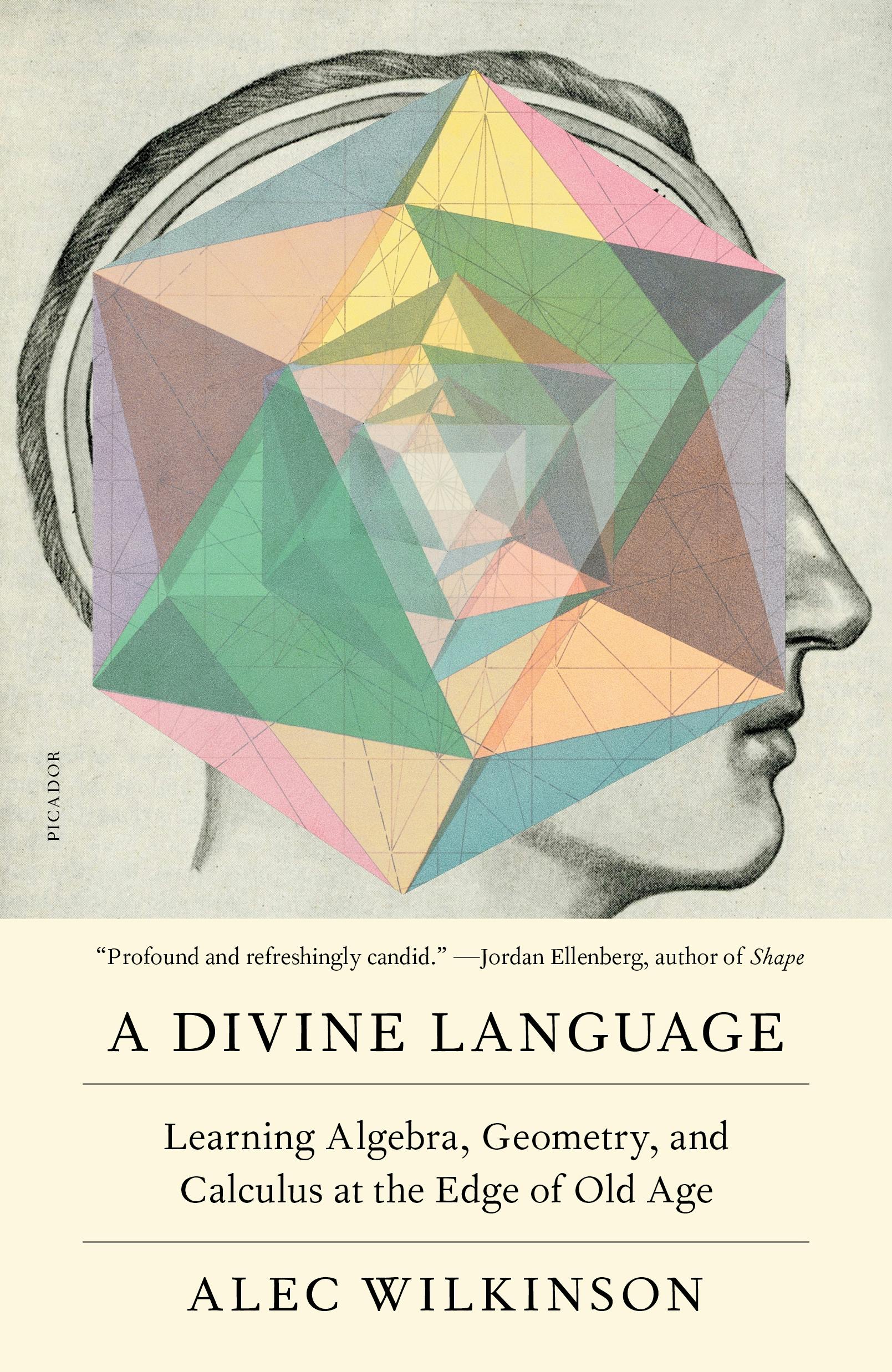
'Decades after struggling to understand math as a boy, Alec Wilkinson decides to embark on a journey to learn it as a middle-aged man. What begins as a personal challenge—and it's challenging—soon transforms into something greater than a belabored effort to learn math. Despite his incompetence, Wilkinson encounters a universe of unexpected mysteries in his pursuit of mathematical knowledge and quickly becomes fascinated; soon, his exercise in personal growth (and torture) morphs into an intellectually expansive exploration.' 
https://us.macmillan.com/books/9781250168580/adivinelanguage/


A Divine Language

As observed many times in the literature and here on W2tQ writing about Hodges' model, healthcare - medicine and nursing are both a science and art. Hodges' model is an invitation to the arts in liberal form, with an emphasis on practice: social sciences, humanities, physical sciences and even mathematics. 

There is now quite a bank of posts on W2tQ tagged art/arts and more specifically prints. I still plan to attend a workshop on printing. As ever, in my head, my mind's eye - I've an amazing, brilliant .. (!?) arts project, just waiting to be released. A true collage of the care concepts.

If Hodges' model is 'simple' in its basic form, then it is clearly possible for other people to create their own artistic impressions, interpretation of Hodges' model. My effort would of course be unique, as would theirs. There could be a competition and I end-up missing out. Not even short-listed for a prize; a victm of familiarity perhaps? 

Quite 'naturally' in a way, or at least by way of childhood experiences, a need for therapy and validation; I have also arrived at a belief that there is a mathematical project here (Oh, for goodness sake! Is there no end to this?). 

As posted before, like Alec Wilkinson I am no mathematician. Embarrased, shamed to a husk at school on many occasions, I encountered math teachers who must have empathised. Well, that's one way to explain the appreciation of maths I have always felt. Or more accurately, a love of knowledge; of which maths and logic are a part? Since I can hardly understand, I am more in love with the idea of maths, than mathematics itself. I have always been in awe of maths and people who 'get it', even if that is only  mastery of the high school mathematics curriculum.

Convinced that there is more to Hodges' model than meets the eye, I have thought of following Wilkinson - who tries to be systematic - to underpin a book - back into the nightmare lands of my youth. Should I retake GCSE maths? 'There be dragons', without a doubt. The heat can be recalled, like it was yesterday. This isn't just a dragon, it is a chimera. At times it wants to be a friend, providing familiar terms, domain, set, and group. Wilkinson's quest is structured and seeks a reasoned and disciplined approach. Why am I bothering? I have a choice surely? Nursing, health, global health can all collectively furnish many items of epistemological fruit. No need for calculative flagellation. Through Hodges' model you can productively span the disciplinary bridges once again: call in - sociology, economics, policy and more. How many Königsberg bridges do you need?

While the artist in me, might waste time. In pointing to Hodges' model as a potential mathematical object, this little seed might fall on fertile and (much) more capable ground(?), as Wilkinson describes:

'Mathematics might be the only creative pursuit in which inevitability figures. Other artists might be defeated by a task beyond their capabilities, but they do not live with knowing that sooner or later, if their work is consequential, someone will do what they haven't been able to do. Mathematicians work within a discipline in which, so long as their suppositions are correct, there is always a precise and irrefutable answer, even if they can't find it.' p.135.

I can hope for this at least.

Alec Wilkinson. (2022) A Divine Language. Learning Algebra, Geometry, and Calculus at the Edge of Old Age. New York: Farrar, Straus and Giroux. https://us.macmillan.com/books/9781250168580/adivinelanguage/

Previously: How 'divine' is the language of care?

n.b. At some point I will go though all the posts and unpublish/delete items that add little to the core.

Thursday, July 09, 2026

Leapspace? Why not ...?

Referred to a paper in an email: https://doi.org/10.1016/j.jclinepi.2026.112401.

- I noticed an invitation to try Leapspace

So I leapt (with much editing - for formatting here). ...


Copilot steps

Creating a plan to respond to your query

Performing search for foundational documents
Performing keyword search
Using data from Scopus
("Hodges' model" OR "Hodges model" OR "Hodges' health career model" OR "health career model" OR "care domains model") AND (nursing OR healthcare OR "health care" OR education) AND (domain* OR component* OR framework OR concept* OR definition*)

Performing natural language search
Using data from Scopus
What are the conceptual definitions, domains, and components of Hodges' model in nursing and healthcare education?

Performing keyword search
Using data from Full text
("Hodges' model" OR "Hodges model" OR "care domains") AND (diagram* OR figure* OR visual* OR schema) AND (teach* OR education OR curriculum OR learning) AND (critique OR adaptation* OR application*) AND (method* OR framework OR discussion)

Performing natural language search
Using data from Full text
How is Hodges' model represented, taught, and adapted in nursing or healthcare education, including diagrams and critiques?

Performing keyword search
Using data from Scopus
("Hodges' model" OR "Hodges model" OR "care domains framework") AND (application* OR use OR implementation OR practice) AND (critique* OR limitation* OR adaptation* OR evaluation*) AND (nursing OR healthcare OR "health care")

Performing natural language search
Using data from Scopus
What applications and critiques of Hodges' care domains framework have been reported in nursing and healthcare practice?

Done

Generated by LeapSpace, Thu Jul 09 2026

Hodges' health career - care domains - model

Hodges’ Health Career – Care Domains – Model is a generic, practice-based conceptual framework for health and social care that organizes thinking into four knowledge/care domains: science, political, sociology, and interpersonal. It is presented as broadly applicable across healthcare contexts and is used to structure reflection, critical thinking, and care planning. [1] [2] [3]

Core domains

Domain

What it covers

How it is used

Science

Cause and effect, evidence, costs, benefits, and trade-offs

Helps frame the “hard” evidence side of care and service decisions. [1]

Political

Policy, systems, and structural influences on care

Helps connect care to wider health and social policy contexts. [1] [4]

Sociology

Social context, culture, stigma, and relationships

Helps explain how social factors shape health and illness experiences. [1] [5]

Interpersonal

Therapeutic relationships, patient/carer engagement, and human interaction

Supports person-centred and relational practice. [1] [2] [6]

What the model is for

  • It is described as universal in structure and adaptable to many healthcare settings, including informatics, dementia/palliative care, forensic mental health, and oral health. [2] [3] [4] [7] [8]

  • It helps practitioners map concepts into domains, build a mind-map-like structure, and support reflective practice and critical thinking. [3] [9]

  • In forensic mental health nursing, it is proposed as a way to guide assessment, decision-making, and recovery-oriented practice. [2]

Bottom line

Hodges’ model is best understood as a four-domain lens for integrating clinical evidence, policy, social context, and relationships into one framework for care and reflection. Its main value is not in prescribing a single care process, but in helping users think more holistically and systematically about health problems and care systems. [1] [2] [3]

Confidence level: High — multiple sources consistently describe the model’s four domains, generic structure, and broad healthcare applications.

References

  1. Fox, Siobhán, FitzGerald, Carol, Harrison Dening, Karen, (...), Timmons, Suzanne (2017) Better palliative care for people with a dementia: summary of interdisciplinary workshop highlighting current gaps and recommendations for future research. BMC Palliative Care. https://doi.org/10.1186/s12904-017-0221-0

  2. Doyle, M., Jones, P. (2013) Hodges' Health Career Model and its role and potential application in forensic mental health nursing. Journal of Psychiatric and Mental Health Nursing. https://doi.org/10.1111/j.1365-2850.2012.01961.x

  3. Jones, P., Wirnitzer, K. (2022) Hodges' model: The Sustainable Development Goals and public health - Universal health coverage demands a universal framework. BMJ Nutrition, Prevention and Health. https://doi.org/10.1136/bmjnph-2021-000254

  4. Bettiol, S., Jones, P., Onyedikachi, H.A., Kernohan, W.G. (2026) Bridging Gaps in Oral Health Frameworks: Mapping With Hodges' Health Career - Care Domains - Model. Journal of Public Health Dentistry. https://doi.org/10.1111/jphd.70034

  5. Jones, P. (2008) Exploring serres' atlas, Hodges' knowledge domains and the fusion of informatics and cultural horizons. Social Information Technology: Connecting Society and Cultural Issues. https://doi.org/10.4018/978-1-59904-774-4.ch007

  6. Merritt, M.K., Procter, N. (2010) Conceptualising the functional role of mental health consultation-liaison nurse in multi-morbidity, using Peplau's nursing theory. Contemporary Nurse. https://doi.org/10.5172/conu.2010.34.2.158

  7. Jones, P. (2009) Socio-technical structures, 4Ps and hodges' model. Nursing and Clinical Informatics: Socio-Technical Approaches. https://doi.org/10.4018/978-1-60566-234-3.ch011

  8. Jones, P. (2011) Socio-technical structures, 4Ps and hodges' model. Clinical Technologies: Concepts, Methodologies, Tools and Applications. https://doi.org/10.4018/978-1-60960-561-2.ch215

  9. Jones, P. (2025) A Generic Model and Conceptual Framework to Prime Curiosity Across Health and Social Care Disciplines to Facilitate Lifelong Learning. Journal of Evaluation in Clinical Practice. https://doi.org/10.1111/jep.70252

Follow-up Suggestions 

What are the key components of Hodges' health career care domains model?

How does Hodges' model apply to interdisciplinary health care practices?

What are the implications of Hodges' health career care domains model for patient-centered care?

Tuesday, December 16, 2025

Tongues: The Edinburgh Companion to the Global Medical Humanities

Editors: Benjamin Dalton (Lancaster University), Steven Wilson (Queen’s University Belfast), Alex Wragge-Morley (Lancaster) and Stephanie Wright (Lancaster)

NEW Deadline for abstracts: 30 January 2026

The deadline for proposals to participate in a new Edinburgh Companion to the Global Medical Humanities has been extended. Following on from the landmark Edinburgh Companion to the Critical Medical Humanities, this handbook aims to catalyse the emerging field of global, multilingual work in the medical humanities. In its earliest form, the medical humanities sought to recognize the importance of literature and the arts to medical education and communication. In the following decades, scholars have recognized the entanglements that have existed between mind, body and environment – entanglements that call into question still prevalent distinctions between the sciences and the humanities, or between biology and culture (Whitehead et. al., 2016). Now, scholars and practitioners are increasingly bringing global cultures, epistemologies, and languages to bear on the medical humanities. At the same time, new approaches that both challenge and extend the concerns of the medical humanities are emerging in non-Anglophone and non-Western contexts.

This volume will give students and scholars a comprehensive guide to the dynamic and emerging field of global medical humanities – identified as such in recent editorials in Medical Humanities, The Polyphony and The Routledge Handbook of the Medical Humanities. This is a field that engages critically with the notion of global studies, recognizing that some of its iterations simply perpetuate the cultural, epistemic, and cultural hierarchies that have so long dominated the fields of health and the humanities. At once synthesizing and developing the insights of the field, this Edinburgh Companion will deploy the metaphor of the tongue to bring together, without homogenizing, a globally diverse range of contexts and interconnections. The tongue is at once an instrument of speech and a bodily organ that connects people to their cultures and environments. Indeed, through its communicative function and the pleasures and pains of taste, the tongue relates people to the language and foodways frequently taken to define cultures and societies. Moreover, the tongue is an interface for pleasure, intimacy and connection between bodies. And, of course, the tongue quite literally brings the world into the body through acts of taste and eating (Mol, 2021).

On the one hand, therefore, this Companion will deal with language, exploring the manifold ways in which translation between cultural and linguistic contexts can change our understandings and experiences of health. But at the same time, taking its cue from the corporeality of the tongue, it will explore how thought, perception and bodily reality may alter or be altered by movement in and between cultural and linguistic settings. This new handbook will thus serve as a crucial resource for anybody engaging with the trans-cultural and trans-linguistic aspects of health and wellbeing, from scholars and students to medical practitioners and carers.

The handbook will include a foreword by Angela Woods (Durham University), and the editors invite proposals for chapters on any topic relating to the global medical humanities, including but not restricted to:
  • Translating the medical humanities across cultures (broadly conceived)
  • Vernaculars of healthcare
  • Non-verbal languages
  • Global conceptions or expressions of pleasure, sexuality, taste, and/or pain
  • Bodies, senses and environments
  • Failures of language to communicate pain and/or bodily resistance to translation
Abstracts of between 200-300 words should be sent along with a short (50-word max) bio to a.wragge-morley AT lancaster.ac.uk, b.dalton AT lancaster.ac.uk, s.wright9 AT lancaster.ac.uk and steven.wilson AT qub.ac.uk by 30 January 2026. Informal enquiries can be directed the same addresses.

My source: NNMHR list www.jiscmail.ac.uk/NNMHR

Friday, June 28, 2024

Call for Papers for Special Issue "Philosophy and Disability"

"HUMANA.MENTE Journal of Philosophical Studies"

https://www.humanamente.eu 

Call for Papers for Special Issue "Philosophy and Disability"
Editors: Brunella Casalini; Chiara Montalti

deadline for submissions: 30th September 2024

In the past fifty years, the concept of disability has productively transcended the medical, psychiatric and rehabilitative domains. It has been defined, to name some examples, as the result of social exclusion, as a cultural trope, as a territory of political struggle and resistance, as a multi-faceted experience that emerges from the several inter-relational aspects of daily life, or as a neutral or even positive space.

Since Disability Studies is a trans-disciplinary area, the research on disability has benefitted from the contributions, methodology, and conceptual tools of many different fields. Disability has been explored from the perspectives of Sociology, Art, Anthropology, Law, Literary and Cultural Studies and the Humanities at large.

Regarding the latter field, it has been pointed out that disability, even though not always explicitly addressed, “pervades” nonetheless “language and literature”: as a concept, as an image, or as a metaphorical crutch (Mitchell, Snyder, 2000; Snyder, Brueggemann, Garland-Thomson, eds., 2002). Despite this intrinsic abundance, however, disability is still largely unrecognised as a topic of academic interest, especially in the Humanities, in what David Bolt and Claire Penketh define as a form of “disciplinary avoidance” (2015) – the reasons for which should be investigated.

The scholars and researchers would therefore be invited to deepen our understanding of the possible intersection between Philosophy and disability. They would be invited, on one hand, to examine how Philosophy can be a suitable starting platform in order to address several issues related to disability, and, on the other hand, to explore how the analyses on disability may significantly impact Philosophy. We aim therefore to bring forth philosophical inquiries that investigate, among the possible topics, disabled people’s lived experiences; emerging ethical challenges; social and political implications of ableism; theoretical foundations of disability, examined through a philosophical lens.

The Special Issue aims to explore a wide range of philosophical topics related to disability, including but not limited to:
I) Examinations of various philosophical perspectives and frameworks for understanding disability, including the social model, the cultural model, the relational model and the capabilities approach.

II) Ethical considerations concerning disability, such as questions related to autonomy, dignity, justice, violence, and the ethics of care.

III) Epistemology inquiries into how disability affects knowledge, perception, and cognition.

IV) Explorations of disability's influence on art, aesthetics, and the perception of beauty.

V) Discussions on disability rights, social policies, and disabled people’s participation or exclusion from citizenship.

VI) Phenomenological analyses of lived experiences, that include the embodiment of disability and the material encounters with the world. Philosophers’ first-person experiences and accounts would also be positively valued in this regard.

VII) Analyses of the role of disability in language, in the discursive realm, in the creation of meaning, and in the construction of metaphors, including the investigation of how philosophical language and theorization could contribute to ableism, disablism, and disabled’s people exclusion.

VIII) Investigation of disability through the lens of humanism and/or its critical stances (Anti-Humanism, Philosophical Posthumanism, Transhumanism, New Materialisms, and so on).
Intersectional analyses, which explore how disability interacts with, and impacts, other social categories such as race, gender identity, sexuality, and class, would be greatly welcomed. Furthermore, contributions could cover a wide array of historical and geographical frameworks, from Ancient Philosophy towards Contemporary Philosophy – not only from a Western perspective.

Information

Deadline for submissions: 30 September 2024

Publication of the Special Issue: July 2025

We anticipate that submissions will come both through solicitations and this open Call. Papers should be between 8000 and 10,000 words (including abstracts, footnotes, and references). Only papers in English will be accepted. For further information do not hesitate to contact the editors (brunella.casalini[at]unifi.it; chiara.montalti[at]unisalento.it).

My source: 
Philos-L "The Liverpool List" is run by the Department of Philosophy, University of Liverpool https://www.liverpool.ac.uk/philosophy/philos-l/ 
Follow the list on Twitter @PhilosL. Follow the Department of Philosophy @LiverpoolPhilos