Hodges' Model: Welcome to the QUAD: Search results for self

Hodges' model is a conceptual framework to support reflection and critical thinking. Situated, the model can help integrate all disciplines (academic and professional). Amid news items, are posts that illustrate the scope and application of the model. A bibliography and A4 template are provided in the sidebar. Welcome to the QUAD ...

Showing posts sorted by relevance for query self. Sort by date Show all posts

Friday, July 24, 2026

WHO’s Self-Care Month (June 24th – July 24th) and International Self-Care Day July 24th


The Global Self-Care Federation (GSCF) is putting the spotlight on the benefits of self-care ahead of and beyond WHO’s Self-Care Month (June 24th – July 24th) and International Self-Care Day July 24th – two key annual advocacy milestones. 
 
GSCF’s 2022 International Self-Care Day campaign builds on the #SelfCarePromise theme, encouraging everyone to make and share their personal commitment to embrace a specific self-care action. This year, we are specifically focusing on the topic of resilience.  

Self-care is any action that an individual takes to look after their own health, based on the knowledge and information available to them. This practice can also occur in collaboration with healthcare professionals when needed. Actively managing your own health and well-being through self-care has numerous benefits, including better choice between healthcare options, better care for individual wellbeing and better value for governments and health systems worldwide.

Continued ...
 

individual
|
INTERPERSONAL
: SCIENCES             
humanistic ------------------------------- mechanistic
SOCIOLOGY : POLITICAL   
|
group

SELF-CARE
Mental health 
self-care & wellbeing
Individual Health literacy
(- and other literacies!)

Self Advocacy

Physical self-care
Personal resilience
Evidence-based interventions
Disease prevention
Diagnostics, Drugs, Devices, 
Integrated into Care


Health Promotion & Education
Community Empowerment
Community Resilience
Community Advocacy
Social cohesion
Rehabilitation, Recovery
& Reablement


Knowledge & Information Access
Learning opportunities
 
Universal Health Coverage
Approp. Policy frameworks
Improved care outcomes
Advocacy representation
WHO and agencies


See also:WHO - Self-care for health and well-being

Friday, October 13, 2023

Hodges' model: How the I-G axis is idealised

As a conceptual model, Hodges' model is idealised.

As an example, take the concept individual in the vertical axis. Whether a patient, client, carer, student or teacher, the individual is where the self also resides.


'I' - INDIVIDUAL 'Self'
|
     INTERPERSONAL    :     SCIENCES               
HUMANISTIC --------------------------------------  MECHANISTIC      
SOCIOLOGY  :   POLITICAL 
|
GROUP

spiritual - emotional self
(my mind)
Identity?


material / physical self
(my body)
identity?


social self
(realised, or not; loneliness, excluded, isolated, ostracized, or loner by choice/character. Socio-Politically we arrive at 'civil society', if indeed it is civil.)


political self
(whether or not politically
motivated / engaged. Self as a citizen arises here, with the law in whether in States voting is mandatory.)


 James, W. (1892). The conscious self. In W. James The principles of psychology (Volume 1), Chapter 10. Harvard university Press: MA.

"From the very beginning of the chapter, James established that he was going to take a fresh approach to his subject. "In its widest possible sense," he wrote,
'a man's Self is the sum total of all that he CAN call his, not only his body and his psychic powers, but his clothes and his house, his wife and children, his ancestors and friends, his reputation and works, his lands and horses, and yacht and bank-account.' (p. 279) 
The explication James offered for this claim is telling: All these various things and persons are part of an individual's self insofar as they give that individual the same emotions (pp. 279-280). In pointing thus toward the emotional foundations of the self, James indicated right at the start that he was going to follow Bain (1859, chap. 7) and others in reaching beyond the old rationalist approach to "the soul" in order to ground his treatment of the human self on the experience and makeup of the whole person, emotional as well as intellectual." (p.107)

 
Leary, David E. "William James on the Self and Personality: Clearing the Ground for Subsequent Theorists, Researchers, and Practitioners."Reflections on The Principles of Psychology: William James after a Century. Ed. William James, Michael G. Johnson, and Tracy B. Henley. Hillsdale, NJ: L. Erlbaum Associates, 1990. 101-37. Print.

Thursday, June 16, 2022

Review: A systematic review and mixed- methods synthesis of the experiences, perceptions and attitudes of prison staff regarding adult prisoners who self-harm

The systematic review featured here was tweeted:

https://twitter.com/t_hewson/status/1533800510343499779

- and being mixed-methods caught my eye. 

Below, I have mapped some of the concepts, themes and findings of the review to Hodges' model, adding some italicised points of my own.

The relevance of Hodges' model, in carceral, forensic, health and justice contexts is marked. The vertical axis's distinction of individual and group and the need to protect the public from dangerous individuals stands out. As does an individual's physical and mental state to the State - in the political domain. This extends to the Sociological as to the public's expectations over 'law and order' and what - should, must - happen to wrong-doers.

Where the model can help reflection, scoping, critical thinking and problem solving is in the disciplinary bridges it provides between knowledge, or what can be 'silos'; and, the many interfaces that are found within our activities, health, educational or generally. There are several interfaces in this systematic review: Prison staff - prisoner; prisoner - prisoner; prisoner - family; and where the custody function, butts up against that of the health - and how physical and mental health needs are met - or in this environment (literally) negotiated. There is a related finding (page 6):

"In contrast, in one establishment with low rates of self-harm, staff felt that their roles of ‘carer’ and ‘security officer’ were well integrated."

INDIVIDUAL
|
 INTERPERSONAL    :     SCIENCES               
HUMANISTIC --------------------------------------  MECHANISTIC      
SOCIOLOGY  :   POLITICAL 
|
GROUP
SELF:
Prisoner / Prison Officer (and Other roles)

Prison staff - perceptions & attitudes
self harm (thoughts, motivation)
suicide (thoughts, motivation)

Staff confidence, skills:
Awareness - Prevention
Caring - empathy
'manipulative', 'attention seeking'
Insufficient training
expressed emotion
Staff member's wellbeing
Capacity to care
'deep acting'
emotional intelligence
'hope'


QUALITATIVE
SELF:
Adult Prisoner, Prison Staff

[repetitive] self harm (means, action)
suicide (means, action)

Carceral environment (PRISON)
self-harm - factors
Research: Methodology, [Mixed] methods
Systematic Review
self-report - non-validated questionairres
TIME [shift]: 'all the time', 'every time'
location, time
Staff member's wellbeing
Capacity to care
'surface acting'
Effect of COVID on self-harm: men/women
Assessment tools
ACCT - Assessment, Care in Custody and Teamwork processes
QUANTITATIVE
Prison - Staff Culture

male::female staff -> prisoner -> relatedness

Staff - Prisoner interactions
in self-harm management
Behavioural - learning/copying
role - models clarity

'shared/pervasive sense of hope'
'Life skills - literacies'
Social determinants of Health (Crime?)


Self-harm:
Policy
NICE guidelines
'Correction', Young Offender Inst.
control–support model
demands - resources model
Occupational stress

Staff Support
Training

Prison officer training 'Intro 101'?


The comments gleaned from staff are very informative. Also of interest here are ongoing developments in trauma-informed care and this can cover emotional trauma, as in abuse, plus head injury which is a key screening initiative. Achieving parity of esteem across physical and mental health, demands a more delicate balance in health and justice.

'Hope' is a concept subject to much analysis, for example, in the healthcare, sociological and philosophical literature. Incarceration, must bring its own 'trauma', which will vary in its signature across individual, age, first-offence, recidivism, offence, legal processes ... and its impact upon hope. From the challenge of the individual prisoner and their hope, there is the challenge for prison management and policy to instill, facilitate a shared, sense of hope. Amid the news on the state of prisons, there are no doubt examples where this can and is delivered.

Hewson, T., Gutridge, K., Bernard, Z., Kay, K., & Robinson, L. (2022). A systematic review and mixed-methods synthesis of the experiences, perceptions and attitudes of prison staff regarding adult prisoners who self-harm. BJPsych Open, 8(4), E102. doi:10.1192/bjo.2022.70
 

Tuesday, November 15, 2022

My Body, My Decision: Accountability for Bodily Autonomy and Self-Care in a Rapidly Changing World

 Dec 6, 2022 08:00 AM in Eastern Time (US and Canada)

Bodily autonomy and decision-making are critical for the realisation of everyone’s sexual and reproductive health and rights and are the cornerstone of self-care. Join the SCTG Country Advocacy Working Group (CAWG) for an in-depth discussion on mechanisms and strategies to promote accountability for bodily autonomy, agency, and self-care. What have been opportunities and challenges for the Generation Equality Forum to mobilise action in these areas and how can we strengthen accountability for local impact? What are examples of successful advocacy and accountability efforts to enhance bodily autonomy and self-care at the country level?

Find the answers to these questions and more at this virtual, SCTG CAWG event organized by White Ribbon Alliance, CEHURD, Fòs Feminista, and Global Fund for Women.

Live simultaneous interpretation in French and Spanish will be available

Topics & Speakers

  • Co-designing a feminist accountability initiative to hold governments to account for Generation Equality Commitments
    Emilia Blancarte Jaber, Global Fund for Women
  • Advocacy milestones for institutionalization of self-care and Generation Equality Commitments. A case study from Uganda

Annah Kukundakwe, CEHURD, Uganda

  • Implementing innovative models of self-managed abortion and responding to the needs of the most marginalized: Lessons from Latin America

Nina Zamberlin, Fòs Feminista, Argentina

Register to Attend

About the Self-Care CAWG

The Self-Care CAWG is a dynamic forum for sharing effective approaches, promising practices, and lessons learned on policy and advocacy efforts to advance self-care at the country level. CAWG is housed under the Self-Care Trailblazer Group (SCTG) and is chaired by SCTG member White Ribbon Alliance. Each quarter, the CAWG meets to explore a theme of wide relevance to self-care advocates, including building off topics covered in the 2021 Self-Care Learning and Discovery Series. ...

My source:
IBP Network Global

Friday, January 21, 2022

Webinar: WHO Classification of Self-Care Interventions for Health - Feb 14th

Webinar to present the WHO Classification of self-care interventions 

 09:00 Washington / 15:00 Geneva

This classification aligns with a people-centred approach to health and well-being outlined in the WHO global Guideline on Self-Care Interventions for Health and Well-being. This classification has a health system focus and aims to promote an accessible and bridging language for researchers, policymakers, donors and health programme managers working on self-care. 

Please register here:

https://attendee.gotowebinar.com/register/7796921047088796688

WHO resources on self-care interventions: 

 https://www.who.int/health-topics/self-care#tab=tab_1

WHO Classification of self-care interventions: 

https://www.who.int/publications/i/item/9789240039469

We look forward to your participation! 

Ados V. May, MPA | WHO/IBP Network

Senior Technical Advisor

email: ados.may AT phi.org


  Self - Individual - Person
|

INTERPERSONAL : SCIENCES
humanistic ------------------------------------------ mechanistic
SOCIOLOGY : POLITICAL
|
Community - Group - Population
 Classification of Self-Care
Interventions for Health
Classification of Self-Care
Interventions for Health

Service planning and development
Public engagement
Informal carers
Social care
Care Givers
Accountability
Value for Money
Population Health
Users

Patient - Self - Citizen Research?


Health For All
Human Rights
Health Services
Reporting, Statistics and
Planning, Standards
Information Systems Infrastructure
Governance, Regulation

Population Health
Finance, Value for Money
Outcomes - Policy:
National - International
Sustainability


My source: IBP Network


Saturday, November 21, 2020

Self-Care Week c/o Herakut

If, when you see, or hear of Hodges' model, you think 'Oh, that's about dividing the world up, putting things - including people! - into boxes.'; I'd request you to please reconsider?

Hodges' model, the two axes, the four care - knowledge domains or quadrants can be thought of as a temporary home. It's like a tent. No, it's actually more simplified than that. More like a bivouac. A shelter that needs to be constructed not with ready-to-hand materials and terrain, but what can be - ready-to-mind.

This construction makes use of two 'sticks' to form the model's axes. A key element too are the dichotomies - polarities - oppositions - continua that the model can reveal with a situated search. This search can variously be local, regional, global, or glocal (as I explained earlier this week - to follow).

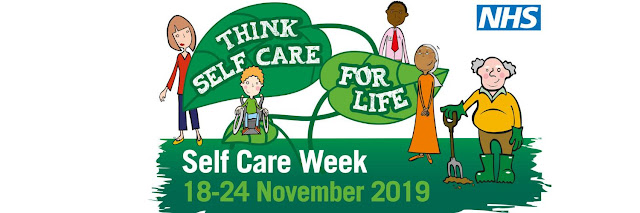
This past week has been Self Care Week and the resulting bivouac is an idea-l-isation; a temporary home for a person and a group.

On twitter @SelfCareForum featured the 'continuum of self care':

The Self Care Continuum

Using Hodges' model, reflection on the above picture soon demonstrates the scope of the model. You can navigate the full range of care displayed above. There is however much more to discover.

Amid the ongoing pandemic, we've recognised anew, or afresh, the importance and value of the outdoors, nature and the environment in all its forms. Recently, I've had to take walks with patients/clients in the community, being unable to take in the aspect of assessment that stepping indoors usually provides.

Personally, for many of us, self care is predicated on the care of others: children, older parents, friends, colleagues and the community. A parent you haven't hugged, or kissed since March 2020.

Infants and children are missing out on truly formative years of schooling and teenagers on socialisation. Apparently, among the young, eco-anxiety is a real phenomena, whether it is debated as an unsurprising fact of 21st century life, or a medical problem.

Hodges' model is much more than axes, continua and boxes. While as shown on this blog (since 2006) Hodges' model is made up of several axes and dichotomies, the model's boxes provide the means to weigh the evidence. The model can help that a given situation and context is considered holistically (parity of esteem in physical and mental health) and in a person-centred way. Then, having fulfilled their purpose, we can collapse the boxes, the bivouac and carry forward the conceptually integrated care.

To deal with eco-anxiety, we need tangible signs of social and political progress, as action is taken to tackle the climate crisis. Physical evidence is the best emotional therapy of all. Just imagine when the news media reports that CO2 has decreased, sea-level rise is slowing, plastic and air pollution are reducing.

When will that be?

I'm not sure and as with COVID-19, the uncertainty is a collective and protracted pain.

As the arts continue to inspire us, there is no doubt that caring for self and all are now inextricably linked: from self-care to planetary health.

What do you think - Self Care Tree Girl?

 
 individual 
|
INTERPERSONAL : SCIENCES
humanistic ----------------------------------------------- mechanistic
SOCIOLOGY : POLITICAL
|
group


My sources: And with many thanks.

Herakut

Self Care Forum


See also:

Monday, October 24, 2011

h2cm, Bortz's Next Medicine and self-efficacy

Here on W2tQ I've written about the primacy of the individual within the health care domains model. The person, the unique human being is at the center of the nurses' focus and values.

I had a gut instinct with Bortz's book Next Medicine which I am now half-way through. This book is a real gift to me searching for evidence that supports the model's original creation and its purposes. As the book's title attests I'm also seeking evidence that highlights the model's potential today. On page 92-93 Bortz writes:
Self-efficacy. It sounds like an erudite, vacuous, scholarly term of little relevance. But just a moment's reflection leads to the recognition that self-efficacy is the centerpiece, the keystone on which all other body and mind functions depend. Self-efficacy: self-sufficiency, intactness, wholeness, autonomy, independence. These concepts embody the essence of what it means to be fully alive, fully functional.  ...  Self-efficacy, he [Albert Bandura] says, is health. Health is self-efficacy. Rather than being a remote scholarly label, it comes close to being the central axis for health and Next Medicine.
(My emphasis.)
Bortz also highlights Bandura's notion of self-efficacy and self-efficacy prescriptions.

Wednesday, November 27, 2019

i RCGP’s 7th Health and Justice Summit: Journeys Through Justice – Leadership and Transformation

Day one of my second Health & Justice Summit (with Convenzis) was very enjoyable and informative. The title even had me wondering whether I have inadvertantly referred online, or in conversation to the conference as 'Justice & Health'. This one, like January's in Liverpool demonstrates the balancing act that is: health (care) and justice.

Sometimes given the all-encompassing nature of Hodges' model you might think nothing stood out on day one. There is key learning here for me as on Monday I take on a ready-made caseload with an 'Adult' Community Mental Health Team. The team / service designations (Adult / Older Adult) are not mine (but, yes I am part of this 'system') and within teams due attention is given to ageism and 'where' patients are best suited whatever their age. While not specifically prison health, the new part-time role includes references to substance misuse, self-harm, history of violence, personality disorder and post-traumatic stress disorder. (The current political context was also acknowledged and applied on several occasions.)

As I start to write this (25th Nov) PM on BBC Radio 4 is deliberating on violent incidents and the need to toughen up on sentences, the glamourising of certain lifestyles and expectations for life chances, employment, police numbers, youth services, political manifestos, social media and understanding 'all this'. Amid what is a complex background the event's agenda was context packed, but for me several sessions stood out.

Suicide and Self-Harm across the Criminal Justice Pathway with Dr Louise Robinson
Suicide and Self-Harm across the Criminal Justice Pathway
with Dr Louise Robinson

Prison health is a challenging context. The prison health community are not just asking hard questions, they are clearly researching them, as in 'Suicide and Self-Harm across the Criminal Justice Pathway' with Dr Louise Robinson. The research pathway was outlined. Interventions discussed included 'skin camouflage' for self-harm; and Psychodynamic Interpersonal Therapy [PIT].

The development of the study from feasibility to WORSHIP I & "Women Offenders Self Harm Intervention Pilot I":

Walker, T., Shaw, J., Turpin, C., Reid, C., & Abel, K. (2017) The WORSHIP II study: a pilot of psychodynamic interpersonal therapy with women offenders who self-harm, The Journal of Forensic Psychiatry & Psychology, 28:2, 158-171, DOI: 10.1080/14789949.2017.1301529

- through to the latest WORSHIP III. It must be marvellous to be part of evidence-based thought and practice development and with future plans delineated: Complete WORSHIP III, COVER RCT; Cell-Soothe and PrisScope.

Miranda Davies of the Nuffield Trust reported work on "Prisoners' use of hospital services in 2017/18. Many were shocked hearing that 31% prisoners miss out-patient appointments, in contrast to a general did-not-attend - DNA rate of 8.6%. Was this due to the 'patient', or prison reasons? With frequent talk of the need for increased productivity and its neighbours of efficiency and effectiveness: this is painful. Miranda Davies also questioned the limits of hospital data: what (and how) healthcare is provided in prisons; wider aspects of the prison environment; whether researchers are capturing all the activity associated with prisoners from post code alone and coding quality.

Defining trauma


Emma Facer-Irwin explained “The role of trauma and PTSD on negative behaviours among male prisoners: Toward a model of Trauma-Informed Correctional Care in the UK”. When revising and updating - definitions are always welcome.


This definition is useful as on twitter and elsewhere you cannot fail to notice an addition to the debate, critique and vitriol on PTSD with the companion of Complex PTSD.

Differentiating between PTSD and Complex PTSD
This slide 'gave' me the lead for this blog post. It stresses the 'self' and interpersonal difficulties which can create humanistic chaos, by undermining relationships old and new 'in' the Sociological domain. The intra-personal and reflexive aspect is found in the re-experiencing centred on the inter-interpersonal domain as memory, emotional response, dreams (nightmares) and avoidance behaviours that can also affect other people.

In another session the bias, stigma and damage associated with the diagnosis of personality disorder as a 'bin' was noted. This was very positive to hear and later ('elsewhere') on twitter, negative responses in cases of self-harm in casualty by nurses were also called out. I remember this being highlighted in the late 1990s - early 2000s, a surprise that such negative attitudes from mental health professionals can still be expressed and felt.

Here in a tweet are organisers, supporters and sponsors who made the event possible:
https://twitter.com/h2cm/status/1199459402446712832?ref_src=twsrc%5Etfw


More to follow ...

Sunday, November 11, 2018

Self Care Week Europe 12th November @Self_Care_EU

What does self care involve...?

SELF
|
INTERPERSONAL : SCIENCES
HUMANISTIC ----------------------------------------------- MECHANISTIC
SOCIOLOGY : POLITICAL
|
OTHER

(States of) Mind
Identity
Basic (and greater) Education
 Knowledge and Skills - Health Literacy
Cognitive access - understanding
Motivation, Attitude
Personal ethics, personal values
Self-esteem, Self-image
Personal philosophy, beliefs, expectations
Emotional - mental well-being
Resilience, coping strategies
Balanced Life experiences
Formative experiences
Upbringing, memory, character
Stress and Vulnerability
Self-advocacy
Risk taking: substance (mis-)use

(States of) Matter
Knowledge of physical fitness
Daily exercise
Presence of medical conditions, patient education: self- monitoring, treatment, recording, reporting
Body image, diet, nutrition
Treatments, Research - Antibiotics
Technology
Physical infrastructure:
Built environment,
Rural, Transport.
Lifecycle
Physical access
Environment, climate change,
Eco-systems, Sustainability

Care, Compassion, Love
Family
Friends
Culture
Lifestyle
Social network (actual / virtual)
Relationships
Community infrastructure
Stigma
Carer support

Global Eco-nomies
 Citizenship
Financial knowledge, access to banking
Health Service provision - Systems
Public Mental Health Programmes
Professionals, Global Health
Government policies
Welfare funding
Employment opportunities
Health, SDGs
Food industry
Advertising


Tuesday, July 10, 2012

Reflections on: Designing for Self-Care - the home-clinic difference

As much as I might like to I will not be able to attend Copenhagen and the workshop details of which I posted yesterday. Reading the call for papers prompted the following reflections - many of which may not be relevant to the actual workshop content, but hopefully help illustrate Hodges' model:

INTERPERSONAL : SCIENCES
SOCIOLOGY : POLITICAL

literacy - health literacy, cognitive access, insight, memory, education,
communication, attitudes, motivation*, beliefs, BEFORE-AFTER holistic measures, mental health, mood, context, therapeutic modalities, self-recording, person-al purposes - process reconciliation, coding / classification,
self data capture, expectations,
general health perception, sleep, leisure,
independence level (self-efficacy),
individual 'clinic' need / attendance, rating of existing clinical relationships,
DOO - (presence of) differences of opinion*
physical interface modalities: touch, gesture, eye movement, video interviews; clinical diagnoses (primary), observations, assessment-measures, data capture, medications, lab tests, pain, 'distances' (several not just home-clinic); treatment/drugs - training, mobility (room count, vistas), info prescription, other media - learning materials, self-care tasks (granularity, number, complexity, ...), clinic-al purposes - process reconciliation, evidenced interventions, coding / classification, home adaptations?, experience of telecare?
mobile apps? home IT / comms,
chronological:pathological age
definitions: long term- / chronic
life story, narrative medicine, quality of life, care history - duration / exposure to care systems, domestic relationships, primary care / nursing (multidisciplinary care) relationships,
perceived integration of care,
social network, access to day care / respite care, definitions - shared vocabulary, self-care folksonomy? (virtual) community creation (outcomes)? affordances,
meaning of 'clinic' attendance,
'CKO-X' Carer's Knowledge of
autonomy, power in the home: My space?,
service interfaces, available specialist services, responsiveness, support, best interests,
privacy, budgets (self), protocol - referrals, political emphasis: physical-mental health? predefined benefits, economic impacts, savings, policy reach,
implications for commissioning


As the workshop concerns home - clinic difference and designing for self-care this prompted me to a more detailed consideration of the 'distances' involved. Not just in the physical geographical sense of home-clinic travel (car, walking, public transport, disabled transport) but when last the citizen (patient) visited various locations.

There are many other dimensions of course ... the final context reduces the above to something manageable.

Saturday, August 22, 2026

Re. 'Population mental health in England, 2003–2022: Teasing apart psychological distress, mental illness and activity limitation'

Last month I was struck reading John Burn-Murdoch's regular opinion piece 'Data Points' in the FTWeekend.

This one 'What's really going on with mental health around the world?' concerned a report:

Henking, C. and Baumberg Geiger, B. (2026), 'Population mental health in England, 2003–2022: Teasing apart psychological distress, mental illness and activity limitations'. ESRC Centre for Society and Mental Health, King's College London.
https://osf.io/preprints/socarxiv/8ygrz_v2

Below I have mapped some points to Hodges' model and added others. 

By accident or not, Mr Burn-Murdoch continued this theme last weekend, discussing pandemic lockdowns and how they never ended for some people (citations below):

individual
|
INTERPERSONAL
: SCIENCES             
humanistic ------------------------------- mechanistic
SOCIOLOGY : POLITICAL   
|
group


Getting stuck in a psychological minima. Becoming fixed in mindset, lack of self-development through others - empathy, rapport. 

Subtle self-harm becoming more serious.

What is character in the 21st C?

Lack of measures.
^Lack of coherence - parity in health policy.

Lack of assertiveness, self-advocacy, prone to self-stigma (non-help seeking!)

Qualitative lived experience becomes self-reinforcing (and other - family?)

Getting fixed with a physique, posture - shaped by technology.
Physical equivalent-complement 
of 'mindset'.

Getting stuck in a physical minima 'long-term'. Subtle self-harm becoming more serious.


'Systems medicalisation'
PROCESSES

Convenience (POLITICAL) of binary responses, e.g. 
DISABLED -------- NOT DISABLED

Search for 'answers' - diagnosis

Search for 'solutions' interventions

Early effect of lack of external play, risk-taking with others, friends - testing - trust.
Lack of social skills.
Impact of social and other media - reduction of stigma.
Social roles models - father-
figure? 

Lack of 'real' socialisation - meeting peers.

Socio-Political Power, hence resort to 'sick role'.

Social media - contribution to self-diagnosis. 

Support inc. Social prescribing: "You're not listening! How dare you suggest walking, gardening, volunteering, discussion group .. as a way to deal with this!"

'It's life - get on with it!' 

The compound effect of 'World News' on young people: cost of living; housing; cost of/access to education; employment options - related to AI; geopolitical events; climate change, state of economics since birth; COVID; housing; and isolation.
'Jobs' for teenagers?
(I had a 7-day paper-round)

 ^Parity of esteem (see above)

Welfare traps - 
especially by age xx

Realisation of the importance of outdoors play. Streets being protected for children.

Early Start Nursery


Imagine four characters called Harlequin meet for dinner. Halfway through another Harlequin gatecrashes the party, called spirit, then add psychiatry, anti-psychiatry, psychology, service users, policy-makers, the pharma-industry and education to the guest list and you are set for a marvellous time.

My source: John Burn-Murdoch, What's really going on with mental health around the world? FTWeekend, 11-12 July 2026, p.10.

John Burn-Murdoch, Pandemic lockdowns never ended for some people. FTWeekend, 15-16 August 2026, p.8.

Previously: 'young people' : 'mental illness' : 'behaviour' : 'Serres'

Sunday, November 17, 2019

Patient-centred + Treatment = Self Care Week

This week 18-24th November is Self Care Week

http://www.scie.eu/scwe/


Hodges' model might tend to have us equate 'self care' with the humanistic half of the model. As Self Care Week begins I could not help but suggest on twitter that what self care means to me is 4-fold care (or 5-fold taking in the spiritual also).

Then, continuing to read Kinchin more on threshold concepts, care and caring:
"In the case of 'caring' within the clinical sciences (e.g. Clouder, 2005), the concept may link the salient points of the personal perspective (patient-centred discourse) with the biomedical (treatment) discourse (Figure 32).

Here 'care' is seen to occupy the space that links caring as a therapeutic intervention (to the left) and caring as the nurse-patient interpersonal relationship (to the right), as described by Morse et al. (1990). This positioning enables the carer and the patient to be active partners in linking the chains of clinical practice with the networks of understanding that relate to the patient's wider needs. The key factor within this model is the 'care' that includes consultation with the patient and carer that allows them to relate the two halves of the model - something that is required for learner agency (Kinchin & Wilkinson, 2016)." p.90.

The halves referred to in Figure 32 are those within Hodges' model, merely switched left-right. I will add a photograph soon.

Self care must encompass ALL of Hodges' model.


INDIVIDUAL
|
INTER-PERSONAL : SCIENCES
HUMANISTIC -------------------------------------------------- MECHANISTIC
SOCIOLOGY : POLITICAL
|
GROUP

The patient (questions)
Capacity, Motivation, Ability -
Knowledge and Skills to Self Care

Medical science
Clinical medicine

Carers


Consultation
Choices, Engagement


Clouder, L. (2005) Caring as a ‘threshold concept’: transforming students in higher education into health(care) professionals, Teaching in Higher Education, 10:4,505-517,DOI: 10.1080/13562510500239141

Kinchin, I. M., & Wilkinson, I. (2016) A single-case study of carer agency. Journal of Nursing Education and Practice, 6, 34–45.

Morse, J.M., Solberg, S.M., Neander, W.L., Bottorff, J.L., Johnson, J.L. (1990) Concepts of caring and caring as a concept. Advances in Nursing Science. Sep;13(1):1-14.

Kinchin, I.M. (2016) Visualising Powerful Knowledge to Develop the Expert Student: A Knowledge Structures Perspective on Teaching and Learning at University, Rotterdam: Sense Publishing. p.90.

Monday, July 09, 2012

1st Int. Workshop on Designing for Self-Care: Acknowledging the home-clinic difference

Hi,
We invite position papers and works-in-progress papers for the first international workshop on "Designing for self-care: Acknowledging the home-clinic difference" to be held alongside NordiCHI on 14th October, at the IT-University of Copenhagen.

Kindly consider submitting your work, and / or share with your network.

Regards,
Naveen Bagalkot

 ----------------------------- Call For Papers -----------------------------

Image source: The CfP website
Workshop theme: Supporting the movement of care across boundaries

Increasingly successful healthcare involves moving the care activities across the clinic-home boundaries. The field of HCI has increasingly explored ways to design digital technological tools to support this movement of care beyond the boundaries of a clinic.
However, the clinic and the home offer different settings, shaping the care activities in different ways. Acknowledging this difference of settings, opens up the space for various positions that designers can take for the design for self-care. We identify three key positions:
  • Home as a place for caring: A focus on supporting the citizens to perform self-care activities at home that may (or may not) involve a larger network of family, friends, home care nurses, volunteers and home care workers.
  • Clinic as a place for caring: A focus on supporting the care-givers at the clinic to prescribe home-based care activities to the citizens, and monitor how these are being complied with.
  • Moving across the boundaries: A focus on supporting the citizens to move across the clinic-home boundaries, bringing with them materials from the clinic to home, and sharing the self-care activities from home with their care-givers at the clinic.
We offer these three positions as a starting point to invite researchers and practitioners working in this space of designing digital technological tools for self-care to become part of the workshop discourse. In particular we invite them to submit their positions in a 4-page ACM SIGCHI extended abstract format, based on their own empirical experiences and / or theoretical deliberations.
  
Workshop goals
  • To bring together researchers from HCI and interaction design, and professional caregivers, to discuss and outline the challenges and promises posed by the different individual settings for care, and moving across these settings.
  • To share insights from a range of cases about the challenges and successful strategies in designing digital technology for self-care.
  • To explore promising design strategies and approaches for dealing with the challenges and promises posed by the different settings of care.
Workshop Outcomes
All accepted papers should bring a poster representing their paper to the workshop. This will be used during the workshop and its discussions. While shorter presentation of each paper will take place, the focus will be on more interactive sessions where the participants will interview each other, group work and plenum discussions. The workshop aims to share current work, methods, challenges and insights when working with, or designing for, home-based care.
  
Proceedings
The workshop will produce its proceedings in the form of an online database, which will be open to access by all interested researchers, practitioners and students. We are also looking into options to publish the proceedings with an ISBN number so that it is publicly available, and the possibility to make a journal special issue after the workshop. The proceedings will include:
  • The call for position papers, which highlights the motivations and the theme of the workshop.
  • The accepted position papers, and the respective posters.
  • The minutes of the plenary discussions and the summary of the group work.
Submission format
Maximum four pages in ACM SIGCHI extended abstract format.
  
Contact details
Email the position papers to: ...
More details can be found on: ...

Tuesday, March 03, 2026

Thoughts ii re. 2026 Lancaster Philosophy of Psychiatry Work in Progress Workshop

For me, applying Hodges' model I tend to place philosophy and psychiatry (mind, thought, belief, truth, intention ...) within the humanistic part of the model. So, Ewa Grzeszczak and - Philosophy of psychiatry and the methodology of social ontology - stood out. This is helpful as Homeostatic Property Clusters (HPC) are a useful structure, spanning bio-mathematics. As suggested previously with 'equality', we can place the philosophical non-trivial question of kinds at the centre of Hodges' model and proceed (if possible?) from there.

The requirement for a holistic, integrative and pluralistic framework is there in literature. A statement supported by Alessandra Civani's talk: 'What kind of concept is ‘incongruence’? I located a paper:

Enactive psychiatry - A pragmatic and pluralistic approach to mental health and disease

- (and now have a copy c/o and thanks to Alessandra) and am grateful to being pointed to de Haan:

An Enactive Approach to Psychiatry

 I will (must) return to these papers. Earlier on Hodges' model, I'd opined (as on 'X') how the -

  • medical
  • biomedical
  • bio-psycho-social models - are insufficient in the 21st century.

There was a thematic feel to the presentations with Anna Golova - Self-illness ambiguity without a self-illness distinction - following nicely. The styling on the slides was an added bonus. I located an informative (co-authored) paper by Golova:

‘Is it me or my illness?’: self-illness ambiguity as a useful conceptual lens for psychiatry'

Part of the power of Hodges' model derives not so much from its duality; as its dual axes. The two axes can encompass and handle the relatedness between/within reductionism, holist perspectives, the self and otherness, illness and health (well-being).

An hours break brought us to an event which was very well attended, clearly open to the public:

6-7pm Prof Miriam Solomon – Royal Institute of Philosophy talk ‘Stigma as an actant in the history of psychiatry’

In setting out the talk's structure I liked Prof. Solomon's reference to the common, implicit "grime" theory of the dynamic of stigma, and "punching down" as a strategy for managing stigma. 'Grime' made me think of sense of smell, the grime in my father's work van, a diesel. Now so many memories are evoked with the merest whiff. More positively, the patina of physical and mental life also came to mind. You would - might think stigma has been dealt with by now, but of course we are socio-politically far from it.

There is a related podcast from 2025, which also covers Prof. Solomon's early studies. A previous paper was also noted in the slides:

Solomon, M. (2025). The Elusiveness of Hermeneutic Injustice in Psychiatric Categorizations. Social Epistemology, 39(2), 166–177. https://doi.org/10.1080/02691728.2024.2400068
 
Discussion of the DSM inevitably followed (and in the above podcast). In questions the 'reality' of severe mental illness, and suggestion of the acute challenge of managing the negative symptoms of psychoses.
 
Prof. Solomon's conclusion was well worth waiting for, including:
Stigma as an "actant" (cf. Bruno Latour's concept of an agent: causal role without intention)... DSM - ICD...
 
If stigma disappeared tomorrow, the DSM would not have the same categories. 
 
Stigma (more specifically, its management) is shaping the conceptual space, with both scientific and moral consequences.

[Added 4th March...] On Friday - Sam Fellowes, took on, or has taken on - the non-trivial issue of - Modelling psychiatric diagnoses when self-diagnosing - how does this work? Complexity was acknowledged on the first slide, with self-diagnosis, and modelling, set against the Duhem-Quine thesis. 

This technical aspect is welcome and no doubt essential given the socio-technical nature of diagnosis, touching as it does the public (society), primary care, psychiatry, service user groups, policymakers, informatics, and HM Treasury, amongst several 'stakeholders'. With the impact of the internet and social media, much (if not all?) of the vocabulary of mental health professionals has been co-opted and re-framed(?) by patient / service-user groups? It does not, for example, appear that the agency behind the DSM will be able to claim it back. Autism and ADHD were also discussed and debated. I located a previous chapter by Sam (pay-wall):

Fellowes S. Self-Diagnosis in Psychiatry and the Distribution of Social Resources. Royal Institute of Philosophy Supplement. 2023;94:55-76. doi:10.1017/S1358246123000218
 
This really is a thicket of thorns, it spreads as and wherever you go.
 
The welfare bill is such that there should have been government Ministers in attendance. I have responded on behalf of clients to PIP assessments. Agencies have invited me to interview for 'Disability Assessor' roles. Not only is this a complex web, but several logics obtain: a perverse temporal logic operates, binary logic and a fixed mindset can develop so that some (vulnerable!?) individuals can get stuck. Perhaps, a social imperative steps in and disrupts, life chances: their being a NEET ('a young person who is no longer in the education system and who is not working or being trained for work'. Ecosia) is better for someone else? 
 
To unpick, make sense of this, you need a foundational universal model.
 
There is a (co-authored) paper from Giulia Russo, who presented - Epistemic and political role of experience: https://philpapers.org/rec/RUSTPO-112 from which:
'As it is widely known, epistemic injustice was introduced by Fricker (2007) to unveil power relations that have negative consequences on people as epistemic agents. She distinguished in particular two different kinds of epistemic injustice: testimonial and hermeneutical. The first kind occurs when a person (usually in a disadvantaged and oppressed role within the epistemic relation) is damaged as a knower because, as the name suggests, their testimony is overlooked, dismissed or invalidated. The second kind of epistemic injustice occurs when a person is deprived of the epistemic resources to even explain or articulate their experience of distress, or of systemic oppression. In connection to this, the concepts of neurodivergence and neurodiversity come from the political and social arena, and are born explicitly to contrast dominant pathologizing narratives in psychiatry.'
In seeking some 'test' cases to try to model relationally, Hodges' model suggests at least four - without letting the care / knowledge domains wag-the-dog. Giulia's talk was very helpful, ranging across forms of epistemic injustice (addressed by others too), identity, neurodivergence, lived experience, self-, counter- and collective narratives with references. A great resource.
 
Frank Denning, reminded me of an important phenomena, in Using Stebbing’s Directional Analysis to Evaluate ‘Mentalizing’. Talking therapies, or more properly referral to talking therapies often presents several criteria that would-be subjects must 'pass'. An ability to mentalize, can represent one. This is understanable, for effectiveness, efficiency, efficacy ... it is to be found in the manual. But, in terms of power relations, gate keeping in various forms is a literal (virtual) key to service access. Hodges' model is no different (sigh!). At what age can people start to use Hodges' model? What mentalization is involved to cognitively engage in use of Hodges' model? 
 
I struggled to obtain a copy of Stebbing's original work from 1930, but see how closely tied the work is to physics. An Internet Archive copy is poor quality. The search will continue, as I suspect there are links to Bill Ross's text on Deleuzian cosmology. It is marvellous that work from 1930 resonates today. There is: 

Janssen-Lauret, F. (Accepted/In press). Directional Analysis in Susan Stebbing’s Philosophy of Physics. In S. Chapman (Ed.), Susan Stebbing on Logic and Analysis Springer Nature. 
https://pure.manchester.ac.uk/ws/portalfiles/portal/338653274/Directional_Analysis_in_Susan_Stebbing_s_Philosophy_of_Physics_Final_.pdf

Gloria Ayob - Flourishing as mental health - was encouraging. 'TASK 1:EQUATION' a slide was titled, including emotional disorder is meta-evaluative; there are negative and positive poles, plus isomorphism between unpleasantness-pleasantness and disorder-health. I think my stomach was protesting I should have paid more attention. There is a blog post by Gloria: https://blog.oup.com/2024/12/the-concept-of-emotional-disorder/

After lunch Richard Hassall - Hermeneutical Injustice and Damaged Intellectual Self-Trust in Psychiatric Service Users, a reminder of the time and effort that needs to be put into public and patient involvement and engagement in mental health service (when this is desired). References included J.L. Austin and J.S. Bruner. A paper:

Hassall R. Sense-making and hermeneutical injustice following a psychiatric diagnosis. J Eval Clin Pract. 2024 Aug;30(5):848-854. doi: 10.1111/jep.13971. Epub 2024 Feb 20. PMID: 38375925.
https://onlinelibrary.wiley.com/doi/10.1111/jep.13971 

Scoping reviews are more common it seems: Lara Calabrese - Exploring epistemic injustice in dementia care: a scoping review and a qualitative study, plus paper [with QR code on the slide]:

Calabrese L, Brigiano M, Quartarone M, Chirico I, Trolese S, Lambiase F, Forte L, Annini A, Bortolotti L, Chattat R. I'm still here and my opinion matters: a scoping review on the experience of epistemic injustice among people living with dementia. Curr Psychol. 2025 Dec 17;45(1):s12144-025-08519-y. doi: 10.1007/s12144-025-08519-y. PMID: 41445984; PMCID: PMC7618523.
 
The paper's title here brought to mind the radio programme "Does He Take Sugar?" Questions followed regards the studies methods. Since leaving I wondered if there has been an evaluation of Dementia Friendly Communities? Are there dots to usefully joined there?
 
The final talk was delivered (with gusto - pepped me up anyway) by Jacob Barlow - Epistemic borders: experts, communities, communication. Jacob's interest in pragmatism was apparent. I look forward to reading future work, and note Liverpool 2025: ‘Problems with Pragmatism in the Philosophy of Psychiatry’.

All in all, a stimulating and enjoyable event.

Sunday, April 01, 2018

Paper: How social workers reflect in action and when and why they don’t [Mapped to h2cm]

individual
|
INTERPERSONAL : SCIENCES
humanistic ---------------------------- mechanistic
SOCIOLOGY : POLITICAL
|
group

The self - personhood

Reflection (as core concept)
has value and limitations

Non-reflection to protect the self

Unbearable anxiety

psychoanalysis - findings

defended nature of the self

thinking & non-thinking
'suspended self-preservation'
Self - Two perspectives - Service User

emotional intelligence
internal supervision
intuition - improvisation
Reflexive

Helicoptering - metacognition

Sexuality (form of bracketing-off of oneself)*
lived experience of the senses
RATIONALE

Theories of reflection

Frameworks for reflection (reflective practice)

physical / somatic effects of anxiety

ethnographic study

audio recordings


Reflective practice demands that
you learn from experience.
It requires you to be self-critical.
It expects you to analyse
what you think, feel, and do...

#When is it better NOT to reflect?

'Containment'

'splitting'

risks (being completely non-reflective)

experiences and the (mobile) body
TECHNICAL
*limits capacity of some aspects of relational work

 Social Work Practice

Home visits

Family home children and parents
'tacit knowing-in-action'
Reflection in Practise

Fieldwork - home, car

SW composed when service users in distress, absorb their sadness, shame, fears,
and at times their joy #

Face-to-Face interviews

Relationships: sexuality, gender

offloading informally - office

Social Work / Clinical Case Supervision

 offloading formally

Two Local Authorities

Management Supervision and Governance

Child protection

Power

Organisational risk management

Policies, Procedures

Lone working...

Influence in 'advocacy'
[comment on twitter - see below]
(as a Professional or 'Independent'?)


Harry Ferguson (2018): How social workers reflect in action and when and why they don’t: the possibilities and limits to reflective practice in social work, Social Work Education, DOI: 10.1080/02615479.2017.1413083

My source: Twitter
 

Tuesday, August 29, 2017

Book: Psyche on the Skin

individual
|
INTERPERSONAL : SCIENCES
humanistic --------------------------------------- mechanistic
SOCIOLOGY : POLITICAL
|
group
Psyche on the Skin


"Psyche on the Skin
 charts the secret history of self-harm. The book describes its many forms, from sexual self-mutilation and hysterical malingering in the late Victorian period, to self-castrating religious sects, to self-mutilation and self-destruction in art, music and popular culture. Sarah Chaney’s refreshing historical approach refutes the notion that self-harm has any universal meaning – that it necessarily says something specific about an individual or group, or that it can ever be understood outside the historical and cultural context of a particular era. " Reaktion Books 


Sarah Chaney‏

My source:
RCN BULLETIN, February 2017, p.11.


Wednesday, September 23, 2009

KT-EQUAL event Ageing Research 17 September

I was really pleased to be able to attend this event last Thursday (do check the site as there is an ongoing programme of workshops):

Making the most of the potential of Assistive Technology

This workshop organised in conjunction with BIAS (Brunel Institute for Ageing Studies) will provide a round-up of recent developments in AT and the underlying research aimed at enhancing independence in the home, improving safety and security, extending the use of the car, managing continence, maintaining the body and stimulating the brain.
 
Hosted by: Brunel Institute for Ageing Studies
Sponsored by: BIAS and KT-EQUAL

10:20 Welcome and Introduction, The world of  BIB and older people, Chair for the morning, Professor Emeritus Heinz Wolff, Founding Director, Brunel Institute for Bioengineering (BIB), Brunel University 
10:30 New Service Quality to Support Self-Care, Keren Down MBE, Director of FAST
10:55  Tackling Ageing Continence, Felicity Jowitt, Brunel Institute for Bioengineering
11:20 Refreshments
11:40 From chairs to stairs, Dr Ruth Mayagoitia, Applied Medical Research Group, King's College London,
12:05 "The Companion" - Independence, choice and self-sufficiency, Edward Varney, Brunel Institute for Bioengineering
12:30 Discussion
12:45 Lunch
13:45 Introduction to the afternoon, The world of BIAS and older people, Chair for the afternoon, Professor Mary Gilhooly, Professor of Gerontology, School of Health Sciences and Social Care, Brunel University 
13:50 KT-EQUAL: its mission for older people, Professor Peter Lansley, Director KT-EQUAL, University of Reading
14:00 Older drivers & older IT users: designing new technology, Suzette Keith, Middlesex University
14:25 Safety and Security in Later Life, Professor Rachel McCrindle, KT-EQUAL Consortium, University of Reading
14:50 Tea
15:10 Nourishing the body and saving the soul, Dr Arlene Astell, St Andrews University
15.35 Technology for people with dementia, Eleanor van den Heuvel, Brunel Institute for Bioengineering
16:00 Discussion
16:30 End

As noted above Prof. Heinz Wolff duly and delightfully introduced proceedings and chaired the morning. As a community mental health nurse for older adults and informatics / ICT enthusiast the day certainly proved worthwhile for me. Here are some reflections on two sessions:

While clinical and information standards have and remain a preoccupation for me, Keren Downs' session raised the chicken and the egg problem of standards and quality in the development of self-care and assistive technologies. Keren's presentation highlighted the stasis in design in the older adults sector and the question of how to energise future vision and models for innovation. There was reference to Shaping the future of care together and Common Core Principals to Support Self Care 2008, Department of Health.

Funding inevitably featured - the green paper listing three options:

Partnership - government pays for between a quarter and a third of care costs ...
Insurance - government pays for between a quarter and a third of care costs ...
Comprehensive - everyone pays into a state insurance scheme, whether or not they need care, and everyone gets free care when they need it.

The next slide reminded me of the tilting, table fitted geriatric chairs of old as Keren Downes highlighted the relative stasis in design and need for change for this population group.

While form follows function - can it also stifle innovation? When you consider change in materials, people's homes, care environments, attitudes ... there must be opportunities for innovation?

I also recalled similarities between this market of assistive technology and that of benefits realization within nursing (health) informatics. Especially as barriers were considered such as:
  • poor design (usability)
  • information provision
  • workforce competency
  • procurement
  • (To which I would add 'value added services' - maintenance, life-cycle management.)
As the speaker and work of FASTUK made clear, older adults represent a growing and emerging market, for whom standards and design will be critical if self-care and assisted living are to be fully realised *.

The final slide listed some reports and a web link as follows:

FAST reports: www.fastuk.org

• Assistive Technology supporting self care, July 2006
• Assistive Technology –Workforce Development, June 2007
• Annual Report to Parliament on Research and Development in Assistive Technology, July 2009

Felicity Jowitt in another session:

TACT3: Tackling Ageing Continence through Tools, Theory and Technology

- provided a concise non-medicalized definition:
Urinary Incontinence 'is a condition in which involuntary urine loss 
is a social or hygienic problem and is objectively demonstrable'.
International Continence Society definition of incontinence

The talk included explanations of the problems and how they arise, prevalence, management, available AT options and the anatomically - stigma driven challenges that male and female continence presents. To close new assistive devices were discussed. The creation and production of discrete, well-designed person- (in a social context) friendly aides, special pads and devices to detect the odour that signifies the need to change a continence pad before the human nose is alerted.

The sessions featured a Q&A session and amongst the many questions raised, I wondered about the ideal of continence aids that also help nurses and carers maintain high quality standards of care and professional values. ... Perhaps from the late 1970s I have antiquated notions of basic nursing care? It is shocking to hear stories of people being told to "do it anyway - you've got a pad on!". Does it not occur to these people that if the person is asking they obviously have insight and are distressed by their urgent situation. As to people who are confused and asking as a result of agitation - the mind boggles and the heart aches at the standards of care evident in such an attitude.

So, this was a really thought provoking and - despite the subjects - enjoyable event and I have only of course scratched the surface.

A related reference I am following up:

Duarte, L.R., Marquié, L., Marquié, J-C. et al. (2009) Analyzing feature distinctiveness in the processing of living and non-living concepts in Alzheimer’s disease, Brain and Cognition, Volume 71, Issue 2, November 2009, Pages 108-11.