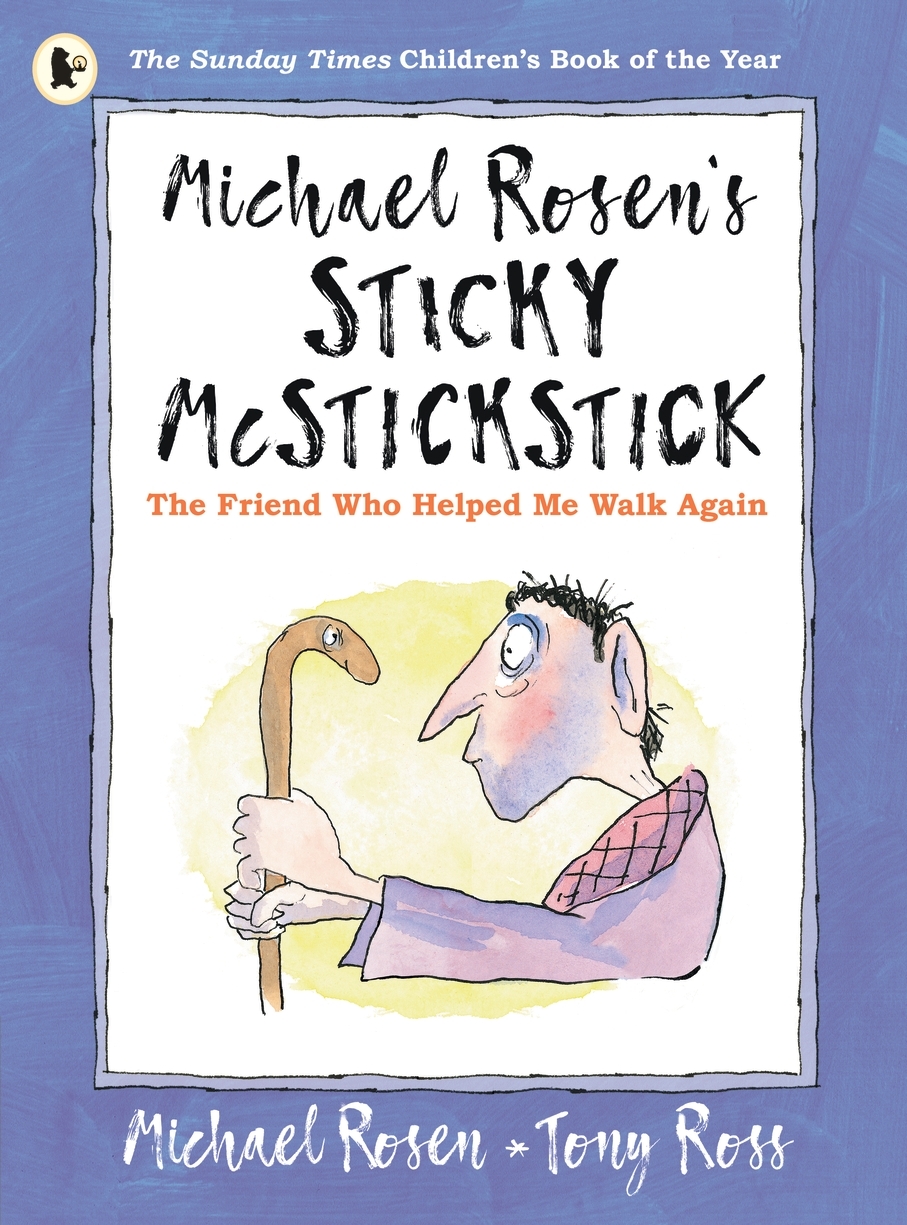
Jackanory: Parity of Esteem 'read' c/o Mr Rosen
Hodges' model is a conceptual framework to support reflection and critical thinking. Situated, the model can help integrate all disciplines (academic and professional). Amid news items, are posts that illustrate the scope and application of the model. A bibliography and A4 template are provided in the sidebar. Welcome to the QUAD ...
From a visit to Liverpool Tate 13.6.2008:
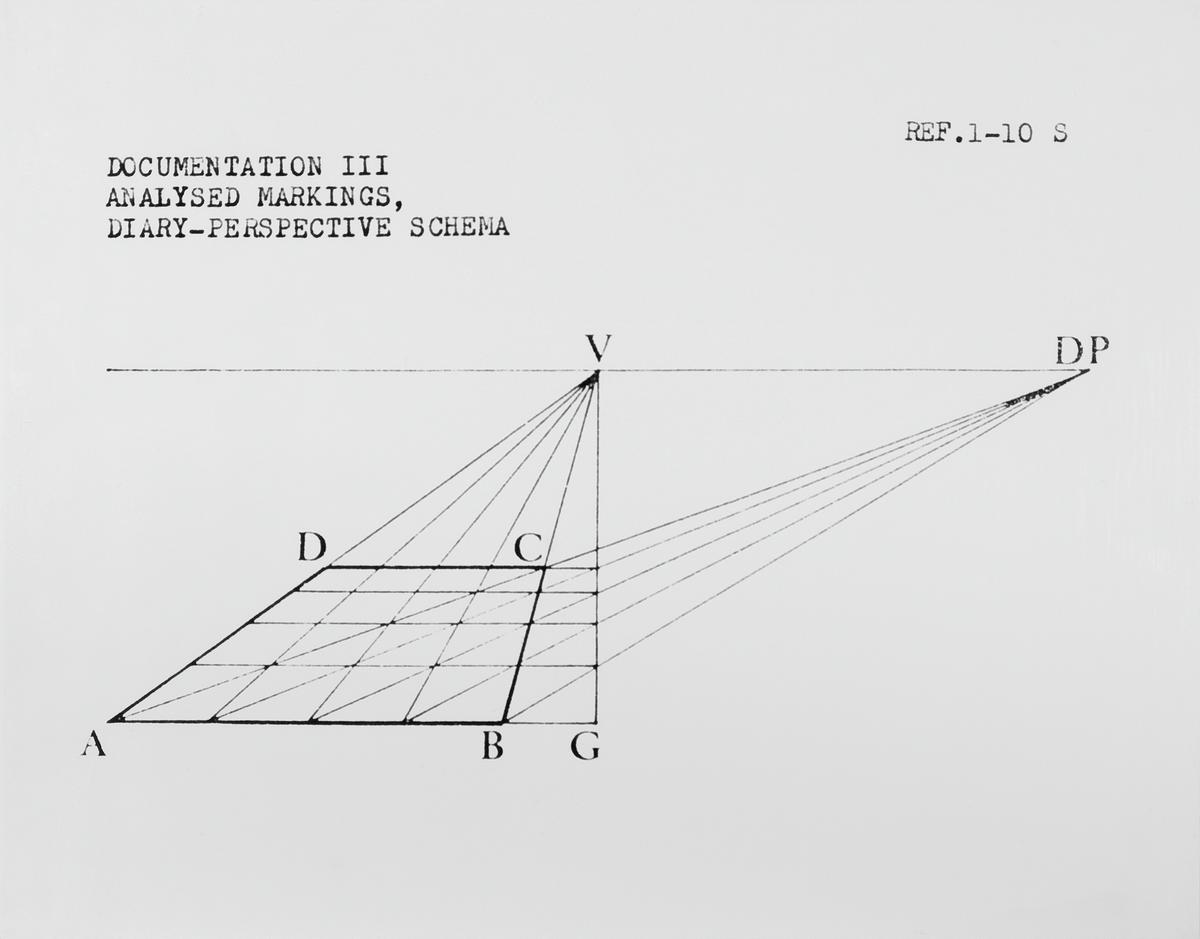
1975, Mary Kelly © Tate
'Chalk and crayon drawings by Mary Kelly’s son are overlayed with transcriptions, annotations and reflections based on their interactions as he began nursery. These panels are the third group of a six-part series, each documenting a formative moment in Kelly’s son's early life. Kelly has stated that Post-Partum Document is not ‘autobiographical’. She instead uses her story to suggest ‘an interplay of voices – the mother’s experience, feminist analysis, academic discussion, political debate’. The work subverts romanticised depictions of the mother-child relationship, presenting the experience as inevitably bound up with societal norms and gendered expectations.'
See also: Mary Kelly
dyad : perspective : art
Posted by Peter Jones at 10:18 am | PERMALINK
Labels: abstract , art , arts , child , diary , drawing , dyad , exhibition , feminism , infant , Liverpool , mother , pastpartum , perspective , post-natal , record , schema , son , voices , women
The British Museum, Room 90. 28th September 2024.
https://www.britishmuseum.org/exhibitions/new-life-rembrandt-and-children
Posted by Peter Jones at 7:21 pm | PERMALINK
Labels: aesthetics , art , British Museum , child , community , cooperation , cultures , development , drawing , economy , history , ink , media , pen , peoples , representation , sketch , skills , society , villages
"A work by artist Jason Wilsher-Mills is displayed at the Wellcome Collection ahead of the opening of a solo exhibition at the London museum. "Jason and the adventure of 254" reimagines the gallery space as a hospital ward and features huge sculptures, illustrations and interactive dioramas that draw on the artist's experience of becoming disabled at the age of 11.
The exhibition's title alludes to 2.54pm at Pinderfields Hospital, Wakefield, on August 1 1980, when Wilsher-Mills watched from his hospital bed as his parents were told he was suffering from an autoimmune condition brought on by a bout of chicken pox.
The free exhibition opens tomorrow (21st March) and runs until January." p.2.
| |||
Body of work, Artist relives diagnosis, Financial Times, 20 March 2024, p.2.
Previously - 'beds'
Posted by Peter Jones at 5:35 pm | PERMALINK
Labels: art , arts , autoimmune , beds , body , chicken pox , child , diagnosis , dioramas , disability , exhibition , experience , hospital , illustration , information , London , parents , person , sculpture , time
When the nursing process was introduced in the UK in the late 1970s - early 1980s, the change was resisted to a degree with concern that patients were at risk of being 'processed': assessed, care planned, interventions delivered then evaluated, discharged or re-assessed. ...
play my quality of lifemy quality of care Emotional, Health and Care Plans Teaching Assistant provision continuity of care 'demand' | time my quality of life my quality of care self-care - feeding 23% rise in demand for school transport Human geography 'supply' |
families 'informal carers' needs that can (supposedly) be met at home Government funding crisis social inclusion social capital Care in the community 'demand' | £4bn overall funding gap in children's services Children and Families Act Index of Multiple Deprivation Needs-based funding? Children with special educational needs and disabilites (SEND) Parental resort to specialist tribunal courts: 96% legal challenges successful (2022) National / local taxation 'supply' 'broken' social care market - "dysfunctional" |
"The costs are rising inexorably," he said. "Children are very often being processed rather than looked after."
Posted by Peter Jones at 7:54 pm | PERMALINK
Labels: assessment , bankrupt , child , children , councils , deprivation , disability , families , FT , funding , GIS , government , law , local , national , needs , policy , resource allocation , SEND , special needs
Dear colleagues,
I am pleased to invite you to a webinar to commemorate International Day of Zero Tolerance for Female Genital Mutilation:
Thursday 3 February 2022 at 8am EST/2pm CET/4pm EAT
The webinar will bring together global stakeholders and experts to discuss the economic burden of FGM and the urgent action needed to achieve Sustainable Development Goal target 5.3 on the abandonment of FGM.
The webinar will coincide with the publication of the “Economic Burden of Female Genital Mutilation in 27 High-Prevalence Countries” by BMJ Global Health, a study, conducted by WHO, in collaboration with Triangulate Health Ltd.
There will be live interpretation in French and Arabic. You can register here.
Please join us and please share the link to the event with your networks.
Kind regards,
Christina
Christina Pallitto, PhDMy source: GANM and IBPnetwork lists (and the images above).
Posted by Peter Jones at 9:45 pm | PERMALINK
Labels: abuse , activism , beliefs , BMJ , child , childhood , crime , culture , economics , female genital mutilation , FGM , gender violence , girls , human rights , SDGs , sexual health , violence , webinar , WHO , women
"Wonder how I ever made it through And there are children to think of Baby's asleep in the back seat Wonder how they'll ever make it Through this living nightmare But the mind is an amazing thing Full of candy dreams and new toys ..." |
"Another ditch in the road You keep moving Another stop sign You keep moving on And the years go by so fast ..." |
"Another bruise to try and hide Another alibi to write ...." |
Posted by Peter Jones at 9:57 pm | PERMALINK
Labels: baby , care , child , children , domestic abuse , freedom , gender violence , justice , love , mother , music , poems , power , protection , relationships , safety , trauma , violence , women
"To the holistic absorption by the One – upon which the success of so many religions and philosophies was premised for centuries – Sloterdijk opposes the proposition of a dyadic theory of intimacy. This is a distinction between an acute appearance of unity, experienced from a cosmic position of being fully contained inside a whole, and an ontological insistence that this position is itself contingent on a constitutive relationality. It is not possible to attain an overview, an outside bird’s-eye view of spheres (Neither Sun Nor Death, p263). By contrast, ... |
"Sloterdijk’s anthropological theory of shared, auto-poetic space, carries ontogenetic force. This is, by example, expressed in the discussion of the relationship between birth and thought, or between the birth of a child and that of a world.35 Sloterdijk dedicates the bulk of Bubbles to birth, providing a detailed discussion of intrauterine dwelling, including the sensory presence of liquids, soft bodies, the early experience of spatial boundaries, fluidal communion in the medium of blood, the constitution of an intimate acoustic bipolar sphere and, above all, cohabitation with the placenta, conceived as primal, anonymous companion. Intrauterine space is approached as the most vivid illustration of the spherological principle according to which coexistence precedes essence. At once enclosed and porous, poetic and connected, intrauterine space is the production of a dense and connected ‘two’: ‘What we call ‘mother and child’ in the abbreviated terms of subject-object language are, in their mode of being, only ever poles of a dynamic in-between’ (Bubbles, p320)." p.47. |
By contrast, ... the relational ontology of spheres aims to rehabilitate the relation at the expense of the essential, and the situation at the expense of components (p151). Against any form of substantialism, a relational ontology emphasises the centrality of being-with [Mitsein] in relationships of mother and child, mesmerist and subject, therapist and patient, foetus and placenta, and so forth." p.47. |
![]() |
Posted by Peter Jones at 1:10 pm | PERMALINK
Labels: anthropology , biosphere , birth , bubbles , child , dyad , Hodges' model , life , meaning , mother , ontology , other , philosophy , physiology , relational , relationships , self , Sloterdijk , sphere , unity
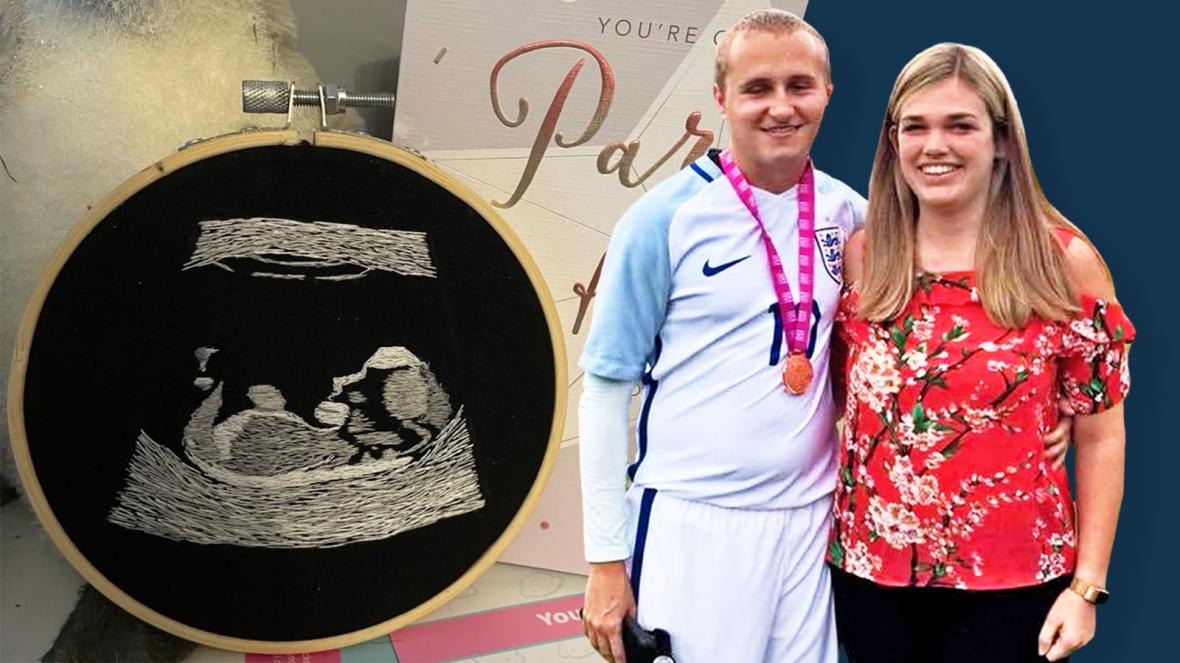
Embroidered scan lets blind father 'see' baby. The Time, 15 December 2020, p.27.
https://www.thetimes.co.uk/article/embroidered-scan-lets-blind-father-see-bab fathery-378jq82qb
Posted by Peter Jones at 11:12 am | PERMALINK
Labels: arts , blind , child , connection , emotion , father , Hodges' model , inclusion , life , life chances , maternal health , neonatal , pregnancy , preventive medicine , relationships , representation , sciences , ultrasound , vision
23 September 2020 – May 2021
Whitechapel Gallery unveils a major new work, Can You Hear Me? by Nalini Malani (b. 1946, Karachi, Undivided India), as part of its prestigious annual programme of artist commissions.
My source:
Spence R. (2020) Written on the body, FT Weekend, Life&Arts, 5-6 September, p.13.
https://www.ft.com/content/2793f080-6690-4047-bc8d-8afab2b60026

|
|
|
|
|
|
|
|
|
|
|
|
|
Posted by Peter Jones at 7:06 pm | PERMALINK
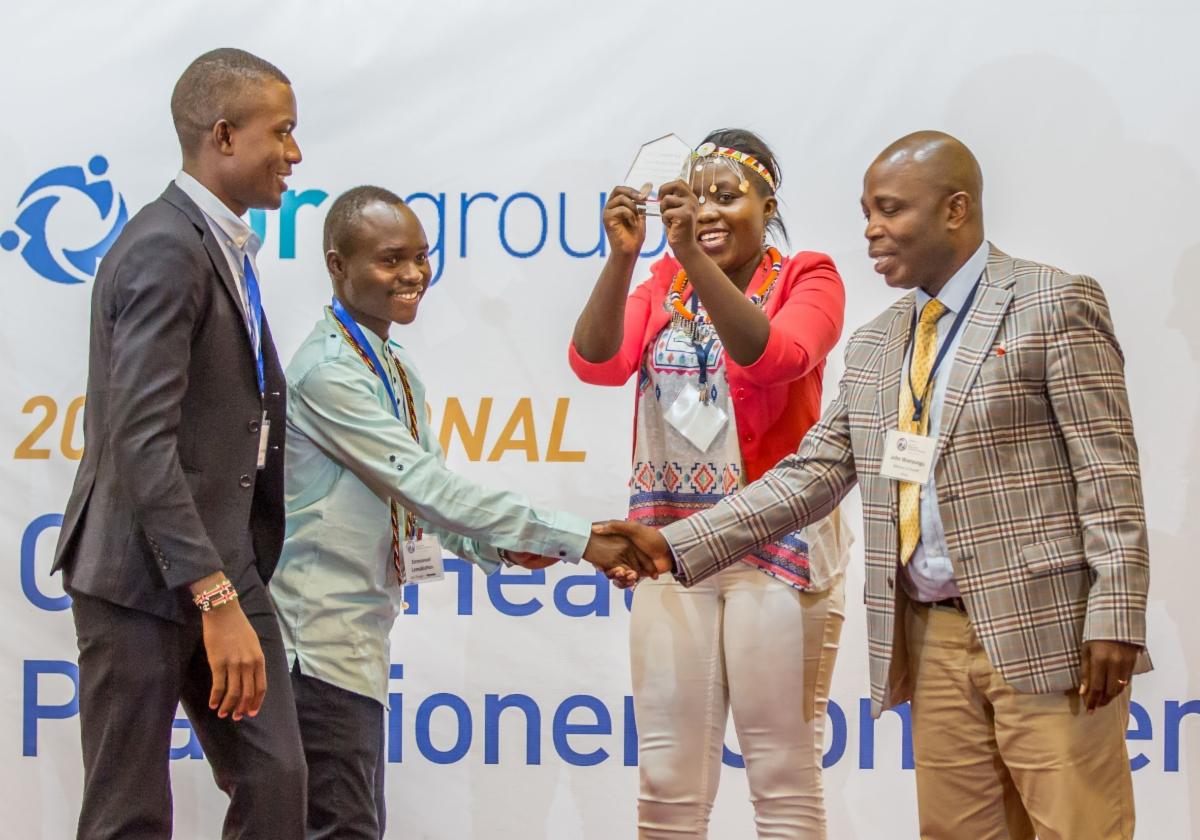
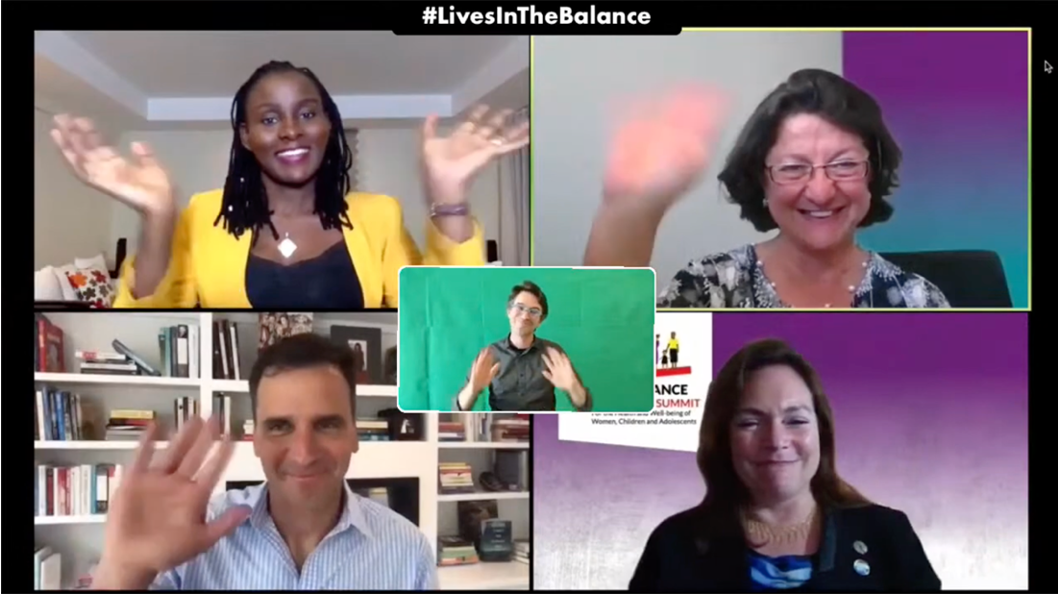
Labels: adolescents , child , community , conference , global health , health , innovation , involvement , organisation , partnership , planning , policy , professionals , well-being
... "To the holistic absorption by the One – upon which the success of so many religions and philosophies was premised for centuries – Sloterdijk opposes the proposition of a dyadic theory of intimacy. This is a distinction between an acute appearance of unity, experienced from a cosmic position of being fully contained inside a whole, and an ontological insistence that this position is itself contingent on a constitutive relationality".
|
"Sloterdijk dedicates the bulk of Bubbles to birth, providing a detailed discussion of intrauterine dwelling, including the sensory presence of liquids, soft bodies, the early experience of spatial boundaries, fluidal communion in the medium of blood, the constitution of an intimate acoustic bipolar sphere and, above all, cohabitation with the placenta, conceived as primal, anonymous companion. Intrauterine space is approached as the most vivid illustration of the spherological principle according to which coexistence precedes essence. At once enclosed and porous, poetic and connected, intrauterine space is the production of a dense and connected ‘two’: ‘What we call ‘mother and child’ in the abbreviated terms of subject-object language are, in their mode of being, only ever poles of a dynamic in-between’ (Bubbles, p320)". ... p.47.
|
Posted by Peter Jones at 11:39 pm | PERMALINK
Labels: being , birth , body , child , dyad , fluids , holistic , mother , One , philosophy , physical , poetry , relational , relationships , Sloterdijk , space , spatial , sphere , subject , whole
Born in Liverpool, UK.
Community Mental Health Nurse NHS, Part-time Lecturer,
Researcher Nursing & Technology Enhanced Learning
Registered Nurse - Mental Health & General
Community Psychiatric Nursing (Cert.) MMU
PG Cert. Ed.
BA(Joint Hons.) Computing and Philosophy - BIHE - Bolton
PG(Dip.) Collaboration on Psychosocial Education [COPE] Univ. Man.
MRES. e-Research and Technology Enhanced Learning, Lancaster Univ.
Live and work in NW England - seeking a global perspective.
The views expressed on W2tQ are entirely my own, unless stated otherwise.
Comments are disabled.
If you would like to get in touch please e-mail me at
h2cmng AT yahoo.co.uk
orcid.org/0000-0002-0192-8965-=<>=-