Hodges' Model: Welcome to the QUAD: Search results for covid

Hodges' model is a conceptual framework to support reflection and critical thinking. Situated, the model can help integrate all disciplines (academic and professional). Amid news items, are posts that illustrate the scope and application of the model. A bibliography and A4 template are provided in the sidebar. Welcome to the QUAD ...

Showing posts sorted by date for query covid. Sort by relevance Show all posts

Saturday, August 22, 2026

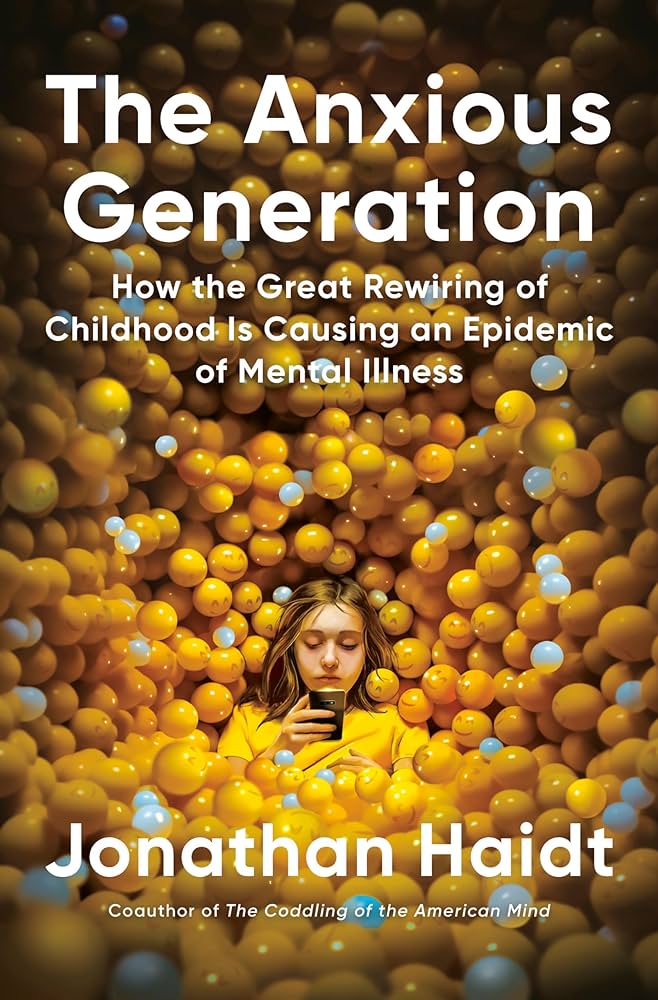
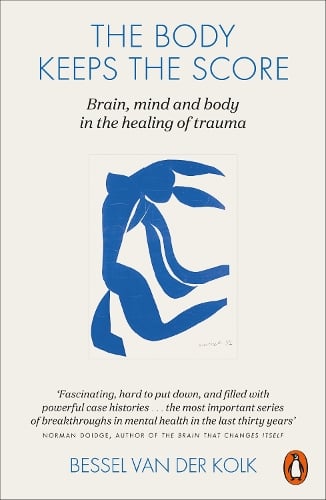
Re. 'Population mental health in England, 2003–2022: Teasing apart psychological distress, mental illness and activity limitation'

Last month I was struck reading John Burn-Murdoch's regular opinion piece 'Data Points' in the FTWeekend.

This one 'What's really going on with mental health around the world?' concerned a report:

Henking, C. and Baumberg Geiger, B. (2026), 'Population mental health in England, 2003–2022: Teasing apart psychological distress, mental illness and activity limitations'. ESRC Centre for Society and Mental Health, King's College London.
https://osf.io/preprints/socarxiv/8ygrz_v2

Below I have mapped some points to Hodges' model and added others. 

By accident or not, Mr Burn-Murdoch continued this theme last weekend, discussing pandemic lockdowns and how they never ended for some people (citations below):

individual
|
INTERPERSONAL
: SCIENCES             
humanistic ------------------------------- mechanistic
SOCIOLOGY : POLITICAL   
|
group


Getting stuck in a psychological minima. Becoming fixed in mindset, lack of self-development through others - empathy, rapport. 

Subtle self-harm becoming more serious.

What is character in the 21st C?

Lack of measures.
^Lack of coherence - parity in health policy.

Lack of assertiveness, self-advocacy, prone to self-stigma (non-help seeking!)

Qualitative lived experience becomes self-reinforcing (and other - family?)

Getting fixed with a physique, posture - shaped by technology.
Physical equivalent-complement 
of 'mindset'.

Getting stuck in a physical minima 'long-term'. Subtle self-harm becoming more serious.


'Systems medicalisation'
PROCESSES

Convenience (POLITICAL) of binary responses, e.g. 
DISABLED -------- NOT DISABLED

Search for 'answers' - diagnosis

Search for 'solutions' interventions

Early effect of lack of external play, risk-taking with others, friends - testing - trust.
Lack of social skills.
Impact of social and other media - reduction of stigma.
Social roles models - father-
figure? 

Lack of 'real' socialisation - meeting peers.

Socio-Political Power, hence resort to 'sick role'.

Social media - contribution to self-diagnosis. 

Support inc. Social prescribing: "You're not listening! How dare you suggest walking, gardening, volunteering, discussion group .. as a way to deal with this!"

'It's life - get on with it!' 

The compound effect of 'World News' on young people: cost of living; housing; cost of/access to education; employment options - related to AI; geopolitical events; climate change, state of economics since birth; COVID; housing; and isolation.
'Jobs' for teenagers?
(I had a 7-day paper-round)

 ^Parity of esteem (see above)

Welfare traps - 
especially by age xx

Realisation of the importance of outdoors play. Streets being protected for children.

Early Start Nursery


Imagine four characters called Harlequin meet for dinner. Halfway through another Harlequin gatecrashes the party, called spirit, then add psychiatry, anti-psychiatry, psychology, service users, policy-makers, the pharma-industry and education to the guest list and you are set for a marvellous time.

My source: John Burn-Murdoch, What's really going on with mental health around the world? FTWeekend, 11-12 July 2026, p.10.

John Burn-Murdoch, Pandemic lockdowns never ended for some people. FTWeekend, 15-16 August 2026, p.8.

Previously: 'young people' : 'mental illness' : 'behaviour' : 'Serres'

Monday, May 04, 2026

iii WCCS26: World Conference on Complex Systems 20-22nd April

Chaos
Making a New Science 
by James Gleick


When I first learned of WCCS26, I saw a connection, an affinity across the conference themes. This was reinforced when I read the final program for WCCS. Here was a home for the model, a way-point for Hodges' model. For an independent scholar, it was quite a trip to Ben Guerir, to the north of Marrakech; 13 hours (brief by global standards). It was a place to wave wildly, making use of the opportunity to present Hodges' model, to say - "Dear All, can you do anything with this?".


It is almost 40 years since I read James Gleik's, Chaos: Making a New Science. That was in Cornwall I think? Now, something more than book - a complexity conference.  

 After the first two keynotes - two panels: 

 Panel 1 - Complexity, Society & Global Challenges

▪ Carlos Álvarez Pereira - No Limits to Hope: Escaping from the unreasonable effectiveness of Modernity
▪ David Chavalarias - The Artificialization of Cultural Evolution: the Impact of Very Large Digital Infrastructures on Individuals and Society
▪ Louis Klein - Noospheric Singularity and the Mirror of Tamkeen
Panel Chair: Karima Kadaoui

These confirmed I was in the right place. Well, it was bit late if I wasn't! I was reminded of the slow movement, and how in healthcare, specifically client-nurse intereactions you had time to manage your time, that is your caseload to deliver person-centred care. I don't mean time-wasting, as in social chat, tea and custard creams either. This is what being professional is about, truly trying to make a difference - that lasts. So we worked through: What is; (science) what we understand; and (tech and law) what should be. Ecologically, we often refer to the size of our footprints. Panel one considered this individually and collectively - institutionally. Fascinating to reflect upon these themes and how modernity is stamping about in a rather chaotic way? We are seemingly power-less to stop this.

c/o Carlos Álvarez Pereira
No Limits to Hope: Escaping from the unreasonable effectiveness of Modernity

Three reports to the Club of Rome were displayed, spanning 'NO LIMITS TO LEARNING - Bridging the human gap' 1979; 'Limits and Beyond' 2022; 'NO LIMITS TO HOPE - Liberate the potential for Collective Learning' 2026. Should we be troubled, worried even, that the latest followed after a mere four years? There are of course, many reports as per the link above.

David Chavalarias - The Artificialization of Cultural Evolution: the Impact of Very Large Digital Infrastructures on Individuals and Society spoke about the beneficial and malign impacts of social media AI tools. Covid featured as might be expected. Within the sciences, what was worrying, was an innovation slowdown associated with AI, non-AI use, chartered around a central point (centroid). I believe the slide referred to:

Qianyue Hao & Fengli Xu & Yong Li & James Evans, 2026. "Artificial intelligence tools expand scientists’ impact but contract science’s focus," Nature, vol. 649(8099), pages 1237-1243, January. 

There was one slide:


Is this the demise of any efforts to achieve SOCIO-technical synergy? Even to the extent of realising benefits for the human in socio-technical systems? Did Covid not teach us anything about the informational difference technology can make? When so many technologies are muted by a virus? This is what we need: things to think about, question and critique. 

There used to be a series of A3 step-by-step oil painting magazines in the 1970s. One presented a desert campfire, clearly set in the east. I did try it, though not sure were the result is now. ... Such a scenario was presented by Louis Kleinand the Noospheric Singularity and the Tamkeen Process - Regenerative Hermeneutics, with the following reference provided:

Klein, L., & Kadaoui, K. (2024). Realising metamorphic transformation in the mirror of Tamkeen: Growing a shared understanding from co-reflected lived experiences. Systems Research and Behavioral Science, 41(5), 738–749. https://doi.org/10.1002/sres.3058 

There was much I could identify with. And, once again, I cannot continue at this pace. We have only covered (touched!) panel one. Hopefully you now have an idea of the depth of the conference programme. More however, will follow.

See also: thefifthelement.earth

Chaos - cover: https://www.goodreads.com/book/show/826080.Chaos

Thursday, April 09, 2026

Book: 'Complexity in Health Care - A Paradigm Shift for Clinical Practice'

This book was published in 2023, so I am most grateful to Daniela and colleagues at SpringerNature for the review copy. My reading will also inform both the presentation I've to deliver, and the learning during the conference's three days and the rest of a visit to Morocco.

With a 15 minute talk and 5 minutes for questions, I have 15 slides. The final one, is a listing of sources, plus this book:

1. Estrada, E., Submitted (2026) Emergent Geometry in Complex Systems from Relational Dynamics. I. The Classical Setting.
https://ifisc.uib-csic.es/en/publications/emergent-geometry-in-complex-systems-from-relation/
2. Napoli, P.H., Fischer, B., Salati Marcondes de Moraes, G.H. et al. (2026). When complexity does not mean chaos: nonlinear dynamics of entrepreneurial ecosystems. J Technol Transf  https://doi.org/10.1007/s10961-025-10314-7
3. Hylin MJ, Kerr AL, Holden R. Understanding the Mechanisms of Recovery and/or Compensation following Injury. Neural Plast. 2017;2017:7125057. doi: 10.1155/2017/7125057. Epub 2017 Apr 20. PMID: 28512585; PMCID: PMC5415868.
4. Zanin, M., Papo, D. (2020) Assessing functional propagation patterns in COVID-19. Chaos, Solitons & Fractals 138, 109993
5. Braithwaite J, Ellis LA, Churruca K, et al. Complexity Science as a Frame for Understanding the Management and Delivery of High Quality and Safer Care. 2020
6. Bergström, J., & Dekker, S. W. A. (2014). Bridging the Macro and the Micro by Considering the Meso: Reflections on the Fractal Nature of Resilience. Ecology and Society, 19(4), art22. https://doi.org/10.5751/ES-06956-190422
7. Rickles, D., Hawe, P., & Shiell, A. (2007). A simple guide to chaos and complexity. Journal of Epidemiology & Community Health, 61(11), Article 11. https://doi.org/10.1136/jech.2006.054254
8. Miller, K. (2007). From Fears of Entropy to Comfort in Chaos: Arcadia, The Waste Land, Numb3rs, and Man’s Relationship With Science. Bulletin of Science, Technology & Society, 27(1), 81-94.
9. Frankel, Steven & Thurber, Steven & Bourgeois, James. (2023). Complexity in Health Care: A Paradigm Shift for Clinical Practice. Cham: Springer. 10.1007/978-3-031-14949-8.

Also pointing to the bibliography in the sidebar and the template link. 

More to follow ...

Tuesday, March 31, 2026

Global health is ... c/o King & Koski (2020)

Use of the word 'global' in health care is common: from global assessment; global as in a pandemic, as per Covid which for a time closed down most human activity across the world; the global health workforce; and global health crises, that must include the climate crisis and pollution. Universal health coverage, allied with universal healthcare access, refers to (national and aspirational ...) global access to quality health services. 

Above, 'global health' has itself already occurred several times. I've posted about global health on a great many occasions on behalf of other parties.

Defining global health in the context of public health, King and Koski (2020) write:

'We propose the following definition:
global health is public health somewhere else.'

More specifically, they add: 

'Global health as a field is not distinguished by its aspirations, methods of research and practice, intervention strategies or even geographical area per se, but rather by a particular relationship between its practitioners and its recipients: a person engages in global health when they practise public health somewhere—a community, a political entity, a geographical space—that they do not call home.'


To apply Hodges' model to global health, there must be another definition.

King NB, Koski A. Defining global health as public health somewhere else. BMJ Global Health
2020;5:e002172. doi:10.1136/bmjgh-2019-002172

Saturday, February 21, 2026

London: 'The Weight of Being: Vulnerability, Resilience and Mental Health in Art'

In London currently, 20th - 23rd I was on my way to Bankside Gallery and walking by Temple Place, #2 to be precise, on a board outside I read:

'The Weight of Being: Vulnerability, Resilience and Mental Health in Art'

Taking in the mental health and illness of artists, gender, domesticity, industrial and political struggle, COVID, and Gaza I spent and enjoyed a two hour detour. The building is also amazing. The exhibition is on until 19 April 2026, closed on Monday's and today 21st February. Before I share some text from their website, the interior of the building was a 'virtual' experience, but without the technology. Helpfully, the exhibition is spread across several rooms.

'Curated by Angela Thomas, this new exhibition explores artistic expression and mental health. Through depictions of deeply personal and collective experiences, it examines the powerful ways in which artists capture vulnerability, resilience, and their search for solace.

Including the work of a diverse range of twentieth century and contemporary artists and their varying perspectives, The Weight of Being showcases how artists have captured the psychological and emotional impact of societal pressures, resilience in the face of adversity, and existential uncertainty.

Alongside dozens of artworks drawn from galleries and collections across the UK, the portraits, landscapes, and figurative studies of the lesser-known artist John Wilson McCracken (1936–1982) are woven throughout. Denied the opportunity to return to the Slade School of Art following a period of hospitalisation for mental health reasons, McCracken spent much of his career in Hartlepool, producing work that reflects a profound sensitivity to the emotional and social pressures of his time. Shaped by personal and collective struggles, his art offers a deeply human perspective on the exhibition’s themes, revealing how external forces imprint themselves on the mind, body, and creative spirit.' Continued . . .

The building as a whole - Two Temple Place is owned and run by a registered charity, the Bulldog Trust. 

I will definitely (hopefully!) visit again, on the way or returning from the South Bank of the Thames. The video below presents key aspects of the building's amazing interior and history:

Thursday, January 08, 2026

Hodges' model: An algebra for care - seeking axioms?

Although Oliver had been brought up by philosophers, he was not theoretically acquainted with the beautiful axiom that self-preservation is the first law of nature.
                                                                                    
- Charles Dickens, Oliver Twist

Coady, C. A. J. (1990). Hobbes and “The Beautiful Axiom.” Philosophy, 65(251), 5–17. 
http://www.jstor.org/stable/3751240

"It is an axiom in therapeutics that the more remedies there are proposed for a disease the less likely is any of them to be effective."

[- William Osler]

Mountin, J. W. (1943). Nursing: A Critical Analysis. The American Journal of Nursing, 43(1), 29–34. https://doi.org/10.2307/3416264

Individual
|
     INTERPERSONAL    :     SCIENCES               
HUMANISTIC  --------------------------------------  MECHANISTIC      
 SOCIOLOGY  :    POLITICAL 
|
Group
 
'One of the core tenets of pragmatism, despite its various formulations by William James, Jane Addams, John Dewey, and neo-pragmatists like Rorty, Habermas, and Putnam, is an epistemological axiom first formulated in 1868 by Charles Sanders Peirce. This maxim, often dubbed the pragmatic maxim, states that the meaning of our ideas is best expounded when we can spell out the implications or the effects of these ideas in real-world experience and practice (Peirce 1878).' pp.105-106.
(Racine, 2024).

physical - SELF - My body[?]


'The lack of consideration of downside risks applies to all COVID-19 countermeasures, including mass-masking (e.g. the social and psychological consequences of mask-wearing for all kinds of social interaction, most notably in educational and childcare settings) and to the accelerated approval of vaccines. The latter is particularly noteworthy because the need for rigorous testing of new medications to guard against the risk of side effects is a standard axiom of contemporary ethical medical practice. Given that the vaccines in question employed novel mechanisms, not testing them sufficiently to assure their longer term safety was stratospherically risky: it meant that the possibility that this vaccination programme would do more harm than good could not be excluded. Yet, the medical establishment stood foursquare behind it, insisting on the safety and efficacy of the vaccines and pillorying any, including those within it, who demurred.' p.55. (Kelly, 2023).


'“Never have we been so free. Never have we felt so powerless”: this, according to Bauman, is the paradox of our time. Verhaeghe writes with a variant: “Never before have we in the West had it so good, and never have we felt so bad.”33 Because neoliberal axioms determine the standards of what is healthy and normal, society sees those who do not want to participate as sick or abnormal.' pp.97-98. (Vanheste, 2023).
 

My emphasis

Racine, E. (2024). What Participatory Research and Methods Bring To Ethics: Insights From Pragmatism, Social Science, and Psychology. Kennedy Institute of Ethics Journal 34(1), 99-134. 
 https://dx.doi.org/10.1353/ken.2024.a943431.

Kelly, M.G.E. (2023). Securing the Pandemic: Biopolitics, Capital, and COVID-19. Foucault Studies 35, 46-69. https://muse.jhu.edu/article/940834.

Vanheste, J. (2023). Half a Century of Exhaustion and Madness: The Fiftieth Anniversary of Pink Floyd's The Dark Side of the Moon. Soundings: An Interdisciplinary Journal 106(1), 87-109. 
https://muse.jhu.edu/article/950363.

See also: 'axiom' : 'algebra' : 'pragmatism'

Person-centred care = care axiomatics at a collective and individual level?

The first rule (axiom?) of first aid is...?

Saturday, August 23, 2025

Seeking Alpha?

OK. I admit it. I submit!

Despite many posts tagged economics, references to capitalism, the recent reading of Prof. Borras's 'Health and Health Care Inequities', it looks like the search for 'alpha' has won out.

Health, healthcare, health systems and health services, universal health coverage, universal access, planetary health, social care and more SDG3 are playing catch-up. This is inevitable. That is clear, as and in the lives we live.

We shouldn't be ashamed. 

As curricula (by and large), medicine, and academia keep telling us:

health care is bio-medical, or at best bio-psycho-social.

Business, commerce, neoclassical economics, in short - Capitalism holds sway within the political domain. It influences policy, sustains the existing ill-health care system paradigm. Without which, we must acknowledge of course, COVID, and other threats, the ageing populations in many nations ... society as we know it would be in serious trouble, if not at risk of collapse.

Individual
|
      INTERPERSONAL    :     SCIENCES               
HUMANISTIC  --------------------------------------  MECHANISTIC      
 SOCIOLOGY  :    POLITICAL 
|
Group


psycho-

bio-medical

-social


"What Is Alpha?
Alpha (α) is a term used in investing to describe an investment strategy’s ability to beat the market, or its “edge.” Alpha is thus also often referred to as excess return or the abnormal rate of return in relation to a benchmark, when adjusted for risk."


The literature in the past has identified the risks of free-ranging reflection. Two sources are referenced in the paper published this month:
61. L. Platt, “The ‘Wicked Problem’ of Reflective Practice: A Critical Literature Review,” Innovations in Practice 9, no. 1 (2014): 44–53. 
62. A. de la Croix and M. Veen, “The Reflective Zombie: Problematizing the Conceptual Framework of Reflection in Medical Education,” Perspectives on Medical Education 7 (2018): 394–400.
There is a truth here, however. It looks to me like the economists, politicians, and policymakers are engaged in navel-gazing.

To fully apprehend health, healthcare, and prevention in the 21st century we must reflect upon and think critically biopsychosociopolitically.

Then collectively the disciplines, embedded in the spiritual 

ALPHA CARE 

is presented to us.

Individual
|
      INTERPERSONAL    :     SCIENCES               
HUMANISTIC  --------------------------------------  MECHANISTIC      
 SOCIOLOGY  :    POLITICAL 
|
Group


What is Alpha? - https://www.investopedia.com/terms/a/alpha.asp

Image: https://iconscout.com/icons/alpha

Friday, August 15, 2025

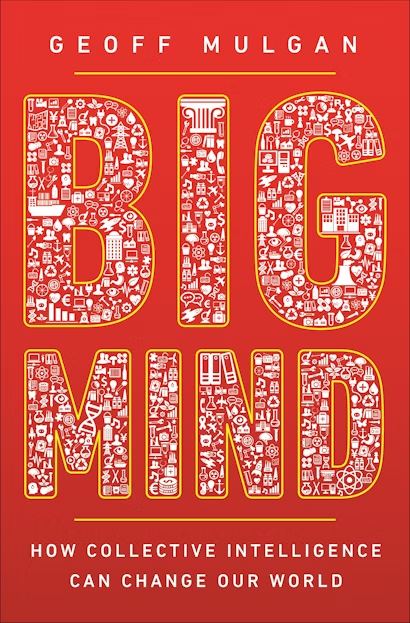
Big Mind: How Collective Intelligence Can Change Our World


It was COVID-19 that brought home to me the true significance of the 'collective' in the synonyms for group, population, polis, citizenry et al.. An integral part of Hodges' model, an individual, a person is clearly not an island.

Speech, gesture, behaviors, drawing, writing and other media all  provide a way of recording and representing information, and knowledge. Digital technologies are the latest tools to extend our memories, and ability to analyse, synthesise and abstract from and to our experiences.

How we see the individual and collective (society) is a subject of much debate across many disciplinary fields, spanning the sciences and humanities; economics, healthcare, sociology, ethics, and philosophy. Mulgan considers as infrastructure, the measures that have emerged to support collective intelligence:


'They have evolved from physical objects (such as steel production) through aggregate concepts (like GDP and GNP) to intangibles (such as innovation indexes or measures of the value of creative industries). They have evolved from single measures of things like population to indexes (like the UN Human Development Index), and from activities to outputs and then outcomes (such as QALYs - quality adjustied life years - and DALYs - disability adjusted life years in relation to health). In all these ways, both states and societies watch themselves and recognize well-calibrated observation as the precondition for thought.' (p.52)
Using Hodges' model the focus is primarily upon individuals and teams application. Mulgan's chapter 12 (pp.145-160) on 'Problem Solving' is subtitled 'How Cities and Governments Think'. An excellent question, that was asked of me in February. How can a national government be informed of Hodges' model and its potential utility? Cities have repeatedly had to solve problems created by changes in transport, work, housing, population density, the movement of people, goods, materials, and links to rural and agricultural centers. The logistics of access to routes, ports, airports, and where to place industries efficiently (and safely)? 'City planning' is a key example of our cities thinking?

Perhaps, we need to think of mobility in a cognitive sense, and not just AI-mediated. So as we walk, run, seek access - we should take care we don't get stuck!

Individual
|
      INTERPERSONAL    :     SCIENCES               
HUMANISTIC  --------------------------------------  MECHANISTIC      
 SOCIOLOGY  :    POLITICAL 
|
Group
subjectivity

models we use can be a trap (p.120)

emotional intelligence
quality
objectivity

SYSTEMS energy, food, transport..

physical media & 'memory'
quantity

'Society Thinking as a System?' Chap. 16.

Group - Collective

collective intelligence

Patient Reported Outcome Measures (PROMs)?

See also: 'literacy' : 'prevention' : 'service' : 'severe' : 'change'

Geoff Mulgan (2017) Big Mind: How Collective Intelligence Can Change Our World, Princeton University Press.

Image: Princeton University Press.

Thursday, August 07, 2025

'Finding the Signal through the Noise' - WHO EARS

It is deprived communities who desperately want to do their best for family, but struggle to have access to and make sense of many sources of information. News and information not just through 'traditional' channels, but social media. Trying to be objective, non-judgemental it can still be surprising how TVs and smartphones are the key personal and furniture items.

Outside of London, Liverpool has a low uptake of immunisation against measles:

Liverpool, now has cases and a child's death from measles:

https://liverpool.gov.uk/council/public-health-liverpool/measles-on-the-increase/

https://www.liverpoolecho.co.uk/news/liverpool-news/alder-heys-plea-after-child-32050189

Located in-between, I often visit Manchester and Liverpool. I wonder now if I should visit Liverpool less. My daughter and her partner expecting their second child have a decision to make next year.

I noticed on X a reference to 'social listening'. This was missed while drafting a paper on COVID, technology, social media and information disorder. More positively, work on 'infodemic' was captured and posted. 

Blowing the dust of another draft, I will reassess this stream of work and seek specific literature, especially contributions to improved outcomes - public (mental) health.


McGowan B. S. (2022). World Health Organization's Early AI-supported Response with Social Listening Platform. Journal of the Medical Library Association : JMLA, 110(2), 273–275. https://doi.org/10.5195/jmla.2022.1398

See also:

Fryer, Jon. “Information Literacies – Learning, to Thrive in a Digital Age” IRMS Bulletin 230 (2022): 16-21.

Jones, P. (1996) Humans, Information, and Science, Journal of Advanced Nursing, 24(3),591-598.

Monday, August 04, 2025

Book: v 'Health and Health Care Inequities'

This final post for HHCI takes in -

Chapter 7: Searching for Socialism
Chapter 8: Mobilizing for Health Equity.

These themes are preceded at the close of chapter 6 with Arnel sharing some personal background, as an immigrant to Canada from a racialized background, who has worked in the health care industry (p.96). COVID also features again, its effects still resonate socio-politically.

It is an unfortunate conjunction - relationship as far as socialism, social justice, the green movement and social cohesion are concerned but Borras provides an invaluable service in linking the Capital-State alliance, which I have capitalised. It seems to be appropriate?

There is 'something' here (I think) in the 'identity' of governments, administrations - I will work through elsewhere.

Having added a note in post iv on expropriation, I see that 'precarity' is also included (p.98).

Chapter 7 gets to grips with 'Welfare Systems in Capitalism'. As before the details are Canadian, but with global reference to other welfare systems - liberal, conservative, and social democratic. If Marxism - Socialism was once feared for its seismic potential, I wondered if chapter 7 points to socialism being in a dormant state? Borras explains welfare state evolution and influences and employs metrics of trade union density, low-wage rates, poverty rates, and infant-mortality rates. On low-wages reference to the US as a capitalist powerhouse that does not provide a favourable environment for most workers, added to my thoughts about nursing globally and the US specifically: despite my parochial vantage point. Five tables aid international comparisons, with inconsistencies in data also highlighted. I couldn't help but feel the need to consider the impact of the wider-determinants of health. Now  undoubtedly, an emerging field. The discussion on infant mortality prompts thoughts of my daughter a mum-to-be amid health news in the UK. Plus, Labour's previous and renewed efforts in Sure Start; and the need stressed through Hodges' model to focus on ALL the literacies, including health.  

It sounds a contradiction but HHCI frequently had me thinking 'BIG picture' and detail. Reading 'US Empire' (p.110) made me wonder what descriptor might have been applied if written in June 2025? Social democracies are called to account. As a community nurse I am ready to support someone in making a change. But they must want and be the agent of that change. I can't support the individual in their drinking to excess - in the case of alcohol misuse/dependency. Social democracies and capitalism can operate as a conspiratorial dyad, limiting social and welfare progression. The lessons here are invaluable (pp.110-113). 

More could be made of the specific political impacts of technology. But clearly that would be another book. For example, no excuse, but BIG-TECH were clearly determined to start[-up] as they intended to go. They had a 'cleanroom' - clean-slate as far as unionisation was concerned. Governments permitted the same - paving the way, enabling and across continents. Ironic, the touchy-feely "We Care" with 'amazing offices', work cafés, dog areas, cycle paths, gardens, breakout spaces, and views. "Now, it is almost a religion: 'Give me a company until it is seven ...'. 

As socialism tries to overcome the past, and its associations; a political movement is needed. Somehow 'new socialism' sounds dated. There a call for openness in new ideas and ways to realise socialism. Over the past two decades work has changed, zero-hour contracts, part-time contracts, the rise of employment agencies and self-employed workers. It appears 'complex adaptive systems' can explain and help solve many problems, extending to human organisation and government. Yes. 'It is crucial to understand people's situations and value their experiences.' But how? And, how to 'encourage open conversations and learn from each other.' (p.114)? Neither 'citizen', or 'assemblies' are in the index, as with gambling and advertising. I may have missed one, or more in the text. You have a sense of a need for international organisation. Especially, with AI - artificial intelligence also in the wings.

The results of Erik Olin Wright's analysis of anti-capitalist movements does not sound convincing to me (pp.114-116), but then I'm a nurse. Perhaps economics itself needs to be looked at (again)? Is it an ongoing project - radical economics - that is? How does a new socio-political order 'account' for the existing distribution wealth? The paths toward health equity 1-6, make more sense. The political realism demonstrated, gives me reason to continue here. 

A brief section on electoral politics, brought me to short-termism. I have reached out to SIMPOL about this book and will share with the author.


[ Update 20/08/25: I've put the author Arnel in touch John Bunzl at SIMPOL. Short-termism remains an acute problems in our politics and policy. I've always worked clinically, so despite union and professional body membership, policy is something that has been done to my colleagues and I. There did seem some coherence with the National Service Frameworks. That may be illusory as they focussed on long-term conditions, but there was more:

Boardman J, Parsonage M. Government policy and the National Service Framework for Mental Health: modelling and costing services in England. Advances in Psychiatric Treatment. 2009;15(3):230-240. doi:10.1192/apt.bp.106.003095

They also had the attention of 'service user / carer specific organisations' -
https://mstrust.org.uk/a-z/national-service-frameworks-nsf

Last week, outside a large bookshop in Hay-on-Wye there were cabinets with books for sale at £1. With £5 worth under my arm, I was ready to go in to pay, and spotted 'Walk Don't Run' an absolute gem which I will post about soon. It links to the first post about Arnel's text and evidence. ].
Chapter 8: Mobilizing for Health Equity. Social justice: It seems the more it is spoken of (shouted even); the further it is to being delivered. We used to talk about minority and disenfranchised groups needing a 'voice'. Now social media amplifies the voice, that gets lost in the cacophony and chaos of information disorder. The 'essence of socialism' needs to quickly get to grips with capitalism as the need for 'labour' changes - is changing. We must listen to literature too: 'Some animals are more equal than others'. Class awareness and the role of unions is discussed. Education is critical. Perhaps we need more Philosophy in Pubs? People learn more effectively when they discover things, and arrive at conclusions for themselves. Use of guided discovery and Socratic dialogue have proved their worth repeatedly. This is why formative education is so important. Young people should be able to reflect and think critically. Within the education system the development of character and values too. That way: 'Workers must become political activists.' (p.126).

As a former health care worker there's a page (+) on engaging nurses in the fight for health equity. It is good to see I am probably right to assume the majority of nurses not 'politically active'. Hopefully, nurses and other formal carers reflect the local community and demographics. Although COVID revealed blatent structural realities. 

Individual
|
      INTERPERSONAL    :     SCIENCES               
HUMANISTIC  --------------------------------------  MECHANISTIC      
 SOCIOLOGY  :    POLITICAL 
|
Group

LIFE CHANCES
MY POTENTIAL
MENTAL HEALTH

PHYSICAL RESOURCES
PHYSICAL HEALTH

SOCIETY
SOCIAL RESOURCES
COMMUNITY

HEALTH ACTIVISM
ADVOCACY
POLICY CHANGE


On page 108 is '2SLGBTQIA+' below is a video that helps:


There are 'minimum demands' - Canada-centric of course. A look beyond policy change limitations and a short review of the need to establish a genuine socialist political party. This begs the question of how 'genuine' would be recognised. There may be a case study emerging in UK politics over the next four years? The bones are here in HHCI- no doubt about that.  More is needed, so it's encouraging there is no 'manifesto' in the index either.

Many thanks to Fernwood Publishing for my pb copy.

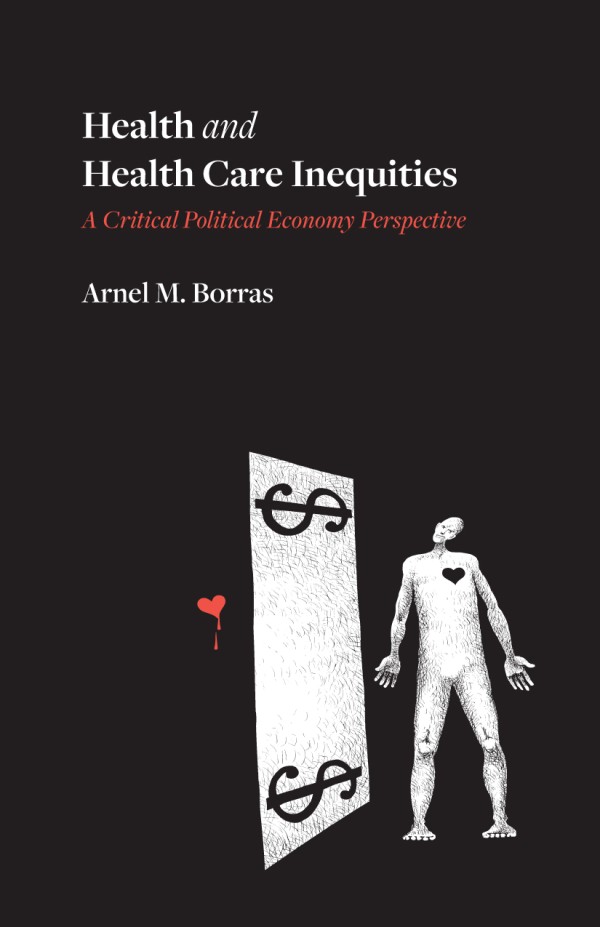
Arnel M. Borras. (2025) Health and Health Care Inequities - A Critical Political Economy Perspective. Fernwood Publishing.

See also - reference to Hodges' model:
Iris Lohja, Yves Demazeau, Christine Verdier. A multi-agent system approach to dynamic ridesharing for older people: State-of-the-art work and preliminary design. 18èmes Rencontres des Jeunes Chercheurs en Intelligence Artificielle, RJCIA’20, Jun 2020, Angers, France. pp.52-59. ⟨hal-02897446⟩

Friday, August 01, 2025

Paper: "A generic model and conceptual framework to prime curiosity across health and social care disciplines to facilitate lifelong learning"

 What seems a long time ago now (a decade!) I started writing a paper on:

  • Threshold concepts
  • Deprivation of Liberty Safeguards (DoLS)
  • and Hodges' model

This ended up as a two part work, which after review ended up as two separate papers:

One appeared in April:

Jones, P. (2025). A Conceptual Mapping Exercise of Deprivation of Liberty Safeguards in Residential & Community Care Using Hodges' Model and Threshold Concepts. Journal of Evaluation in Clinical Practice, 31: e70085. https://doi.org/10.1111/jep.70085

The other should be published soon - same journal. I appreciate the editor's patience and team's support:

"A generic model and conceptual framework to prime curiosity across health and social care disciplines to facilitate lifelong learning"

Unfortunately, I've no funds to pay for open access. I will bear this in mind, as I resurrect another project - with two versions of 13,000 and 6,000 words. This is on (and began during) COVID-19, society, information and technology.

Tuesday, July 29, 2025

Book: iii 'Health and Health Care Inequities'


This book, or similar should be read by 3rd year student nurses and other healthcare learners. I wondered if, for students, a brief glossary might be useful. But key terms are explained and clearly, with typologies numbered and expanded when needed. There seems an aversion in nursing academia to avoid the acutely 'political'. Even though of course in psychiatry, the need for considersation of human rights, consent, capacity, law, personal and public safety, risk is inevitable. Should we only learn of the politics of our role on a post-registration/license course of learning? As mentioned in post i, Borras duly notes the asymmetric impact COVID. The disproportinate deaths of frontline healthcare workers from ethnic minority groups (UK). A sign of the impact, is reflected in COVID recurring through the text.

The device of using axes, e.g. Class-Gender-Health (p.11) rightly draws in commentary on nutrition, pay gaps - heterosexual white men, terms of employment, and design and occupational health for woman. Gender politics is also reflected in the text. The relational dimensions of this discussion also stands out. The Class-Race-Health axis (had me return to the question of parity, but beyond the mental - physical divide. 

These axes employed by Borras seemingly traverse a path and are extensible (across pages). Briefly, in Hodges' model the domains and axes act as stepping stones: 

We can ‘walk’ the model:

Humanistic INTERPERSONAL Individual SCIENCES Mechanistic: adding - Humanistic SOCIOLOGY Group POLITICAL Mechanistic 

A global perspective is matained, even though the focus is Canadian health, government, policy and policy. The press have often highlighted the global nature of the housing crisis. Canada is not immune; as discussed in chapter 2. For what is in many nations a 'housing disaster', Borras covers the history too. Reflecting on: 
'Around the world, neoliberal programs have resulted in over a billion people living in slums (Davis 2017, 23). In wealthier countries, there was rampant privatization of social housing units.' p.25. 
- you feel like a nodding dog toy. Where is the leadership, the strategy and integrity to provide housing for all? Arnel also stresses the link between mental health status and housing. The SDGs place emphasis on security (yes, at the level of what is happening in Ukraine, Gaza, South Sudan...), then housing follows. And with climate refugees to follow ...! I have seen gentrification, and listened to an account in 2007 as Manchester started to experience high-rise growth. I used to try to walk to community visits with students when possible. Observational skills come in many forms, safety still depends upon them. With no place to call home, safety and security is a stark issue for people. A foundation for health, wellbeing and ironically productivity. The rise of foodbanks is also damning. 

Gambling is not indexed, but there appears a denial in the UK government, with other nations 'folding' to the influence of lobbying and corporate influence reducing or removing restrictions in gambling and crucially: advertising. What's the denial you say? Yes, well governments seem to be in denial that there are vulnerable groups in their respective populations. It is laudable that they bestow upon the citizenry the freedom of choice, but that can spell trouble.

If Canada - Ontario has its housing scandal:
'Housing insecurity and homelessness occur because the state and its goencies support real estate and banking corporations that continuously increase housing prices. This setup is a huge problem because these enti- ties focus on generating profit and capital accumulation. The Greenbelt Scandal in Ontario revealed how the government made decisions that served the interests of big companies instead of the public (McGrath 2023; Office of the Auditor General of Ontario 2023). This scandal is an example of neoliberalism and a corrupt style of governance (Moscrop 2023). We need to stop using neoliberal strategies and focus on socialized housing.' p.27.

So does the UK: Grenfell Tower Inquiry No doubt, other nations have their tragic examples. It seems 'international Standards', quality, integrity can never be taken for quality. They too are precarious, vulnerable. Borras's work in chapter 2 on housing security, and differenciation of core housing need is laudable, informative and welcome. Re-reading Arnel's point: 'There is no doubt that housing insecurity affects health'. p.28. His book as a whole makes the point that of course more evidence will always be needed. In healthcare for decades the basics of public health have been identified, studied, established, placed in models and frameworks. Yet we find we are found wanting (UK - Awaab's Law) dragged back to the first steps; and despite the urgent issues we now face.

"Universal health care" is not exactly new:

The Canadian Association of Social Workers. (1961). The Social Worker, Volume 29, Numbers 1 to 2. 29(1to2), 1to78. The Canadian Association of Social Workers. The Social Worker - Le travailleur social. Canadian Association of Social Workers. https://jstor.org/stable/community.39672572.

Borras is correct to write of 'The Continuing Private War against Universal Health Care' (p.36). Looking at NGRAM it appears the private sector has been winning in recent decades. Working previously as a community mental health nurse for older adults, chapter 3 explores Canada's health care systems. Table 3.1 compares the ownership of long-term care homes in figures. The discussion deals with the quality of care and variation. Policy intentions, plans, research and what follows in practice is also debated. Is there any comfort  in learning that Canada is not alone in being skilled at kicking-can-down-the-road. To be fair many developed nations face the same demographic cliff (whichever way you it!), just one of the urgent issues noted above. The contribution of informal carers is also highlighted.

Here in the UK the commissioner - provider split and models of care at the finance level are a maze: amazing in their bureaucracy. Borras does a marvellous job, in providing enough detail without weighing the narrative flow, and losing the reader. The close of chapter 3 offers hope that Hodges' model will continue to be found:
'Therefore, shifting away from neoliberalism toward a new societal system where health care is seen as a fundamental human need and a universal right, not a profit-driven commodity, is crucial. This alternative system requires a new societal framework built on solidarity, fairness, and humanity, prioritizing health over financial and personal gain.' p.50.
See also: Post i : Post ii : Post iv : Post v (to follow)

Arnel M. Borras. (2025) Health and Health Care Inequities - A Critical Political Economy Perspective. Fernwood Publishing.

In addition:

Messing, K., & de Grosbois, S. (2001). Women Workers Confront One-Eyed Science: Building Alliances to Improve Women’s Occupational Health. Women & Health, 33(1–2), 125–141. https://doi.org/10.1300/J013v33n01_08  (Borras - pp.11-12).

https://nhsrho.org/news/tender-maternal-and-neonatal-image-library/

Monday, July 28, 2025

Book: ii 'Health and Health Care Inequities'

In the introduction to Health and Health Care Inequities - A Critical Political Economy Perspective, Borras concludes:

'This book aims to spark thoughutful conversation and collaboration by moving away from capitalism to improve society and health. Health is not just about nursing and medicine; it is integrally connected to economic, political, cultural, and institutional systems. Moreover, it encompasses philosophy and ethics. Capitalism's focus on individualism and competition harms people and the environment,making it all but impossible to achieve health equity. We must work together to envision and create a new world that ensures fairer and better health for all.' p.3.
This sets the tone for a short 163 page book, with a page of acknowledgements, (said) introduction pp.1-3, reference listing pp.136-153; 10 page index, and eight chapters:

Chapter 1: Social Determinants of Health Inequities
Chapter 2: Neoliberalism and Canada’s Housing Policies
Chapter 3: Neoliberalism and Canada’s Health Care System
Chapter 4: Political Power and Policy Advocacy
Chapter 5: The Role of Evidence and Ideas
Chapter 6: A Critical Political Economy Approach
Chapter 7: Searching for Socialism
Chapter 8: Mobilizing for Health Equity
Chapter 1 on 'Social Determinants' provides the first of many political points to underscore the effort with Hodges' model here. If income and poverty come second the preceding paragraphs on wages reveal the socialist stance stand of the author, and the acknowledged networks. Throughout the book the relational nature of determinants, inequality, inequity, protected characteristics, socio-economics and political struggle is raised. In the discussion on wages the importance of education is described in cross-cultural and gender-based terms. The book possibly turns on the sentence:
'To effectively address poverty, we need to unite those who are in poverty with individuals who have more economic stability but are still ulnerable within our capitalist system. These individuals are at risk of falling into poverty if they lose their jobs due to workplace closures or privatization. It is essential to acknowledge that certain groups experience higher poverty rates, but we should see them not as victims but as protagonists and capable workers facing unique but connected challenges.' p.7.
For the people who follow the news, the majority of 'us' are (even if only roughly) aware of the distribution of wealth across national and the global population: the injustice. The erosion and lack of union representation within many workforces, especially 'Big-tech'. The way utility enterprises have provided dividends for shareholders at the expense of ongoing investment in infrastructure, the quality of service provided to the public and even public safety. COVID (p.7), crystalised 'difference' for us all. I came to now substitute collective for 'group' in Hodges' model. Suddenly all those individuals, many working in health, were collectively vulnerable:

Individual
|
      INTERPERSONAL    :     SCIENCES               
HUMANISTIC  --------------------------------------  MECHANISTIC      
 SOCIOLOGY  :    POLITICAL 
|
Group
PSYCHOLOGICALLY
EXISTENTIALLY
BELIEFS
SCIENCE
PHYSICALLY
data, information, knowledge
SOCIALLY
CULTURALLY
SOCIAL MEDIA
wisdom, leadership, truth
LAW - POLICY
FREEDOM - CHOICE

Throughout the text, I like the concise coherence Borras demonstrates in the steps from wages, income and poverty to investigate the state of health inequities. Once again (from i) the context is Canada, but the lessons are for all - as globalisation should/must demand?  There is public health history too. As expected Canada's First Nation, Indigenous, and Nunavut populations are frequently referenced regards exclusion and disparity in health services access and provision. Under health inequities, after infant mortality and life expectancy there is a convention(?) adopted of several axes being identified. The first (p.9) is the class-health axis, then class-gender-health and others. No surprise I found the relational and organisational aspects of these 'constructs' very helpful. As I try to think of Hodges' model as a mathematical object I realise (through oft impromtu conversations^) that we don't have two 'axes' in Hodges' model. Still musing on this; and more to follow ...

Arnel M. Borras. (2025) Health and Health Care Inequities - A Critical Political Economy Perspective. Fernwood Publishing.

^A pure maths lecturer, Gower St Waterstones, London.

See also: Post i : Post iii : Post iv : Post v (to follow)

Wednesday, July 23, 2025

Book: 'Health and Health Care Inequities' i

I didn't attend online the book launch for Health and Health Care Inequities. It appeared to be in the early hours for the UK. Making good progress on a week's break last month, upon return, a presentation and some writing proved a distraction. I've picked it up again, a task that was smooth and straightforward such is the style and writing. H&HCI is - as expected - academic. The statistics, politics and government publications come thick and fast. But they literally do count here.

Borras and the Fernwood are based in Canada. The focus of Borras's thesis is then Canadian politics, economics, society, social and cultural challenges, poverty, exclusion, global standing, statistics and reporting (and more) are all relevant globally. Especially as COVID, climate change, and the current state (or stasis?) of global health provision attests. The book is unashamably Marxist, but not heavy with it. If that makes sense. I was drawn to the publisher too. Well: critical books for critical thinkers; how could I resist!
The influence of Marx and Marxism on the 20th century is profound and full of contradictions. There's the history, and its lessons of Marxism as a political ideology and the geopolitical exemplars that have given Marxism a 'bad' name. To the extent that 'socialism' is also tainted. What other term can be applied that captures 'Marxism', Marxist thought and its relevance today? And that is, relevance in terms of health, health care and social care inequities? 'Struggle' seems utterly inadequate amid current news?

Amidst the history of various revolutions, some arguably on-going, fizzled out, on life support ...? it is, it seems, capitalism that goes marching on. To keep time, the metronome is the tick of central processing unit, and now the graphics 'pu' and tensor; for we live in the 'information age'. I've been keeping notes, but will begin with some reading today, which is an excellent point to 'healthcare professionals', obsessed as we are, with evidence.
'I often go back to Carol Weiss. Years ago, she said three things that go into the decision making ... information, ideology, and interest. And then she went on to say, don't for one moment think that information can trump either ideology or interest. So if you look at the whole climate debate right now, it's actually an ideological debate, The right-wing, the Republicans, some Conservatives here, their rejection of the evidence has nothing to do with the evidence. It's really an ideology ... our group thinks this way, and we are aligned with the fossil fuel industry because they're rich and powerful. Our whole system is based on cheap energy. And so we have to keep going kind of thing. And bugger the evidence.

And that second one, which is actually very closely related to that, is interest. By interest, she meant power and wealth and stakeholders. So, who gets the policy they want? The people who have the money and power to influence it. So, the fossil fuel industry is very powerful ... And so, no matter what the evidence is, they have a financial interest in not having any controls upon them having the minimum of controls. And so, that will triumph usually. So, you put together ideology and interest, and it will almost always overcome evidence or information.' p.78.
More to follow and a return here is essential.

Weiss, C.H. (1983). Ideology, Interests, and Information. In: Callahan, D., Jennings, B. (eds) Ethics, The Social Sciences, and Policy Analysis. The Hastings Center Series in Ethics. Springer, Boston, MA. https://doi.org/10.1007/978-1-4684-7015-4_9

Arnel M. Borras. (2025) Health and Health Care Inequities - A Critical Political Economy Perspective. Fernwood Publishing.

See also: Post ii : Post iii : Post iv : Post v (to follow)

Friday, July 18, 2025

Narketpally syndrome: A different approach to medical education and research

From: Marc Jamoulle
MD (UCL 1974), PhD (ULg 2017)
Family physician, Belgium (INAMI 15324119004)
marc.jamoulle AT uliege.be
Associate researcher at HEC-Liège, BAS-SCM, University of Liège, University of Rouen, D2IM & CAMG-UCL, Brussels


hi friends,

in an unknown syndrome, another way to deal with the patient, to learn from the patient, to develop a partnership with the patient, caring while waiting for the cure,

Jamoulle, M., & Soylu, S. (2025). Phenotyping Long COVID in Children in Primary Care: A Case-Based Study Using the Human Phenotype Ontology. ORBi-University of Liège. https://orbi.uliege.be/handle/2268/334447

From: Rakesh Biswas
rakesh7biswas AT gmail.com


This paper illustrates a global patient-centered learning ecosystem, anchored in Narketpally, that adopts a syndromic approach to medical education and research. Rooted in the etymological origins of 'syndrome' ("together we flow"), this approach reframes medical research as a collective, contextual response to individual patient needs.

https://pubmed.ncbi.nlm.nih.gov/40674544/

Methods: The structure of the paper is intentionally modeled as a team-based learning exercise, grounded in our prior Web 2.0-based cognitive tools: CBBLE (Case-Based Blended Learning Ecosystem) https://pmc.ncbi.nlm.nih.gov/articles/PMC6163835/ and PaJR (Patient Journey Record) https://pajr.in/. These are framed against the conceptual scaffolding provided by three key publications: a framework by Sturmberg et al. and two contrasting commentaries by Greenhalgh and Ioannidis.

Results: Through our ongoing CBBLE-PaJR workflow, thematic learning outcomes emerged in response to these frameworks. Sturmberg's stratified realism helped us recognize how individual patient connections, recorded in our daily practice and online learning portfolios, can drive both contextual learning and meaningful changes in patient outcomes. Greenhalgh's commentary inspired our conceptualization of a 'wildebeest river crossing value model,' contrasting population-based efficiency with individual-centered compassion. Ioannidis's critique of methodological rigor highlighted the potential for expanding low-resource, high-impact research through patient-centered designs, particularly in phases 1 and 4 of the clinical trial hierarchy.


Podder, V., Kulkarni, R., Samitinjay, A., Salam, A., Gade, S., Agrawal, M., Surendran, A. K., & Biswas, R. (2025). Narketpally Syndrome and the Embedding of Contextual Values in Real-Life Patient Pathways. Journal of evaluation in clinical practice, 31(5), e70186. https://doi.org/10.1111/jep.70186
[Citation added PJ].
--

My source:
You received this message because you are subscribed to the Google Groups "Unnecessary Services in Clinical Medicine & Public Health" group.

Thursday, July 10, 2025

ii 'Thinking outside the box ...' by Amber Javis

Second reply to a blog post by Amber Jarvis on The Mental Elf:

Thinking outside the box: alternatives to standard inpatient mental health care

Amber's post considers a study by:

Griffiths, J. L., Baldwin, H., Vasikaran, J., Jarvis, R., Pillutla, R., Saunders, K. R., … & Johnson, S. (2025). Alternative approaches to standard inpatient mental health care: development of a typology of service models. International Journal of Mental Health Systems, 19(1), 1-13: https://pubmed.ncbi.nlm.nih.gov/40247283/

Jarvis highlights concern within inpatient services of:
'use of coercive practices ... (Nyttingnes et al., 2018; Belayneh et al., 2024). These include physical restraint (physically holding a person), seclusion (holding a person in a locked room) and chemical restraint (the use of sedating medication to manage distress or behaviour, sometimes administered “as needed” rather than as part of any planned treatment). Poor relationships between staff and service users have also been noted, ...'
Reflecting since the previous post, I realise that I encountered efforts to prevent admission and treat in the community prior to going part-time. A short stay unit at a general hospital. Being a member of Intermediate Support for older adults; shifts ran 0800-2000 - early or late. Then working part-time, there were short-stay placements in the community that the recovery team would visit providing support.

Mental distress is distressing (a truism of course), both as lived experience (with or without self-awareness in-situ/crisis) and for others in the vicinity. Family, friends - who see a person they thought they knew, perhaps even thought they were a friend, a person who loved them; but now!? They present as distant, aggressive, subdued, agitated, unpredictable, inconsolable and possibly expressing thoughts of self-harm, threats to harm others, or totally bizarre, 'psychotic' ideas. This is not the person they thought they knew. For the person affected, familiars are strangers. A relational breakdown. We forget the severely mentally ill at our peril. A pervasive sense of helplessness is readily transferred: the reflex conclusion that help is needed - and fast.

To say we are creatures of habit, is to also acknowledge that change our environment results in a change in our behaviour. When relatives did arrive on the psychogeriatric ward I mentioned previously, they cried. Apologising for the environment, yes; efforts to reassure ensued and eventually family, friends were won over. They shouldn't have been. Unless we're in a game, play, or movie, who wants to find themselves in a Victorian era institution?

I've posted previously (or is it in draft?) on the importance of design in the design of care environments. It was a relative's visit to a care home, that resulted in a nursing home design business (Sunday Times). 
A person who is severely mentally ill needs service-centred care, not purely person-centred care. Person-centredness is key, but safety of self, and the public soon makes itself known. We also forget this at our peril. The problem is that control, and law literally take over. Plus, it's our place not yours. Loss of power the person struggling, ill, in crisis then follows. Amber continues:
'The concerns described above chime uncomfortably with modern mental health agendas of prioritising autonomy, compassion, trauma-informed and person-centred care. In light of these tensions, and the growing number of crisis alternatives – ranging from crisis cafes to intensive home treatment services – researchers  at the NIHR Policy Research Unit in Mental Health set out to map current alternatives to traditional inpatient care, both nationally and internationally. Griffiths and Baldwin’s findings raise important questions about how mental health services could evolve to better suit people’s needs, providing a valuable starting point for service planners considering developments in care.'
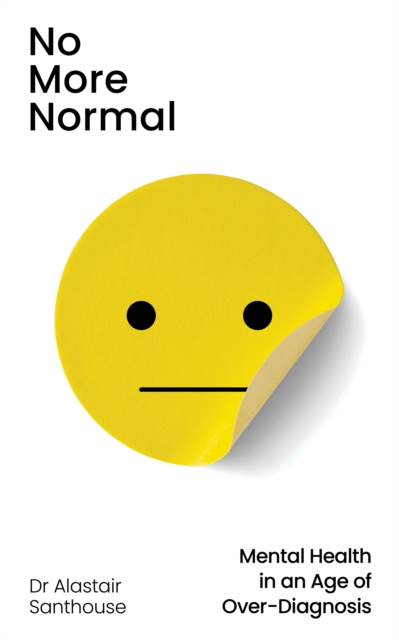
Hodges' model is ideal to help reflect and critique the relation-ship between 'a person' and 'the service'. I passed two gentlemen in London over the weekend. Clearly unkempt, standing but gesticulating, freely verbalising, incoherent on passing. Neither appeared intoxicated ( but I wasn't that close) or 'stoned'. That's the other question; passing-by what was I going to do? Does the 'community' care? On 'X' you encounter the extremes of debate. Anti-psychiatry, resort to and risks of dependence on medication - anti-depressants, anxiolytics; the damage from anti-psychotic drugs and atypical antipsychotics. The continuous debate about ECT. A dizzying stream of texts about mental health, over-diagnosis and wellbeing:


Medical prescribing has a partner. Social prescribing is well established, with organisations, events, publications and research emerging. People, have scoffed at the suggestion that gardening can help; or going for a run. Especially when you can't get out of bed. Chronic fatigue syndrome, long-COVID are seemingly monolithic in their resistance to change. A real challenge and so counter to the person's 'pre-morbid' personality and lifestyle.

For several years the state of mental health nursing as a specialty has been questioned. Is the mental health nursing curriculum being genericised? Enrollment of students nurses in learning disability has also dropped.

Medical prescribing has a partner. Social prescribing is well established, with organisations, events, publications and research emerging. People, have scoffed at the suggestion that gardening can help; or going for a run. Especially when they can't get out of bed. Chronic fatigue syndrome, long-COVID are seemingly monolithic in their resistance to change. A real challenge and so counter to the person's 'pre-morbid' personality and lifestyle. As a conceptual framework Hodges' model is ideal as a semantic net, to reflect and critique concepts that stretch and so disrupt (for a time) out norms. Concepts with a dual character. If social prescribing is one example, take crisis cafe mentioned by Jarvis above. If you think in physical - environmental terms where do you envisage a crisis occuring or playing out? What about a cafe? What is the ambience of these places?

I noticed a little visual game, an animation of characters running, jumping, climbing over an obstacle course. You focus on one figure and follow them for a time. This makes a difference, called distraction. In psychosocial intervention and managment of psychosis and anxiety audio - music, poetry, repetition has also bee used. The essence here must be when the intervention begins. Recognising relapse triggers, requires preparatory work. The Griffith reference is provided, but Jarvis begins to describe the results:
'Researchers identified 65 alternative service models to standard inpatient care. These were organised broadly organised according to the setting (e.g., community-based, hospital-based, or cross-setting) and the target population (e.g., adults versus children). Across these categories, ‘community-based alternatives’ were the most common category of alternative service models, followed by hospital-based and cross-setting approaches. We’ll explore each of these in more detail below.'
In post (i) and here I suppose I am advocating for mental health nursing as a distinct programme of study, practice and proven competence. For several years the state of mental health nursing as a specialty has been questioned. Is the mental health nursing curriculum being genericised? Enrollment of students nurses in learning disability has also dropped. 


There is a saying: 'You get what you pay for'. There is a sense that there are people who would like to ignore, deny, erase 'mental health'. After all, the truth really is that you can 'see' a broken leg. This isn't an issue if you can afford a private psychotherapist, or a psychoanalyst.

The elephant here (well, there always is one) is education and the literacies. For prevention: the ultimate change - this is where we must focus. But of course for the problem at hand - and mind it is too late.

(Post iii likely to follow.)

Individual
|
      INTERPERSONAL    :     SCIENCES               
HUMANISTIC  --------------------------------------  MECHANISTIC      
 SOCIOLOGY  :    POLITICAL 
|
Group
subjectivity         
mental state - crisis - mind
quality
objectivity
hand - physical state - crisis
quantity
Social prescribing
Cafe

Housing - crisis
Cost of living - crisis

See also: 'literacy' : 'prevention' : 'service' : 'severe' : 'change'