Hodges' Model: Welcome to the QUAD: November 2025

Hodges' model is a conceptual framework to support reflection and critical thinking. Situated, the model can help integrate all disciplines (academic and professional). Amid news items, are posts that illustrate the scope and application of the model. A bibliography and A4 template are provided in the sidebar. Welcome to the QUAD ...

Sunday, November 30, 2025

Invitation to EPI-WIN webinar: 1 Dec, on UNiTE to end digital violence ...

... why digital safety is a gender and public health imperative in emergencies

UNiTE to end digital violence:
why digital safety is a gender and public
health imperative in emergencies

We are delighted to invite you to join our webinar on #UNiTE to end digital violenceon 1 December 2025, 13.00 CET (geneva time), with Ms Reem Alsalem, UN Special Rapporteur for violence against women, its causes and consequences, Dr Stella Chungong, Director and Chair of the WHO Health Emergencies Gender Working Group, and voices of community experiences.  

Please do join the discussion and share widely.


Title: UNiTE to end digital violence: why digital safety is a gender and public health imperative in emergencies

Time and Date: 13:00 – 14:30 CET (Geneva)Monday, 1 December 2025

Registration: https://bit.ly/4prKGeu

WebpageWHO EPI-WIN webinar: UNiTE to end digital violence: why digital safety is a gender and public health imperative in emergencies

Digital violence, such as doxxing, deepfakes, and online harassment, poses significant public health risks. Millions of women, girls, and adolescents face harassment, stalking, and threats in digital spaces meant for connection.

In crisis settings, these digital threats create multiple challenges. Understand what they are and why it is important to integrate digital safety into humanitarian health responses.

Tentative Agenda and Speakers

Welcome/Opening remarks: Digital safety as a public health imperative in crises:  Dr Stella Chungong, Director, Department of Health Emergency Preparedness & Chair, WHE Gender Working Group

Preparedness begins with protection: why digital violence must be addressed in humanitarian health work: Dr Stella Chungong, Director, Department of Health Emergency Preparedness & Chair, WHE Gender Working Group

UNFPA perspective from Executive Director, UNFPA: delivered by Dr Eugene Kongyuy, Deputy Director of Humanitarian Response Division to represent the United Nations Population Fund (UNFPA).

Keynote address: Ms Reem Alsalem, UN Special Rapporteur for Violence Against Women, its causes and consequences

Risk communication, community engagement and infodemic management: digital violence as a driver of misinformation: Dr Kai Von Harbou, Unit Head, Community Protection & Resilience, WHO 

Surviving Digital Violence: DR Millie Phiri, journalist, researcher and author on digital violence

Community Voice:  Ms Sohaila Shamseldeen, Youth and Development Coordinator, Etijah

Interesting ... 'Incidence structure(s)'

Unsurprising, in studying 'Hodges' model, I've been aware of Wilfrid Hodges and model theory for many years.


Now, trying to look at (Brian) Hodges' model using maths, I've wondered about possible connections with Wilfred Hodges' work.

Dr W. Hodges was listed in searches on lines, axes, and structure:
'Algebraists and geometers like to classify structures by the laws which they obey. A typical law for incidence structures reads:

"For any two different lines L and M, there is exactly one point which lies on both L and M."'
My imagination may be getting the better of me, but there seems something profound in the intersection of the model's two axes and the care - knowledge domains that are created (proposed - adopted..)?

So, is Hodges' model a form of 'incidence structure', or does it contain several incidence structures? 

Hodges, W. (1985). Truth in a Structure. Proceedings of the Aristotelian Society, 86, 135–151. http://www.jstor.org/stable/4545041

Saturday, November 29, 2025

If "mechanism-based approach to theorizing offers an encompassing way ...

... to think about social and ecological phenomena":

What if there was a model that could encompass 
mechanism-based and humanistic-based theorising?

'A core challenge of studying ecosystems and societies as one system is integrating social and ecological theorizing. Although the social and the ecological intertwine in multiple ways, much traditional theory focuses on one or the other (Schlüter et al. 2022). Despite good intentions, attempts for integration are often only partially successful. One reason for this is the apparent incommensurability of methodological and theoretical approaches. However, the mechanism-based approach to theorizing offers an encompassing way to think about social and ecological phenomena by framing them in terms of entities and their interactions. Mechanism-based theorizing has been gaining popularity in science philosophy (Machamer et al. 2000, Craver 2007, Glennan and Illari 2017), including social sciences philosophy (Elster 1989, Hedström and Swedberg 1998, Hedström and Ylikoski 2010) and philosophy of ecology (Pâslaru 2017, González del Solar et al. 2019). It has helped to resolve many traditional problems related to scientific explanation and it is consistent with the way in which social and natural scientists talk about theorizing, causation, and explanation.'


Fig. 1. The social-ecological expansion of Coleman’s diagram.


Martínez-Peña, R., & Ylikoski, P. (2024). Coupling social and ecological mechanisms with the Coleman boat. Ecology and Society, 29(4). https://doi.org/10.5751/ES-15209-290406

See also: 'micro' : 'macro' : 'Bunge'

Friday, November 28, 2025

The Silent Pandemic? The Global Rise of Early-Onset Colorectal Cancer - via HIFA

Last year, a team at The Christie NHS Foundation Trust in Manchester, UK published a real-world analysis of 203 patients with early-onset colorectal cancer (eoCRC). The study showed a dramatic surge in cases over a short period, with over half of patients presenting with metastatic disease, predominantly left-sided tumours, and a median symptom duration of just 3 months before diagnosis. The authors warned that eoCRC could represent an "evolving pandemic." 


See - http://doi.org/10.1093/oncolo/oyae239

Since then, incidence continues to rise across all continents, with similar patterns emerging in multiple national and international datasets.

Why This Matters for the HIFA community
  • eoCRC is rising rapidly among people in their 20s, 30s, and early 40s.
  • Most cases are sporadic, suggesting major gaps in understanding modifiable and early-life risk factors.
  • Awareness among young adults and clinicians remains limited, contributing to delayed presentation.
  • Meanwhile, short-form social media (e.g. TikTok reels) and AI-driven content are now the dominant information sources for young people - creating both opportunities and risks for public health.
Introducing Our Upcoming Initiative

We, the Special Interest Group in Digital Health & AI at WHO/Europe Youth4Health network, are launching a global project to develop evidence-based communication guidance for raising eoCRC prevention and awareness among young adults. The project will:
  • Convene clinical specialists, youth advocates, communication scientists, social-media creators, and digital-health experts.
  • Identify which prevention and awareness messages should be prioritised for youth.
  • Define how these messages can be adapted effectively for short-form platforms such as TikTok and Instagram Reels.
  • Examine how generative AI can support safe, accurate, and engaging content creation.
  • Co-design prototype posts to illustrate how the consensus messages can be translated into youth-appropriate communication
  • Our aim is to bridge the gap between emerging science, behavioural insights, and contemporary digital communication channels.
Why We're Sharing This Here

As we shape this work, we're keen to learn from the HIFA community:
  • What approaches have you seen succeed in raising awareness of cancer symptoms among younger populations?
  • Are there youth-driven or co-designed campaigns that we should look to as models?
  • What are the risks you foresee when using short-form social media or AI tools for public-health communication?
  • What considerations are especially important in LMIC contexts?
  • How can we strike the right balance between urgency and fear-avoidance when communicating about cancer to young adults?
eoCRC incidence is increasing rapidly and globally. Communication strategies - particularly those targeting young people - have not kept pace with this trend. We would greatly value your insight and experience as we develop this work.

HIFA profile: Kathleen Guan is a multidisciplinary researcher passionate about all things digital behavioral health and (global) community engagement. Her PhD research focuses on involving young people in the co-design of personalized AI and emerging technologies, including adaptive mobile apps, LLMs, neurotechnology, and social media reels. By developing novel participatory approaches with a focus on preventative and precision health, Kathleen aims to inform how digital tools can meaningfully enhance everyday life and help reduce mental health challenges alongside chronic disease risks. To achieve this, she prioritizes community-based implementation by working closely with stakeholders across healthcare, engineering, policy, industry, education, and the arts.

Kathleen previously studied human rights and developmental neuroscience (BSFS, Georgetown; MRes, UCL) and has experience in public health and digital innovation (with WHO, Johns Hopkins, Yale, Qatar Computing Research Institute, various early-stage digital health start-ups) as a research collaborator and advisor. She chairs the Special Interest Group in Digital Health & AI within WHO Europe's Youth4Health Network. Kathleen has resided in 7 countries and worked in diverse settings across Asia, North America, and Europe, fostering her deep commitment to global health equity. She is always open to collaboration for social impact and can be found at https://www.linkedin.com/in/kathleenwguan/.

Wednesday, November 26, 2025

NW England: NIHR Health & Care Professional (HCP) Internship Programme 2026


Dear CHAIN member,

We would like to draw your attention to the following opportunity. Please pass on as appropriate. Thank you.

NIHR Health & Care Professional (HCP) Internship Programme 2026

Are you a Nurse, Midwife, Allied Health Professional, Pharmacist, Healthcare Scientist or working in Social Care, Social Work, looking to embark on a practitioner research career and make a difference through undertaking high quality research?


Do you have the drive and ambition to be a future research leader?

NHS R&D North West is pleased to announce that alongside its regional partners from NHS Trusts, Professional Networks and HEIs it will be delivering the NIHR Health and Care Professional Internship Programme across the North West Region of England in 2026.

There are 23 places available on this highly prestigious 12-month programme providing predoctoral tailored and bespoke learning and development to the full range of health and care professions (not including doctors and dentists) across the full range of research related career aspirations i.e. from a desire to increase research awareness within clinical practice up to and including providing individuals with a strong foundation on which to build a research related career.

The internship provides a funded opportunity for early career health and care researchers with dedicated time away from their substantive role to engage in research-based activities.

Closing date for online applications, 5pm 19th December 2025.

For more details please see:
https://research.northwest.nhs.uk/our-work/nihr-health-care-professional-hcp-internship-programme/

Regards,

Irina Johnston

CHAIN Administrative Assistant

If you wish to publicise information on the CHAIN Network please email your request to: 
enquiries AT chain-network.org.uk

CHAIN - Contact, Help, Advice and Information Network – is an online international network for people working in health and social care. For more information on CHAIN and joining the network please visit website: www.chain-network.org.uk

Follow CHAIN on X: @CHAIN_Network ; Connect with CHAIN on LinkedIn

Monday, November 24, 2025

Working title: 'Can Hodges’ model provide a foundation for a mathematically informed ...

... epistemology and relational ontology? Part 1'

Abstract

Aims: To begin a process of examining a ‘model of care’ and conceptual framework known as Hodges’ model as a mathematical object. This paper examines the structural elements of this model, its axes and domains through a formal, logical and mathematical lens. To establish the extent to which a combined relational understanding and mathematical approaches can provide avenues for further research.

Design: This study adopts the design of a two-part exploratory and descriptive paper, using an inquiry-based approach throughout.

Methods: The method is interdisciplinary, descriptive, and involves conceptual analysis. Rather than Hodges’ Model acting as a model of, and for care, here the model is used to investigate how health and social care can be better conceptualised. The question is: What is the result when Hodges’ Model is treated as a mathematical object? Here, Hodges’ model is used as an inquiry-based model with reflection and critique.

Results: Readers will see the development of ideas, driven by the structure of a model of care, existing taxonomy defined by nursing theory, associated with foundational mathematical concepts.

Conclusion: The questions introduced and deliberated here will identify avenues for further study. And highlight Hodges’ model to other researchers; less familiar with Hodges’ model, and yet more skilled – adept mathematically.

What does this paper contribute to the wider global clinical community?

Re-assert the importance of theory development in nursing and health disciplines.

Draw attention to the relational (and reflexive) potential of Hodges’ model and in healthcare to abstract the collective dimensions of healthcare, especially those that are political.

Given the problems faced in the century to follow, e
ncourage researchers within and without healthcare to further develop these ideas.

Impact:

Extend the relevance and scope of mathematical abstraction, in healthcare disciplines and the humanities, beyond statistical analysis.

This paper confirms: the conceptual utility of Hodges’ model; the challenge of requisite mathematical skills; the need for interdisciplinary cooperation.

Theorists in health and social care, policy makers and researchers seeking to apply mathematical techniques, especially category theory in the social science may find this work helpful and encouraging.

Reporting Method: N/A

Patient or Public Involvement: This study did not include patient or public involvement in its design, conduct, or reporting.

Keywords: nursing, theory, relational ontology, health, Hodges’ model, 
mathematics

Friday, November 21, 2025

Hodges' model - Locus of Care & Control?

Draft notes:

There are obvious geometric features (Stewart, 1981) in Hodges’ model. Application of the model is a holistic affair. The centre of the model is its centre (as a template), but in application it is not fixed. There are several degrees of freedom, determined by the context of application. Consider figures 4a, 4b and 4c. Perhaps it can be argued there is what amounts to a care locus? As Persons (2025) notes:
‘Primary care is considered the first line of defense in health care, and it is the locus of the maintenance of both individual and population health.‘ p. 15.

 Emphasis can be placed on selected domains, as the situation dictates:


Stewart, I. (1981) Concepts of Modern Mathematics, Harmondsworth: Penguin Books.

Persons, G. A. (2025). Health Care Safety Nets: Vital Participant Roles and Varying Policy Contexts. Phylon (1960-), 62(1), 5–30. https://www.jstor.org/stable/27396595

Thursday, November 20, 2025

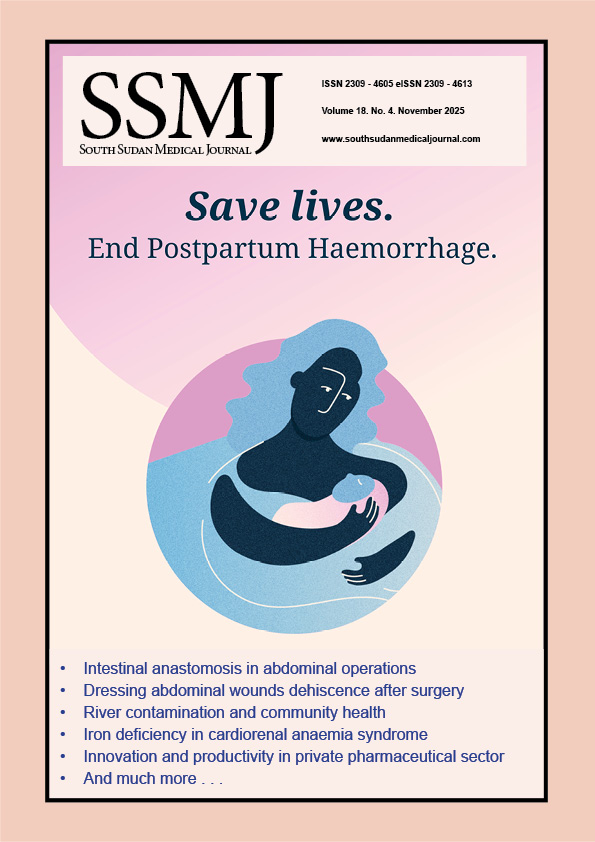
South Sudan Medical Journal - November 2025

SSMJ Vol 18 No 4 November 2025

 Dear reader,

The full issue of our November 2025 issue is now online; this is a bumper issue featuring 14 full articles and other news items, listed below. We thank the copyeditors and reviewers who helped prepare these papers. Let us know if you would like to join the Editorial team. We need you if you have time and editing skills.
 
Editorial

Research Articles

  • Comparative study between classical two-layer and one-layer extra-mucosal intestinal anastomosis in elective and emergency abdominal operations. John Chol Ajack, Galal Abouelnagah, Haytham Fayed
  • Comparison of improvised negative pressure wound therapy and conventional wound dressing in abdominal wounds dehiscence after surgery. Nasra Lichika, Edward Ketson Msokwa, Alphonce Chandika
  • River contamination and community health: mining impacts in rural central Kalimantan, Indonesia. Nawan, Septi Handayani, Agnes I. Toemon, Hepryandi L. D. Usup, Seth Miko, Joni Rusmanto
  • Iron deficiency in cardiorenal anaemia syndrome in Dodoma, Tanzania Gidion Edwin
  • Guerrilla investors: Firm-level innovation and productivity in South Sudan’s private pharmaceutical sector Garang M. Dut
  • Paediatric deaths at Al-Sabbah Children’s Hospital, Juba, South Sudan – an audit Zechariah J. Malel, Garang Dakjur Lueth, Mary Poni Jackson, Nicolas Kazimiro Sasa
  • Prevalence of anaemia among pregnant women attending the antenatal clinic at Bor State Referral Hospital. Mark Kuoi Jongkuch Kuoi and Shalini Ninan Cherian
  • The impact of dietary compliance on diabetic foot ulcer healing: A cross-sectional study. Dadi Santoso, Rajesh Kumar Muniandy, Putra Agina Widyaswara Suwaryo

Review Articles

  • Personal determinants of gender-based violence: a review of intimate partner violence in South Sudan. Nyinypiu Adong
  • Misdiagnosing Muslims: The hidden risk of using the CAGE questionnaire in some Islamic contexts. Anas Ibn Auf and Sayed Halaly
  • Impact of healthcare worker training on paediatric tuberculosis detection and reporting: A systematic review. Suryanti Chan, Hamzah Hamzah, Miftahul Falah

Case Reports

  • Lupus nephritis overlap syndrome in a male with albinism: A case report. Adam Gidion Edwin, Baraka Alphonce, Sabina Mmbali, Alfred Meremo
  • Rare isolation of Pseudomonas mendocina from a postoperative wound in a diabetic patient: A case report. Vimal Kumar Karnaker, Asem Ali Ashraf, Bhadra Jyothikumar

Short Communications

  • News: Physicians Association of South Sudan and Association of Gynecologists and Obstetricians of South Sudan. Sudan

Back Page: Supporting Wet Nursing During Emergencies
 
Articles in SSMJ are indexed by Scopus, African Journals Online (AJOL), and the Directory of Open Access Journals (DOAJ), and as well as being on our website. SSMJ is included in the EBSCO scientific research collection.
 
Thanks to everyone who supports SSMJ. Tell your colleagues they can join our mailing list here.
 
The SSMJ team
Email: southsudanmedicaljournal AT gmail.com
Website: http://www.southsudanmedicaljournal.com

Wednesday, November 19, 2025

Diagnostic Overshadowing

Diagnostic overshadowing

People with mental health problems experience diagnostic overshadowing. This is reports of physical ill health being viewed as part of the mental health problem or learning disability and therefore not investigated or treated.  Undertaking a full physical health check for patients with SMI helps identify opportunities for evidence-based interventions which can reduce people’s risk of death, avoidable ill health and reduce health inequalities.

Source: https://primarycare.lancashireandsouthcumbria.nhs.uk/wp-content/uploads/2025/05/20250527-A-practical-guide-to-delivering-physical-health-checks-for-people-with-SMI.pdf?x23654

individual
|
INTERPERSONAL : SCIENCES
humanistic -------------------------------------------  mechanistic
SOCIOLOGY : POLITICAL
|
group-population

MIND
Surely, it's the mind -
 

not the body?


Tuesday, November 18, 2025

'Nurses and Nursing's Issues' ...

1975 .. plus ça change, plus c'est la même chose .. 2025
"The question I ask myself all the time is not can we close the gaps in practice and administration, but, more importantly, can we develop a nursing system, not the profession of nursing, but a nursing system which will weave together all practitioners with what-ever skills they bring to the system" Jessie Scott, p.1854. 

 
Nurses and Nursing's Issues. The American Journal of Nursing, Vol. 75, No. 10, 75th Anniversary Issue (Oct.,1975), pp. 1848-1859. Stable URL: https://www.jstor.org/stable/3423579

Now, in 2025 we can make an impression - not just on the nursing profession, but in how all the health professions work, learn and relate to each other and social care colleagues too.

https://en.wikipedia.org/wiki/Jessie_M._Scott

https://en.wiktionary.org/wiki/plus_%C3%A7a_change,_plus_c%27est_la_m%C3%AAme_chose

Monday, November 17, 2025

Leurs (2023) Data as Boundary Objects, Datafication as Boundary Work

individual
|
INTERPERSONAL : SCIENCES
humanistic -------------------------------------------  mechanistic
SOCIOLOGY : POLITICAL
|
group-population

PERSON
SUBJECT

person
[DATA] OBJECT

'Situating data'
inequality

'Conceptual Stepping Stones' -
Social (and Political) 
choreography?


SLAVERY
REGISTERS - PASSPORTS
RACISM
COLONIALISM
FEMINISM

Star .. feminist slogan
“the personal is political.”


Leurs, K. (2023). Data as Boundary Objects, Datafication as Boundary Work. In K. van Es & N. Verhoeff (Eds.), Situating Data: Inquiries in Algorithmic Culture (pp. 123–140). Amsterdam University Press.

https://www.researchgate.net/publication/376113967_6_Data_as_Boundary_Objects_Datafication_as_Boundary_Work

See also: https://en.wikipedia.org/wiki/The_personal_is_political

Situated: Does the 'work' that can be done by a concept vary by definition, according to the (care / knowledge) domain it is found / placed in? Does this is turn influence the 'objects' that are found in the act of crossing(s)?

Sunday, November 16, 2025

'Realization' in Training and Simulation

'Some time in the late 1800s, the body of a young woman was pulled from the River Seine. Lacking any signs of struggle or foul play, her death was ruled a suicide. She was displayed on a slab of marble in the window of the Paris morgue - standard procedure for corpses awaiting identification. At the time, the morgue was a popular, albeit gruesome, attraction which drew more daily visitors than the Louvre. ... Apparently, the forensic scientist assigned to the drowned girl's cadaver became so captivated by her that he paid a moulder to make a plaster cast of her face.' p.16.
individual
|
INTERPERSONAL : SCIENCES
humanistic -------------------------------------------  mechanistic
SOCIOLOGY : POLITICAL
|
group-population


'The face is important. The face: pleasant, delicate features, all languid curves, a relaxed, even blissful expression. Her long, matted eyelashes stuck, as if still wet, to plump cheeks. Her mouth curved into an enigmatic smile. The face, gone unclaimed, triggered an intense, cultish frenzy across Europe. She was dubbed the L'Inconnue de la Seine (the Unknown Woman of the Seine). 
...

The advent of mechanical reproduction allowed the mask to be copied and sold on a massive scale. ... Widely replicated in plaster, wax and then plastic, L'Inconnue's dead face was used as a model for artists at the Ecole des Beaux-Arts, and apprentices at beautician training schools.' p.16.


'You may have seen her face yourself. In fact, odds are you've kissed it - indeed, 300 million people have. In 1955, tasked with the job of creating a life-size doll for teaching mouth-to-mouth resuscitation, Norwegian toymaker Åsmund Lærdal thought back to a death mask he'd noticed years ago, hung in his wife's family home. Lærdal wanted the face to be inviting, not dead-looking. It had to be female, of course, the kind of face men undergoing CPR training would be inclined to kiss. L`Inconnue was, perhaps, the obvious choice for Resuscì Anne, the doll that is still used in schools and swimming pools across the UK and US. Lærdal's website nods to the mask's origins, writing that "the face of death became the face of life".' p.16.


Ack. Sarah Haque, https://www.sarahhaque.co.uk/ 

The strange allure of L'Inconnue de la Seine, FT Magazine, 1,149, November 1, 2025. p.16-17. https://www.ft.com/content/64c930ac-b2b7-4314-b915-eb93c87a451f

See also: Wikipedia - L'Inconnue de la Seine

Saturday, November 15, 2025

Subjective-Objective: Thinking of Holistic Cake and Eating it

'Our natural awareness of our own activities is holistic. We experience ourselves as embodied beings, complete organisms, directly perceiving physical objects, making choices, engaging in conversation with other people. The attempt to split the human being into a combination of immaterial self and physical body makes a coherent account of these processes impossible. As Heidegger says, “The ‘scandal of philosophy’ is not that this proof has yet to be given, but that such proofs are expected and attempted again and again.”35 Given the Cartesian conception of the “real world”, organisms are “really” mechanisms, while “choices” and “actions” have no place in a world where there are only events, subject to the laws of mechanistic cause and effect. The whole person becomes a metaphysical oddity, straddling two incompatible metaphysical realms.

A theoretical framework that renders the previously straightforward inherently problematic is by no means an unequivocal advance. Materialist authors have attempted to “solve” this problem by denying the reality of the subjective side of the Cartesian picture, replacing his dualism with radical metaphysical reductionism.36 Such authors insist that the “objective” world (still understood as something devoid of phenomenal properties, containing only causes and effects as understood in reductionist science) is all there really is. On this view, we do not have to bridge the gap generated by Descartes, between the subjective and the objective features of human life, because the objective features are the only ones that exist.' p.20.

individual
|
INTERPERSONAL : SCIENCES
humanistic -------------------------------------------  mechanistic
SOCIOLOGY : POLITICAL
|
group-population

My Mind
Subjective

My Body
Objective


Mitchell, D., Loughlin, M. (2023) The philosophy of person-centred healthcare, Cambridge: Cambridge Scholars Publishing. https://cambridgescholars.com/product/978-1-5275-9058-8/


Previously: 'Descartes' : 'mind' : 'body'

Friday, November 14, 2025

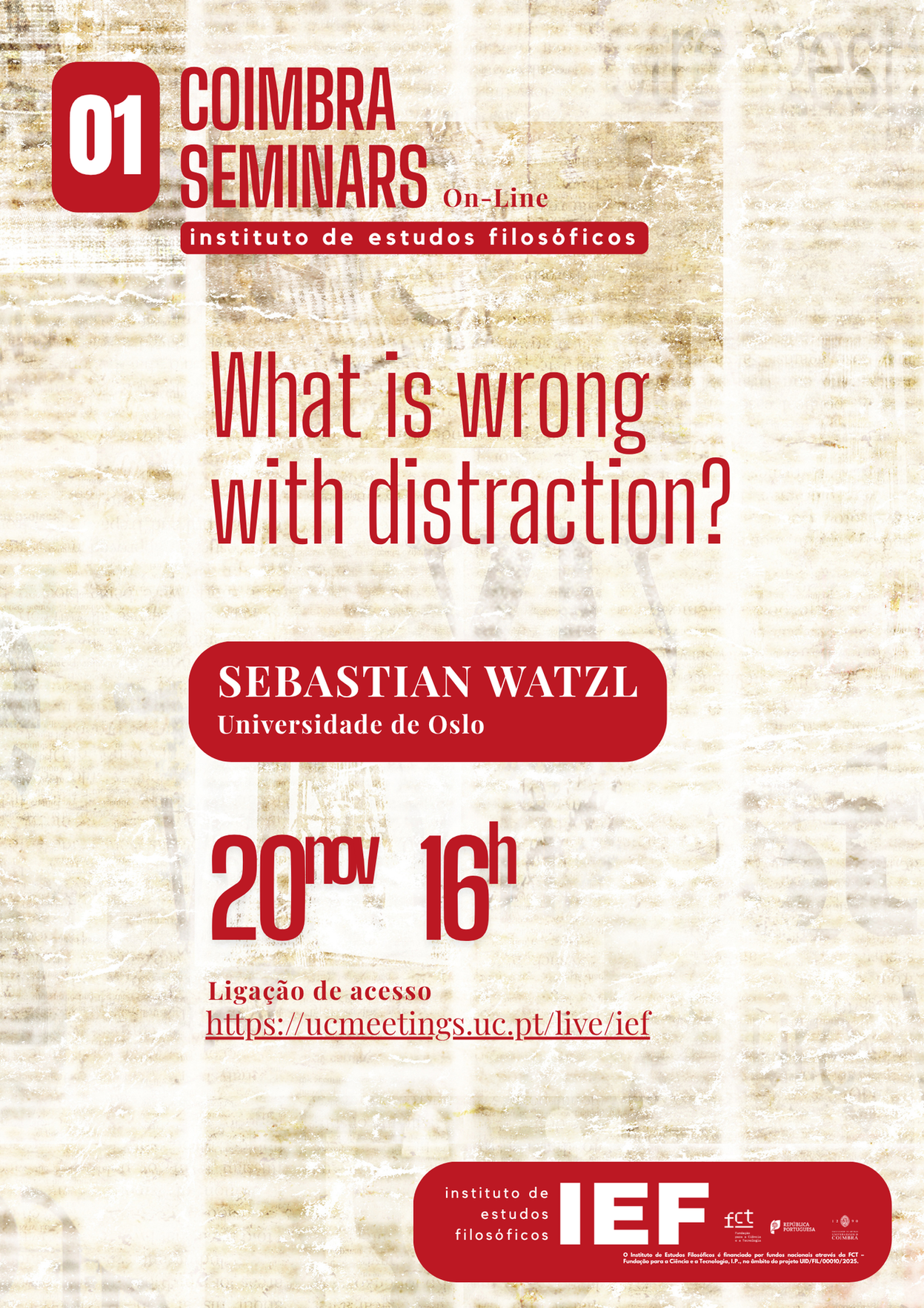
Filosofia - What is wrong with distraction? Sebastian Watzl c/o IEF


'Sebastian Watzl is a professor of philosophy at the University of Oslo (Norway). He specializes in philosophical issues about attention. He is the author of Structuring Mind (OUP), and recipient of an ERC grant on GoodAttention.

His research investigates the nature of attention, how it shapes consciousness, and the normative role and assessment of attention. Some of his current work is on the ethics of attention, the commodification of attention and its ethical assessment, the epistemic role of attention, and the use of attention as a political weapon.'

Sebastian Watzl - UoO Norway


Website: https://www.uc.pt/fluc/ief/agenda/coimbra-seminars-01/
LinkedIn: https://www.linkedin.com/posts/iestudosfilosoficos_ief-filosofia-philosophy-activity-7394448924947779584-fLSV
Instagram: https://www.instagram.com/p/DQ96aNVka0A/?igsh=MXJsejg0ZWE4bnBvZw==
Facebook: https://www.facebook.com/share/p/16uSVu9mNK/?mibextid=wwXIfr


individual
|
INTERPERSONAL : SCIENCES
humanistic -------------------------------------------  mechanistic
SOCIOLOGY : POLITICAL
|
group-population

My Mind
My Attention
My choice(s)?

Sources of distraction
Devices - access
Exposure - time
Social media
Assessment of attention
Children's education

Corporate Ethics of Attention
'Attention economy'
Policymakers & Policy
Attention as a political weapon


C/o IEF and thanks to Marta Santos (Secretariat).

Thursday, November 13, 2025

Wednesday, November 12, 2025

The INDIVIDUAL ↔ GROUP axis

Looking at the axes of Hodges' model, specifically the INDIVIDUAL ↔ GROUP axis, I realise (as ever) there's more than meets the eye. 

The labels for the axes are placeholders. To a certain degree they are open, flexible. In the template (link and figure in the sidebar), the what should now be familiar labels are provided for guidance, and convenience.

The care, knowledge domains can be viewed as giant - compound placeholders, even as an opportunity to abstract away a lot of detail. In care delivery, as we concentrate on patient care, , clinical interactions, procedures ... we tend to do this in political terms. Until that is, we are jolted to the wider situation and the true realities of policy, law, and practice.

While the HUMANISTIC ↔ MECHANISTIC labels are fixed, I've often shown how the I ↔ G is itself situated, so you could variously have (titles & names to follow...):

person, self, I, individual, client, patient,
carer, student, nurse x, dr y, allied health z ..

|

nurse .., husband, wife, partner, kin, couple, guardian, friend, family, team, group, community, region, nation, populations, Planet

Usually, what we have is a ONE-TO-MANY relationship, that is 1:N.

In Hodges' model can we also say that the team is the 'individual' and the organisation the group?

Another thought regarding self-care. ... Some times this state might be concurrent with being a patient.

Part of the journey in a patient's recovery. But at some point the person does not need a professional and is indepedently self-caring. Care episodes are not what they used to be. Although when 'true' self-care is achieved, it might appear One-to-None, but this is not correct. Not correct, that is, if we can credit society acting as a safety net. Usually, it would be One-to-Family; if there is no family, then the One-to-Community should (must) be the placeholder of choice.

On self-care, and the vertical axis of Hodges' model, is this also a way to define sustainable health and social care?

See also: https://hodges-model.blogspot.com/2025/10/l-shaped-model.html

Tuesday, November 11, 2025

RCN Older People's Forum “Frailty & Falls – A holistic approach to safer mobility and reablement"

Dear Colleagues,

The Royal College of Nursing Older People's Forum is hosting an online webinar, “Frailty & Falls – A holistic approach to safer mobility and reablement,” on 12th November 2025, 12:30–14:00.

This webinar explores frailty, ageing, and falls from a multidisciplinary perspective, with speakers from occupational therapy, older-people nursing, and orthopaedic care. It’s a great opportunity to update knowledge and share good practice in fall prevention and reablement.

You can find full details and register here:
https://www.rcn.org.uk/news-and-events/events/frailty-and-falls


Kind regards,

Steph Craig
RCN OPF Chair


Apologies for short-notice. PJ

Monday, November 10, 2025

Modelling turbulence in flight: and other situations?

'Thomas Q. Carney, a retired professor of aviation technology at Purdue University in Indiana who has logged more than 11,000 flight hours as a pilot, said, "The better the model, the more it captures of the particular turbulent field, then the better the forecast, which is what the pilot is going to use."'
individual
|
INTERPERSONAL : SCIENCES
humanistic -------------------------------------------  mechanistic
SOCIOLOGY : POLITICAL
|
group-population
complexity
and
turbulence
here ...

Birnir, B., & Angheluta, L. (2025). Scaling of Lagrangian structure functions. Phys. Rev. Res., 7(2), 023225.  https://doi.org/10.1103/PhysRevResearch.7.023225


here

and here ...


'To try to make sense of chaos, Dr. Birnir worked with Luiza Angheluta-Bauer, a theoretical physicist at the University of Oslo, to devise a model that combines two different methods for observing turbulence: what are known as Lagrangian and Eulerian mechanics. Experts say that neither framework can fully explain how turbulence works. 

That's because these two frameworks look at fundamentally different aspects of a turbulent system. In Lagrangian mechanics. researchers observe a simple particle. while in the Eulerian framework they look at a single point in space. Put simply, Lagrangian mechanics is like watching a leaf flow downriver, subject to the whims of eddies in the water. On the other hand, Eulerian mechanics is like watching a rock that protrudes from the river's surface and studying how the turbulence of the water moves around that fixed point.

Lagrangian turbulence is trickier to model because it requires an understanding of how a lone particle will behave. That lone particle will "execute the most complicated motion that you could imagine," Dr. Birnir said.

Knowing how each type of turbulence fits into the bigger picture is akin to selecting the appropriate lens for a microscope, since both are highly dependent on perspective. "Same turbulence, different stories," said Tomek Jaroslawski a postdoctoral fellow at the Center of Turbulence Research at Stanford University.' Nazaryan, p.12.


Nazaryan, A. A new theory of in-flight turbulance lands, Science: The New York Times International Edition, October 15, 2025, p.12.

[Subscription: https://www.nytimes.com/2025/09/24/science/physics-airplanes-turbulence.html ].

See previously: 'care architecture' : 'Serres' : 'complexity' - and, if needed 'spiritual'

Sunday, November 09, 2025

c/o HIFA - Publications re. primary health care & community health

Dear [HIFA] friends and colleagues with an interest in primary health care and community health:

Since my last communication with you more than 6 months ago, the entire field of global health has continued to be upended by our US government, with unconscionable effects on millions of people around the world, on advancements in global health research and its ethical foundations, and on the careers of thousands and thousands of people working around the world in the field of global health. As I said before, and I repeat now the obvious, it will take decades to build back what has been destroyed and to regain respect from the rest of the world for the United States and the values that most of us hold dear.

William Foege, eminent global health leader and former Director of the Centers for Disease Control and Prevention wrote this biting editorial <https://www.statnews.com/2025/08/18/rfk-jr-public-health-threats-william-foege-smallpox/> in which he said, among other things, 

"We will live through this drought of values, principles and facts and again apply our talents to improving global health and happiness. Do not back down.”
Atul Gwande, now one of the foremost champions of primary health care and community health of our time (even though he is, like me, an erstwhile surgeon!) and former Director of the USAID Bureau of Global Health during the Biden administration, gave an eloquent presentation of his perspective on the aftermath of the destruction of USAID on 28 April 2025 at the Harvard School of Public Health.

You can watch this here:
<https://www.bing.com/videos/riverview/relatedvideo?q=Atul+Gwande+presentation+at+Harvard+School+of+Public+Health+April+28%2c+2025&mid=26DA144398CF1F613D0A26DA144398CF1F613D0A&FORM=VIRE>.

Here are a few items of possible interest:

The Fourth International Symposium on CHWs will be held virtually next week.

I was most fortunate to be able to attend the second International Conference on Primary Health Care was held in Addis Ababa, Ethiopia, from October 6-10. It was a glorious event, with 750 attendees, mostly from Africa but with strong representation from UNICEF, WHO, Africa CDC, and other international organizations. 

The conference was sponsored by the International Institute for Primary Health Care – Ethiopia. <https://iphce.org/> Directors of PHC from 45 different African countries were present along with at least 50 community health workers from across Africa. There was palpable enthusiasm for the growing momentum for PHC across Africa.

Abhay and Rani Bang are world-renowned champions of community-based primary health care through their work with SEARCH <https://www.searchforhealth.ngo/> (Society for Education, Action, and Research) in Gadchiroli, India, with tribal people. Their seminal publications on the effectiveness of community-based primary health care and community health workers as well as their contributions to India’s national program for reducing neonatal mortality through home-based neonatal care, among others, have gained for them global recognition. Attached is an English translation of an article about their life’s work that was published in April Der Spiegel in the leading German magazine, Der Spiegel.

Nicholas Kristof has continued to share with the world some of the heart wrenching effects of the collapse of the United States Agency for International Development. The New York Times opinion columnist wrote <https://www.nytimes.com/2025/09/20/opinion/trump-usaid-cuts.html> on 20 September 2025 on the human dimension of the shutdown of USAID, citing estimates that 690,000 will die in 2025 and 829,00 will die in 2026 as a result of cutbacks in USAID funding, and 3.1 million children will die during Trump’s second term from these cuts (a PDF is attached if the link doesn’t work for you [mod: HIFA does not carry attachments]).

Two recent publications on novel approaches to reducing child mortality have gained widespread attention.

One study <https://www.nber.org/system/files/working_papers/w34152/w34152.pdf> in Kenya provided a one-time transfer of $1,000 to poor families and observed a decline of nearly half in under-5 mortality as well as in infant mortality. Another study reported that wrapping

A recently reported study <https://pmc.ncbi.nlm.nih.gov/articles/PMC12462887/> from Uganda found that giving mothers fabric treated with permethrin, a long-acting insecticide to protect against mosquito-born illnesses, as a baby wrap dramatically reduced malaria infections in the infants carried in them. There were 66 percent fewer cases among those children compared with babies in the untreated wraps. By the end of the six-month study, only 16 percent of children in the treated wrap group had been sick with malaria, compared with 34 percent in the untreated wrap group, many of whom had multiple malaria episodes.

Now available for purchase on Amazon.com are several important publications related to community-based primary health care and community workers.

Feel free to share this email and these resources with anyone else or with any relevant listserve you may have access to.

You are receiving this email because of your interest in primary health care and community health.

If you know of anyone that you think would like to be included in the listserv, just send me the person’s name and email address.

Warm regards, Henry

Henry B. Perry, MD, PhD, MPH Senior Associate, Health Systems Program Department of International Health Johns Hopkins Bloomberg School of Public Health Baltimore, MD, USA 21205 Hperry2 AT jhu.edu

HIFA profile: Henry Perry is a Senior Scientist at the Johns Hopkins Bloomberg School of Public Health, USA. Professional interests: Community health and primary health care. hperry2 AT jhu.edu

Saturday, November 08, 2025

COP30: Seeking change shopping in the far North & SOUTH

individual
|
INTERPERSONAL : SCIENCES
humanistic -------------------------------------------  mechanistic
SOCIOLOGY : POLITICAL
|
group-population


'John Kørner (born 1967, Danish): Understanding the Impact of Architecture, 12, 2020

Lithograph

Kørner pursues his artistic practice through various media, including painting, printmaking, ceramics, installations, sculpture, videos and theatre work. Throughout his career he has tackled contemporary global issues such as migration, war, and systems of production and consumption. He refers to these as 'Problems' that form an ongoing process of enquiry in his work. In his series of paintings and prints Understanding the Impact of Architecture (begun in 2014) he explores the way architecture influences, impacts and interacts with people and their environment. This print from the series addresses blind consumerism and its effect on the fragile Nordic landscape. It was made at Edition Copenhagen which along with Borch Editions is the other major print workshop in Denmark.

Acquisition supported by AKO Foundation, 2023,7056.2'

Text and my source: British Museum Room 90

Nordic noir
works on paper from Edvard Munch to Mamma Andersson


Exhibition
 / 09 October 2025 – 22 March 2026

See previously: 'care architecture' : 'architecture'

Friday, November 07, 2025

Half-turns ... to orbit

individual
|
INTERPERSONAL : SCIENCES
humanistic -------------------------------------------  mechanistic
SOCIOLOGY : POLITICAL
|
group-population


 "If you can get your ship into orbit, you're halfway to anywhere."


See: Where did Heinlein say "Once you get to Earth orbit, you're halfway to anywhere in the Solar System"?

Wednesday, November 05, 2025

Book: Algorithmic Rule

ALGORITHMIC RULE
'The future is here and it is not simply digital; it is algorithmic. Algorithms now shape not only what we see and hear through the media, but also how public administrations function and how work is managed. Decisions about health, employment and even children’s education are increasingly outsourced to automated systems. This book explores the algorithmic present, and what can sometimes be described as algocracy – rule by algorithms. To navigate this new reality, we must ask not only technological but also democratic questions. This book is a guide to doing just that.
What national algorithmic scandals have already unfolded, and what lessons can be drawn from them? How is the future of work being reshaped, as employers rely on algorithmic management tools powered by constant workplace surveillance? Should artificial intelligence be allowed to make decisions in the public sector? Where can we find examples of local governments working for inclusion and transparency through open-source programming? How are institutions handling the massive and sensitive data flows that structure daily life? And what does it mean for democracy if the only face of the state becomes a ubiquitous chatbot?' 


Continued:

https://feps-europe.eu/publication/algorithmic-rule/ 


individual
|
INTERPERSONAL : SCIENCES
humanistic -------------------------------------------  mechanistic
SOCIOLOGY : POLITICAL
|
group-population


ALGORITHMIC


RULE


Tuesday, November 04, 2025

Descartes - alive and well ...

... within the Incident Reporting System

'Policy guidance on recording patient safety events and levels of harm 
This guidance is for users of the new Learn from Patient Safety Events (LFPSE) service, to provide context and guidance on selection of appropriate categories when recording incidents. It focuses on which Event Type is appropriate for different circumstances, and how to select the most appropriate options for the Levels of Harm categorisation required within Patient Safety Incidents.'

Previous harm grades

No harm
Low harm
Moderate harm
Severe harm
Death


individual
|
INTERPERSONAL : SCIENCES
humanistic -------------------------------------------  mechanistic
SOCIOLOGY : POLITICAL
|
group-population
New psychological harm grades

No psychological harm
Low psychological harm
 Moderate psychological harm
Severe psychological harm
n/a

New physical harm grades

No physical harm
Low physical harm
Moderate physical harm
Severe physical harm
Fatal


Q. 'n/a'. Discuss.

CPD reading.                      

Monday, November 03, 2025

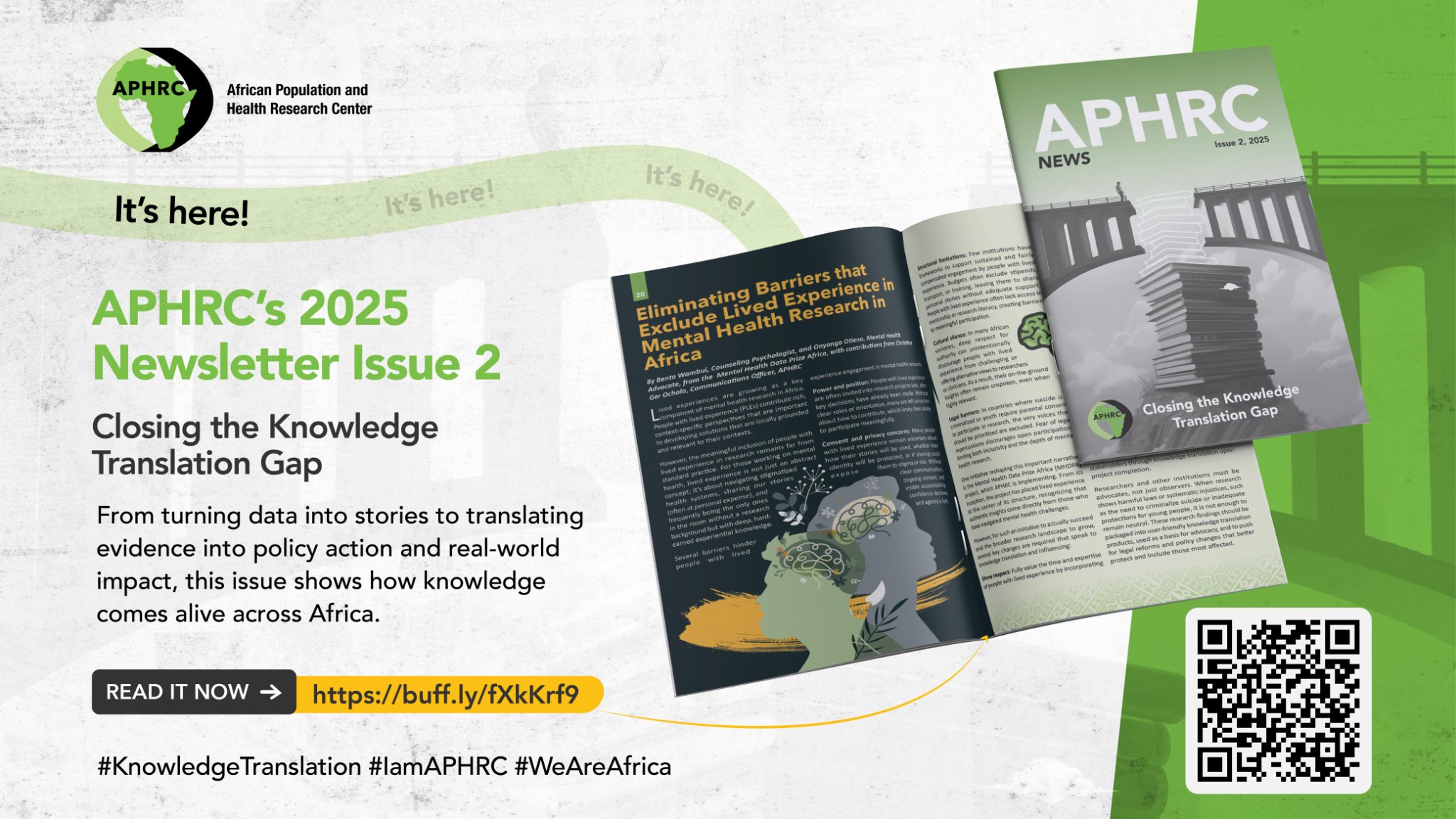
Newsletter: African Population and Health Research Center

APHRC News – Issue 2, 2025

  •  31/10/2025
Welcome to APHRC’s second 2025 newsletter issue! This edition explores how the Center is closing the Knowledge Translation Gap, making research accessible, relatable, and transformative. Dive in to discover stories of change, from climate and health innovations to inclusive education and mental health breakthroughs across Africa.


Sunday, November 02, 2025

The poetry of presence c/o Kenner's 'Mechanic Muse'

'... Eliot's poetry responds to yet another of the new century's pervasive experiences, that of being talked to by people we cannot see. This happens whenever we pick up a telephone, a thing we do so many times a day we quite overlook the strangeness of what lappens next. A character in The Cocktail Party remarks that you can't tell the truth on the telephone, meaning probably that you lose three quarters of your communicative power when you cannot be seen and your breathing body is absent, and you must fabricate mere semantic sequences. Your words are only a fraction of what you say, and the telephone throws you back on nothing but words. It is in Sweeney Agonistes, the play that gives the telephone bell a wholly metrical speaking part, that we hear the famous phrase, "I gotta use words vhen I talk to you."
    When the phone rings in that play - 
    Ting a ling ling 
    Ting a ling ling

Dusty snatches it up and says,

Hello Hello are you there?' 


Kenner, H. (1987) The Mechanic Muse, Oxford: OUP. pp.34-35.

Saturday, November 01, 2025

ii On Sociology & Becoming a Nurse

Two final observations re.

Maclean, Una. (1974) Nursing in contemporary society. London: Routledge & Kegan Paul.
https://wellcomecollection.org/works/qhqc24fv


Firstly, there is a question for new student nurses:
'In the case of nursing, the Royal College of Nursing laid down the course of training and the final tests whilst the General Nursing Council held the solemn register to which aspiring professionals were ultimately to be admitted, and  the aim of these two powerful proponents of the nurse's unique role was to limit he epithet 'nurse' to those who had successfully navigated the straight and narrow path to registration.' p.67.

Q. Above, Maclean refers to a solemn register. What do you believe may have shaped the author's writing at that time in 1974? Is the nurse register, towards which you now aspire still 'solemn'? 2000 words.

There has been much debate of late regards the title 'Nurse'. 'Doctor' also.

Secondly, Maclean was prescient in acknowledging the 'Patient's right to information'. pp.119-120.

On Sociology & Becoming a Patient

'The Subject matter of Sociology
& Becoming a Patient'

A primer for my picking up Hodges' model, or being pressed onboard, was early exposure to history and sociology. There was an understandable emphasis in the (then) school of nursing (registered mental nursing) on the role of society, social history, lunacy and the asylums, law, and attitude towards mental illnesses.

Continuing to sort books (inc. secondhand) and papers, there is:

Maclean, Una. (1974) Nursing in contemporary society. London: Routledge & Kegan Paul.
https://wellcomecollection.org/works/qhqc24fv

individual
|
INTERPERSONAL : SCIENCES
humanistic -------------------------------------------  mechanistic
SOCIOLOGY : POLITICAL
|
group-population


'The sociological viewpoint can be taken on many different subjects. Thus, political sociology has to do with people's voting behaviour and their reactions to the processes of government, while the sociology of education takes into account the influence of various social factors upon educational opportunities and achievements. In addition, social psychology, social psychiatry and social medicine are all related to medical sociology. These terms all imply the use of sociological methods and insights in different areas of human behaviour, and the divisions between them are a convenient way of dealing with what is a very wide territory. Such divisions may suggest that events and things in the real world are already separated in themselves, whereas the divisions are actually in the minds of the people who make them.
It is easier to regard sociology generally as being the study of people's behaviour in groups, groups of all kinds, large and small, casual or permanent, groups of which people are very conscious as well as those of which they may scarcely be aware. Thus, much of sociology is concerned with the human family, a group whose form and composition varies from one part of the world to another and from one set of people to another but which does have common features and functions wherever it is studied. The family will be referred to repeatedly in this book, since not only does it affect all our lives but it profoundly influences the way in which people react in relation to illness.' pp.8-9.


Maclean pointed to the 'innumerable other human groupings' (p.9) and how these - family, schools, clubs, professional training, friendships, audiences, tourist crowds, customers, villager, hostel dweller; such groupings, some historic, temporary or transient - also differentiate into populations, that inform epidemiological and demographic studies. 

It is remarkable how societies have changed globally, since Maclean's 1974 text.

As if to presage the one-to-one encounters to follow, chapter 2 'Becoming a patient' after a brief history 'sickness' arrives at the work of the American sociologist Talcott Parsons.

I don't have the date but I remember making a note the four combined conditions at work for an individual to adopt the sick role. What stood out was how something we think is individually determined is social and so often a question of permission.

Maclean's text (with my emphasis) on these factors follows;
 and is then mapped to the domains of Hodges' model:
'In the first place, the illness must be outside the patient's control, in no sense his own fault. Second, the sick role will allow him exemption from his other roles. with their associated obligations and duties. For example, a man can legitimately give up work and leave his usual family 'responsibilities to his wife. But, third, the sick role requires that the patient should positively desire to get well, he should not relish the relinquishment of responsibility and, fourth, he has the obligation to seek competent medical help.' p.25.
individual
|
INTERPERSONAL : SCIENCES
humanistic -------------------------------------------  mechanistic
SOCIOLOGY : POLITICAL
|
group-population
the sick role requires that the patient should positively desire to get well

the illness must be outside the patient's control,
in no sense his own fault.

the sick role will allow him exemption from his other roles. with their associated obligations and duties

he has the obligation to seek
competent medical help


Again as an exercise you might care to reflect on this and our experiences since the millennium?

What is most remarkable is the need to view this as a 'future lesson' in terms of how societies must, will change to meet the challenges of tomorrow, and the day after that ...