Hodges' Model: Welcome to the QUAD: July 2025

Hodges' model is a conceptual framework to support reflection and critical thinking. Situated, the model can help integrate all disciplines (academic and professional). Amid news items, are posts that illustrate the scope and application of the model. A bibliography and A4 template are provided in the sidebar. Welcome to the QUAD ...

Thursday, July 31, 2025

'Nurse as Engineer' by Josefson

'Engineering' and 'architecture' have both been co-opted by cross-disciplinary explorers to help traverse what are usually cravasses between disparate fields. Or, if not a serious journey - more a day-trip than an expedition, it's an effort to create the impression of progress being (rapidly) made. Fields of knowledge being pulled - fused-together. These are transdisciplinary times:

'Individualization is best achieved in the engineering model, in which cach patient is seen as a unique case. The nurse collects and analyses the patients' data to arriye at a diagnosis, which includes, but is not limited to, issues that concern medical diagnosis and treatment. "The nurse sets obiectives based on knowledge and experience of what is desirable and achievable and designs an individualized care plan by selecting from a known repertoire of nursing interventions those most likely to lead to achievement of the objectives. After implementing the interventions, the nurse evaluates their effectiveness by comparing the client's subsequent condition with previous diagnoses and objectives."

In the last model - the non-routine model, which is a research model - the patient is still seen as unique. The problem is that the search procedures cannot be analysed because more judgement and intuition is required in making decisions.' p.25.

n.b. Two other models are described: the nurse acting as a craftsman; and the routine.

Josefson asks in a section (pp.28-29):

Who draws the boundary between Man and Machine?

Who - indeed!

Ingela Josefson. The nurse as engineer—the theory of knowledge in research in the care sector. In.  Knowledge, Skill and Artificial Intelligence. Bo Göranzon & Ingela Josefson (Eds). (1988), ISBN038719519X. pp.19–30. Berlin, Heidelberg: Springer-Verlag.

In the above paper/chapter Josefson draws upon the work of Katie Eriksson and Judy Ozbolt.

Previously: 'engineer' : 'architecture'

Wednesday, July 30, 2025

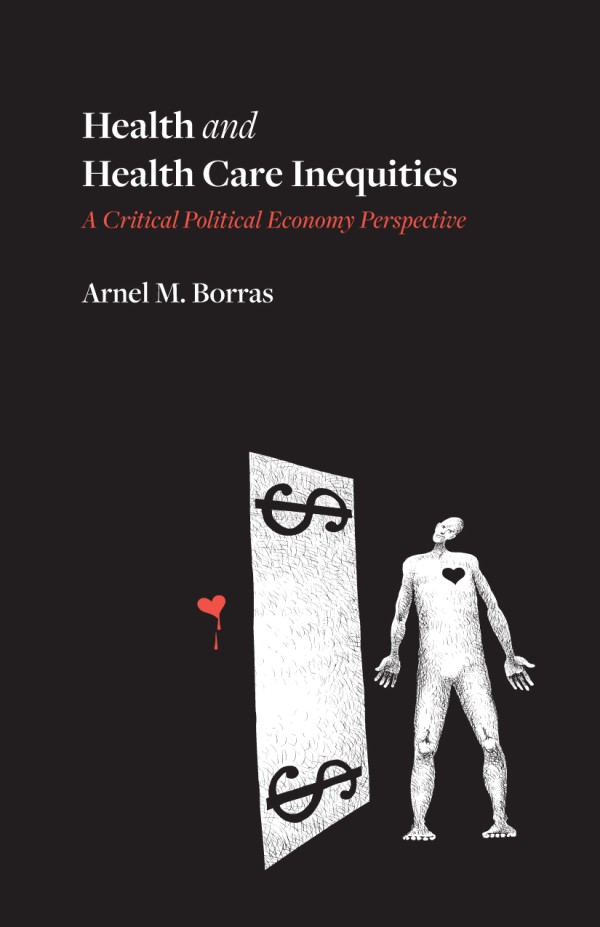
Book: 'Health and Health Care Inequities' iv

Fittingly, chapter 4 brings us to Political Power and Policy Advocacy. In Hodges' model you can both have your cake; and gratefully receive the cake you're given. This is the health in politics and the health in politics (as, for example, revealed in the health status of political leaders).


As a framework structure, the axes of Hodges' model initially give rise to four symmetric domains (spaces). There is an invitation to begin where you choose. Chapter four reveals some truths, as the 'nexus' - center of the model is mobile (unlike many citizens!) as the 2x2 rendition below suggests, if not illustrates. Borras takes us through health politics, political participation and representation, unequal power and politics, and policy change approaches with illustrative cases.

In an institution (like the NHS), bureaucracy, aka an organisation, the workforce are often acutely aware of policy and procedure. It is like the Force. It permeates everything - the meetings - and yet is remote. Borras seek to shed light on unequal resources and policy influence. Again Borras's literature informed discussion and argument, includes some historical gems, such as Lasswell (1958).

Individual
|
      INTERPERSONAL    :     SCIENCES               
HUMANISTIC  --------------------------------------  MECHANISTIC      
 SOCIOLOGY  :    POLITICAL 
|
Group


Political Power and
Policy Advocacy


In chapter 5 on evidence and ideas, discussion of Katherine Smith's 'under 'Six Travelling Ideas' is an excellent resource, with several references including:

Smith, Katherine E (2013) Institutional filters : the translation and re-circulation of ideas about health inequalities within policy. Policy and Politics, 41 (1). pp. 81-100. ISSN 0305-5736 (https://doi.org/10.1332/030557312X655413).

I love the image of ideas as and on a journey, some successful, others fractured, weak, re-contextualised, even non-journeys (falling - 'dead from the press'I suppose?). At least the journey of Hodges' model is ongoing. A baton for our times. As I wrote in post i, chapter 5 tackles 'evidence' (there's a post or two). It does so in relation to information, ideology, and interests:

If you've read many posts on W2tQ, you may see: I've a chip on my shoulder. Evidence for the safety, benefits, theoretical underpinning ... of Hodges' model is still to be realised. To the satisfaction, that is: of course to the powers that be. Speaking of which: the axial (for me) subtitles arise again in chapter 6; capitalism-imperialism-colonialism-racism nexus (p.87).

To demonstrate the utility of Hodges' model, this is significant.

Please feel free to search for these terms - capitalism-imperialism-colonialism-racism in the search bar above.

I've been interested in drama since playing the part of Francis Nurse in Miller's The Crucible. It took some 50 years to go from armchair to treading the boards again. I played Ken, supported by his wife, trying to run a post office, amid a chaotic and injurious IT system. An 8-9 minute sketch which was part of a Living Newspaper. Interested in writing - as previous posts may reveal, I also keep trying get to the theatre. With the themes of chapter 6, Liberation was thought provoking.

Mind-Body, Private-Public, Socialist-Conservative, Borras adds the global health North-South schism. A prompt for suggesting a brief glossary is expropriation and exploitation^ (p.88). Four stages of capitalism too. This chapter - A critical political economy approach is essential reading for me (and you!?) - a path to a critical care economy (self-care to planetary health).

^There is a note #3 about these on page 99.

See also: Post i : Post ii : Post iii : Post v (to follow)

Merelman, R. M. (1981). Harold D. Lasswell’s Political World: Weak Tea for Hard Times. British Journal of Political Science, 11(4), 471–497. http://www.jstor.org/stable/193766

Arnel M. Borras. (2025) Health and Health Care Inequities - A Critical Political Economy Perspective. Fernwood Publishing.

Liberation image: The Agency
https://theagency.co.uk/news/cast-announced-for-ntombizodwa-nyonis-liberation-at-royal-exchange/

Tuesday, July 29, 2025

Book: iii 'Health and Health Care Inequities'


This book, or similar should be read by 3rd year student nurses and other healthcare learners. I wondered if, for students, a brief glossary might be useful. But key terms are explained and clearly, with typologies numbered and expanded when needed. There seems an aversion in nursing academia to avoid the acutely 'political'. Even though of course in psychiatry, the need for considersation of human rights, consent, capacity, law, personal and public safety, risk is inevitable. Should we only learn of the politics of our role on a post-registration/license course of learning? As mentioned in post i, Borras duly notes the asymmetric impact COVID. The disproportinate deaths of frontline healthcare workers from ethnic minority groups (UK). A sign of the impact, is reflected in COVID recurring through the text.

The device of using axes, e.g. Class-Gender-Health (p.11) rightly draws in commentary on nutrition, pay gaps - heterosexual white men, terms of employment, and design and occupational health for woman. Gender politics is also reflected in the text. The relational dimensions of this discussion also stands out. The Class-Race-Health axis (had me return to the question of parity, but beyond the mental - physical divide. 

These axes employed by Borras seemingly traverse a path and are extensible (across pages). Briefly, in Hodges' model the domains and axes act as stepping stones: 

We can ‘walk’ the model:

Humanistic INTERPERSONAL Individual SCIENCES Mechanistic: adding - Humanistic SOCIOLOGY Group POLITICAL Mechanistic 

A global perspective is matained, even though the focus is Canadian health, government, policy and policy. The press have often highlighted the global nature of the housing crisis. Canada is not immune; as discussed in chapter 2. For what is in many nations a 'housing disaster', Borras covers the history too. Reflecting on: 
'Around the world, neoliberal programs have resulted in over a billion people living in slums (Davis 2017, 23). In wealthier countries, there was rampant privatization of social housing units.' p.25. 
- you feel like a nodding dog toy. Where is the leadership, the strategy and integrity to provide housing for all? Arnel also stresses the link between mental health status and housing. The SDGs place emphasis on security (yes, at the level of what is happening in Ukraine, Gaza, South Sudan...), then housing follows. And with climate refugees to follow ...! I have seen gentrification, and listened to an account in 2007 as Manchester started to experience high-rise growth. I used to try to walk to community visits with students when possible. Observational skills come in many forms, safety still depends upon them. With no place to call home, safety and security is a stark issue for people. A foundation for health, wellbeing and ironically productivity. The rise of foodbanks is also damning. 

Gambling is not indexed, but there appears a denial in the UK government, with other nations 'folding' to the influence of lobbying and corporate influence reducing or removing restrictions in gambling and crucially: advertising. What's the denial you say? Yes, well governments seem to be in denial that there are vulnerable groups in their respective populations. It is laudable that they bestow upon the citizenry the freedom of choice, but that can spell trouble.

If Canada - Ontario has its housing scandal:
'Housing insecurity and homelessness occur because the state and its goencies support real estate and banking corporations that continuously increase housing prices. This setup is a huge problem because these enti- ties focus on generating profit and capital accumulation. The Greenbelt Scandal in Ontario revealed how the government made decisions that served the interests of big companies instead of the public (McGrath 2023; Office of the Auditor General of Ontario 2023). This scandal is an example of neoliberalism and a corrupt style of governance (Moscrop 2023). We need to stop using neoliberal strategies and focus on socialized housing.' p.27.

So does the UK: Grenfell Tower Inquiry No doubt, other nations have their tragic examples. It seems 'international Standards', quality, integrity can never be taken for quality. They too are precarious, vulnerable. Borras's work in chapter 2 on housing security, and differenciation of core housing need is laudable, informative and welcome. Re-reading Arnel's point: 'There is no doubt that housing insecurity affects health'. p.28. His book as a whole makes the point that of course more evidence will always be needed. In healthcare for decades the basics of public health have been identified, studied, established, placed in models and frameworks. Yet we find we are found wanting (UK - Awaab's Law) dragged back to the first steps; and despite the urgent issues we now face.

"Universal health care" is not exactly new:

The Canadian Association of Social Workers. (1961). The Social Worker, Volume 29, Numbers 1 to 2. 29(1to2), 1to78. The Canadian Association of Social Workers. The Social Worker - Le travailleur social. Canadian Association of Social Workers. https://jstor.org/stable/community.39672572.

Borras is correct to write of 'The Continuing Private War against Universal Health Care' (p.36). Looking at NGRAM it appears the private sector has been winning in recent decades. Working previously as a community mental health nurse for older adults, chapter 3 explores Canada's health care systems. Table 3.1 compares the ownership of long-term care homes in figures. The discussion deals with the quality of care and variation. Policy intentions, plans, research and what follows in practice is also debated. Is there any comfort  in learning that Canada is not alone in being skilled at kicking-can-down-the-road. To be fair many developed nations face the same demographic cliff (whichever way you it!), just one of the urgent issues noted above. The contribution of informal carers is also highlighted.

Here in the UK the commissioner - provider split and models of care at the finance level are a maze: amazing in their bureaucracy. Borras does a marvellous job, in providing enough detail without weighing the narrative flow, and losing the reader. The close of chapter 3 offers hope that Hodges' model will continue to be found:
'Therefore, shifting away from neoliberalism toward a new societal system where health care is seen as a fundamental human need and a universal right, not a profit-driven commodity, is crucial. This alternative system requires a new societal framework built on solidarity, fairness, and humanity, prioritizing health over financial and personal gain.' p.50.
See also: Post i : Post ii : Post iv : Post v (to follow)

Arnel M. Borras. (2025) Health and Health Care Inequities - A Critical Political Economy Perspective. Fernwood Publishing.

In addition:

Messing, K., & de Grosbois, S. (2001). Women Workers Confront One-Eyed Science: Building Alliances to Improve Women’s Occupational Health. Women & Health, 33(1–2), 125–141. https://doi.org/10.1300/J013v33n01_08  (Borras - pp.11-12).

https://nhsrho.org/news/tender-maternal-and-neonatal-image-library/

Monday, July 28, 2025

Book: ii 'Health and Health Care Inequities'


In the introduction to Health and Health Care Inequities - A Critical Political Economy Perspective, Borras concludes:
'This book aims to spark thoughutful conversation and collaboration by moving away from capitalism to improve society and health. Health is not just about nursing and medicine; it is integrally connected to economic, political, cultural, and institutional systems. Moreover, it encompasses philosophy and ethics. Capitalism's focus on individualism and competition harms people and the environment,making it all but impossible to achieve health equity. We must work together to envision and create a new world that ensures fairer and better health for all.' p.3.
This sets the tone for a short 163 page book, with a page of acknowledgements, (said) introduction pp.1-3, reference listing pp.136-153; 10 page index, and eight chapters:

Chapter 1: Social Determinants of Health Inequities
Chapter 2: Neoliberalism and Canada’s Housing Policies
Chapter 3: Neoliberalism and Canada’s Health Care System
Chapter 4: Political Power and Policy Advocacy
Chapter 5: The Role of Evidence and Ideas
Chapter 6: A Critical Political Economy Approach
Chapter 7: Searching for Socialism
Chapter 8: Mobilizing for Health Equity
Chapter 1 on 'Social Determinants' provides the first of many political points to underscore the effort with Hodges' model here. If income and poverty come second the preceding paragraphs on wages reveal the socialist stance stand of the author, and the acknowledged networks. Throughout the book the relational nature of determinants, inequality, inequity, protected characteristics, socio-economics and political struggle is raised. In the discussion on wages the importance of education is described in cross-cultural and gender-based terms. The book possibly turns on the sentence:
'To effectively address poverty, we need to unite those who are in poverty with individuals who have more economic stability but are still ulnerable within our capitalist system. These individuals are at risk of falling into poverty if they lose their jobs due to workplace closures or privatization. It is essential to acknowledge that certain groups experience higher poverty rates, but we should see them not as victims but as protagonists and capable workers facing unique but connected challenges.' p.7.
For the people who follow the news, the majority of 'us' are (even if only roughly) aware of the distribution of wealth across national and the global population: the injustice. The erosion and lack of union representation within many workforces, especially 'Big-tech'. The way utility enterprises have provided dividends for shareholders at the expense of ongoing investment in infrastructure, the quality of service provided to the public and even public safety. COVID (p.7), crystalised 'difference' for us all. I came to now substitute collective for 'group' in Hodges' model. Suddenly all those individuals, many working in health, were collectively vulnerable:

Individual
|
      INTERPERSONAL    :     SCIENCES               
HUMANISTIC  --------------------------------------  MECHANISTIC      
 SOCIOLOGY  :    POLITICAL 
|
Group
PSYCHOLOGICALLY
EXISTENTIALLY
BELIEFS
SCIENCE
PHYSICALLY
data, information, knowledge
SOCIALLY
CULTURALLY
SOCIAL MEDIA
wisdom, leadership, truth
LAW - POLICY
FREEDOM - CHOICE

Throughout the text, I like the concise coherence Borras demonstrates in the steps from wages, income and poverty to investigate the state of health inequities. Once again (from i) the context is Canada, but the lessons are for all - as globalisation should/must demand?  There is public health history too. As expected Canada's First Nation, Indigenous, and Nunavut populations are frequently referenced regards exclusion and disparity in health services access and provision. Under health inequities, after infant mortality and life expectancy there is a convention(?) adopted of several axes being identified. The first (p.9) is the class-health axis, then class-gender-health and others. No surprise I found the relational and organisational aspects of these 'constructs' very helpful. As I try to think of Hodges' model as a mathematical object I realise (through oft impromtu conversations^) that we don't have two 'axes' in Hodges' model. Still musing on this; and more to follow ...

Arnel M. Borras. (2025) Health and Health Care Inequities - A Critical Political Economy Perspective. Fernwood Publishing.

^A pure maths lecturer, Gower St Waterstones, London.

See also: Post i : Post iii : Post iv : Post v (to follow)

Friday, July 25, 2025

Good luck Suns & Daughters . . .

Individual
|
      INTERPERSONAL    :     SCIENCES               
HUMANISTIC  --------------------------------------  MECHANISTIC      
 SOCIOLOGY  :    POLITICAL 
|
Group

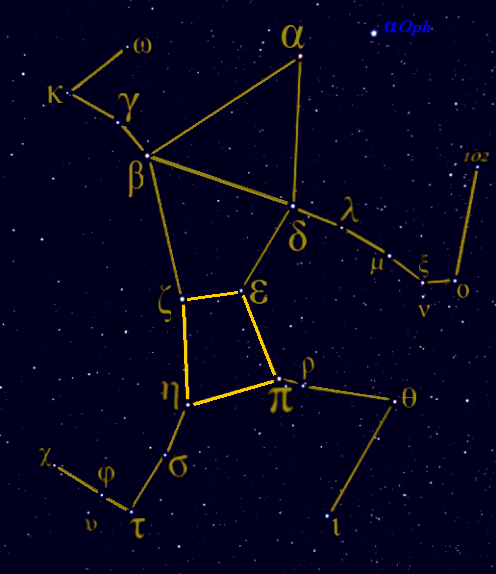
'The sun may be on its lonesome now - its closest neighbour is 4.2 light years away - but that wasn't always the case. Once upon a time it had close family. After their birth in the same cloud of dust and gas that formed our solar system, these solar siblings scattered hundreds of light years apart in the MilkyWay. In May, astronomers reported the first one: a star called HD 162826.

"It looks like the sun, but a little-bit bluer," says Ivan Ramirez at the University of Texas at Austin, who led the study. It's also warmer than the sun and 15 per cent more massive. The star is about 110 light years away, and you can see it with the aid of a pair of binoculars in the left arm of the constellation Hercules.'

Hercules Historical View

'To find its family ties, Ramirez's team combed through galactic archaeology studies, which model the motions of the Milky Way. These predictions laid out where sibling stars would be now if they had formed in the same place as the sun. Though they spread out in different directions, their positions still give away their birthplace, Ramirez says.

He narrowed down the search area to 30 stars, and then looked at them closely to find a family resemblance. Only HD 162826 had a similar chemical make-up to the sun. A separate team led by Eric Mamajek at the University of Rochester in New York also studied the star and found it is the same age
as the sun, as would be expected for two stars born together. Even more tantalising, HD 162826 is already in a catalogue of stars that might harbour planets.'

Science
funding


Rebecca Boyle. Strangest star. New Scientist. 20 September 2014: 223, 2987, pp.38-41.

Image: Sadalsuud, CC BY-SA 3.0, via Wikimedia Commons.

Thursday, July 24, 2025

Book - open access: 'Planetary Politics'

Individual
|
      INTERPERSONAL    :     SCIENCES               
HUMANISTIC  --------------------------------------  MECHANISTIC      
 SOCIOLOGY  :    POLITICAL 
|
Group


My source: Email EUP.

Lucy Benjamin (2025) Planetary Politics - Arendt, Anarchy and the Climate Crisis. Edinburgh University Press. https://edinburghuniversitypress.com/book-planetary-politics.html

Wednesday, July 23, 2025

Book: 'Health and Health Care Inequities' i

I didn't attend online the book launch for Health and Health Care Inequities. It appeared to be in the early hours for the UK. Making good progress on a week's break last month, upon return, a presentation and some writing proved a distraction. I've picked it up again, a task that was smooth and straightforward such is the style and writing. H&HCI is - as expected - academic. The statistics, politics and government publications come thick and fast. But they literally do count here.

Borras and the Fernwood are based in Canada. The focus of Borras's thesis is then Canadian politics, economics, society, social and cultural challenges, poverty, exclusion, global standing, statistics and reporting (and more) are all relevant globally. Especially as COVID, climate change, and the current state (or stasis?) of global health provision attests. The book is unashamably Marxist, but not heavy with it. If that makes sense. I was drawn to the publisher too. Well: critical books for critical thinkers; how could I resist!
The influence of Marx and Marxism on the 20th century is profound and full of contradictions. There's the history, and its lessons of Marxism as a political ideology and the geopolitical exemplars that have given Marxism a 'bad' name. To the extent that 'socialism' is also tainted. What other term can be applied that captures 'Marxism', Marxist thought and its relevance today? And that is, relevance in terms of health, health care and social care inequities? 'Struggle' seems utterly inadequate amid current news?

Amidst the history of various revolutions, some arguably on-going, fizzled out, on life support ...? it is, it seems, capitalism that goes marching on. To keep time, the metronome is the tick of central processing unit, and now the graphics 'pu' and tensor; for we live in the 'information age'. I've been keeping notes, but will begin with some reading today, which is an excellent point to 'healthcare professionals', obsessed as we are, with evidence.
'I often go back to Carol Weiss. Years ago, she said three things that go into the decision making ... information, ideology, and interest. And then she went on to say, don't for one moment think that information can trump either ideology or interest. So if you look at the whole climate debate right now, it's actually an ideological debate, The right-wing, the Republicans, some Conservatives here, their rejection of the evidence has nothing to do with the evidence. It's really an ideology ... our group thinks this way, and we are aligned with the fossil fuel industry because they're rich and powerful. Our whole system is based on cheap energy. And so we have to keep going kind of thing. And bugger the evidence.

And that second one, which is actually very closely related to that, is interest. By interest, she meant power and wealth and stakeholders. So, who gets the policy they want? The people who have the money and power to influence it. So, the fossil fuel industry is very powerful ... And so, no matter what the evidence is, they have a financial interest in not having any controls upon them having the minimum of controls. And so, that will triumph usually. So, you put together ideology and interest, and it will almost always overcome evidence or information.' p.78.
More to follow and a return here is essential.

Weiss, C.H. (1983). Ideology, Interests, and Information. In: Callahan, D., Jennings, B. (eds) Ethics, The Social Sciences, and Policy Analysis. The Hastings Center Series in Ethics. Springer, Boston, MA. https://doi.org/10.1007/978-1-4684-7015-4_9

Arnel M. Borras. (2025) Health and Health Care Inequities - A Critical Political Economy Perspective. Fernwood Publishing.

See also: Post ii : Post iii : Post iv : Post v (to follow)

Tuesday, July 22, 2025

Mary Kelly - Post-Partum Document

From a visit to Liverpool Tate 13.6.2008:

 (Experimentum Mentis III: Weaning from the Dyad)

Individual
|
      INTERPERSONAL    :     SCIENCES               
HUMANISTIC  --------------------------------------  MECHANISTIC      
 SOCIOLOGY  :    POLITICAL 
|
Group


Post-Partum Document. Documentation III: Analysed Markings And Diary Perspective Schema (Experimentum Mentis III: Weaning from the Dyad)

1975, Mary Kelly  © Tate 

'Chalk and crayon drawings by Mary Kelly’s son are overlayed with transcriptions, annotations and reflections based on their interactions as he began nursery. These panels are the third group of a six-part series, each documenting a formative moment in Kelly’s son's early life. Kelly has stated that Post-Partum Document is not ‘autobiographical’. She instead uses her story to suggest ‘an interplay of voices – the mother’s experience, feminist analysis, academic discussion, political debate’. The work subverts romanticised depictions of the mother-child relationship, presenting the experience as inevitably bound up with societal norms and gendered expectations.'

See also: Mary Kelly

  dyad : perspective : art

Monday, July 21, 2025

"Passport please!"

Press release

'Innovator passports’ set to accelerate cutting-edge NHS care

The move is a key part of the government’s Plan for Change and its 10 Year Health Plan, which will transfer power to patients and transform how healthcare is delivered, creating an NHS fit for the future.

For too long, cutting-edge businesses avoided working with the NHS and went elsewhere, weighed down by slow timelines and reams of processes. Now, organisations will be able to join up with the NHS quicker than ever before through the removal of needless bureaucracy. Not only is this better for patients but also for our NHS and economic growth.

A ‘one-stop shop’ thorough check from the NHS will now allow businesses to get to work as quickly as possible and deliver on what matters most to patients across the country. It means NHS patients will get more effective treatments and support quicker, and the NHS will make the most of its finite assessment resource, all while businesses are given a boost through the government’s industrial strategy.

Treatments including special wound dressings - already reducing surgical site infections by 38% at Barking, Havering and Redbridge University Hospitals - could be adopted more widely, benefiting patients across the country.

At Barts Health NHS Trust in London, use of antimicrobial protective coverings for cardiac devices has cut infections and saved over £103,000 per year. At University Hospitals Dorset, adopting rapid influenza testing reduced bed days and antibiotic use, freeing up vital resources.

The new passport will eliminate multiple compliance assessments, reducing duplication across the health service. It will be delivered through MedTech Compass, a digital platform developed by DHSC to make effective technologies more visible and widely available.

MedTech Compass will make these innovations and the evidence underpinning them clear to buyers within the NHS.

The initiative builds on the government’s drive to slash waiting lists and ensure people have access to health and care when and where they need it under the Plan for Change.

Wes Streeting, Secretary of State for Health and Social Care, said: 

For too long, Britain’s leading scientific minds have been held back by needless admin that means suppliers are repeatedly asked for the same data in different formats by different trusts - this is bad for the NHS, patients and bad for business. 

These innovator passports will save time and reduce duplication, meaning our life sciences sector - a central part of our 10 Year Health Plan - can work hand in hand with the health service and make Britain a powerhouse for medical technology.

Frustrated patients will no longer have to face a postcode lottery for lifesaving products to be introduced in their area, and companies will be able to get their technology used across the NHS more easily, creating a health service fit for future under the Plan for Change.

Dr Vin Diwakar, Clinical Transformation Director at NHS England, said:

We’re seeing the impact improvements to technology are having on our everyday lives on everything from smartwatches to fitness trackers - and we want to make sure NHS patients can benefit from the latest medical technology and innovations as well.

The new innovator passports will speed up the roll-out of new health technology in the NHS which has been proven to be effective, so that patients can benefit from new treatments much sooner.

It also forms an important element of the industrial strategy through the upcoming Life Sciences Sector Plan, which will turbocharge Britain’s life sciences sector and cement the UK’s position as a global innovation leader.

MedTech Compass helps speed up decision-making in trusts, allowing technology to scale faster - making it easier for trusts across the country to find, assess and adopt proven technologies that improve and speed up patient care.

The passports mean that once a healthcare tool has been assessed by one NHS organisation, further NHS organisations will not be able to insist on repeated assessments, reducing the need for local NHS systems to spend their limited resources on bureaucratic processes that have already been completed elsewhere.

The digital system will act as a dynamic best buyer’s guide, making it easier for trusts to compare products side-by-side in one place.


Read the full press release:
https://www.gov.uk/government/news/innovator-passports-set-to-accelerate-cutting-edge-nhs-care

In my source (below) Laura Hughes also notes:
'However, the Financial Times has reported on calls by frontline workers for basic NHS infrastructure to be brought up to a minimum standard before politicians extol the virtues of cutting-edge tech.

Matthew Taylor, head of The NHS Confederation, which represents health managers, said not all NHS organisations were at the same stage of digital maturity, which would "affect their ability to either innovate or implement preapproved innovation in this passport model."'


Individual
|
      INTERPERSONAL    :     SCIENCES               
HUMANISTIC  --------------------------------------  MECHANISTIC      
 SOCIOLOGY  :    POLITICAL 
|
Group
innovation

personal passport

awareness of existing state / processes

innovation

'innovation passport'

duplication

innovation

public safety

waiting lists / times

accountability - standards - assurance

innovation

bureaucracy - multiple Trusts

procurement
of infrastructure and innovation -
cutting-edge technology


Laura Hughes NHS use of medical innovations streamlined. FTWeekend, 2 July, 2025, p.3.
https://www.ft.com/content/1d025579-990a-4d58-9e0b-6d0d29d27dab

Previously:

Sunday, July 20, 2025

Infracare - Hodges' Health Career - Care Domains - Model

Trying to sort papers again, I'd saved the article by Floridi (below) the title having caught my attention.

If Hodges' model has a meta-function, there is also a role in the infrastructure of care.

There is an opportunity for me to do the proverbial '360' exercise, visit each of the care domains in turn and literally throw in the kitchen sink:

Individual
|
      INTERPERSONAL    :     SCIENCES               
HUMANISTIC  --------------------------------------  MECHANISTIC      
 SOCIOLOGY  :    POLITICAL 
|
Group

I see you! Who you are.

 person-centred  care 

IDENTITY (identities)

A model of care -

A theory of (health) communication

Information theoretic, information disorder 
 and relational studies


 person-centred care 

I see you! Who you are.

identity - (IDENTITIES)

- addressing Parity of Esteem in -

- Practice & Research

Information theoretic, information disorder 
 and relational studies

NHS and Social  Care

Community Care as a resource

Self care education and health promotion built in to education system

Value Social Capital
Law and Justice to
protect and secure Peoples & Populations

Policy - National & Global
that supports health and health promotion

Declared integrated care
care philosophy

Adopted generic model for self, national and global and planetary health


Infraethics, Luciano Floridi. January 2013. The Philosophers Magazine. DOI: 10.5840/tpm20136010

Saturday, July 19, 2025

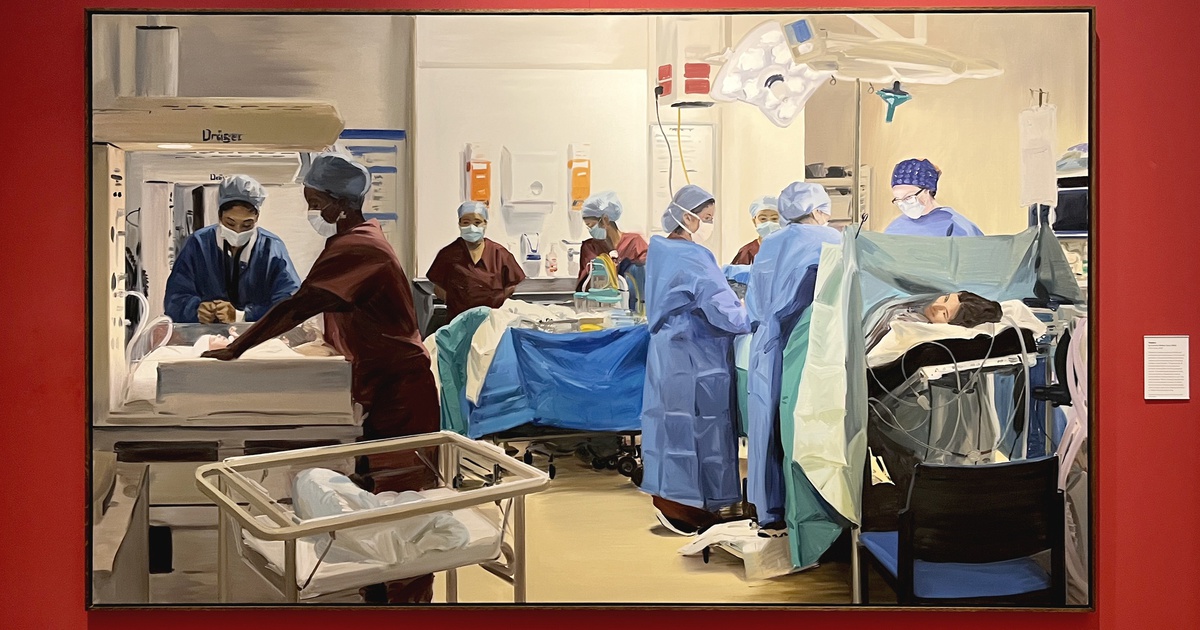
'Theatre' by Caroline Walker

Individual
|
      INTERPERSONAL    :     SCIENCES               
HUMANISTIC  --------------------------------------  MECHANISTIC      
 SOCIOLOGY  :    POLITICAL 
|


Image source: 
https://www.inglebygallery.com/news/7465-caroline-walker-the-scottish-national-portrait-gallery-theatre/

line of sight (seeing is believing) : 'care' : 'community' : 'theatre'

My source:
Harriet Baker, PAINT, FEED & PLAY, FT Weekend, Magazine. July 12 2025.  #1,133, pp.46-52.
https://www.ft.com/content/6e50181b-689e-4cd5-b084-37b311446e94

Great read too. The exhibition moves to Pallant House Gallery, Chichester from November 22nd.

Friday, July 18, 2025

Narketpally syndrome: A different approach to medical education and research

From: Marc Jamoulle
MD (UCL 1974), PhD (ULg 2017)
Family physician, Belgium (INAMI 15324119004)
marc.jamoulle AT uliege.be
Associate researcher at HEC-Liège, BAS-SCM, University of Liège, University of Rouen, D2IM & CAMG-UCL, Brussels


hi friends,

in an unknown syndrome, another way to deal with the patient, to learn from the patient, to develop a partnership with the patient, caring while waiting for the cure,

Jamoulle, M., & Soylu, S. (2025). Phenotyping Long COVID in Children in Primary Care: A Case-Based Study Using the Human Phenotype Ontology. ORBi-University of Liège. https://orbi.uliege.be/handle/2268/334447

From: Rakesh Biswas
rakesh7biswas AT gmail.com


This paper illustrates a global patient-centered learning ecosystem, anchored in Narketpally, that adopts a syndromic approach to medical education and research. Rooted in the etymological origins of 'syndrome' ("together we flow"), this approach reframes medical research as a collective, contextual response to individual patient needs.

https://pubmed.ncbi.nlm.nih.gov/40674544/

Methods: The structure of the paper is intentionally modeled as a team-based learning exercise, grounded in our prior Web 2.0-based cognitive tools: CBBLE (Case-Based Blended Learning Ecosystem) https://pmc.ncbi.nlm.nih.gov/articles/PMC6163835/ and PaJR (Patient Journey Record) https://pajr.in/. These are framed against the conceptual scaffolding provided by three key publications: a framework by Sturmberg et al. and two contrasting commentaries by Greenhalgh and Ioannidis.

Results: Through our ongoing CBBLE-PaJR workflow, thematic learning outcomes emerged in response to these frameworks. Sturmberg's stratified realism helped us recognize how individual patient connections, recorded in our daily practice and online learning portfolios, can drive both contextual learning and meaningful changes in patient outcomes. Greenhalgh's commentary inspired our conceptualization of a 'wildebeest river crossing value model,' contrasting population-based efficiency with individual-centered compassion. Ioannidis's critique of methodological rigor highlighted the potential for expanding low-resource, high-impact research through patient-centered designs, particularly in phases 1 and 4 of the clinical trial hierarchy.


Podder, V., Kulkarni, R., Samitinjay, A., Salam, A., Gade, S., Agrawal, M., Surendran, A. K., & Biswas, R. (2025). Narketpally Syndrome and the Embedding of Contextual Values in Real-Life Patient Pathways. Journal of evaluation in clinical practice, 31(5), e70186. https://doi.org/10.1111/jep.70186
[Citation added PJ].
--

My source:
You received this message because you are subscribed to the Google Groups "Unnecessary Services in Clinical Medicine & Public Health" group.

Thursday, July 17, 2025

Ryle's 'logical geography'

I like the way Ryle apparently analogised philosophy to cartography.*

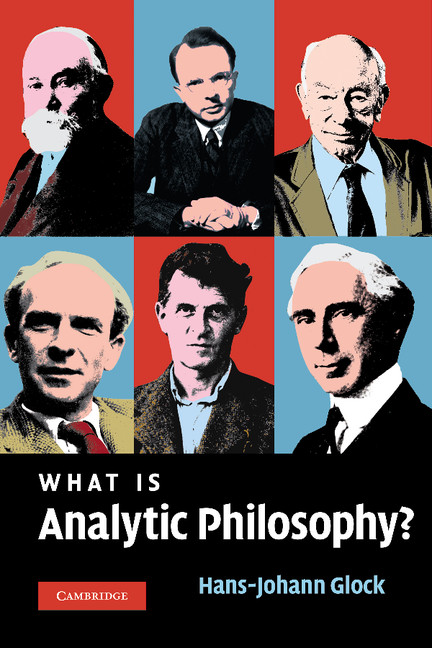
'Similarly, Ryle advocated that philosophy should chart the 'logical geography' of our concepts. In The Concept of Mind he argued that the Cartesian dualism of mind and body results from 'category-mistakes': it treats mental concepts which signify behavioural dispositions as if they referred to processes that are just like physical ones, only more ethereal. Ryle rejected Wittgenstein's therapeutic image according to which 'the philosopher treats a question like a disease' (1953: §255). Yet he accepted that philosophy is a meta-discipline which does not 'talk sense with concepts' but tries to 'talk sense about concepts' (1949: 9-10). The paradox of analysis disappears since the task is not to provide novel information about a realm extrinsic to us. According to Wittgenstein, philosophy reminds us of rules that we have mastered in practice but which mislead us in the course of philosophical reflections. According to Ryle, it takes us from the knowledge how to use words to an explicit knowledge that they are used according to certain rules. Either way, analysis is not a trivial pursuit, because the explanation of philosophically interesting concepts is complex and rich, especially when it places these concepts in their diverse contexts (everyday, scientific, philosophical).' p.43.
Hans-Johann Glock. 2008. What is analytic philosophy? Chapter 2. Historical survey. pp.21-60. CUP. Pb. 
https://www.cambridge.org/us/universitypress/subjects/philosophy/philosophy-general-interest/what-analytic-philosophy

* 'Ryle analogises philosophy to cartography. Competent speakers of a language, Ryle believes, are to a philosopher what ordinary villagers are to a mapmaker: the ordinary villager has a competent grasp of his village, and is familiar with its inhabitants and geography. But when asked to interpret a map of that knowledge, the villager will have difficulty until he is able to translate his practical knowledge into universal cartographic terms. The villager thinks of the village in personal and practical terms, while the mapmaker thinks of the village in neutral, public, cartographic terms.[20]: 440–2 '. https://en.wikipedia.org/wiki/Gilbert_Ryle

I've wondered about 'cogeography' - combining cognition and geography, even care cartography. There is also of course psycho-politics, geo-psychiatry and psycho-geography ...

Hopefully a more current text would be more diverse.^

Wednesday, July 16, 2025

'Proper domain' c/o Machery 2017

On a visit to London 4-7th, in Foyles on Charing Cross Road amongst many desirable titles I came across:

Machery, Edouard, Philosophy Within Its Proper Bounds (Oxford, 2017; online edn, Oxford Academic, 24 Aug. 2017), https://doi.org/10.1093/oso/9780198807520.001.0001, accessed 24 June 2025.


Philosophy and knowledge are in constant play: hide and seek. So the title's 'proper bounds' piqued my interest. I found a previous paper by Machery, also cited in the book:

MACHERY, E. (2011). THOUGHT EXPERIMENTS AND PHILOSOPHICAL KNOWLEDGE. Metaphilosophy, 42(3), 191–214. http://www.jstor.org/stable/24439937

The paper is technical (as 'metaphilosophy' suggests) with discussion of thought experiments, parity defence, but there is utility here:
'If we have reason to suspect that a physical skill or a psychological capacity is applied outside its proper domain, our confidence in the success of this application should decrease. If we have no further information about the circumstances in which the skill or capacity is applied or about how these circumstances impact its reliability, then, for all we know, the reliability of the skill or capacity in this particular application might be almost as high as it is in its proper domain, or it might be very low: that is, we have a reason to believe that its reliability is lower than in its proper domain, but we do not know how low it is. In these conditions, we should be reluctant to express much confidence in the success of the application of the skill or capacity'. p.201.

I'm hoping for an e-copy of the book, which avoiding even more screen-time, I won't read through (review - as I call it...) but I will search, read selectively and post again.

Tuesday, July 15, 2025

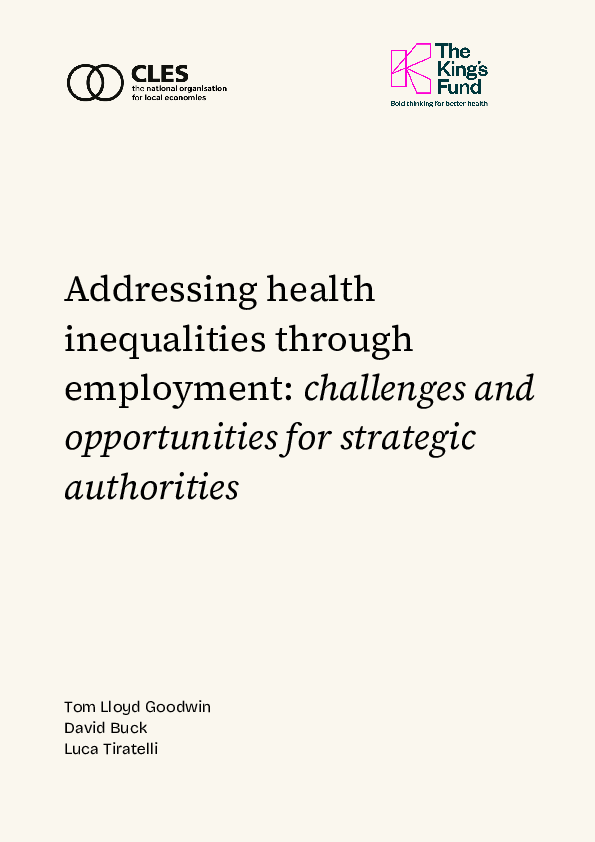
Essay: 'Addressing health inequalities through employment' July 2025


Four priorities:
  1. Establish closer working relationships across the SA [Strategic Authorities] ecosystem to prioritise action on health inequalities.  

  2. Align resources to support people on their journey to sustainable employment.

  3. Negotiate with government for greater permissions.

  4. Harness the power of anchors.
 

Many useful references are also provided, e.g. Building Blocks of Health. Plus the discussion of anchors.


Individual
|
      INTERPERSONAL    :     SCIENCES               
HUMANISTIC  --------------------------------------  MECHANISTIC      
 SOCIOLOGY  :    POLITICAL 
|
Group
employment as a determinant of health

mental & emotional health

Early intervention, employer-employee liaison, health coaching*


PLACE - PLANET

physical health - life-expectancy

LOCAL - accessible
SOCIO-

people & communities

flourishing communities

neighbourhood

People in communities on 
LONG-TERM SICKNESS

WORKWELL grants*

WIDER DETERMINANTS OF HEALTH

SOCIAL VALUE OF HEALTH

low-quality jobs - poorer health

Poverty - HOUSING SECURITY


-ECONOMIC

NHS 10 Year plan: 1. GP / dental access
2.  waiting lists hospital and community care
3. staff demoralised and demotivated
4. outcomes on major killers like cancer lag behind other countries.

STRAGEIC AUTHORITIES - DEVOLUTION
shift of wealth & power

HEALTH INEQUALITIES
inequity

WHOLE GOVERNMENT
APPROACH TO HEALTH

ECONOMIC VALUE OF HEALTH

low-quality jobs

Local strategic response


See also -

Opinion: Failing to collect, analyse, and report ethnicity data in clinical research leads to healthcare inequalities. BMJ 2025; 390 doi: https://doi.org/10.1136/bmj.r1457 (Published 14 July 2025)
Cite this as: BMJ 2025;390:r1457

 'hospital' : 'community' : 'analogue' : 'digital' : 'prevention' : 'sickness'

My source: https://x.com/TheKingsFund/status/1944678280461734226

Monday, July 14, 2025

Reflective equilibrium and equipoise

I can't believe, or don't want to, that it's nearly 15 years since I posted - 

h2cm and clinical equipoise in 2010. 

The post didn't try to be 'technical', but perhaps demonstrates the journey here.

In a post to follow, in London 4-7th July I came across a book by Edouard Machery and upon return up north, found a paper which refers to reflective equilibrium. This, one again technical or not, is a purpose of Hodges' model.

Machery, Edouard, Philosophy Within Its Proper Bounds (Oxford, 2017; online edn, Oxford Academic, 24 Aug. 2017), https://doi.org/10.1093/oso/9780198807520.001.0001, accessed 24 June 2025.

Reflective equilibrium has an entry in the The Stanford Encyclopedia of Philosophy:

'If you believe that conduct in some case is right or wrong, you have a moral judgment or intuition. Perhaps you have many such judgments about different cases. You might, nevertheless, consider that judgments alone do not justify the moral views they express. You and your moral interlocutors might be concerned that “what we actually accept is fraught with idiosyncrasy and vulnerable to vagaries of history and personality” (Elgin 1996: 108) or displays “irregularities and distortions” (Rawls 1971: 48).

John Rawls proposed to address these concerns through the method of reflective equilibrium.We first ensure that our judgments are considered, being made in circumstances appropriate for moral deliberation. We are then to consider general principles that might accommodate our set of considered judgments—and more than that, explain and extend them. On the standard wide reflective equilibrium, we are to consider

all possible descriptions to which one might plausibly conform one’s judgments together with all relevant philosophical arguments for them. (Rawls 1971: 49)

This requires that we reflect on a wide range of principles, arguments, and theories. Equilibrium is reached where principles and judgments have been revised such that they agree with each other. In short, the method of reflective equilibrium is the mutual adjustment of principles and judgments in the light of relevant argument and theory.'

The encyclopaedia entry is informative for studies here. I will revisit clinical equipoise in the near future; and bring in the idea of 'holistic bandwidth'.

Knight, Carl, "Reflective Equilibrium", The Stanford Encyclopedia of Philosophy (Spring 2025 Edition), Edward N. Zalta & Uri Nodelman (eds.), URL = <https://plato.stanford.edu/archives/spr2025/entries/reflective-equilibrium/>.

Rawls, John, 1971, A Theory of Justice, Cambridge, MA: Belknap Press of Harvard University Press.

Sunday, July 13, 2025

Global cost of silencing science BMJ ...

Editorials

Global cost of silencing science

BMJ 2025390 doi: https://doi.org/10.1136/bmj.r1370 (Published 10 July 2025)Cite this as: BMJ 2025;390:r1370

'Public trust in scientific integrity is eroded by the politicisation of institutions under Donald Trump’s US presidency. The implications extend far beyond American borders, striking at the core of how scientific knowledge is produced, disseminated, and trusted worldwide.

Recent directives seek to eliminate diversity, equity, and inclusion (DEI) initiatives, cut federal funding to critical health research agencies, and restrict references to gender, race, and climate science in official documentation. Scientific staff at federal agencies face mounting pressure to comply with politically motivated communication policies. Such institutional interference not only distorts scientific findings—it undermines the principles of transparency and editorial independence outlined in the International Committee of Medical Journal Editors (ICMJE) recommendations.1 As members of ICMJE we feel compelled to speak out.

The ICMJE underscores that “editors should preserve the integrity of the scientific record by critically evaluating manuscripts free from undue influence and without compromising scholarly values.”1 Yet, under the current administration, several US federal science agencies require pre-approval for external publications—a direct contravention of these editorial standards.2 This climate of control stifles open inquiry and discourages evidence based discourse, particularly when scientific conclusions diverge from political narratives.'
...

'Independent scientific communication is equally under threat. Increasing pressure on government researchers to avoid controversial topics or reframe findings to suit political narratives creates an institutional chilling effect. Self-censorship born of fear may be more damaging than overt censorship. Researchers, particularly early career scientists and those from under-represented backgrounds, may choose to abandon public communication or controversial areas of inquiry altogether. This trend further narrows the scope of scientific innovation, limits the range of perspectives reflected in research agendas, and ultimately harms health.'
...

'This is a call for science grounded in ethical principles and dedicated to the service of humanity. Scientific research, especially in medicine and public health, is inherently intertwined with social justice. Silencing DEI initiatives, censoring climate science, and delegitimising minority researchers is not neutrality—it is complicity in perpetuating harm.'
...

Footnotes

This article is being jointly published by The BMJ, Deutsches Ärtzeblatt, Journal of Korean Medical Science, Lancet, La Tunisie Médicale, Medwave, and New Zealand Medical Journal.

References

https://doi.org/10.1136/bmj.r1370

My source: https://x.com/bmj_latest/status/1944478436489134350